Writing
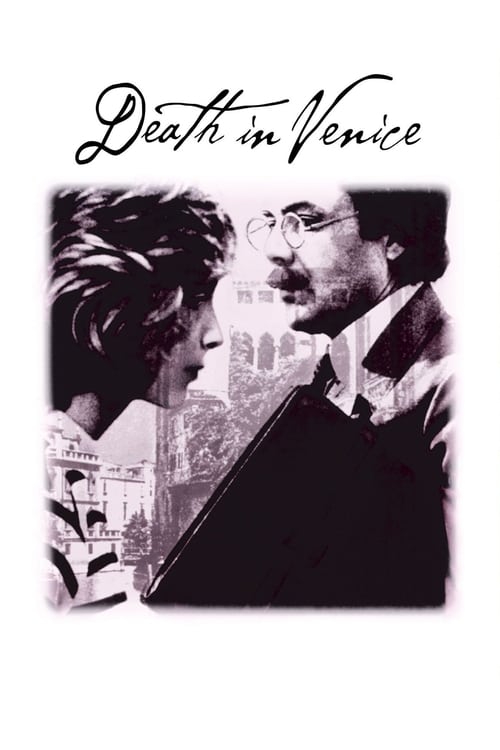
Composer Gustav von Aschenbach travels to Venice for health reasons. There, he becomes obsessed with the stunning beauty of an adolescent Polish boy named Tadzio who is staying with his family at the same Grand Hôtel des Bains on the Lido as Aschenbach.
Literary adaptation: a handsome youth of humble origins rises in society through his connections made as an elevator attendant in a luxury hotel.
A short mime adaptation of a Thomas Mann story about a Parisian urchin who makes her living selling human heads.
No description available.
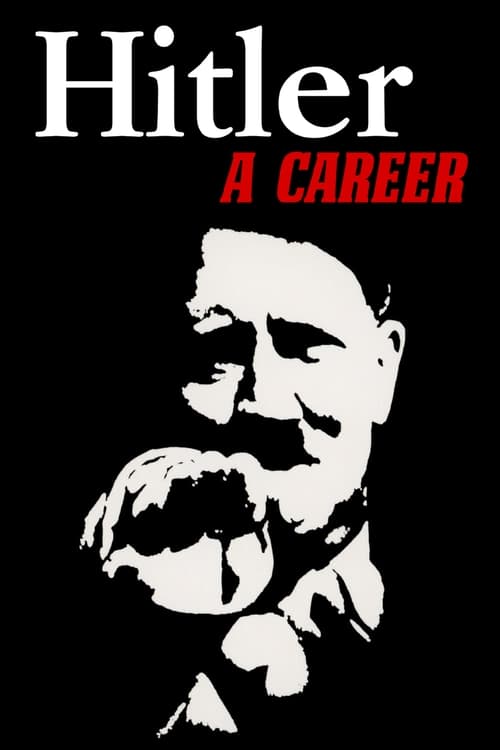
A keen chronicle of the unlikely rise to power of Adolf Hitler (1889-1945) and a dissection of the Third Reich (1933-1945), but also an analysis of mass psychology and how the desperate crowd can be deceived and shepherded to the slaughterhouse.
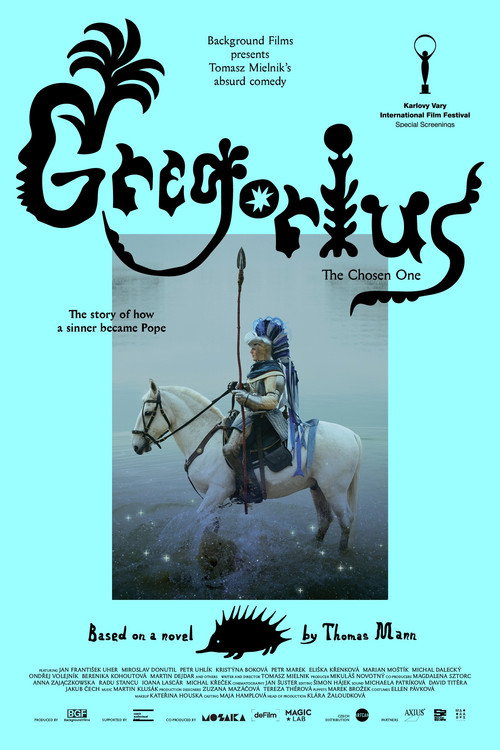
Gregorius, the Outcast. As an infant, he was abandoned by his own parents, conceived through the sinful love of a brother and sister. As a young man, misunderstood in a humble fishing village, he imagined the lake as an ocean, a small boat as a throne, and a spear as a royal sceptre. Yet deep within, he knew he was destined for something greater. Driven by a desire to become a knight and make the world a better place, Gregorius embarks on a journey that reveals the unfathomable ways of God. For within every sinner, there may also dwell a saint. Whether you are an outcast, a knight, a king, a hedgehog, or a pope, beneath the heavens there is ultimately only one true path: the path of a pure heart. Gregorius, the Chosen One. Inspired by Thomas Mann's novel, Tomasz Mielnik's poetic absurd comedy transports audiences to a long-lost age, when the star-filled sky served as a map of endless, radiant, and irresistible journeys.
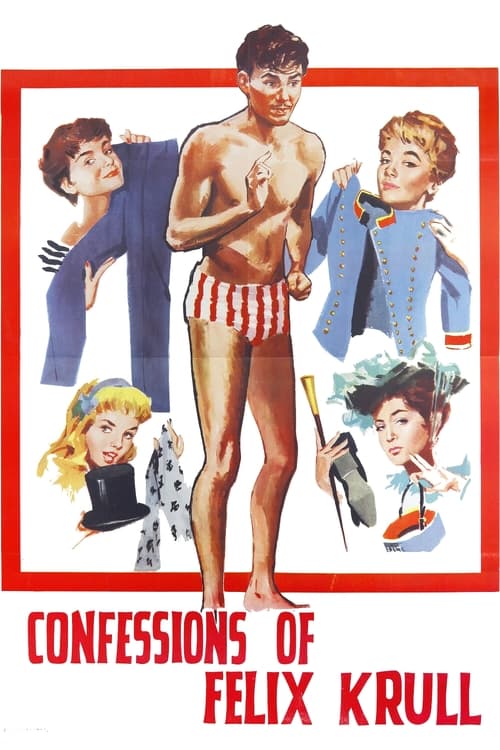
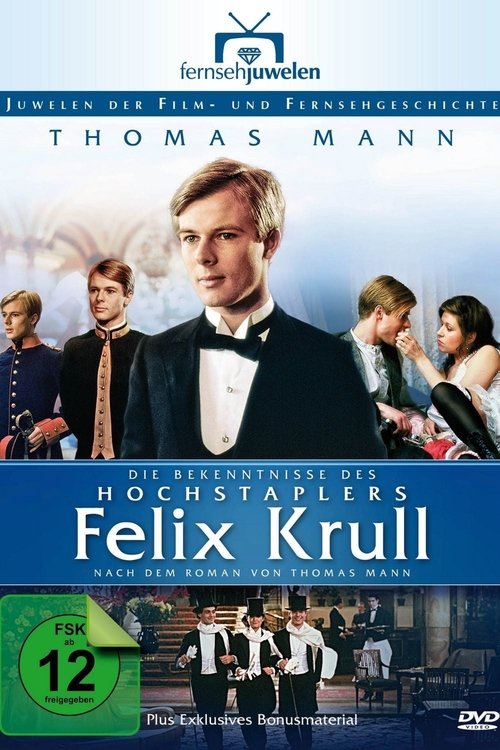
Thomas Mann's witty and intimate story of a irresistible scoundrel.
Based on unfinished 1954 novel by the German author Thomas Mann. It is a parody of Goethe's autobiography Poetry and Truth, particularly in its pompous tone.
Adaptation of Thomas Mann's novella.
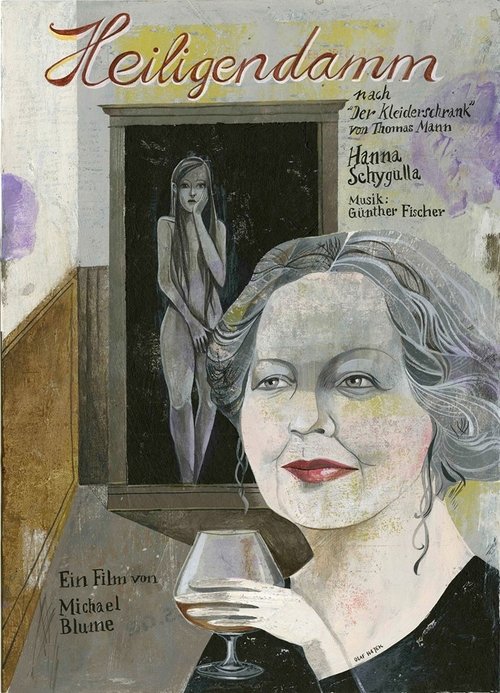
Short film based on Thomas Mann's short story "Der Kleiderschrank".
Explores the complex relationship between the spirit, body, and mind. The film is a nightmare with closed eyes because it counts among the most terrible moments of my life, my second exile, which lasted a very long time. Inspired by an ancient Hindu legend.
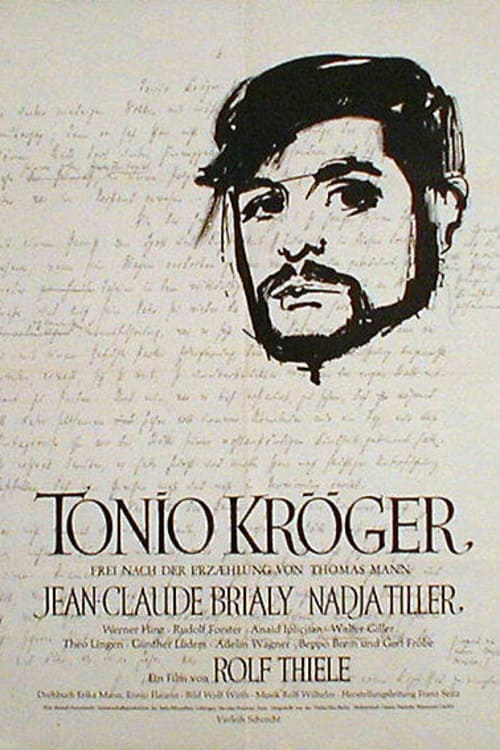
This drama is taken from Thomas Mann's 1903 semi-autobiographical novel. Tonio (Jean Claude Brialy) is an aspiring writer and the son of a rigid aristocratic father and a music-loving mother. Wandering throughout Germany and Italy to "find himself," Tonio frequently remembers his childhood experiences in a series of flashbacks. The highlight of the film is the expert lensing by cinematographer Wolf Wirth. Erika Mann, the daughter of the late poet and author, collaborated with Ennio Flaiano on the screenplay.
Based on a Thomas Mann novel and made with amateurs the directors found while doing a workshop at Ceará.
Hans Castorp, fresh from university and about to become a civil engineer, comes to the Sanatorium Berghof in the Swiss Alps to visit his cousin Joachim, an army officer, who is recovering there from tuberculosis. Intending to remain at the Berghof for three weeks, Hans is gradually contaminated by the morbid atmosphere pervading the place. Wishing very much to be considered a patient like the others, he achieves his ends and stays in the sanatorium for ...seven years. During this time, he has enough time to take part in the furious philosophical debates pitting against each other Settembrini, a secular humanist, and Naphta, a totalitarian Jesuit. And to fall in love with the beautiful but enigmatic Clawdia Chauchat. When he is finally discharged in 1914 - along with all the other patients - it is only to plunge into the horrors of World War I.
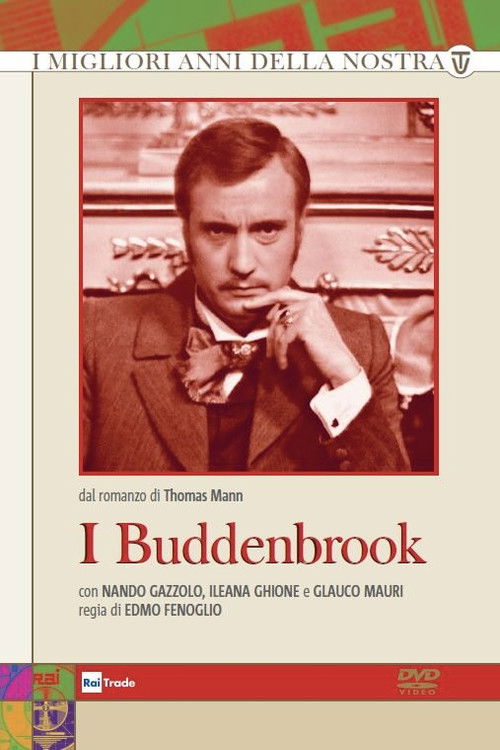
Four-generation story-saga dealing with the decline of a middle-class Lübeck family. The first adaptation of a Thomas Mann book was also Gerhard Lamprecht’s first major film.