Acting
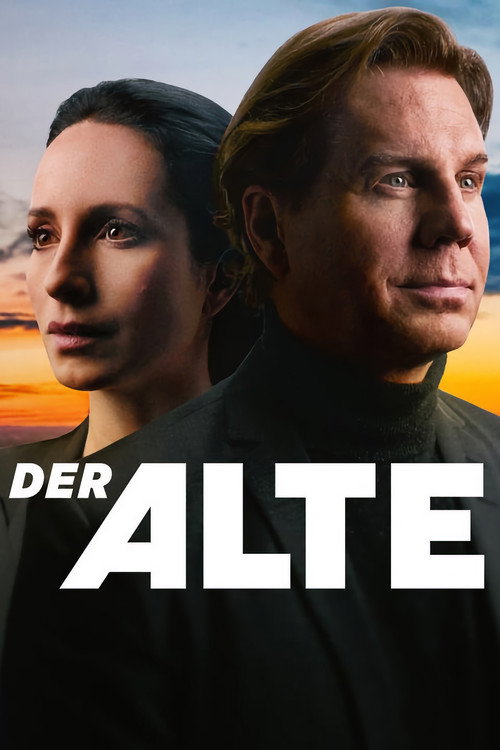
A police department, lead by an older, experienced detective solve crimes together.
Derrick was a German TV series produced by Telenova Film und Fernsehproduktion in association with ZDF, ORF and SRG between 1974 and 1998 about Detective Chief Inspector Stephan Derrick and his loyal assistant Inspector Harry Klein, who solve murder cases in Munich and surroundings.
No description available.
Der Kommissar is a German television series about a group of detectives of the Munich homicide squad. All 97 episodes, which were shot in black-and-white and first broadcast between 1969 and 1976, were written by Herbert Reinecker and starred Erik Ode as Kommissar Herbert Keller. Keller's assistants were Walter Grabert, Robert Heines, and Harry Klein who, in 1974, was replaced by his younger brother Erwin Klein.
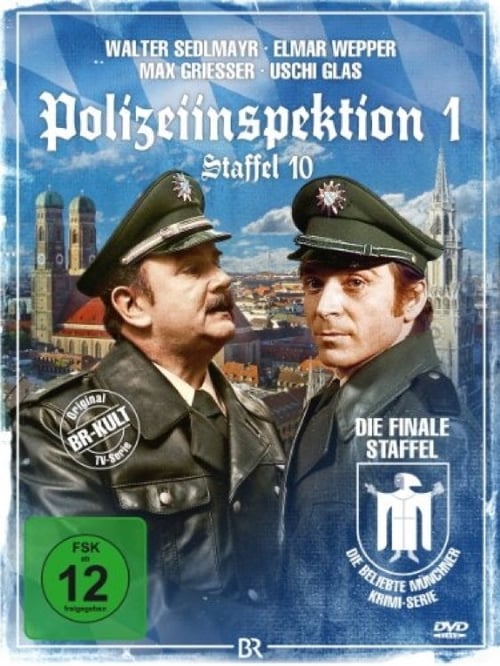
Polizeiinspektion 1 is a German television series.
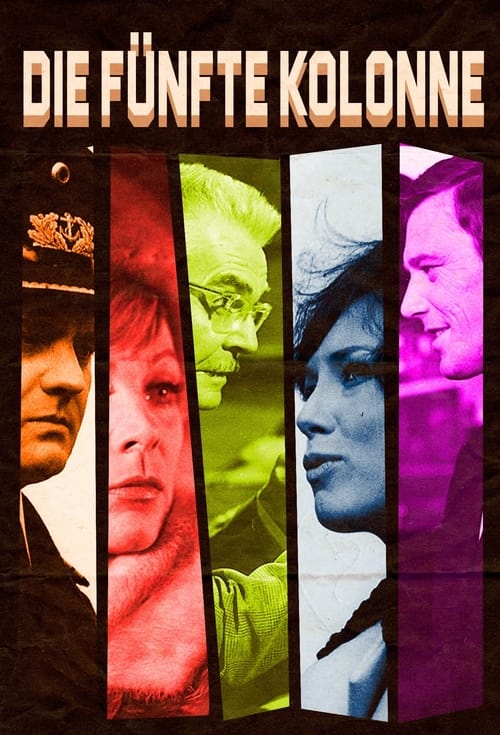
Die fünfte Kolonne is a German television series.
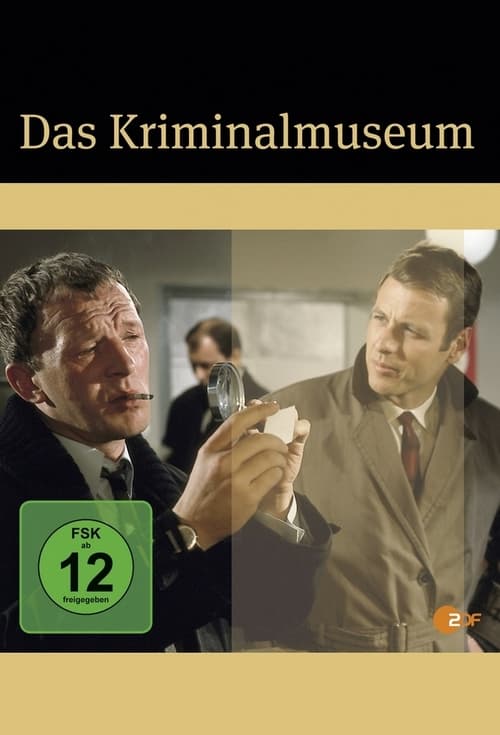
Das Kriminalmuseum was a German television series. It ran from 1963 to 1970 on ZDF and was one of its first programs. Each episode began with a tracking shot through an unspecified crime museum, stopping at one of the displays, whose story was then told. Each episode was between 60 and 75 minutes long and featured different actors as the criminal commissioner. The best known was Erik Ode, who in 1969 moved to Der Kommissar, appearing in 97 episodes. The theme music of the series was written by German composer Martin Böttcher, who also composed the complete scores for five episodes.
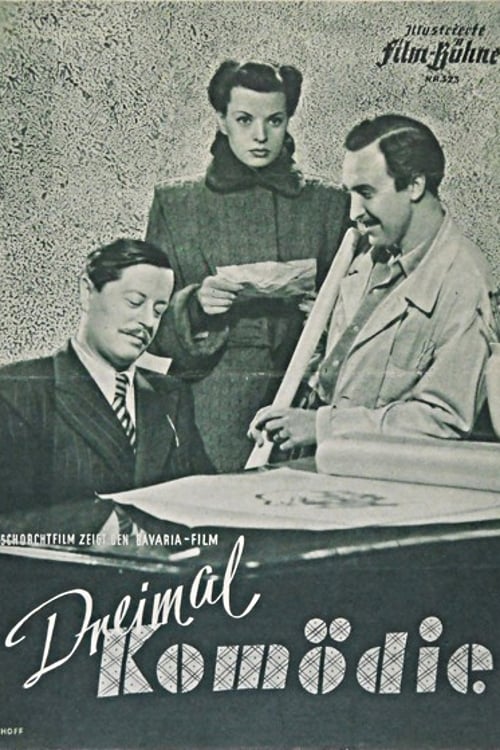
Art student Ulla lies to her older sister Ilse, claiming to be posing for sculptor Professor Viktor Arnim. To confront him, Ilse visits him that very evening. In her excitement, she forgets her handbag, which the professor immediately notices. Ilse clearly doesn't dislike Viktor and no longer wants to appear as the strict sister. So she lies to Viktor and his friend Philipp Geiger, who is also present, telling him that her handbag was stolen by a man named Meier. Viktor and Philipp immediately offer to retrieve it. Sure enough, the famous boxer Willi Meier lives in the neighborhood. Viktor and Philipp also find a woman's handbag in his apartment, which they secretly take with them.
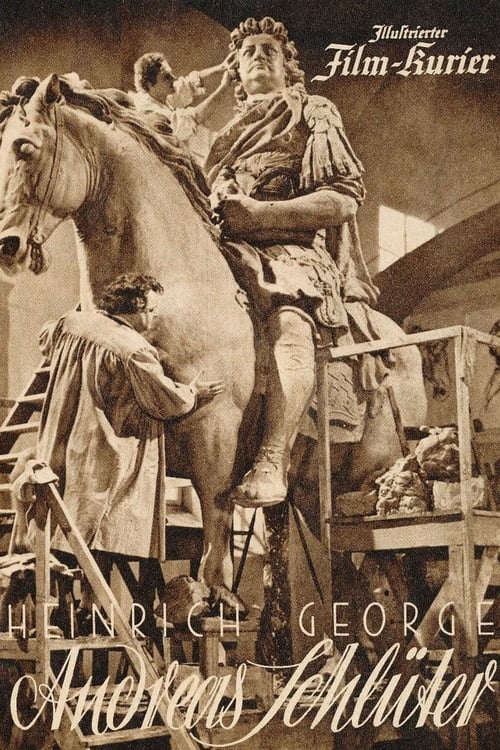
Historical drama portraying the life of German baroque architect Andreas Schlüter.
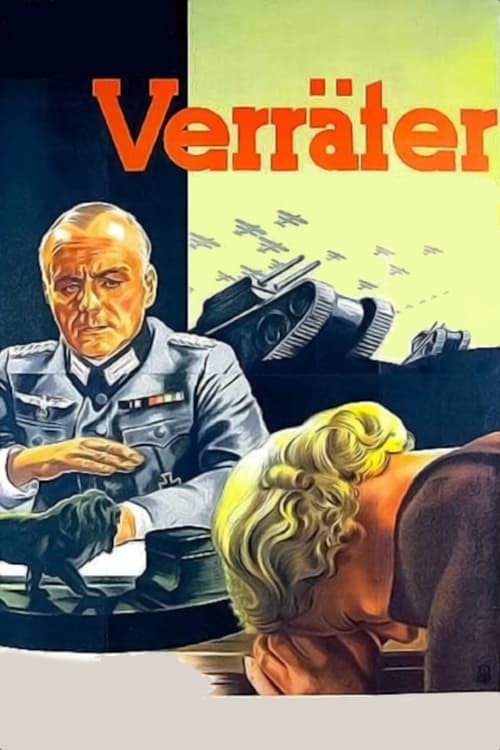
This 1936 film tells the story of the doings of foreign agents in Germany and their allies among the German population. Having placed an ad in a local paper looking for "contact with bigwigs in German industry", enemy agents Morris and Geyer end up making contact with an engineer named Brockau. Brockau has developed an improvement in turning oil into gasoline and that's just what these enemy agents are looking for. Brockau, for his part, needs money, because his girlfriend is a selfish cow who demands more and more toys and trinkets, which has put our naive little nerd deep into debt. Brockau, however, is not the only unwitting maroon to fall into the clutches of the evil agents: the former bank agent Hans Klemm, now doing his service in the Wehrmacht, ends up being contacted by an agent from the other side and ends up getting blackmailed into working for them.
Women are being sent to an all male settlement. The marriages are planned in advance, but not everything goes according to plan.
Lugtal, a town nestled between hills, where the citizens feel at home in their half-timbered houses. A dominant figure: Count Brosch, brewery owner and entrepreneur. He is planning a large-scale housing project in the nearby city forest. Some politicians and many committed citizens are opposed to this, striving instead for the renovation of the old town. Against this backdrop, the story of two contrasting brothers unfolds—the conformist Fridolin and the rebellious Max Fantl.
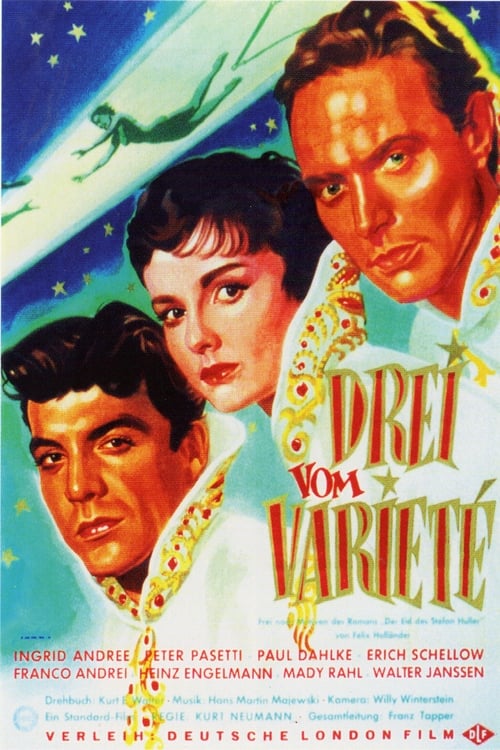
Jeanine, her husband Alexis and Renato are the stars of the Varieté Royal under the name “The 3 Loopings”. A blindfolded somersault performed for the first time catapulted the three even higher in the audience’s favour. Jeanine repeatedly has problems with Renato, who has fallen in love her…