Acting
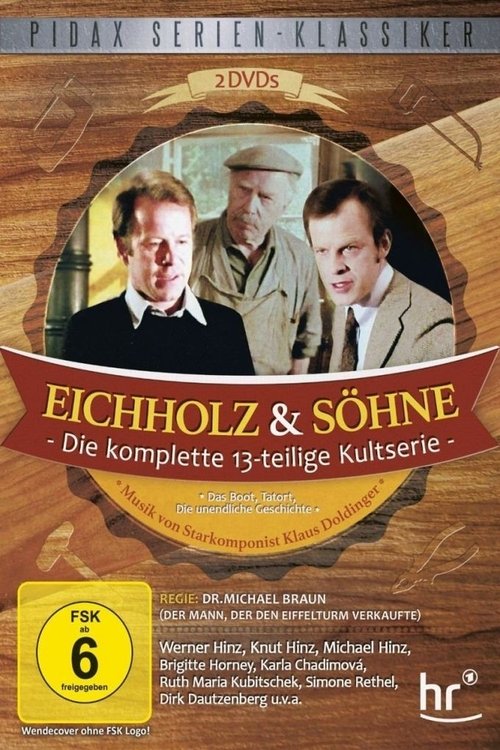
La série des Tatort, créé en 1970, est la plus ancienne et la plus appréciée des séries télévisées policières diffusées actuellement dans les pays germanophones. Au cours de l'année 2010, elle a été regardée chaque semaine par près de 8,5 millions de personnes en moyenne, d'après l'ARD.
Cette série policière met en scène les enquêtes de l'inspecteur Stefan Derrick et de son adjoint Harry Klein dans la ville de Munich. Divers types d'enquêtes y sont entrepris, notamment des cas de mort par assassinat ou encore de complot. Chaque épisode est construit sur un scénario qui s'intéresse à la psychologie des personnes appartenant à l'entourage de la victime. Très souvent, la réponse à l'intrigue posée par le scénario est obtenue à la fin de l'épisode. C'est donc à chaque fois un travail minutieux d'accumulation de déductions et d'étude approfondie de la psychologie des personnages qui est réalisé.
Aucune description disponible.
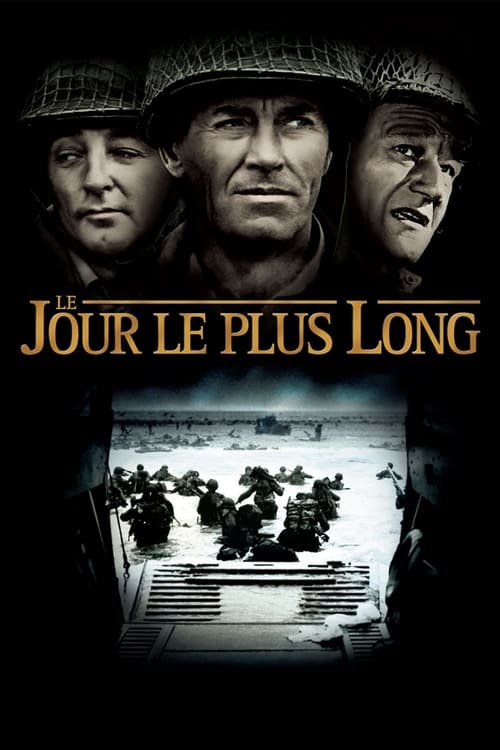
1944. Les Alliés se préparent pour la grande offensive qu'ils ont prévue en Normandie et qui devrait définitivement débarrasser l'Europe du fléau nazi. Chaque état-major est en effervescence. Le général Eisenhower hésite quant à la date fixée, le 6 juin, en raison du mauvais temps. L'atterrissage des troupes aéroportées et le débarquement sur cinq plages normandes s'annoncent difficiles. Il faut créer des diversions pour semer la confusion chez l'ennemi. Pendant ce temps, la plus grande tranquillité règne dans le camp allemand. Le maréchal Rommel est même reparti en Allemagne. Puis soudain, la radio laisse tomber la seconde partie du vers de Verlaine qui annonce le début de l'opération.
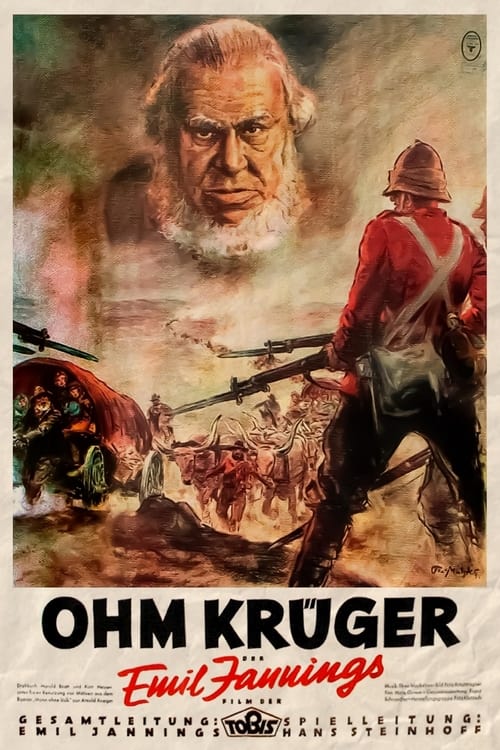
Ce film retrace l'histoire de la Seconde Guerre des Boers et des épisodes de la vie de Paul Kruger. Considéré comme anti-britannique, il fut interdit dans les pays occidentaux après la Seconde Guerre mondiale, mais projeté en revanche dans le bloc de l'URSS, sous le titre Трансвааль в огне (Le Transvaal en feu).
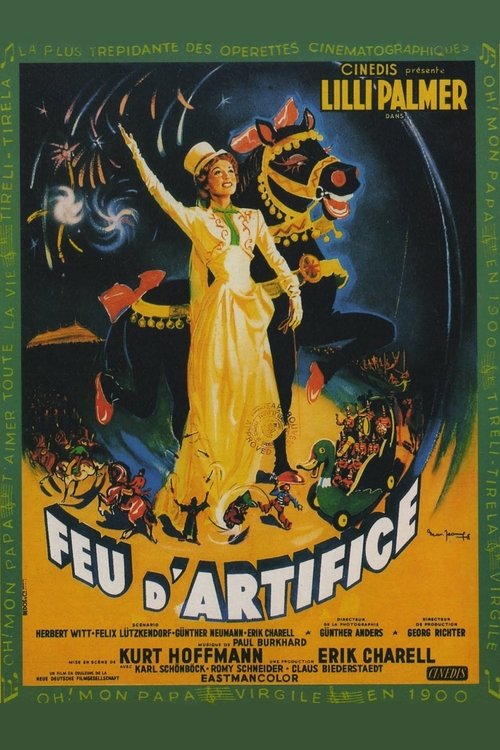
Un cirque ambulant s’arrête dans une petite ville d’Allemagne. La rencontre de deux univers, deux modes de vie opposés.