Acting
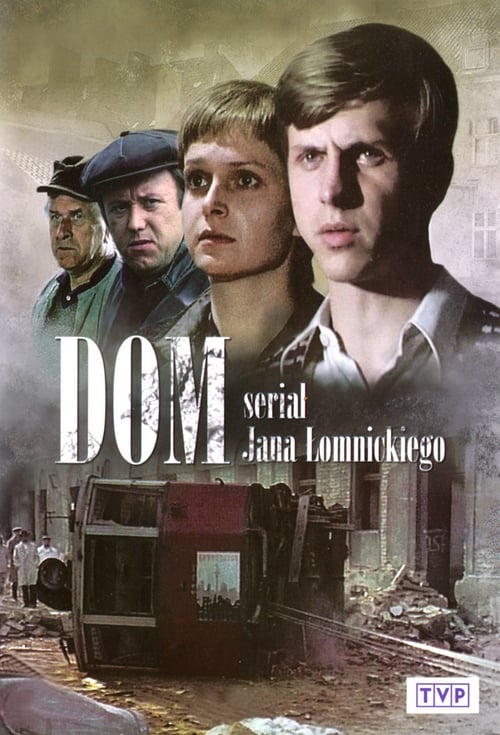
The story of the residents of a tenement house on Złota Street in Warsaw from 1945 to 1980.
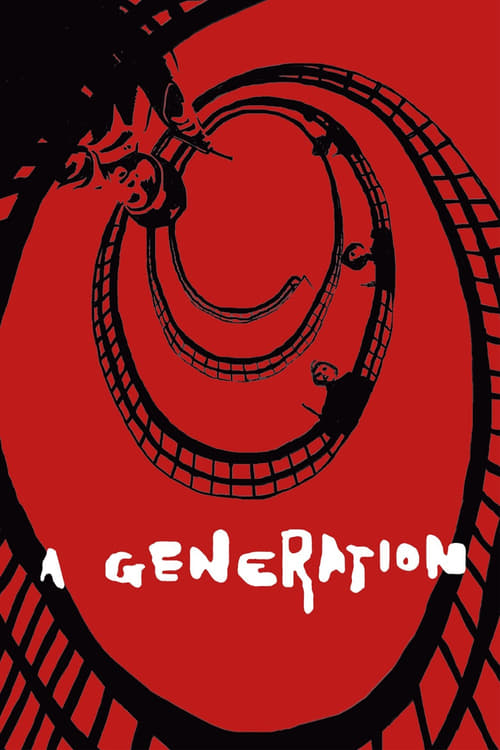
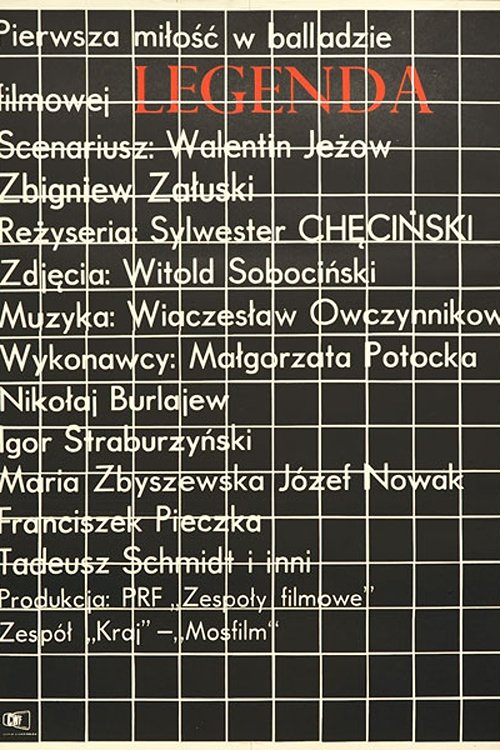
Stach is a wayward teen living in squalor on the outskirts of Nazi-occupied Warsaw. Guided by an avuncular Communist organizer, he is introduced to the underground resistance—and to the beautiful Dorota. Soon he is engaged in dangerous efforts to fight oppression and indignity, maturing as he assumes responsibility for others’ lives.
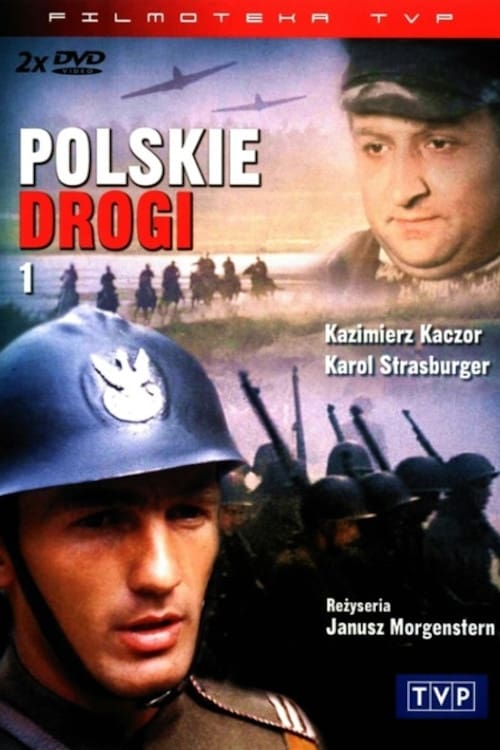
An epic, multi-threaded story about the fate of Poles during World War II. "Czas pogardy" was shown primarily from the perspective of two main characters - Lieutenant Władysław Niwiński and Leon Kuraś - a petty crook, but not without heroic traits. The authors of the series sought to show, in particular, everyday life under Nazi occupation in Poland.
Set in the Kalisz Region in the second half of the 19th century after the failure of the January Uprising in 1863, the miniseries presents a unique portrait of an oppressed society as told through the life of the Niechcic family.
No description available.
Three children strike a deep friendship after a chance encounter during World War 2.
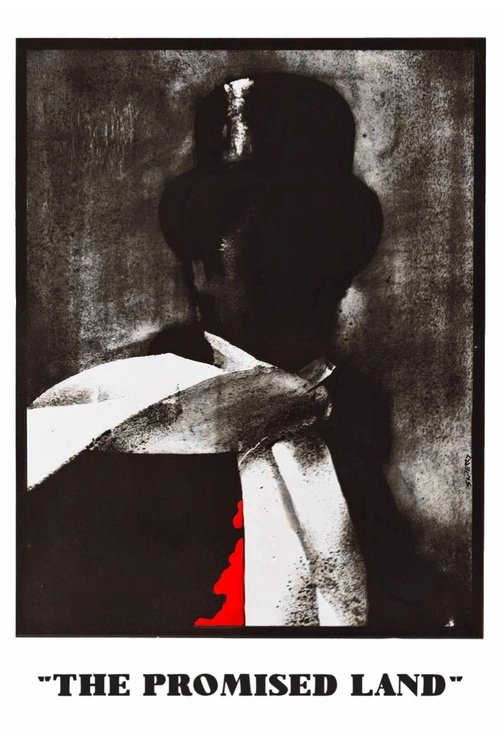
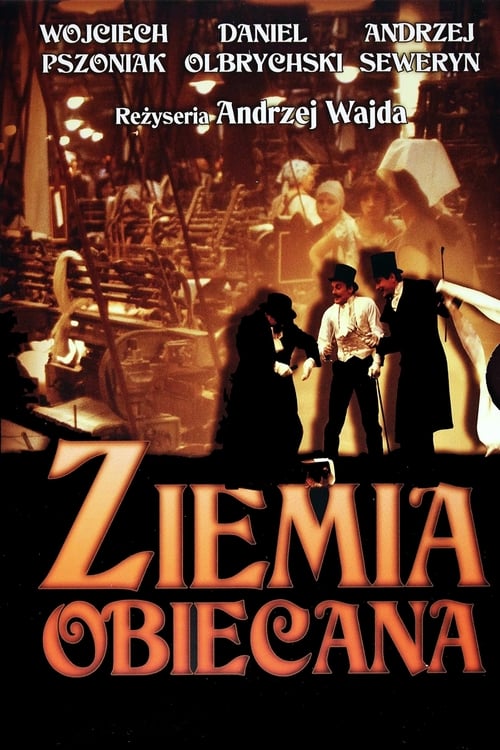
At the turn of the century, Lodz, Poland, was a quick-paced manufacturing center for textiles, replete with cutthroat industrialists and unsafe working conditions. Three young friends, a Pole, a Jew, and a German, pool their money together to build a factory.
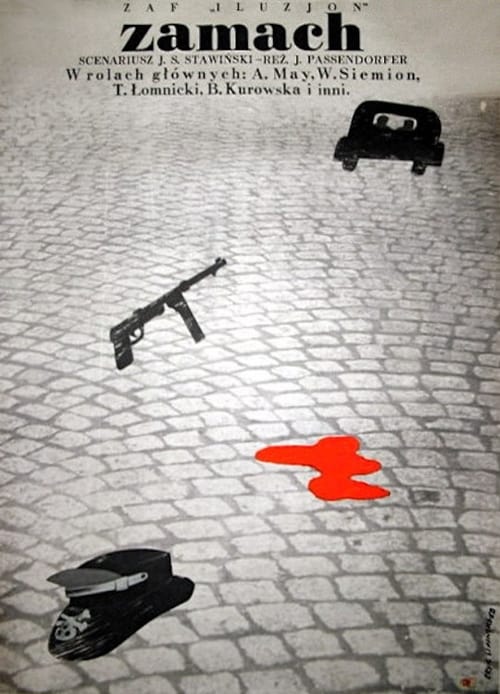
Set in the occupied Warsaw, the film tells the story of the mission carried out by the student underground resistance group to execute the hated SS General Franz Kutchera.
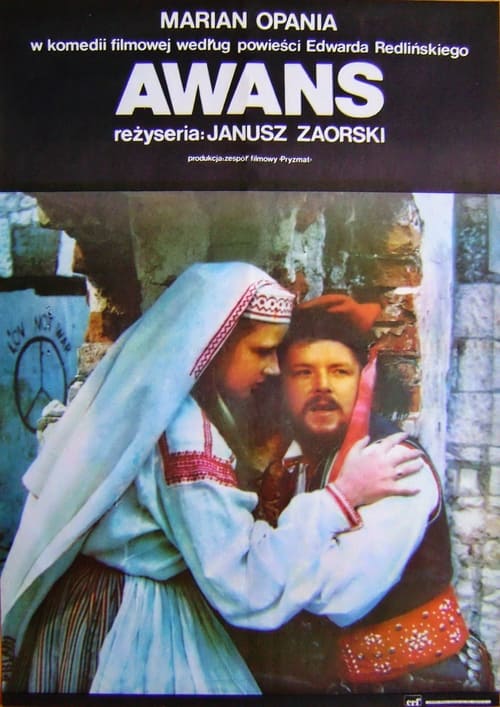
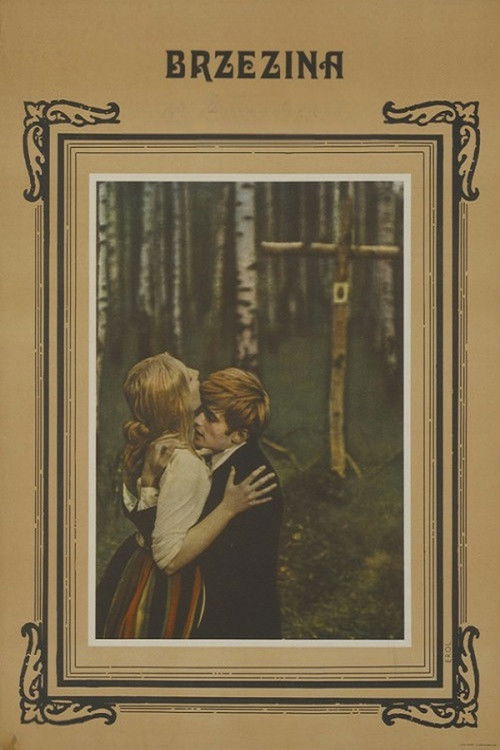
A peasant girl is abandoned by her fiancé after she has talked her father into giving her his land as a dowry.
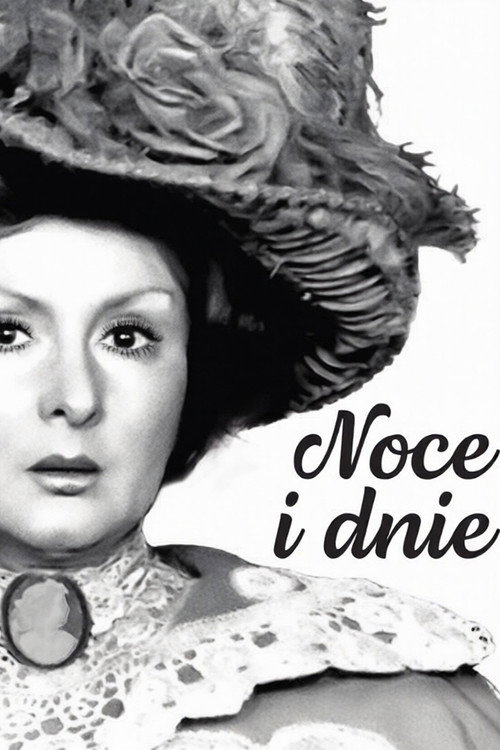
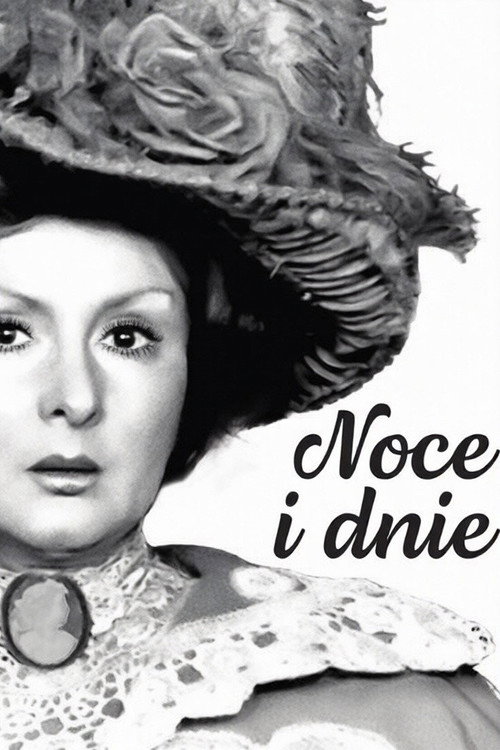
A family saga of Barbara Ostrzeńska-Niechcic and Bogumił Niechcic against the backdrop of the January Uprising of 1863 and World War I. The film is a rather straightforward and faithful adaptation of a novel by Maria Dabrowska with the same title. The plot is woven around the changing fortunes of a noble (upper-class) Niechcic family in the pre-WWI Poland. There are two main crossing threads: a social history one and an existential one.
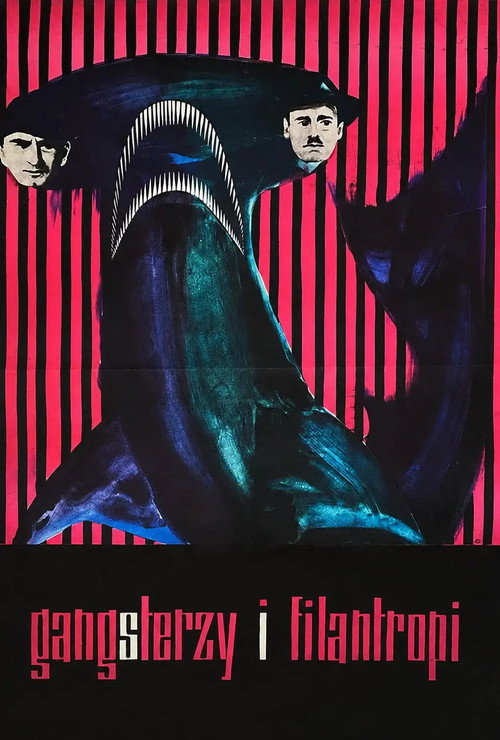
The movie consists of two satirical novels based on the same idea: both the "gangsters" and "philanthropists" end up in the courtroom.
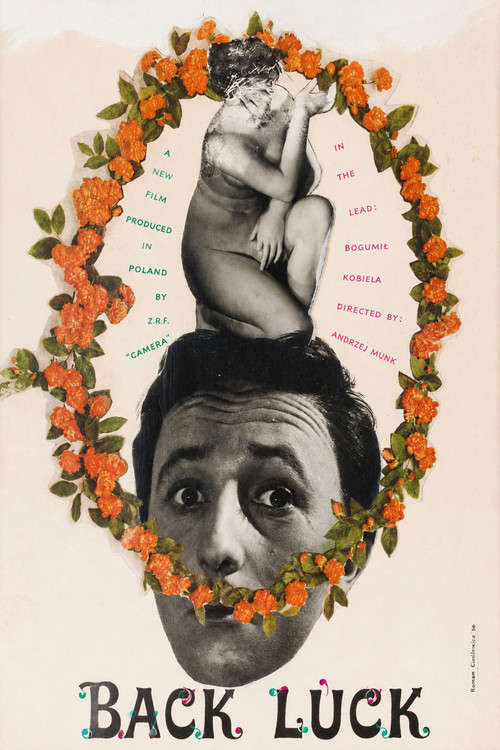
To convince the prison warden against releasing him, a middle-aged Polish man recounts his life, one he considers to have been characterized by exceptionally bad luck.
After getting a university degree, Marek Grzyb comes back to his village and does his best to convince the people to modernize.
The main character is Bogna, a thirty year old woman lost in her surrounding reality and unhappy in her private life. After her husband departs for a foreign scholarship, Bogna learns that her mother died. The trip to her hometown for the funeral becomes a voyage in time, during which she relives the memories of her idyllic childhood.
An unassuming post office clerk finds fame and success as a motorcycle racer.
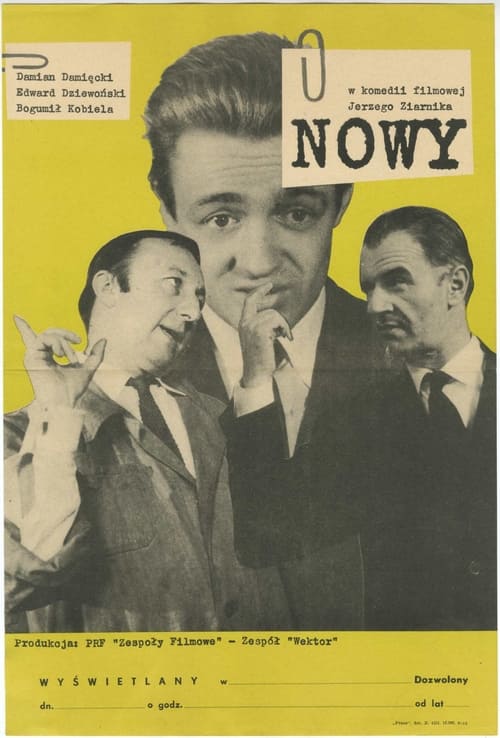
A young man looking for work in Warsaw has to overcome many hurdles in the world of bureaucracy to finally get employed.
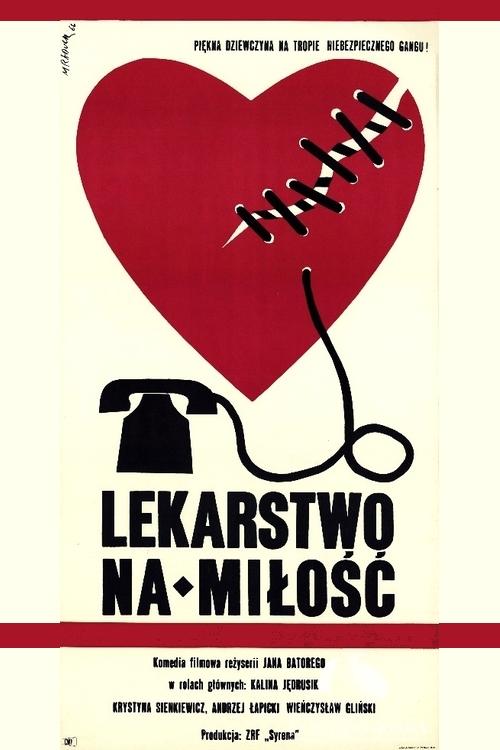
An architect Joanna tells her friend Halina on the telephone about her love troubles and suddenly hears a nice man's voice: "The best cure for love is another love." Then she becomes a forgers dispatcher mistaken for Honorata by telephone and decides to work out a forgers secret and the secret of her new love Andrzej.
A man suffering from tuberculosis returns from abroad to stay at his brother's farm, hoping to make amends, while also beginning a love affair with a farm girl.
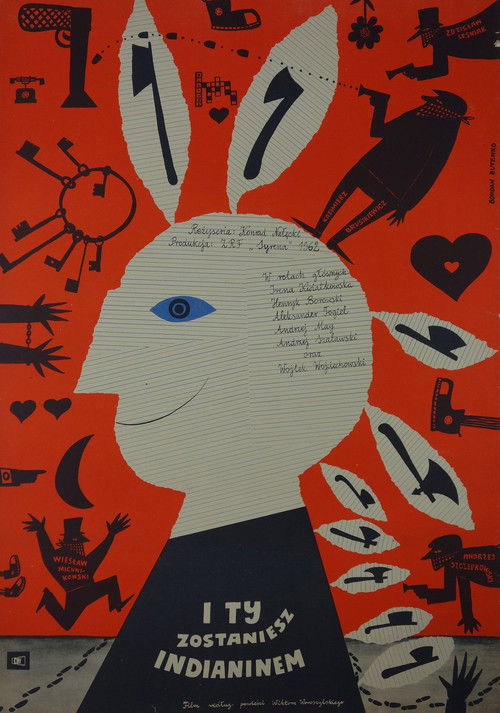
Mirek Kubiak is a primary school student. Like his friends, he is fascinated by Indians and would like to become a brave Apache. Uncle Eligiusz from America comes to his house. The boy becomes embroiled in a criminal scandal.