Directing
Photographed over 4 years in and around the house with a 35mm movie camera and a variety of odd film stocks that had been aging in the uncontrolled conditions of the basement, 'domashnyee kino' is a home movie on many levels. It follows the passage of my two children coming to an ever increasing awareness of the world... It traces the flow of light and sound through their environment... It is a celebration of the way light bends through a piece of glass (in this case a couple of 70's era russian anamorphics) and how this light transforms the surface of an emulsion into an impressionist representation of these moments. The camera films were processed at home in the basement and printed optically on a beautiful Oxberry 1700. Some of the printed material was processed by hand and some was run by Sebastjan at NIagara Custom Lab.
A winter-time journey from Switzerland to Turkey provides a poetic context for reflection. From the bustle of old Constantinople to the deserted Greek and Roman ruins strewn across the Mediterranean and Aegean coasts - quiet observations of past and present, tradition and modernity, innocence and beauty converge to create a meditative space for considering the impermanence of civilization. Shot in black-and-white, the images were processed by hand and edited over a two-year period.
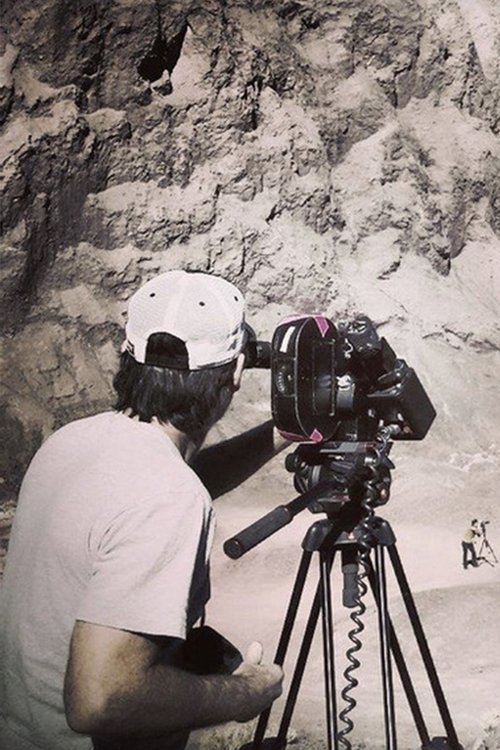
Price’s camera peers over the rushes like a hunter. Three incongruent and gloriously hazy sequences discover the malice in the bucolic.
A long term project (2008-2016) that makes use of the optic and mechanic possibilities of analog cinema and its intersection with alchemy. In the leading role: the water.
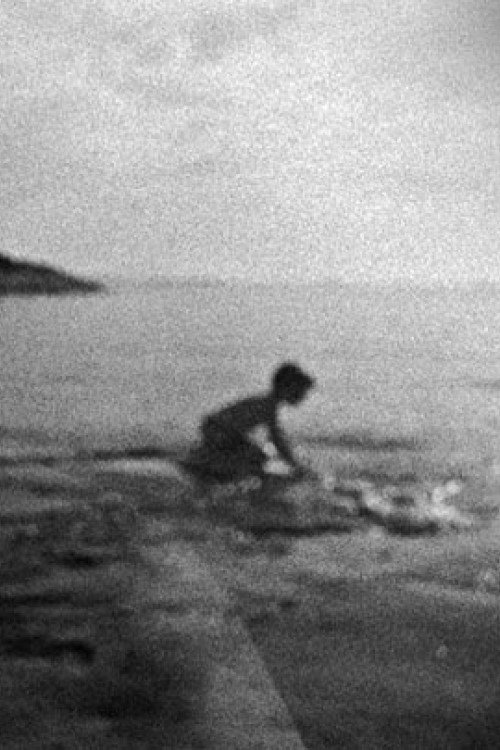
The seaside as a cloudy apparition... a roll of 16mm film shot once in 2008 rewound and re-shot in 2010... 'John Price’s The Sea Series: Landfall in Lilliput is beautiful example of the diary format. He breaks even further with documentary tradition, showing us silent images of children playing and layering them with a document of clouds. With no verbal narrative or other contextualization, we are left to discover the author’s meaning and truth for ourselves. To do this we must examine our own cultural signifiers and internal constructs to discover the film’s meaning. For this reason, it might be the most Canadian documentary because we take it to mean whatever we’d like to – and as Canadians, we will read into it our own Canadian stories.' Melanie Wilmink: Canadian Diaries Programmer's Notes.
Views from the sea.
Portraits of my father and my son... interiors and exteriors... galaxies and stars…
Yes, I contemplate the sea, what else is there to do?…to look at the sea is to become what one is. – Etel Adnan, “Of Cities & Women (Letters to Fawwaz)”
Seething grain and swirling textures of Super 8 processed in a pail. Film as memory ... an elaborate reconstruction perpetually shifting through the course of time. And so is this ... a personal recollection of the intensity of what it may have been like to be a child.
A response to the Fukushima nuclear disaster, "sea series #10" was shot at Beachfront Park near the Pickering nuclear generating station in Ontario, Canada and processed in part with water derived from the lake.
In-camera experimentation as the sun set in a beautiful part of the world with loved ones close at hand. In this idyllic space, I could not help but wonder about the sustainability of the experience... clean air & fresh water... loving children... film stock for my camera. In this light it became a multi-dimentional anthropology.
Witnessing my daughters passage though childhood with a 35mm Russian movie camera.
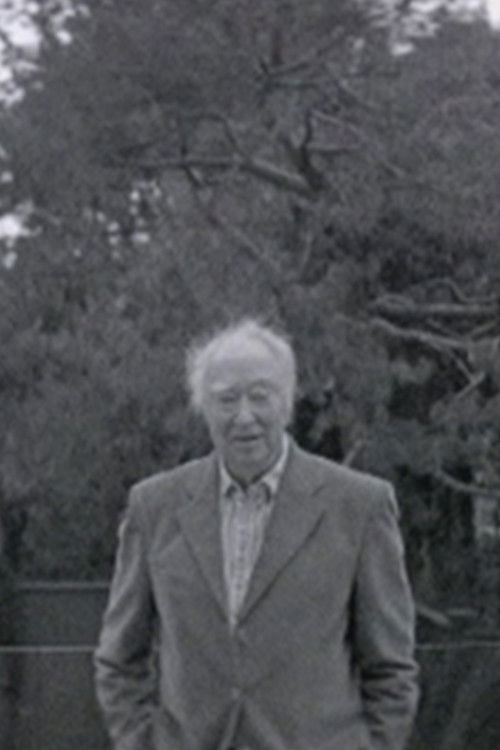
Hand processed 35mm portrait of Michael Snow.