Acting
No description available.
Based on the real events of the 44-day Patriotic War.
The film tells the story of the life of the Azerbaijani saint Seyid Yahya, who lived in the 14th century.
The plot of the film is based on the love story that takes place between a young archaeologist named Sanan and a nurse named Khumar.
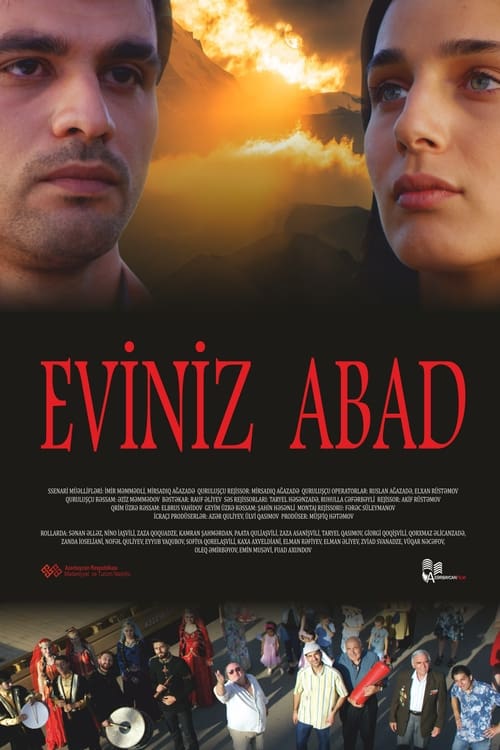
The film tells the love story of two young people - Azerbaijani Ghafar and Georgian girl Leyla - who lost their lands, loved ones and homes in the war. Ghafar is mistakenly taken to Georgia together with the kiosk. When he wants to buy back his kiosk, he meets Leyla, a Georgian girl who is homeless like him. The film is dedicated to all people who lost their homes in wars. The film was shot in Azerbaijan and Georgia.
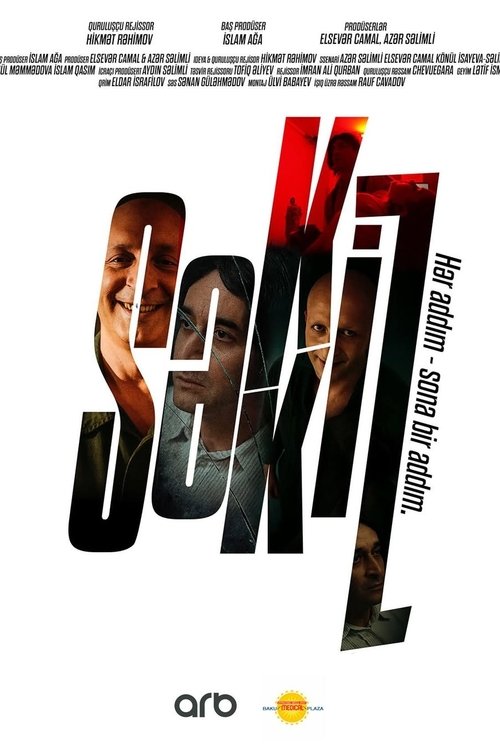
After the suicide of his schoolgirl daughter, the protagonist's life falls apart. This loss awakens hidden childhood traumas in him, and the pain turns into a desire for revenge. He begins to target the people he believes are responsible for his daughter's death, one by one. His ex-wife, an indifferent nurse, the school principal, and those closest to him stand in his way. Each murder should have freed him, but on the contrary, it drags him deeper into darkness. This man, who appears calm and kind in society, is a completely different person inside.
In the autumn of 1888, Baku is preparing for the visit of His Majesty Alexander III. Millionaire and member of the Baku City Duma, Haji Zeynalabdin Taghiyev, is fighting for influence and status in society. The city mayor, Orlovsky, taking advantage of his position, seeks to seize the oil field of Teymurbekov, who has committed suicide. Meanwhile, Ismail, the eldest son of Haji, meets General’s daughter, Nurjahan Arablinskaya, and intends to marry her.
Journalist Mubariz, who is threatened by a businessman, should not write an article, or else he will lose his family. How will Mubariz get out of this situation?
The plot of the film is built around a complex crime. As the main character investigates the events, each piece of evidence leads him not to the truth, but to false clues. Who is friend, who is enemy?
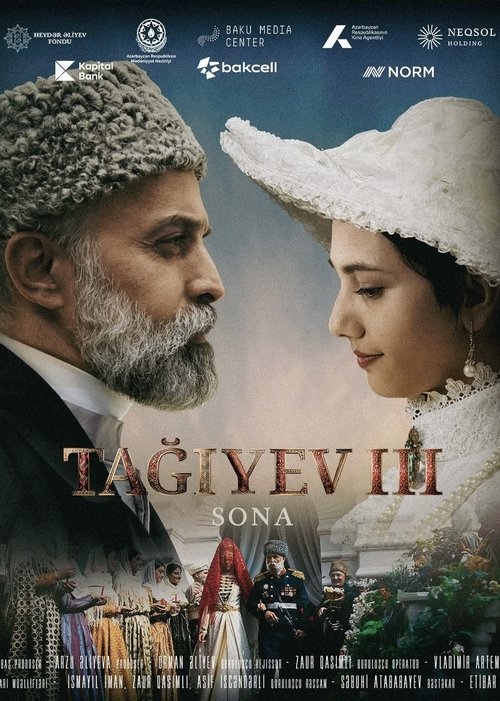
In May 1896, Haji Zeynalabdin Taghiyev was still strong and enterprising, but he openly felt bored spending the warm season at his summer house in Mardakan. Haji wanted a family. He decided to propose to Sona Arablinskaya, the younger sister of Nurjahan Arablinskaya, Ismail’s wife. Haji’s plan caused bewilderment among the Arablinsky family and angered Ismail. Yet Haji succeeded —Sona herself agreed, her parents gave in, but the marriage between Haji and Sona destroyed the relationship between Haji and Ismail.
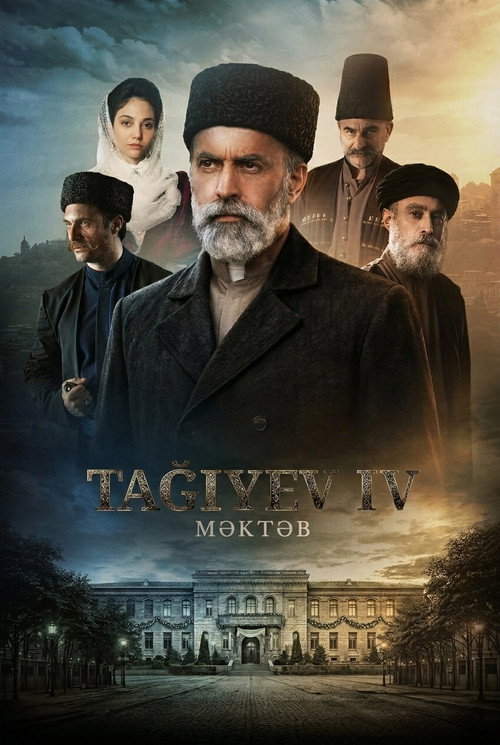
August 1922. Jerry Thompson, filled with respect, prepares to hear Haji’s story. May 1901. Haji Zeynalabdin Taghiyev works on opening the first school for Muslim girls in Baku, with support from his wife Sona. Cleric Akhund Abu Ziyad opposes the idea, sparking public debate. Reformers — Hasan bey Zardabi, Alimardan bey Topchibashev, Ahmed bey Agaev, and progressive clergy led by Mirza Abuturab — support education. The conflict escalates to attacks on teachers. Haji changes strategy and sends a representative abroad. He returns with approvals from major Islamic centers, confirming girls’ right to education. Victory is Haji’s. In October 1901, the school opens.
The film revolves around the tragic events of 1992, where a maniac in the forest brutally murders nine individuals, with only one girl managing to survive. Set 24 years later, the story revisits these haunting events, exploring the eternal battle between good and evil while delving into the psychological impact of past traumas on human lives.
The film tells about three childhood friends. Friends rent a house for their girlfriend who flew from America. Although the house looks ordinary, strange things start happening in the neighborhood. Once, on the birthday of one of the friends, many things become known. The main events occur after the birthday.