Directing
This short documentary shows the reactions of European immigrants as they land in Halifax at the beginning of the 1960s. From the port, we follow them on a snowy journey by train to Montreal.
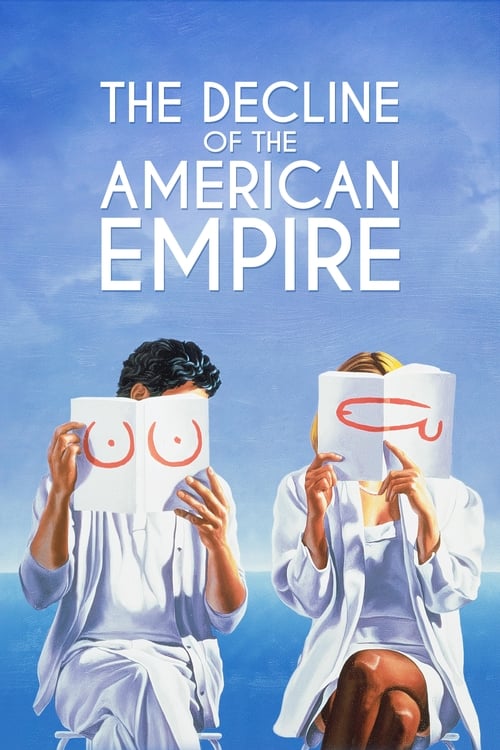
Four very different Montreal university teachers gather at a rambling country house to prepare a dinner. Remy (married), Claude (a homosexual), Pierre (involved with a girlfriend) and Alain (a bachelor) discuss sex, the female body and their affairs with them. Meanwhile, their four female guests, Louise (Remy's wife of 15 years), Dominique (a spinster), Diane (a divorcée) and Danielle (Pierre's girlfriend) are spending the time at a downtown health gym. They also discuss sex, the female body and, naturally, men. Later in the evening, they finally meet at the country house and have dinner. A ninth guest, named Mario, who used to know Diane, drops in on the group for some talk and has a surprise of his own.
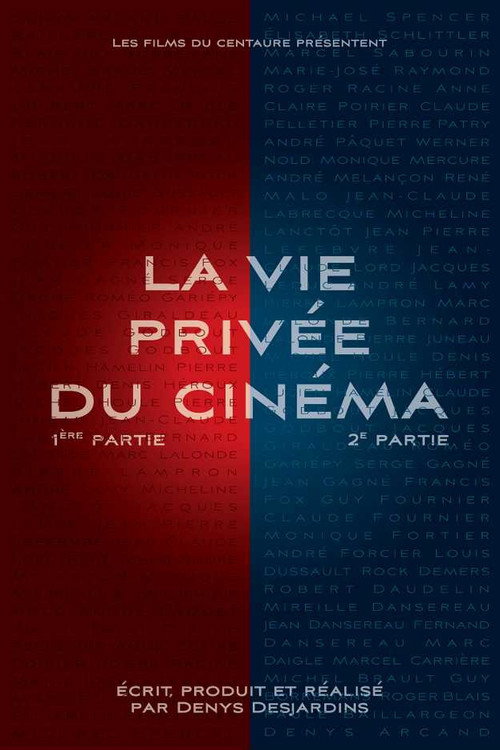
A two-part in-depth exploration of the evolution of the private film industry, seen through the eyes of more than 50 industry professionals. Part One (1939-1979) : Artists and professionals from the social and commercial film sectors recount the struggle to build a film industry that is privately operated yet publicly funded. Part Two (1980-2010) : Executives, policymakers, and industry professionals trace the origins of the major funding institutions and discuss the unintended consequences of building a cultural industry around performance metrics, revenue generation, and private profit.
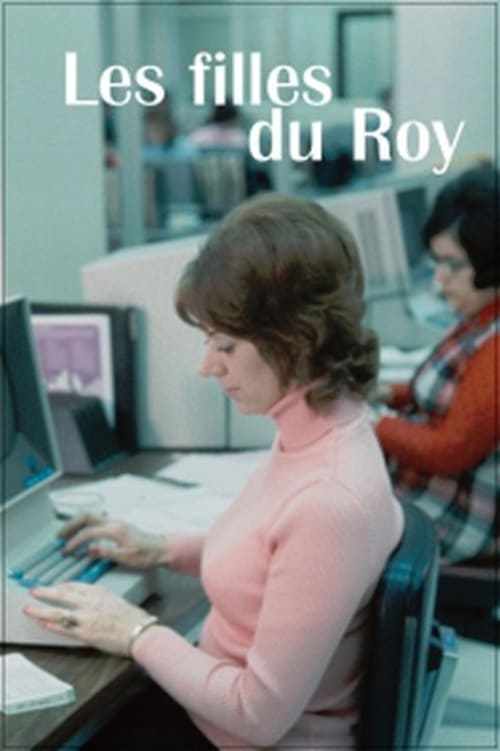
The history of the roles of women in Quebec society, beginning with the women shipped from France to the New World by the King to populate the colony with the men already there, and ending with the modern career woman.
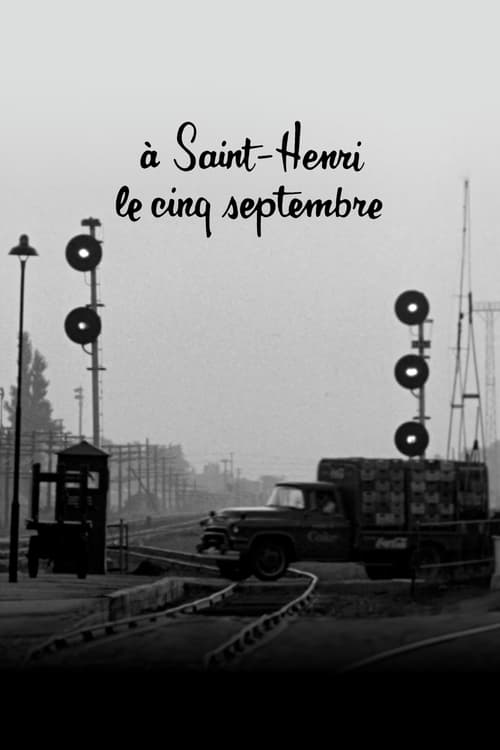
This short film is a series of vignettes of life in Saint-Henri, a Montreal working-class district, on the first day of school. From dawn to midnight, we take in the neighbourhood’s pulse: a mother fussing over children, a father's enforced idleness, teenage boys clowning, young lovers dallying - the unposed quality of daily life.
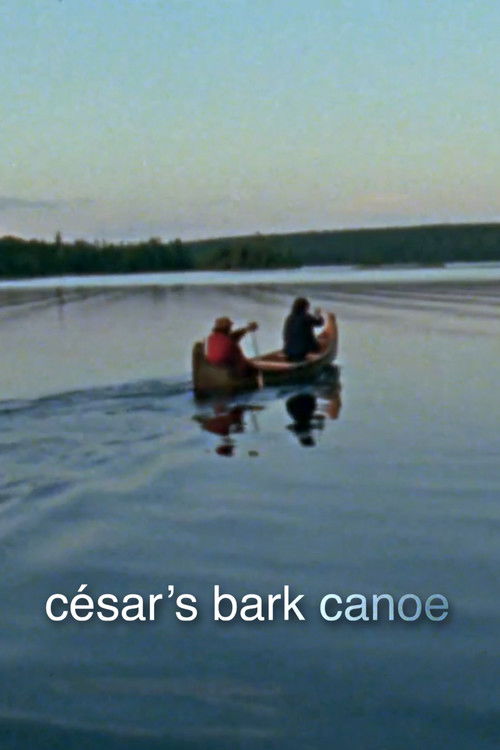
"This documentary depicts a canoe being built in the traditional manner. Cesar Newashish, a 67-year-old Attikamek of the Manawan Reserve North of Montréal, uses only birchbark, cedar splints, spruce roots, and gum. With a sure hand he works methodically to fashion a craft unsurpassed in function or beauty of design. Building a canoe solely from the materials that the forest provides may become a lost art, even among the Native Peoples whose traditional craft it is. The film is free of spoken commentary but text appears on the screen in Cree, French, and English." - Anthology Film Archives
Ovide Plouffe has married Rita. She still tries to attract other men even after their marriage. Unhappy Ovide feels for Marie - a young French woman he had met. But his catholic background and surrounding can't let him love another woman or divorce from his wife. So Ovide finishes with Marie and plans a trip with Rita hoping for reconciliation. At the last instant he announces to Rita that he can't make the trip. She goes alone. The plane explodes, and Ovide is suspected and arrested for this horrible crime.
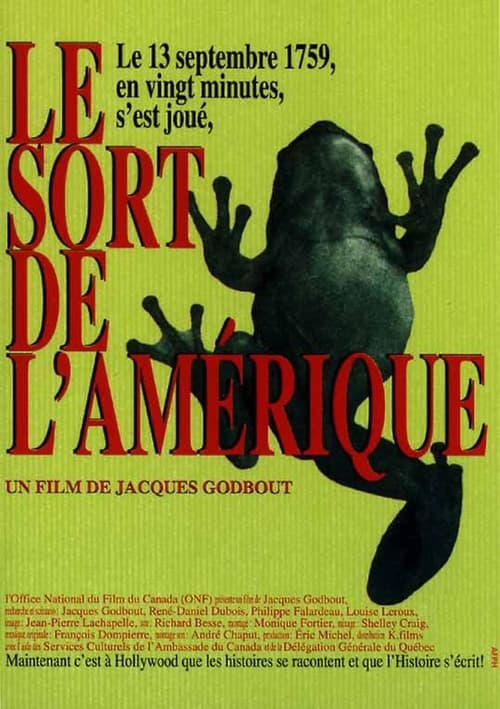
Two well-known Quebec artists (filmmaker Jacques Godbout and playwright René-Daniel Dubois) look at the Battle of the Plains of Abraham. Whose version of this historic event should prevail? Is history best served by documentary or fiction? We also meet Baron Georges Savarin de Marestan and Andrew Wolfe-Burroughs, direct descendants of Montcalm and Wolfe, both of whom died in the battle that would give birth to Canada and to the province of Quebec.
No description available.
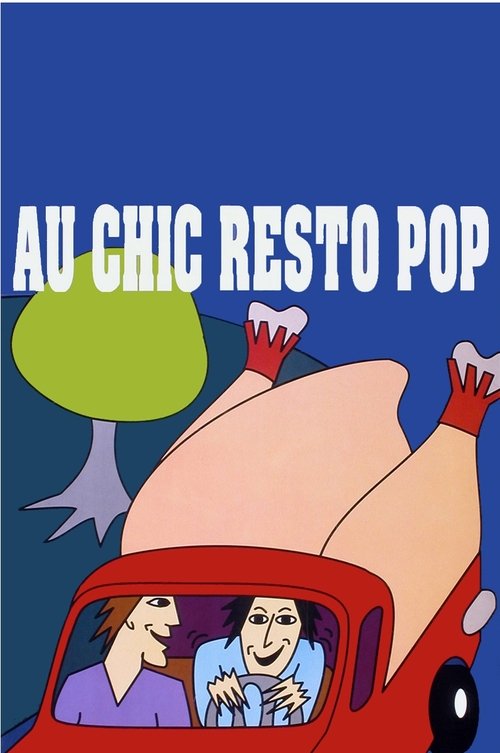
In a poor eastern quarter of Montreal, a restaurant is dedicated for the poors only: le Chic Resto Pop. It used the surplus of some merchants to offer cheap meals. The young people who work there for free get a lot of satisfaction in their work in spite of the difficulties. The movie is build around six songs written by them.
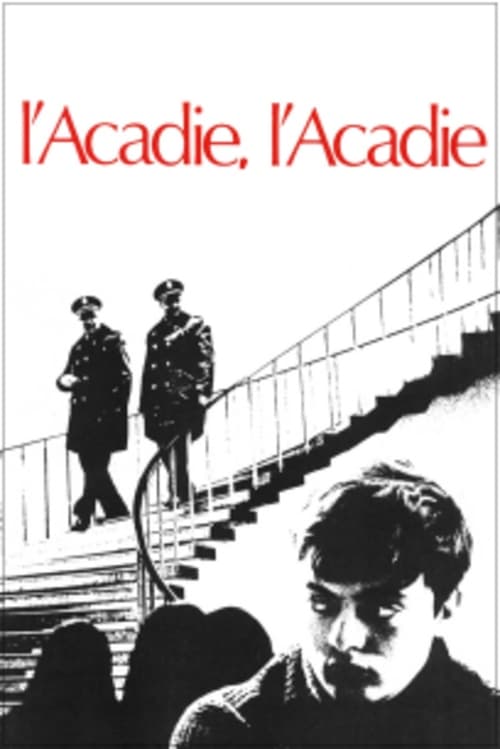
In the late 1960s, with the triumph of bilingualism and biculturalism, New Brunswick's Université de Moncton became the setting for the awakening of Acadian nationalism after centuries of defeatism and resignation. Although 40% of the province's population spoke French, they had been unable to make their voices heard. The movement started with students-sit-ins, demonstrations against Parliament, run-ins with the police - and soon spread to a majority of Acadians. The film captures the behind-the-scenes action and the students' determination to bring about change. An invaluable document of the rebirth of a people.
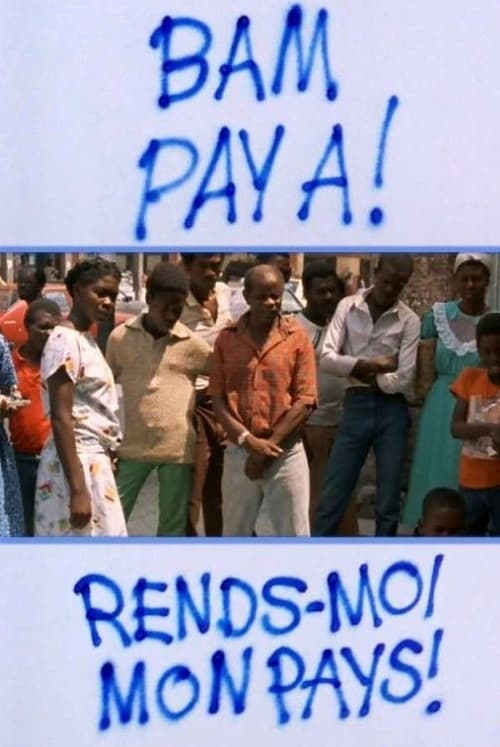
In this feature documentary, a Haitian, exiled in Canada for twenty years, returns to his country after the departure of Jean-Claude Duvalier. Through his encounters with former friends, professors and colleagues, the face of this newfound Haiti gradually takes shape… Shot in Haiti after the fall of the Duvalier regime, this film, beyond a simple observation, shares with us the hopes of the Haitian people as well as their fears and uncertainties regarding this country that has yet to be built.
Half a million wives work with their husbands in family-run businesses, but most have no legal title to any part of the operation. This documentary focuses on several farm wives who are seeking their fair share of the family farm. In frank and friendly discussions with their husbands and with financial advisers, the women learn about co-ownership. The importance of having a legal arrangement becomes clear when a former farm wife tells how she lost everything she thought she owned when she and her husband divorced. The film encourages women to recognize the economic value of their work and to seek the legal recognition of their status and of their right to an equitable financial share.
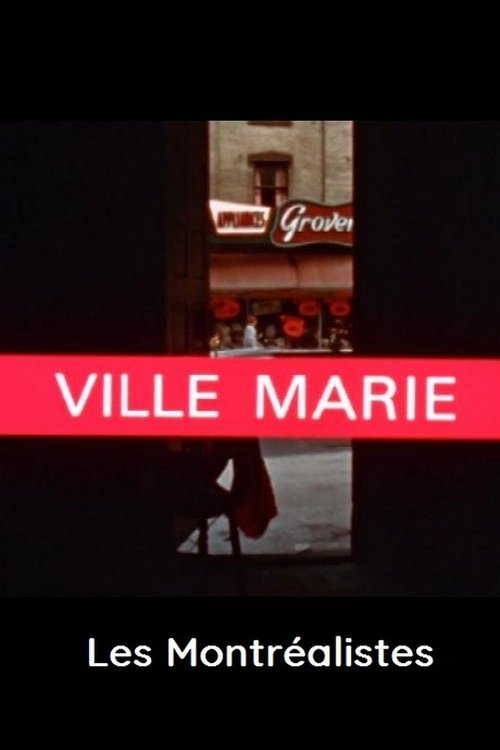
Today it is the city of Montreal, but 3 centuries ago the tiny band of missionary founders called it Ville-Marie, the holy city of Mary. This film goes back to its beginning and those who felt called to plant an oasis of Christianity in the North American wilderness. In an imaginative, at times almost surrealistic, way the film recalls the highborn company from France, and shows what survives of Ville-Marie in the Montreal of today.
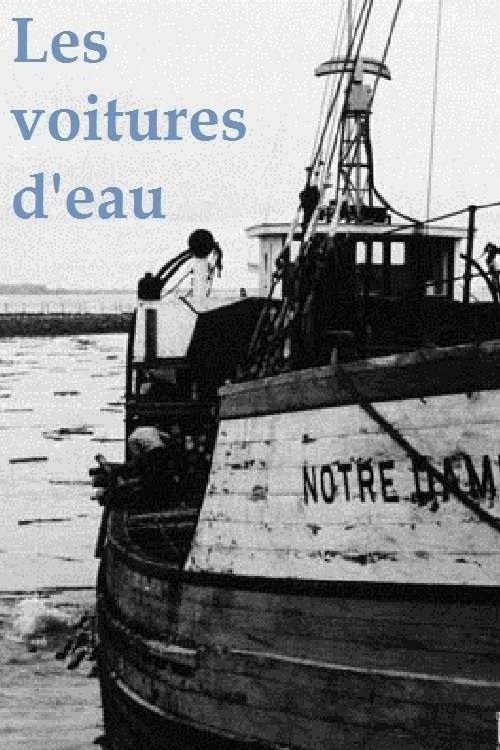
The people of Ile-aux-Coudres talk of their fading tradition of constructing boats to ride the seas.
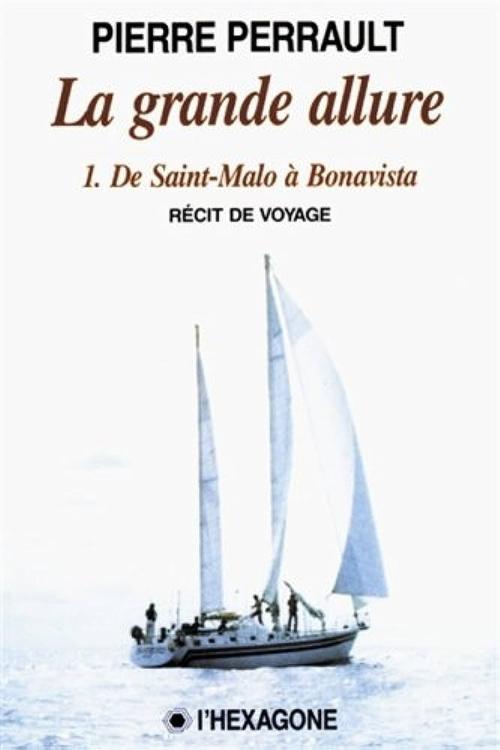
This documentary produced for TV follows a project consisting in remaking the journey of discoveries in the footsteps of Cartier's book. Sailors, some from Saint-Malo, others from the river, were entrusted with the care of navigation.
This film aims to show us how young people date in four countries: Canada (Montreal), Sicily (Italy), India, and Iran. Host Renée La Rochelle interviews psychoanalyst André Lussier and anthropologist Marcel Rioux about the main characteristics of the rites and customs surrounding premarital dating.
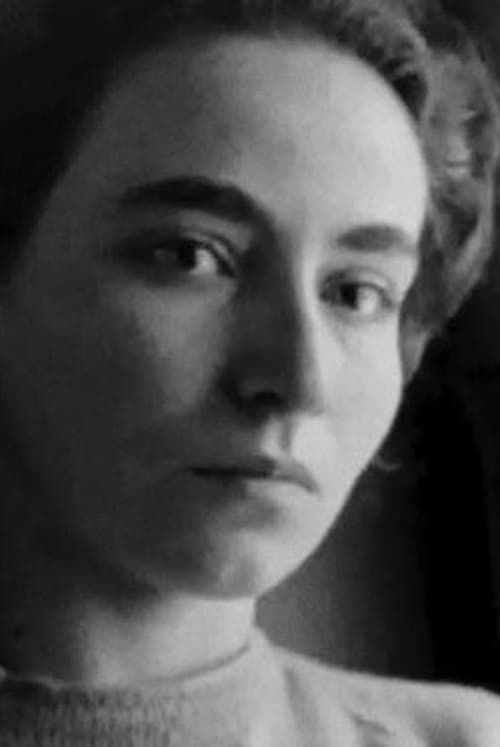
Monique Fortier was one of the few women to make her way in the male world of the NFB in the 1950s. But make her way she did. Beginning as a secretary, she graduated to editing and in 1963 she became the first francophone woman to direct her own film, À l'heure de la décolonisation. Her NFB colleague Anne Claire Poirier would make her first film the same year. Fortier subsequently returned to editing, quietly labouring at the Steenbeck, shaping films that helped define Direct Cinema.
This documentary is about the Montagnais from Saint-Augustin et de La Romaine Indian reserve, in the region of the Côte-Nord in Quebec. Perrault approach those First Nations Citizens in order to discover that even if in our traditional occidental thinking and culture we consider ourselves superior to them, we still have a lot to learn from their traditions and ancestral way of living. Through a warm, human and respectful gaze, Perrault looks at the repercussions of European civilization's influence on Aboriginal culture, exploring the imagination and the codes of Native from Canada. The result, contradictory yet profound, was especially striking thanks to the sublime images captured by Gosselin within close relations with the Cinéma-Direct tradition in witch Perraut is one if not the greatest ambassador in the world.