Directing
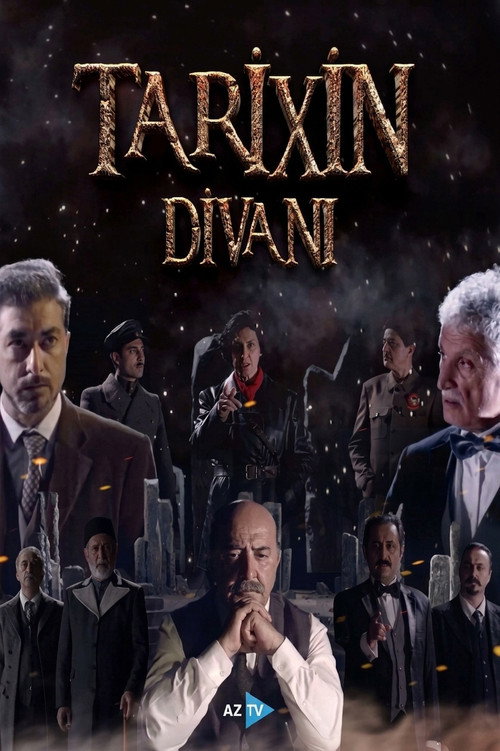
The documentary series "Tarixin divanı" explores critical turning points in Azerbaijani history, focusing on the ideological conflicts between prominent 20th-century figures like Mammad Amin Rasulzadeh and Nariman Narimanov. It highlights how internal struggles between nationalist and internationalist factions weakened the nation during the First World War and ongoing ethnic tensions. The final episodes shift back to the 18th and 19th centuries, analyzing the fragmentation of various Khanates following the decline of the Safavid and Afshar empires.
The events take place in the train. Some passengers show great respect for Mr. Dadashov, but who is Mr. Dadashov?
No description available.
Due to the difficult financial situation in the circus, magician Zaman is demoted to a part-time role, while his beautiful assistant Atlaz is laid off. To show the circus director the difficulty of being a part-timer for a day, Zaman uses a magic trick to "divide" him in two.
January 1990, Baku. The Soviet Union hasn't collapsed yet. Around 300 thousand Azeri have been forsed out from their homes in Armenia and Daghlig Garabagh. Rallies of protest, political meetings spring up in Baku. The old patriarch, Ismail gathers under his roof distant relatives, people of different nationalities, beliefs, and ideas. The old man is tortured by everything happening around him: unrest in the city as well as discord and discarder in his own overpopulated apartment. All his efforts to preserve the family are in vain. People want to live separately. Former friends become bitter enemies because of the senseless aggression.
In the film, the great Turkic khagans gather at the Court of Justice to put the commander Amir Timur on trial. In the end, delivering a fair verdict about Timur is left to the audience.
The movie describes the last remaining years of the great Azerbaijani poet, Huseyn Javid who was the victim of 1937-1938 USSR repression.
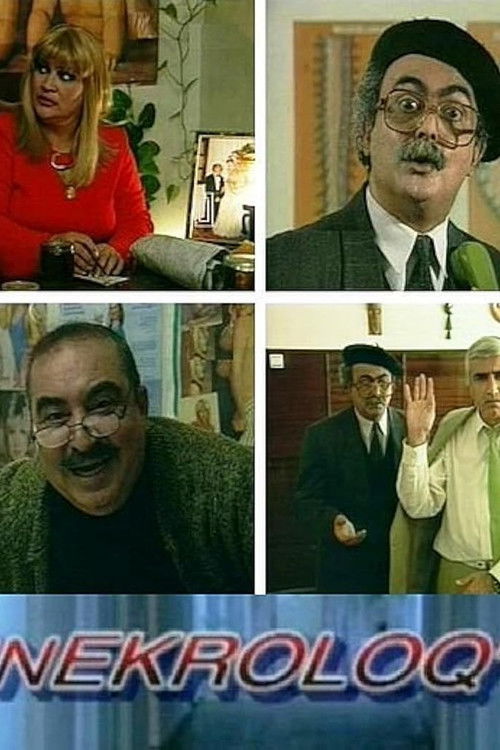
The film follows the news of the illness of the institute's department head, Professor Abdulla, spreading throughout the institute with lightning speed. Shamil, who hears from Dr. Mamish that his condition is absolutely critical, begins to prepare an obituary for Professor Abdulla, and even appeals to other officials to have himself appointed to his position.
The events coincide with the last day of the year. Vagif, who retired a few years ago, returns from playing chess with his former deputy, who is also a recluse, and picks up a woman he knows from afar in his car. From the phone calls they receive on the way, it becomes clear that the passenger's son, just like Vagif's daughter, lives abroad with his family. During the conversation, it also becomes clear that this woman is Nigar, Vagif's former classmate with whom he studied for half a year and his first love, to whom he never had the chance to confess his love. Both of them are now widows. The day, which continues with surprise meetings, ends with both of them attending the New Year's celebration with other former classmates and their grandchildren Banuchichek and Beyrak, who came from abroad to spend the holiday with them.
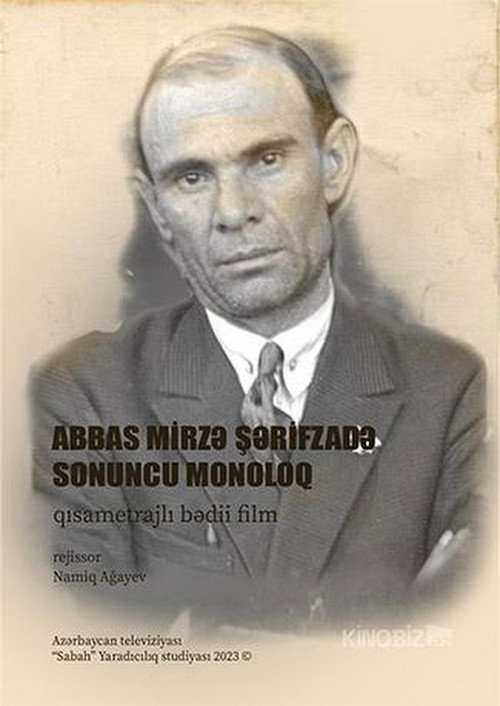
The film is about People's Artist, actor, and director Abbas Mirza Sharifzadeh.
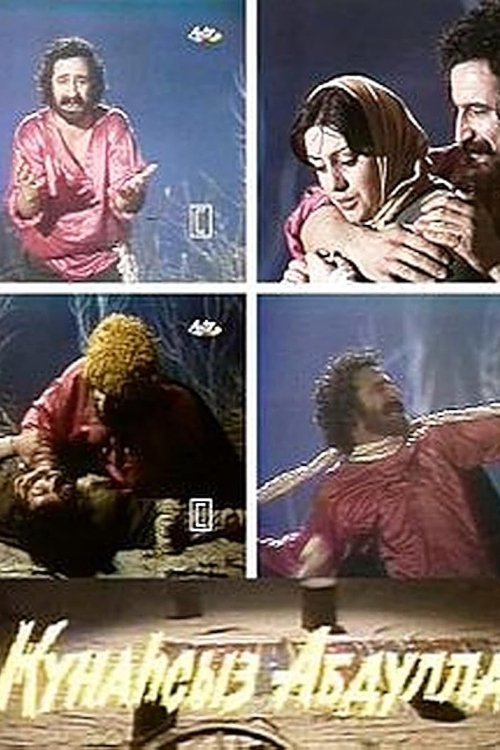
Abdulla is a simple villager who was arrested for ten years on a false accusation. Through the endless years of torment he clings to the hope of freedom, only to escape shortly before his sentence is over, but at home no one is waiting for him anymore.
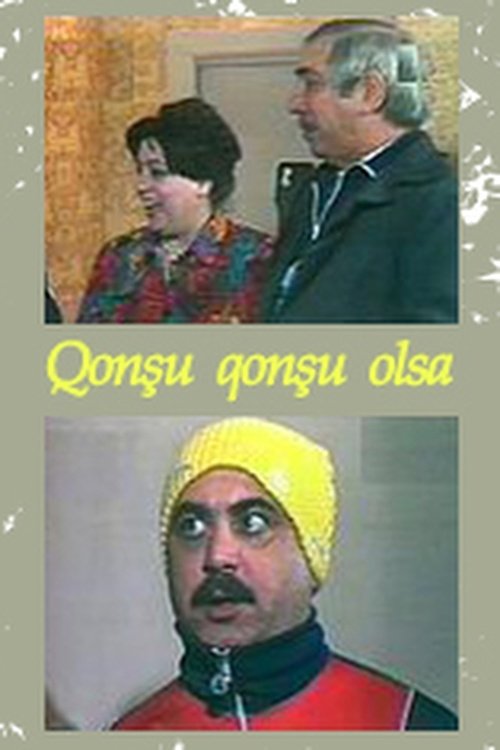
The film tells about the cold relations between neighbors. However, an old woman who enters this building seems to melt this cold ice. The neighbors begin to get to know each other.
Sharif Qurbanaliyev’s tv comedy film.
Azerbaijan Television's "Sabah" Creative Studio has produced a feature film titled "The Boy is Brave, the Girl is Beautiful" on the occasion of the holiday.
The postman delivers a package with a dragon's head to Kazim who watches Alfred Hitchcock's films, to Zahra who reads fortunes with a computer, to Gariba who makes toys, to director Jahangir, to police chief Seifullah, and calls each of them to come to the address mentioned in the letter with the dragon's head. Those who arrive at the address called along with the dragon's head realize that the "postman", is actually their relative, who has gathered together guests who have not seen each other for a long time.
Jafar, a bank employee who receives invitations to five weddings and is looking at his salary, is left in a desperate situation. The only reason is money again. Finally, an earthquake saves Jafar from these weddings. The film criticizes our unnecessary customs and traditions at weddings and funerals. Also, while watching the film, the proverb "Extend your leg according to your blanket" comes to mind.
This film follows the events of the first film 28 years later.
In the film-play, events get tangled as a result of the lovers' miscommunication. Although the dramaturgical contradictions of the work are formed by various attitudes towards folk customs such as engagement and wedding, the play focuses on the contradictions of the characters, not the events.
Haji Gafur is a wealthy merchant from Tabriz. In his will, he states that if he dies, his wealth will go to his sister Sakina Khanum. His concubine Zeynab disagrees and files a lawsuit to claim the inherited wealth.
The second of the series of films "Dede Qorqud Oguznameli".