Acting
No description available.
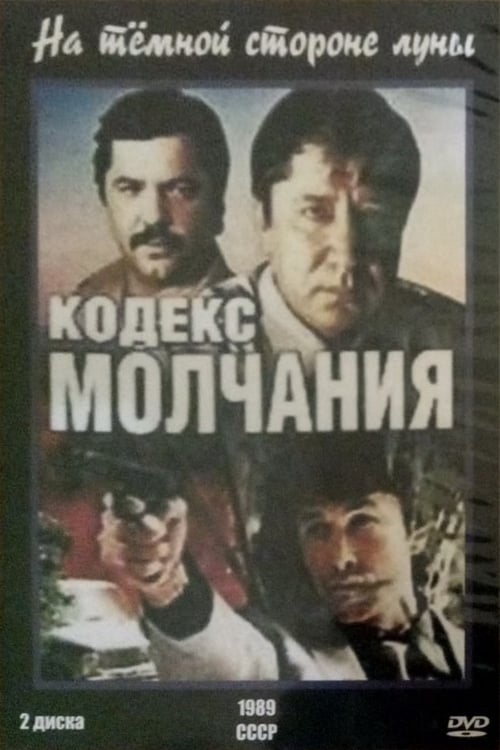
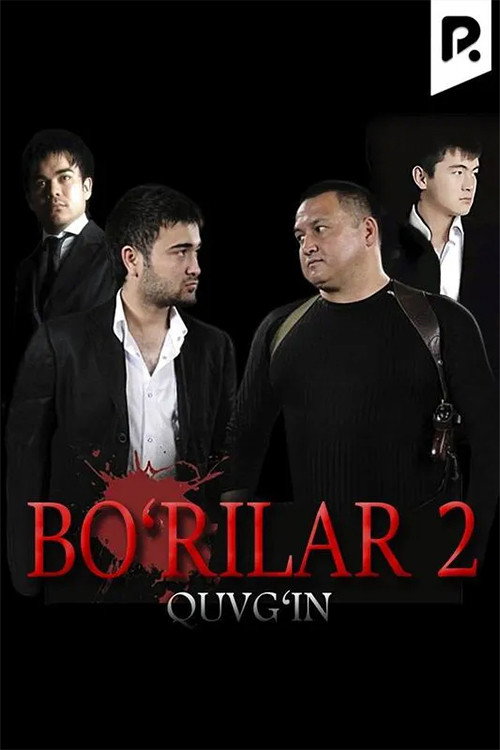
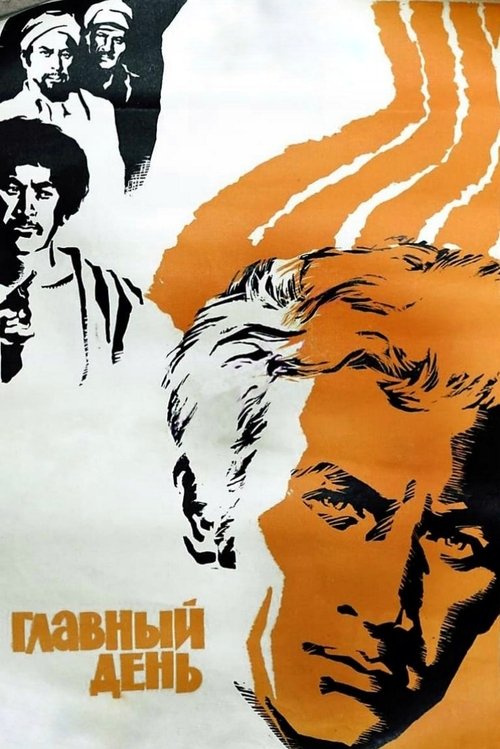
The Cheka officers are conducting an operation to return the gold that the Basmachi plan to exchange for weapons.
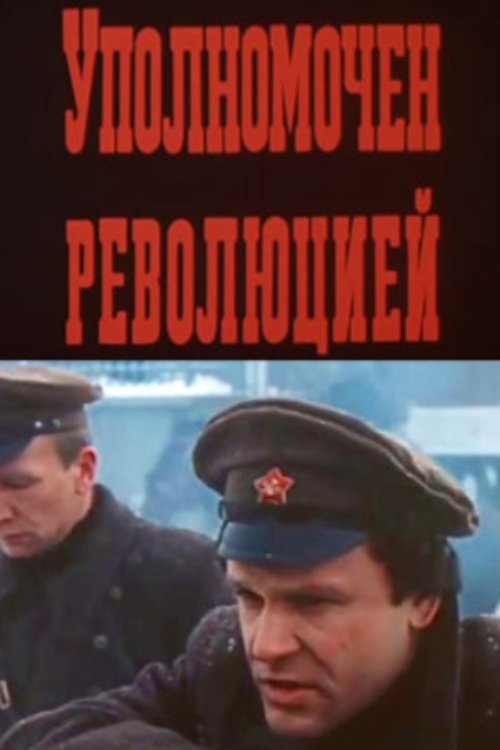
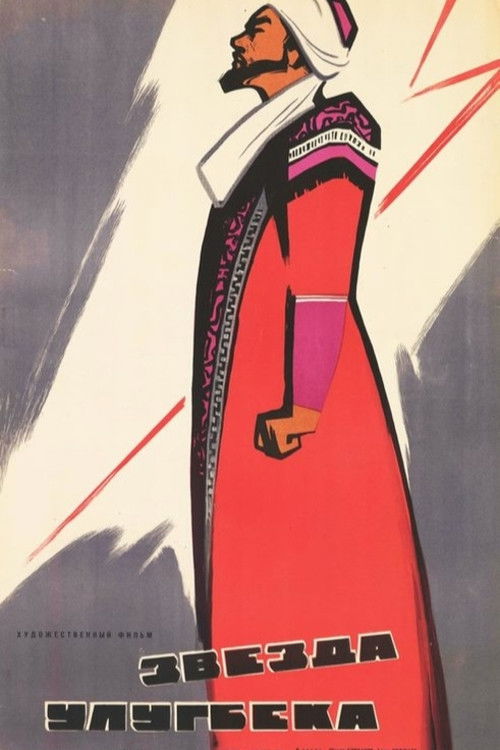
Turkestan, 1919. The prominent Bolshevik Valerian Kuybyshev is appointed commander of the Turkestan Front. The film tells the story of the establishment of Soviet power in Central Asia.
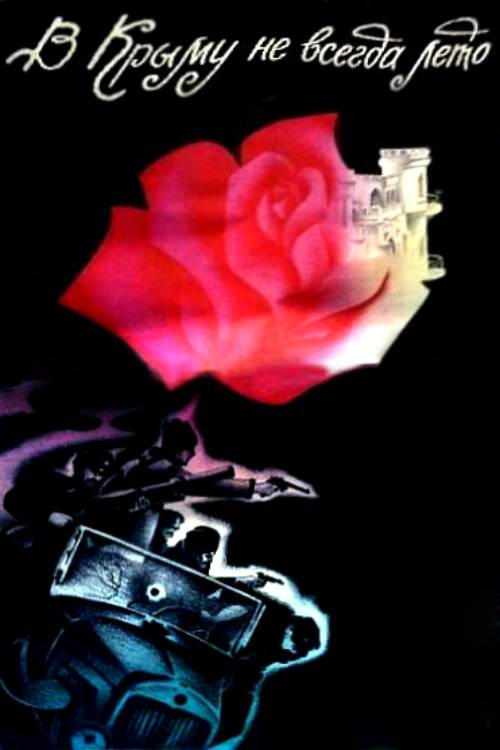
The film is dedicated to Dmitry Ilyich Ulyanov, the younger brother of V.I. Lenin, a professional revolutionary, doctor and creator of the first Soviet sanatoriums and rest homes in the Crimea.
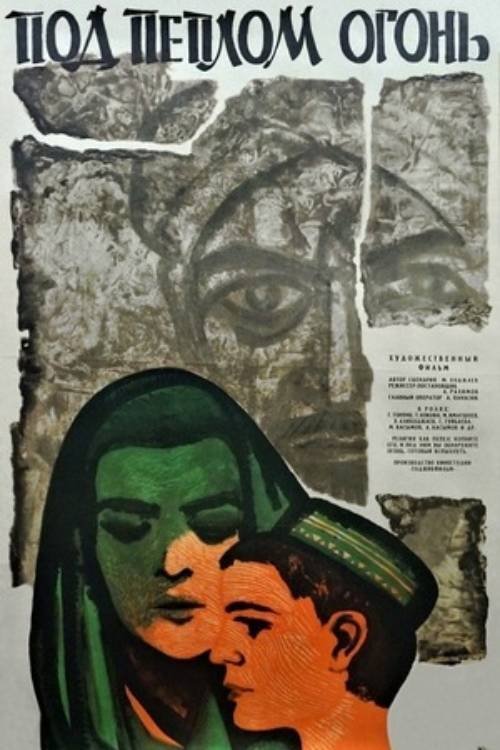
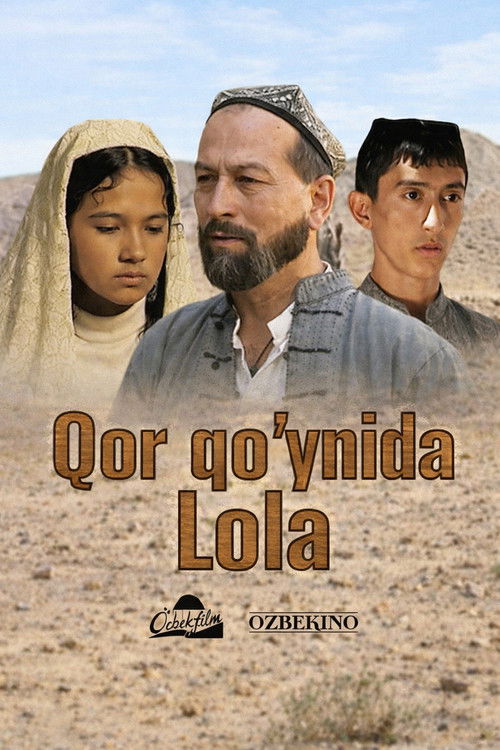
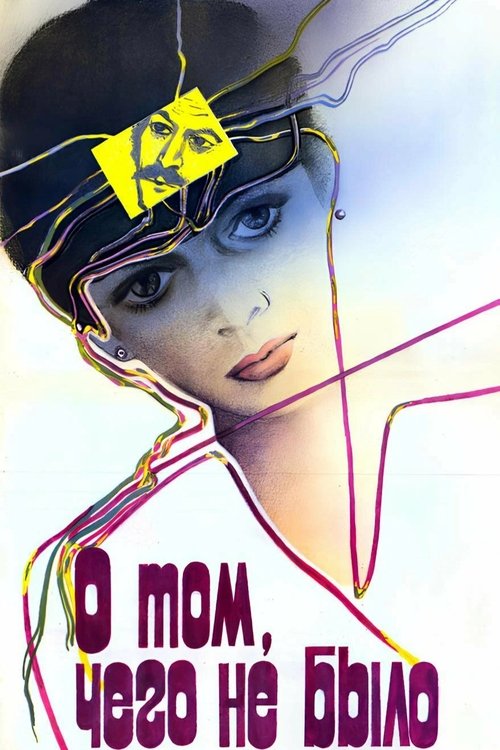
The film tells about the encounter with religious prejudice in our day.
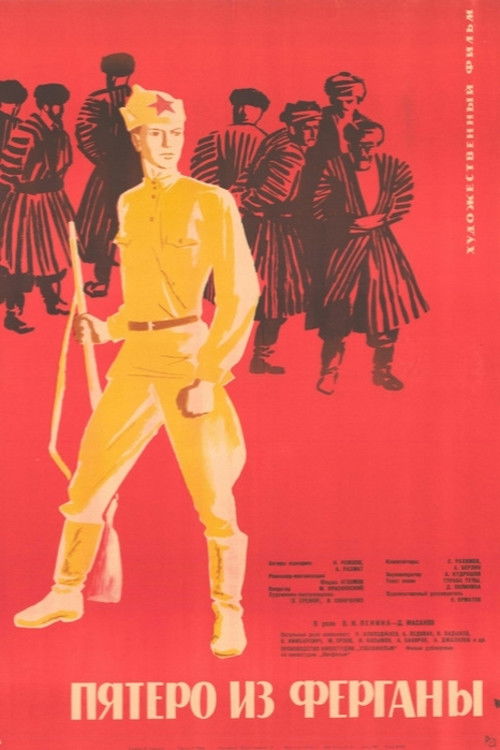
A film about the friendship between the workers of the Uzbek collective farm 'Leningrad' and the city of Lenin. This friendship has grown stronger and developed over more than four decades. The film takes us back to the distant and difficult 1920s, when the farmers of Fergana sent a wagon of fruits to the workers of the Putilov factory. In return, the workers gifted the collective farm two tractors and sent their representatives to help set up the new machinery.
The story takes place in Turkestan in the year 1920. Along the narrow and deserted streets of nighttime Bukhara echoes the voice of a watchman: “All is calm in sacred Bukhara!” But how deceptive this calm is! Bukhara is gripped by intense struggle. The last Emir of Bukhara, nicknamed “the Black Consul” for the executions and the blood spilled at his command, is desperately trying to hold on to power.
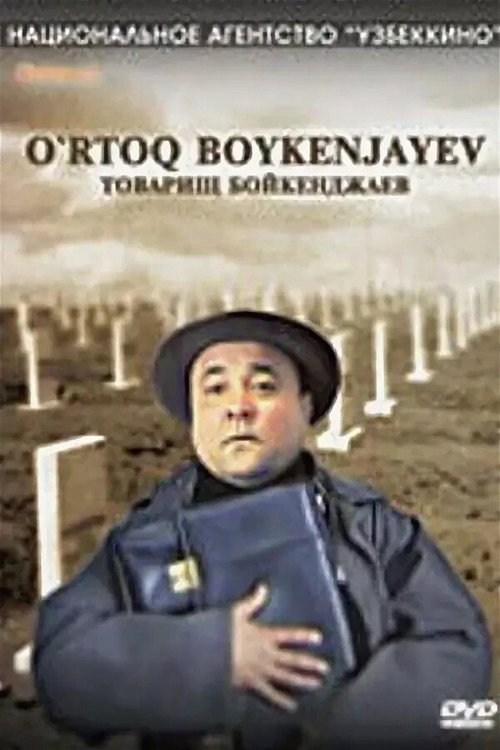
In the late 1990s, in a small town in Uzbekistan, during the last communist winter, the city authorities decided to establish the world's first internationalist cemetery, where all religions could coexist. Comrade Boykenjaev, an active Party member, was assigned the task. The problem arose when the local Party leader ordered the first burial ceremony to take place on the same day as the cemetery's inauguration. Boykenjaev must then find a corpse...
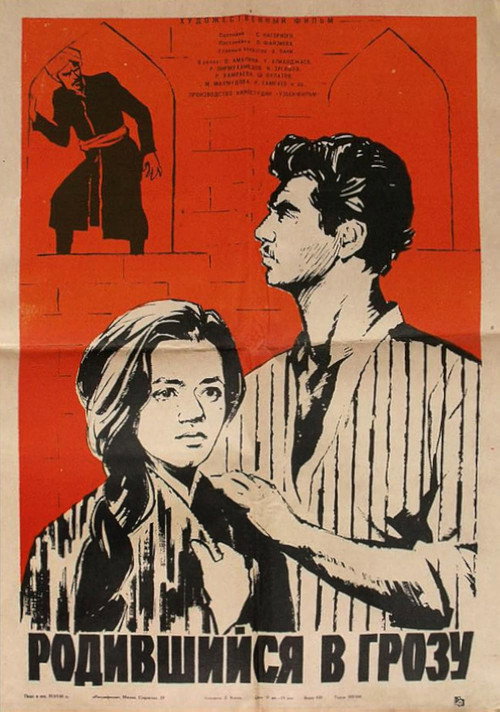
Two lovers are torn apart by the violence occurring among the feudal lords in early 19th century Tashkent.
During the Civil War, the young Uzbek playwright Muzaffar and the Russian girl Natasha, who became one of the first actresses in the Uzbek theater, unite their like-minded people to create a national theater. Amid rehearsals, performances, and the struggle for a new art, love blossoms between them. However, fanaticism, prejudice, and the harsh trials of the era stand in the way of their dream. The story of the first Uzbek theater's development becomes a story of great love, courage, and self-sacrifice.
The Russian guys - Viktor, Masha, and Zhorik - arrived in distant Dushanbe on Komsomol vouchers. Tajikistan became their second homeland, and in the wonderful people Guliam, Alim, and Aziz, they found like-minded individuals. They had to endure many difficulties. But no matter how hard it was, they did not back down and did not lose faith in their just cause.
Political farce. Soviet power is compared to a symbolic "Red Train" without a steering wheel bringing happiness to people.
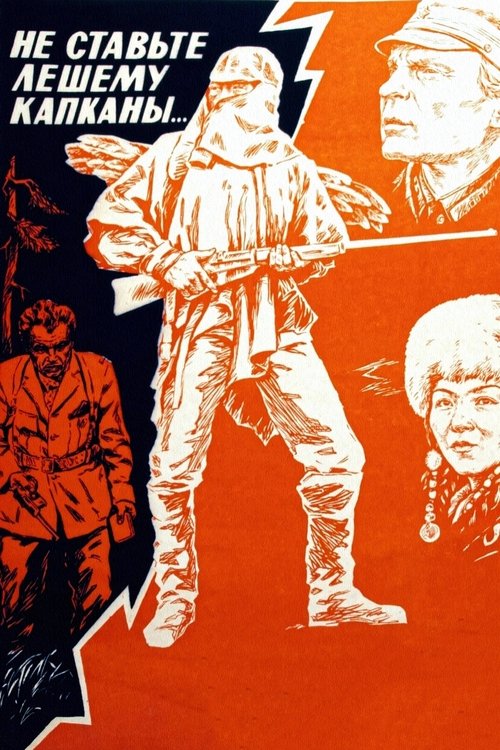
The civil war is over, and a new life is being established in the land of Khakassia. However, the remnants of the remaining gangs hiding in the taiga and terrifying the frightened locals still make themselves known. Soldier Sigdy Kirzhebekov gets an assignment to infiltrate one of the gangs and "disarm" it from the inside.
Story of the first Komsomol secretary of Turkestan Abdullah Nabiyev.