Emília Haľamová
Acting
Known For
No description available.
Jedenáste prikázanie
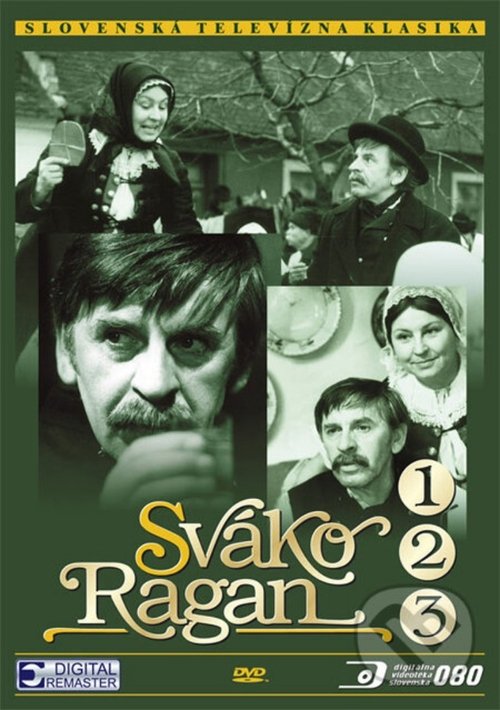
Resourceful tanner Sváko Ragan travels Myjava’s fairs and markets, using wit and dialect to spin both wins and misadventures into profit.
Sváko Ragan
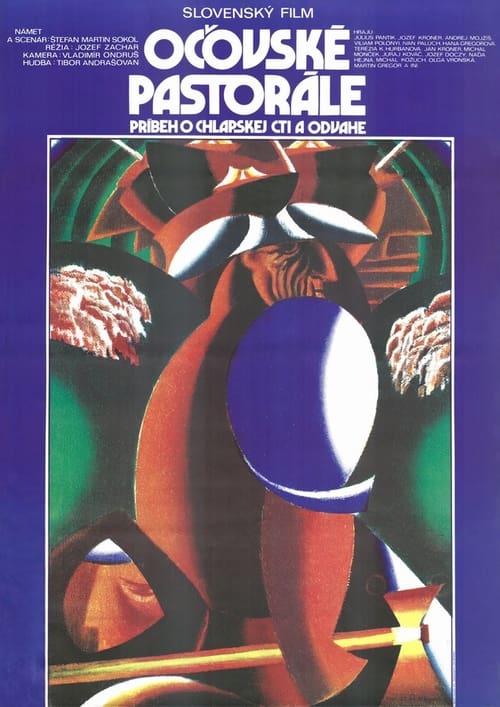
The story of a peasant whose harshness and bluntness only provoke disputes and anger, and his honesty and sense of truth and honor in conjunction with the previous qualities only exacerbate these disputes. The Slovak village with its collective farming, confronted with the habits of a square nature, raised by private farming, creates the main plot and conflict. In parallel, there is a lyrical motif of the young generation, whose love relationships do not care about the old ridiculous anger of the old generation.
Očovské pastorále
No description available.
Mŕtve duše
No description available.
Miesto v dome
No description available.
Stávka s čertom
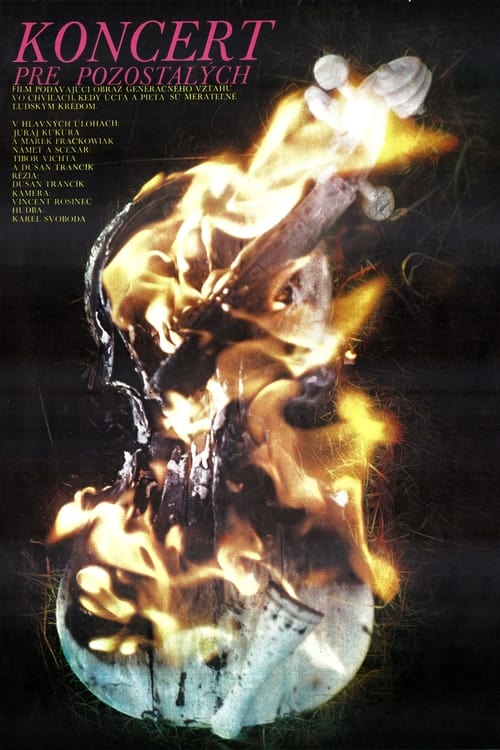
A picture of generational confrontations between children and parents. A young and ambitious violin virtuoso, Peter, lives in long-lasting conflicts with his father. Only after his death Peter realizes how much he had been hurting his father. Still, not even the tragedy can make a change in his shallow life in stereotype.
Concert for the survivors
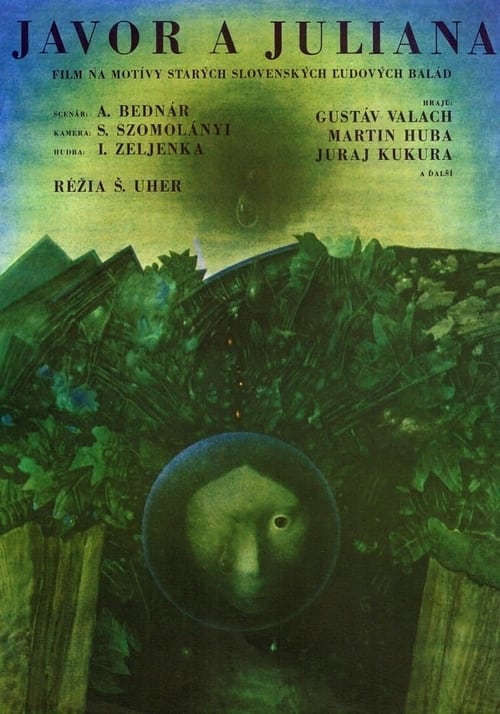
A girl is transformed into a maple tree by her impulsive and angry mother. Three poor wandering musicians come by the tree and create instruments from it. Walking around the country instead of happiness they bring death everywhere with their cursed instruments. However they cannot get rid of them, unless they bury the wooden instruments at the place of the tree. The three are anything but harmonious, each taking in their disputes various stances.
Maple and Juliana
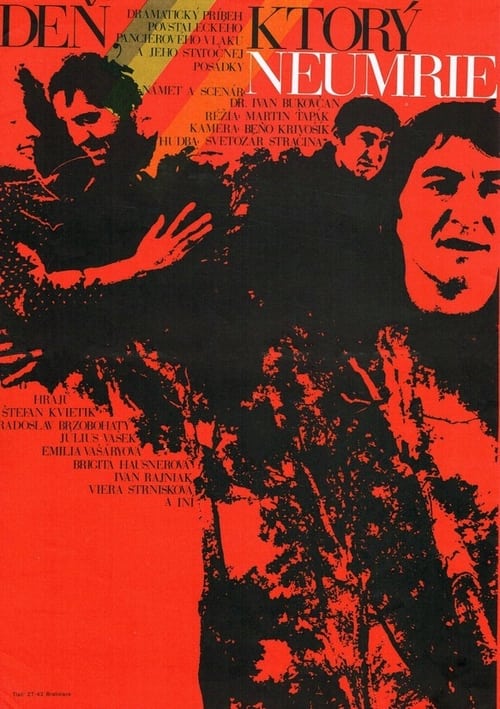
In the story of a partisan armored train crew operating in the rebel territory of Slovakia, the inner drama of Matúš Siroň, who hates war with a passion, unfolds. After managing to escape from the Eastern Front, he falls into German captivity. When he is liberated by partisans during a train transport, he initially refuses to fight. However, the circumstances of the Slovak National Uprising force him to change his mind...
Deň, ktorý neumrie
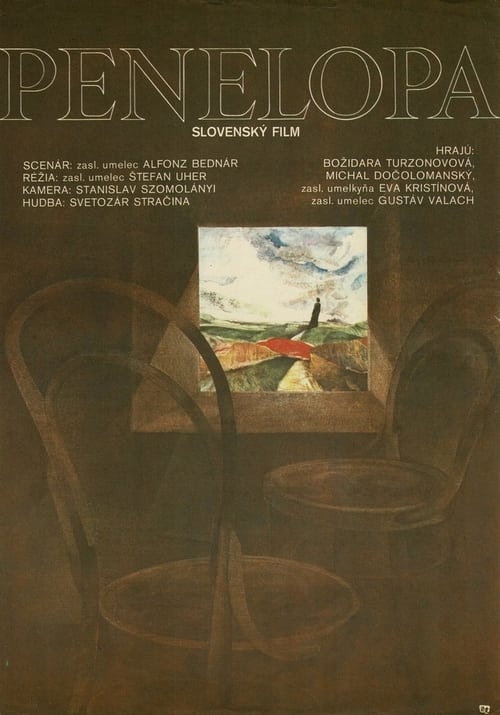
An emancipated restorer restores rare castle frescoes in an ancient village with figures of ancient heroines - and one of them, Penelope, resembles an old woman who has been waiting for the return of her husband and son for forty years, who have supposedly gone to work in America.
Penelopa
A psychological film depicting the professional beginnings of a young architect. As the head of a design studio, his uncompromising attitude arouses hostility and hatred from colleagues and subordinates accustomed to an easy life through patronage and bribery.
Zbohom, sladké driemoty
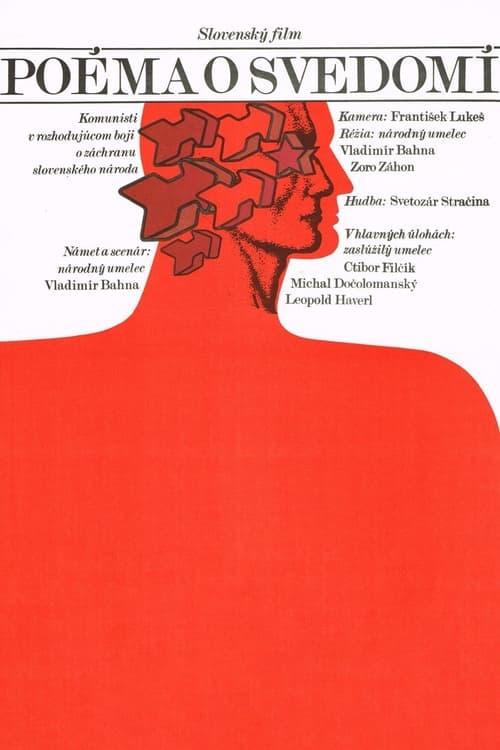
Historical reconstruction of the events of the anti-fascist struggle in Slovakia in 1943 and 1944.
Poéma o svedomí
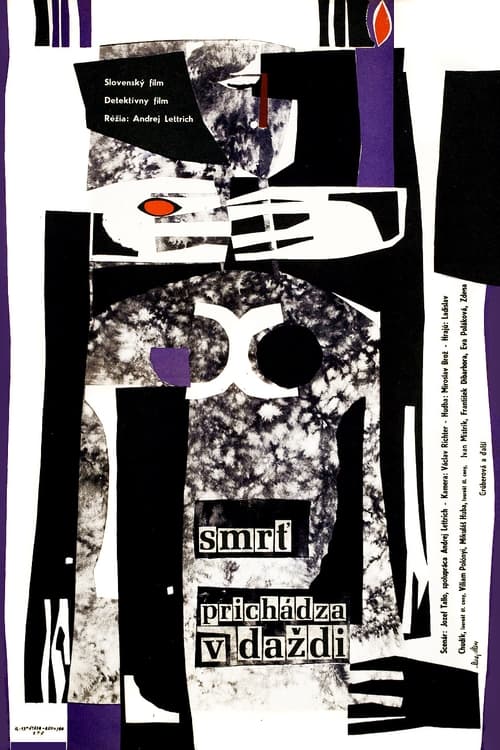
A Slovak detective story set in contemporary Bratislava and featuring ordinary people with their own everyday problems. The violent death of Olga Holešová places them under heavy suspicion of murder. A series of strange coincidences and circumstances complicate the investigators' work. Her husband's infidelity, the loss of a large sum of money that the treasurer Fiala is supposed to replace, a lawyer earning extra money by doing various odd jobs - all these are confusing clues, among which investigator Jakubec eventually finds a thread that will lead him to the correct solution to the case.
Smrť prichádza v daždi
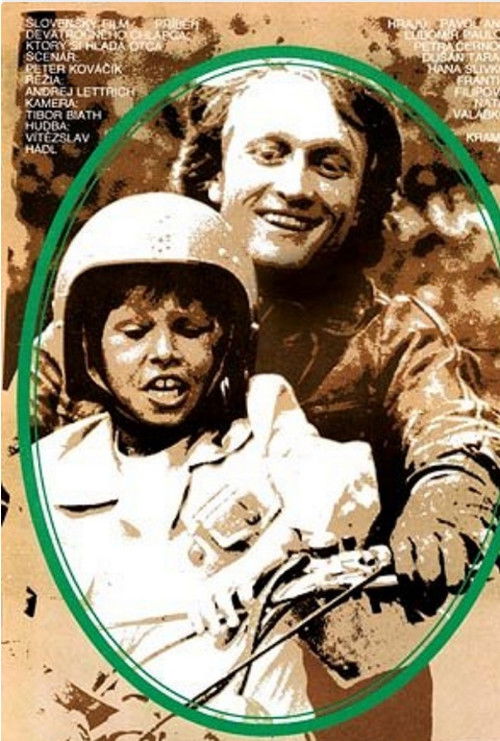
Small Yozko, who lives with his mother, dreams of a real father, whose ideal is embodied in a tractor motorcyclist on Formula nickname. However, his mother perceives cheerful cool formula, finding it, like many villagers, frivolous. Friendship Formula fills the boy his father's absence, and Yozko increasingly tied to his friend. Suddenly received a telegram from the actual Yozko father, his mother will have to take a difficult decision, but life itself makes adjustments ...
Otec
No description available.
Prstienky z kukučiny
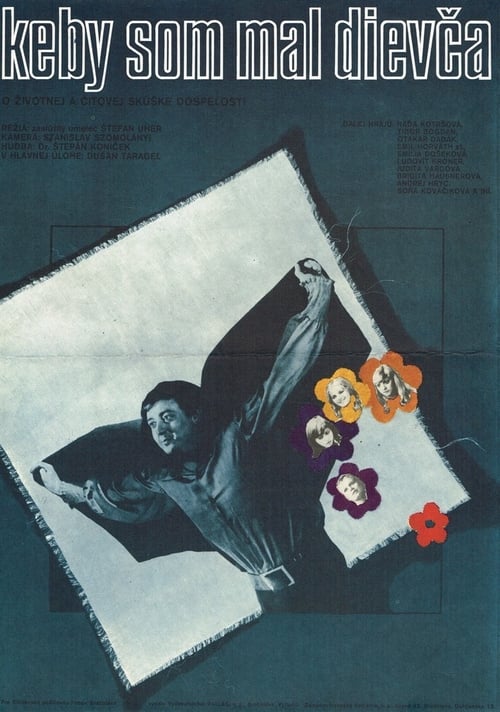
Vlado has just passed his high school diploma and is starting a job as a home tutor in the family of a big businessman. He finds himself in a very difficult turning point in 1947-48. He does not understand much of what is happening around him. He constantly experiences emotional confusion, comes into conflict with his conscience and finally has to decide between love and reason...
If I Had a Girl

A film based on short stories by K. Przerwu-Tetmajer's Grey Eyes and M. Urban's Melted Heart. The heroines of both stories are young women with the same name - Kristka. They fight for their love, they both love with humility and surrender, but when necessary, they can be decisive and uncompromising. One is cruel in her love, the other fights for it with touching tenderness and kindness. These are not idyllic loves; they are full of life, full of raging blood...
Krutá ľúbosť
Slovak movie is based on the novel by the prominent representative of Slovak prose František Hečka, who was in 1952 awarded the State Prize. The novel and the movie successfully capture the development of Slovak village after the liberation in 1945. The narrative is centred around the characters of the old Púplava, who after the liberation begins to organise a new village life, and his struggle for the construction of settlements Mrzáčky, burnt by the fascists. It is centred around the conflict, greatly reflecting the situation of the countryside at this time: the conflict between the rural poor and the rural rich. In the movie, a rich personal and emotional life of other heroes pulsate besides the main storyline. The movie ends with the final defeat of the reactionary forces by Communists in February 1948, taking over all power in the state of workers and peasants. - "The Wooden Village" is released in celebration of the 7th anniversary of the Communist February Victory.
The Wooden Village
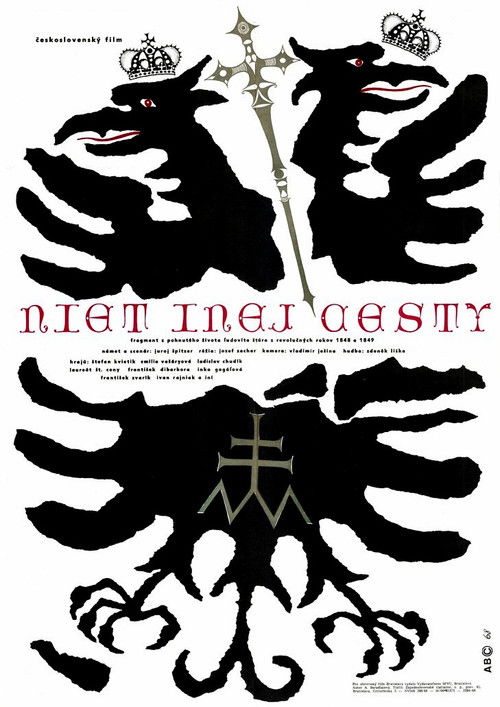
A biographical film about the Slovak nationalist Ľudovít Štúr. It captures the revolutionary events of 1848 in Austria-Hungary, when Štúr, as a member of the Diet, led the fight for the national rights of the Slovak people.
Niet inej cesty
At the beginning of normalization, stories emphasizing civic awareness once again prevailed. The hero here is a teacher from a small village in the foothills, whose inhabitants help the partisans in their fight against fascism. The hero, the only intellectual among them, agrees with them and educates not only his students in this spirit, but is also prepared to lay down his life for his ideals. When German soldiers occupy the village and force the teacher to cooperate, the model situation escalates.