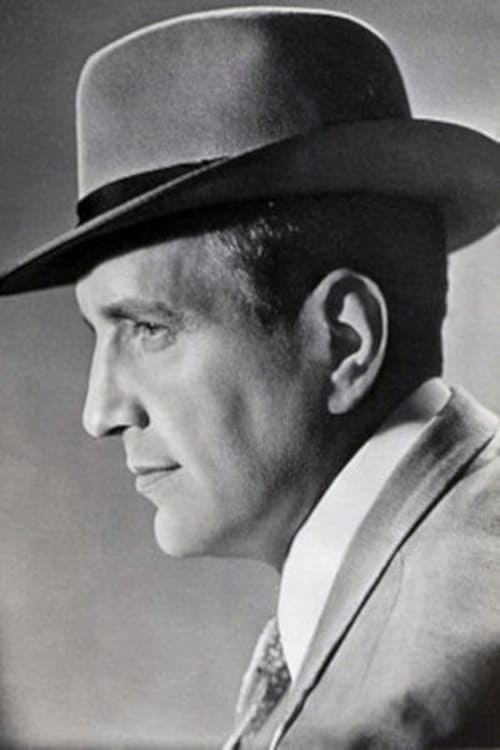
Vyacheslav Gostinsky
Acting
Known For
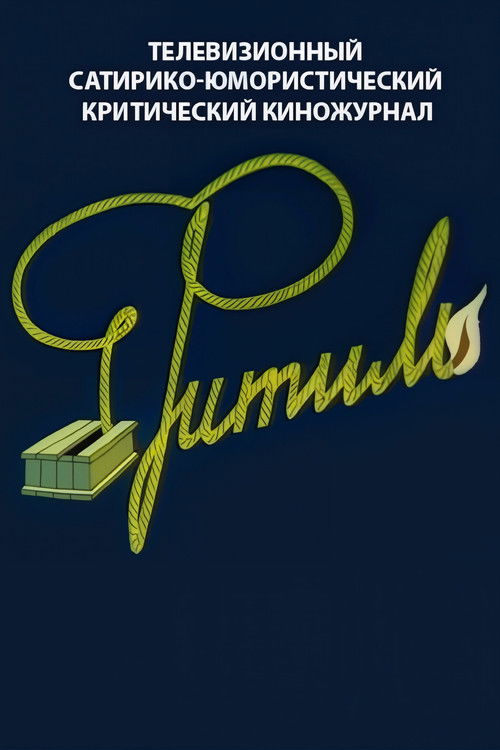
Fitil is a popular Soviet/Russian television satirical/comedy short film series which ran for about 500 episodes. Some of the episodes were aimed at children, and were called Фитилёк, Fitilyok, Little Fuse. Each issue contained from the few short segments: documentary, fictional and animated ones. Directed by various artists, including Leonid Gaidai who presented his famous trio of Nikulin, Vitsin and Morgunov into the cast. It was called in USSR as "the anecdotes from the Soviet government".
Fuse
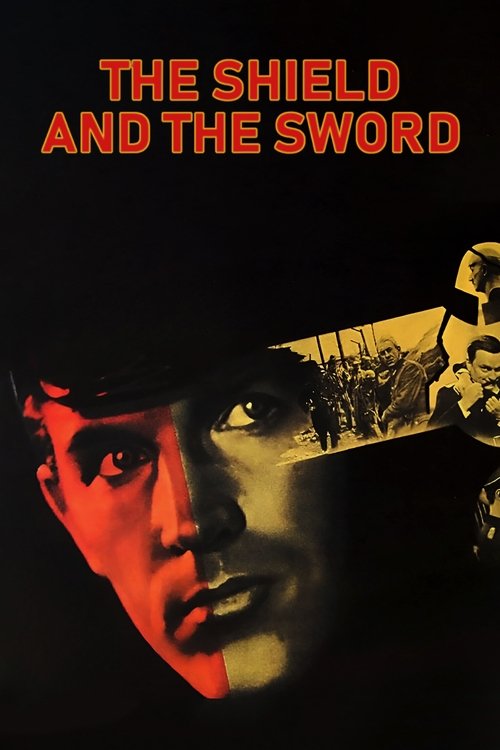
The year is 1940 and Nazi Germany is at the height of its military prowess, having captured most of Europe and eyeing the Soviet Union to the East. The Russian military command suspects hostile intent from Germany and so arranges for its spies to infiltrate ranks of the German military and the SS. Alexander Belov is a Russian spy, who travels from Soviet-held Latvia to Nazi Germany under an alias of Johann Weiss. His mastery of the German language, steel nerves and an ability to manipulate others help him to use his connections in the SS to ascend the ladder of the German intelligence. He uses his position to identify sympathetic Germans, who help him to procure vital intelligence, and to help local resistance movements in their collective fight against Nazism.
The Shield and the Sword
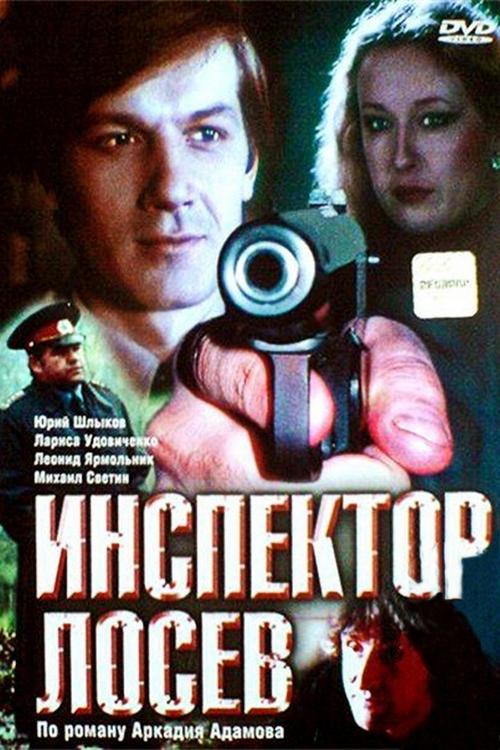
The series tells about how police officers, investigating the case of robberies and murders in hotels, managed not only to neutralize, but also to expose major plunderers of socialist property.
Inspector Losev
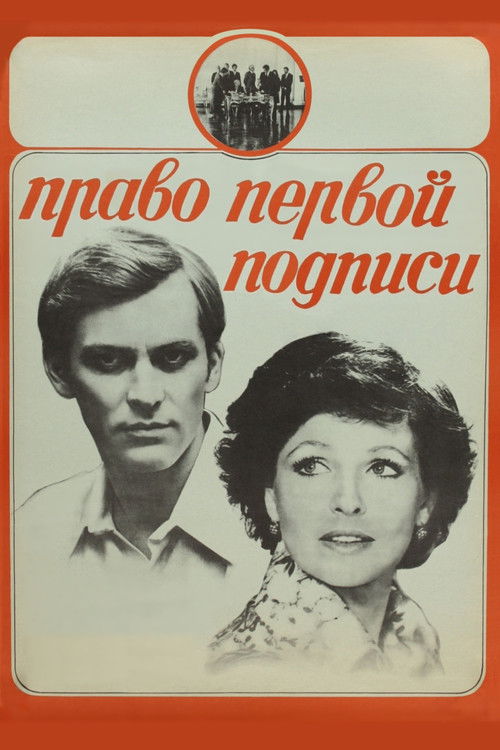
An employee of the foreign trade association Kazakov makes an offer to the American businessman Vikas to invest in the construction of a chemical plant. It was decided to build it on the site of a gasification station in Nizhne-Pechorsk. Vikas' decision to conclude a contract for the construction of the plant becomes known to American businessmen, who are not interested in this cooperation. Ron Kluger comes to Moscow to interfere with the negotiations...
Right of First Signature
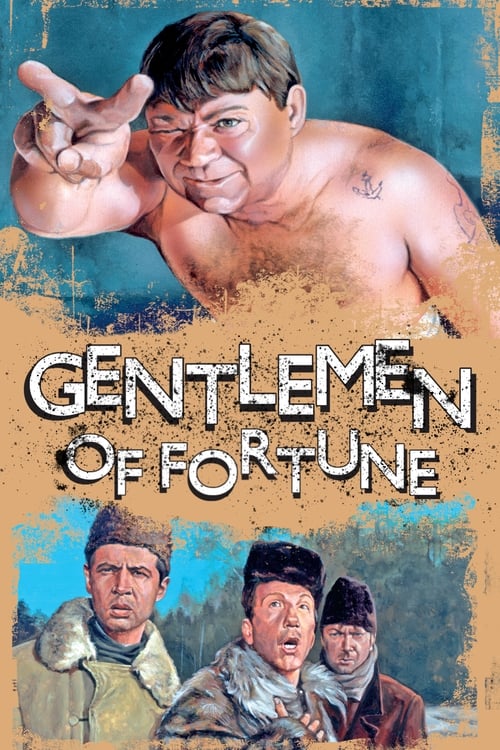
Kindergarten teacher Evgeniy Ivanovich Troshkin is reluctantly sent undercover to take the place of an imprisoned thief who stole Alexander the Great's helmet. Evgeniy uses his striking resemblance to the thief to infiltrate his gang and learn the location of the stolen artifact. He finds the gangsters are unexpectedly similar to his students- they also need love and care.
Gentlemen of Fortune
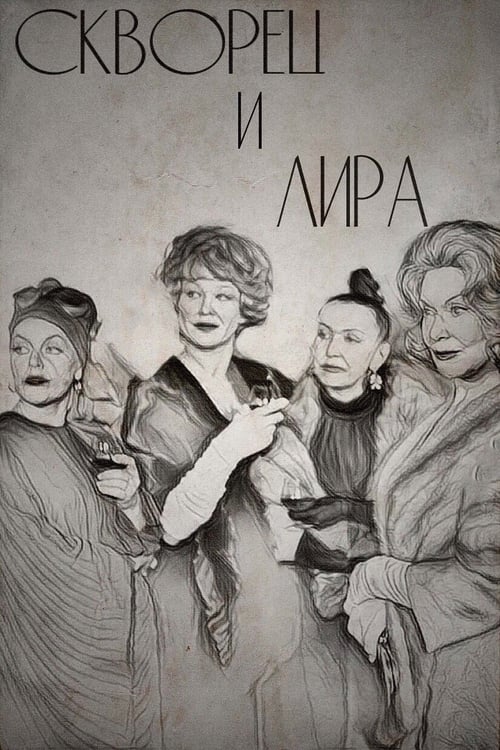
Soviet intelligence spouses — Lyudmila ("Lyre") and Fyodor ("Starling") Grekov at the beginning of the Great Patriotic War are tasked with settling in Germany. Personnel intelligence officers with vast experience are successfully introduced into German society and begin to work actively. At the end of the war, during the bombing of Berlin, fate separates them, but then they will meet in the new Germany and continue their work.
Starling and Lyre
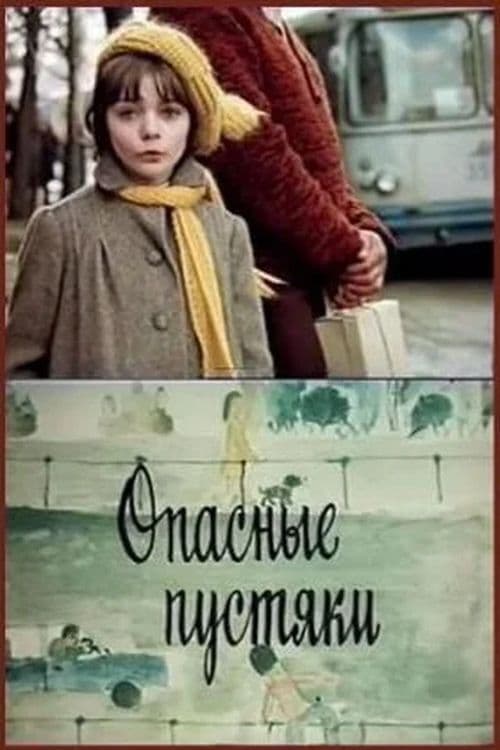
A short film commissioned by the traffic police.
Dangerous Trifles
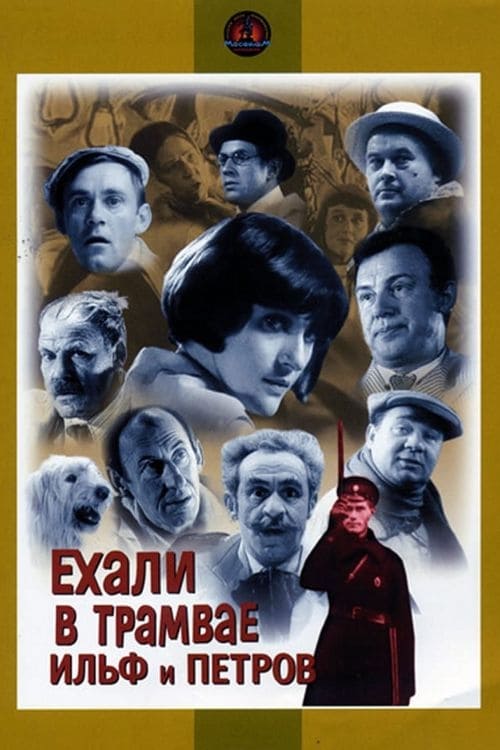
The film tells about the life of the Soviet country in the 30s of the twentieth century, based on the feuilletons and notebooks of famous writers Ilya Ilf and Eugene Petrov…
Ilf and Petrov Rode in the Tram
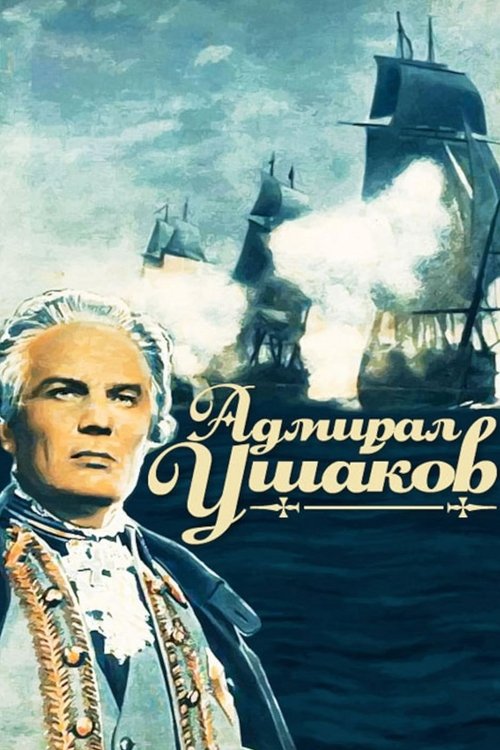
Historical epic about the legendary Russian naval commander of the 18th century, admiral Fyodor Ushakov, and his fight for Crimea during the Russo-Turkish War.
Admiral Ushakov
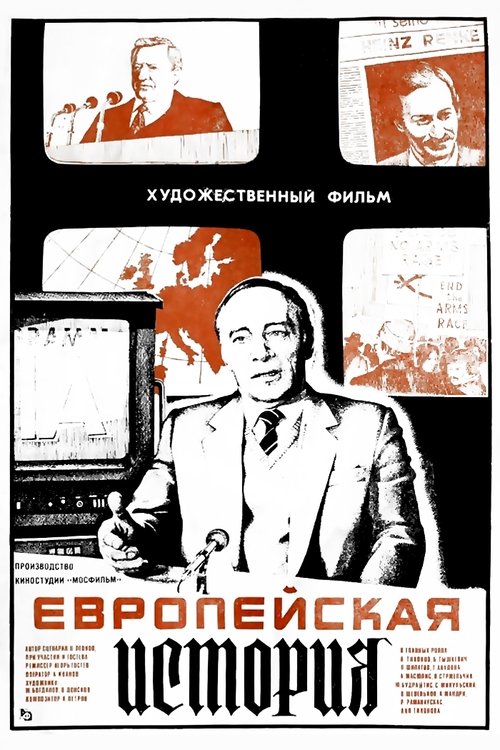
Two candidates are vying for the post of mayor of one of the major Western European cities - the Social Democrat Dr. Hayden and the "free nationalist" Alden. On the eve of the election, an independent journalist receives documents confirming Alden's connection with the secret services. He becomes the object of blackmail, but does not change his intentions to expose Alden.
European Story
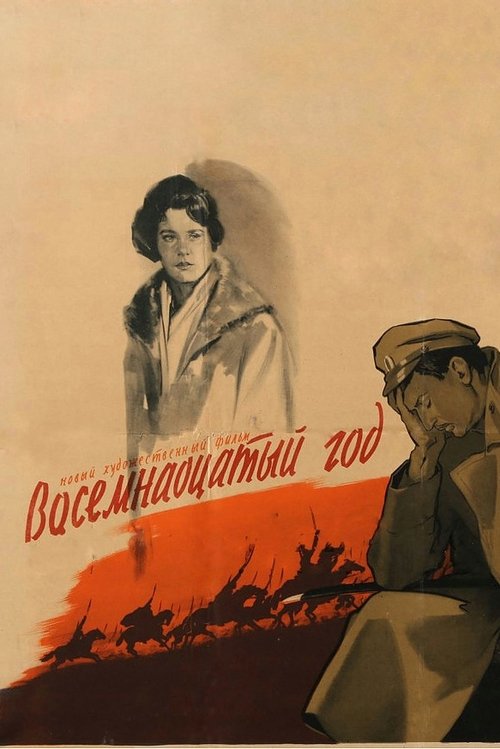
Swept up in political unrest during World War I, two sisters in St. Petersburg cope with turbulent romances as Russian history is made around them.
The Year 18th
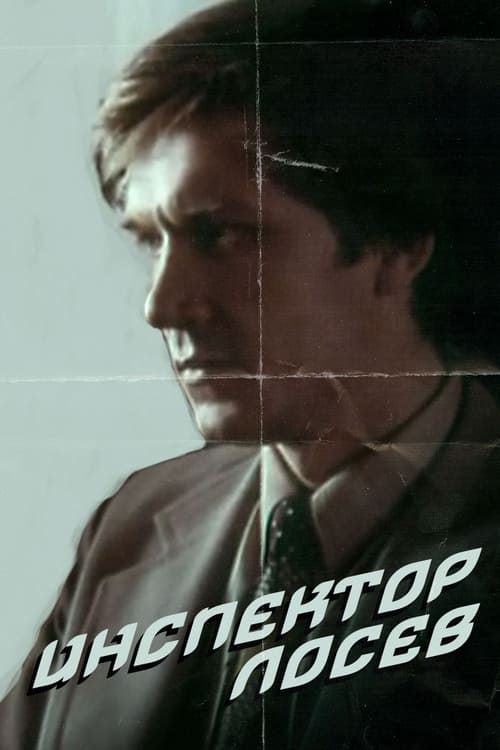
A classic mystery story based on Arkadi Adamov novels. A task force is investigating a series of routine thefts at hotels. Upon closer examination of the case, young criminal investigator Vitaly Losev unexpectedly uncovers major players in the shadow economy who were involved in speculation and theft of state property.
Inspector Losev

A funny comedy about a very adventurous day in a life of Stepan Molodtsov - a very responsible young man.
Dangerous for Your Life!
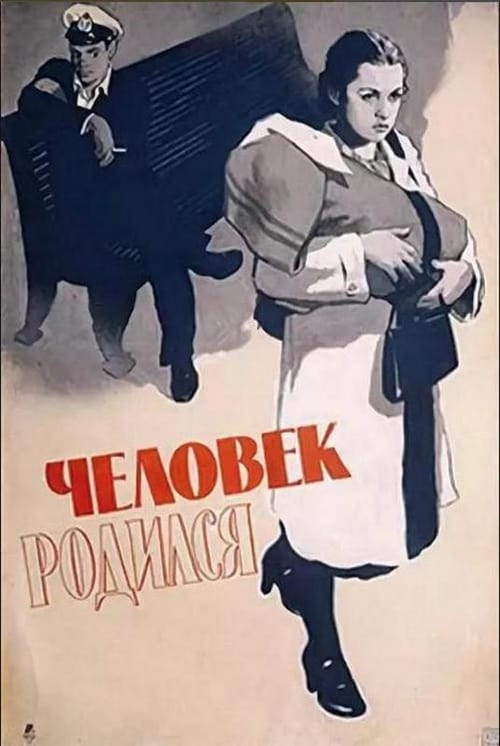
A story of a young girl going through the number of hard events in her life.
A Man Was Born

A Russian engineer Petr Garin possesses a unique beam-shooting weapon that can destroy any target. His goal is to achieve world domination with the help of this weapon. Vasily Shelga is out to stop him and also to prevent others getting possession of this weapon.
The Hyperboloid of Engineer Garin
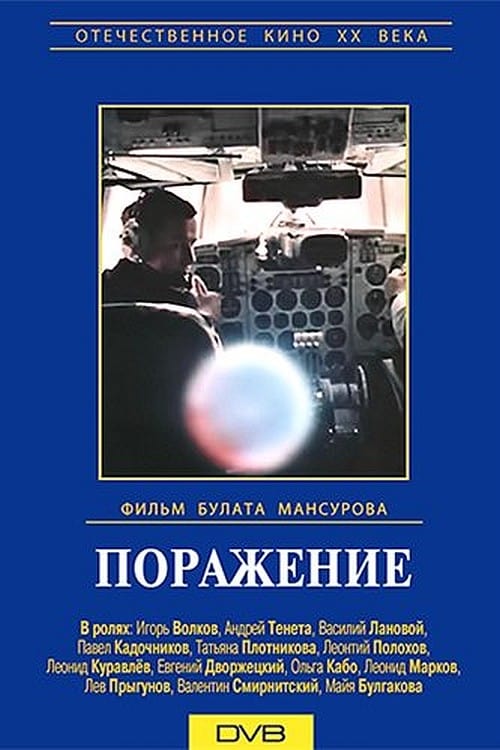
A 4-partmade-for-television feature film. Two young physicists, engaged in the problems of atmospheric electricity and the study of thunderstorm phenomena, both disciples of Professor Dankevich, a talented, straightforward, incorruptible man, unwavering in his principles. Dankevich endeavored to instill this uncompromising fight for honesty in science to the young scientists. And one of them, Sergey Krylov, lives up to the professor's expectations by continuing his work...
Defeat
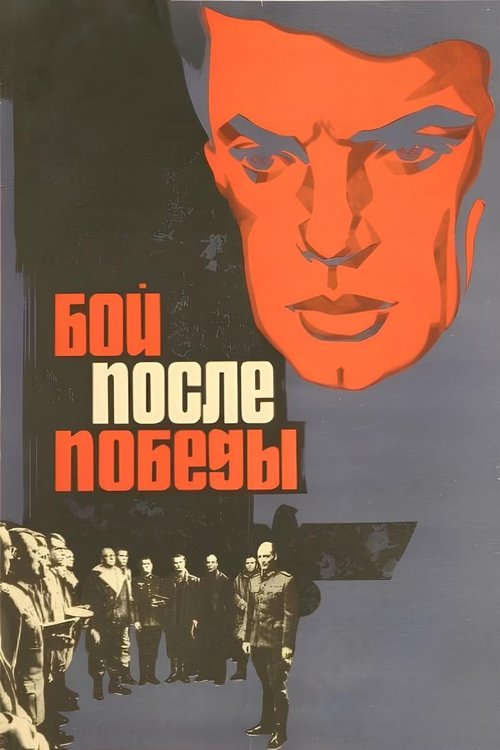
A third part of story about a Soviet spies trying to infiltrate German Intelligence center "Saturn" during and after the WWII.
The Battle after the Victory

Based on the novel of the same name by Leonid Leonov. Young Polya comes to Moscow: she wants to find her father, Professor Vikhrov, and try to understand why her mother broke up with him. Vikhrov is a prominent scientist who has defended the forest from barbaric destruction all his life. The war begins. Professor Vikhrov continues to lecture, proving to students the need to protect the forest. Polya is trying to find out the reasons for the long-standing feud between her father and academician Gratsianskiy. Now, when Vikhrov is already not young and lonely, the professor mentally returns to the past...
The Russian Forest
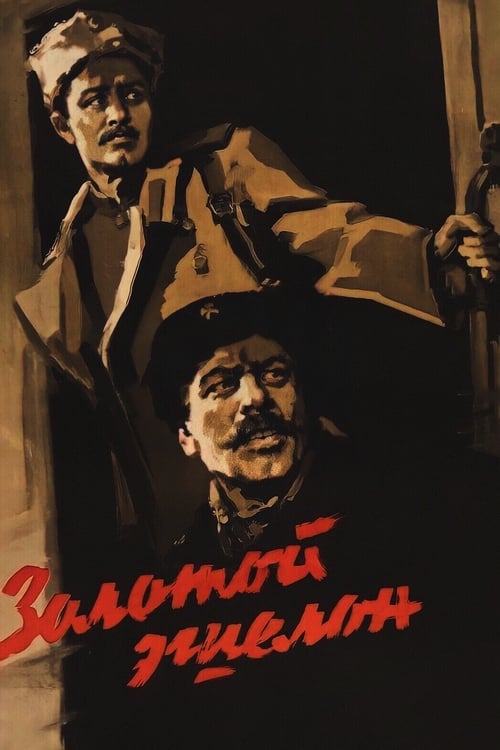
1919 year. There is a civil war in Siberia. Taking advantage of the complete confusion, Admiral Kolchak wants to export part of the country's gold reserves abroad. At the very last moment the Bolsheviks find out about it. They decide to intercept the train, but do not have time to properly prepare the operation... The girl Nadya, in whom the head of the train is passionately in love, can save the situation. Several kilometers of railway tracks to the border become a battlefield between white and red.
The Golden Echelon
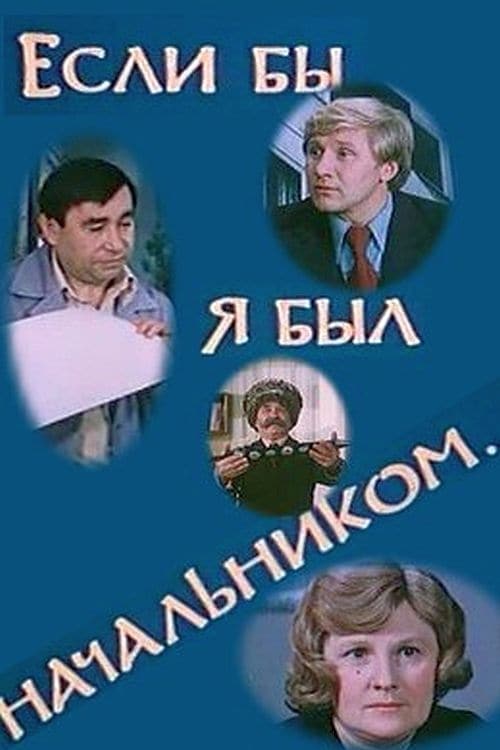
Fyodor Stepanovich, the head of SMU, once discovered his striking resemblance to an auxiliary worker, Petya. It turns out that the latter had always been jealous of the boss and dreamed of taking his place. Fyodor Stepanovich, completely overwhelmed with work, decided to meet Petya's needs.