Acting
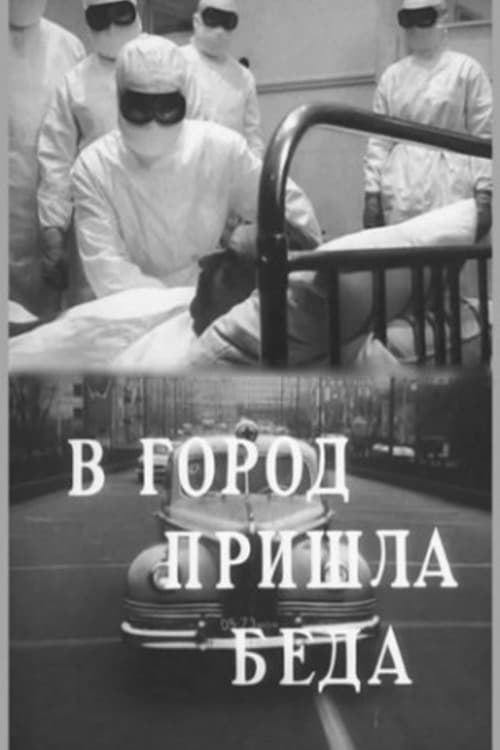
In 1960, in Moscow, numerous cases of infection with purple pox were recorded. According to doctors, the virus came from eastern countries. In order not to create panic among the population, they tried to hide the fact of the epidemic. Doctors tried to cope with the disease, but the number of deaths increased, and information inexorably leaked into society ...
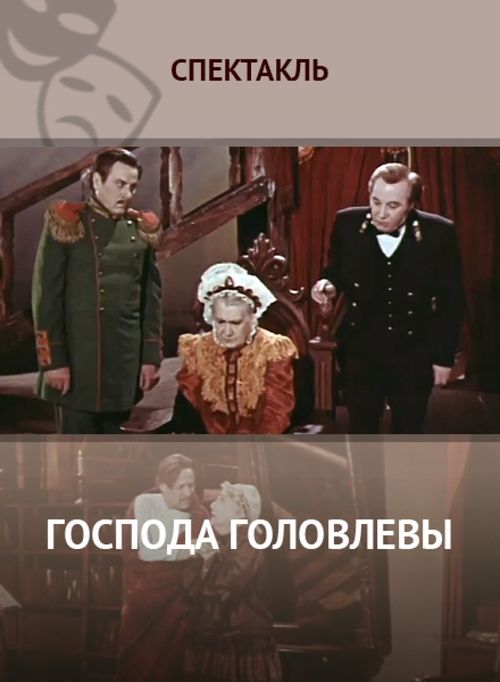
Based on the eponymous novel by A.I. Herzen.
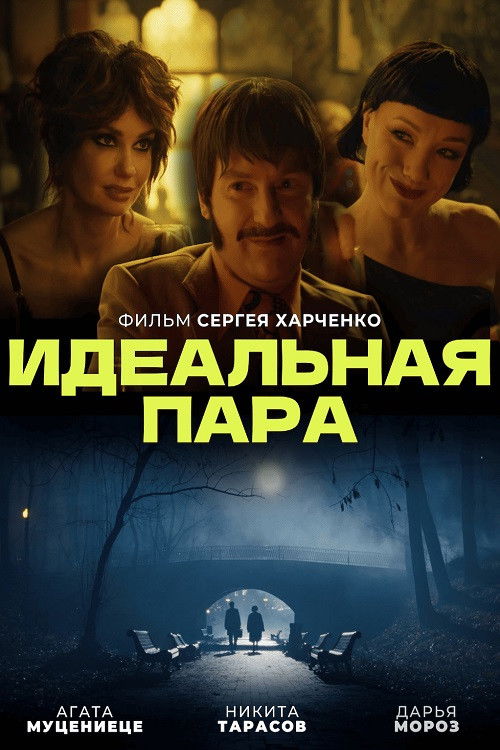
Bridget is in an eternal search for her ideal match. Desperate, she decides to do the opposite - invite a random stranger from the bar, Andrei, to her home. But a surprise awaits both of them, the strangers are not what they seem...
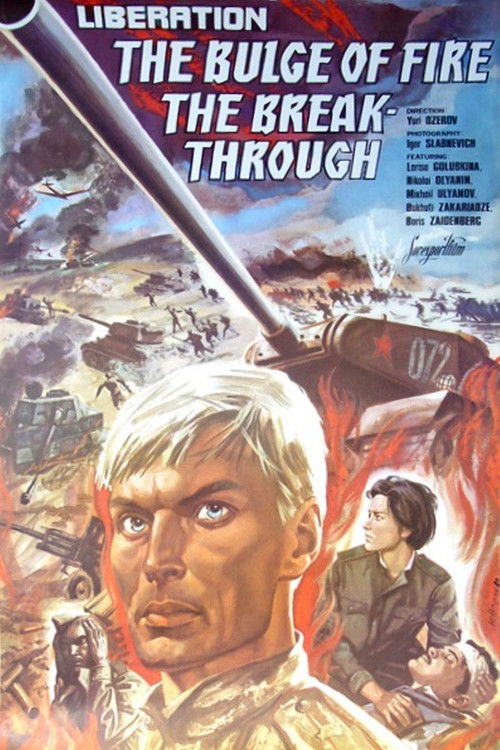
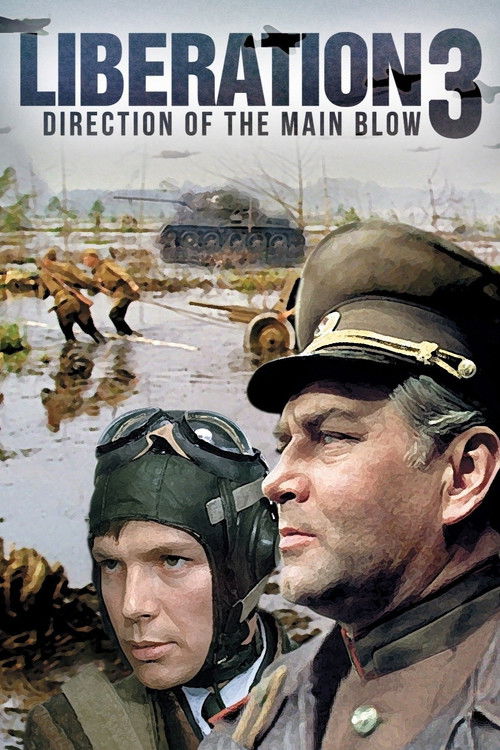
The "Fiery Arc" tells of a grandiose battle on the Kursk Bulge in the summer of 1943. Here was the largest tank battle in the history of World War II. Along with the personal fate of the heroes, the film shows battle scenes, the activities of headquarters and intelligence, those who worked at the front and in the rear.
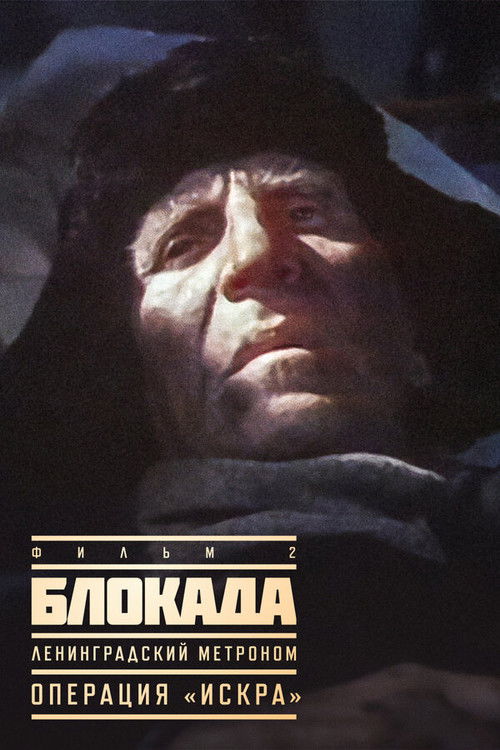
"Iskra" is the codename for the plan of the operation of the Soviet troops to break the blockade of Leningrad. In January 1943, the blockade of Leningrad was broken. A corridor 8-11 km wide was formed between Lake Ladoga and the front line.
On a gloomy March 1881, an old, sick man was dying in the Nikolaevsky military land hospital in St. Petersburg. Delirium tremens had done its dirty work: there was no hope for recovery. And this “old man” had just turned 42 years old, and it was the great Russian composer Modest Petrovich Mussorgsky. Who knows what visions, what memories swarmed in his fevered imagination in rare moments of enlightenment?
Early 20th century. Two village boys, brothers Semyon and Pavel, work as servants for a Moscow merchant. They face harsh exploitation and hard labor. The brothers' paths diverge. Unable to endure the merchant's abuse, Pavel leaves for a factory, becomes a worker, and later a revolutionary. Semyon remains in service. In the post-revolutionary period, Semyon, having served at the front and returned to the village, joins the kulaks and brutally cracks down on representatives of the Soviet government, becoming the leader of a gang of "badgers" hiding in the forests. A Red Army detachment led by Pavel is sent to fight the bandits.
A staging of the play of the same name at the State Academic Maly Theater of the USSR.
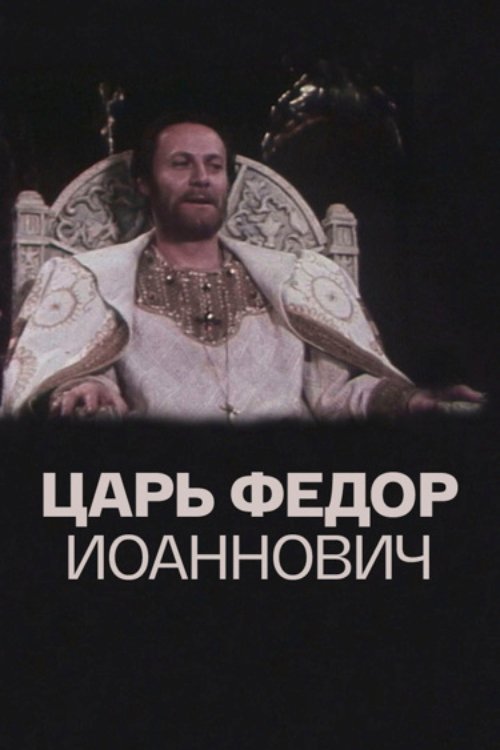
Trying to stop the fratricidal bloodshed started by his father - John the Terrible, Tsar Fyodor gave away power and led Russia to turmoil.
This five part epic war drama gives a dramatized detailed account of Soviet Union's war against Nazi Germany during world war two. Each of the five parts represents a separate major eastern front campaign.
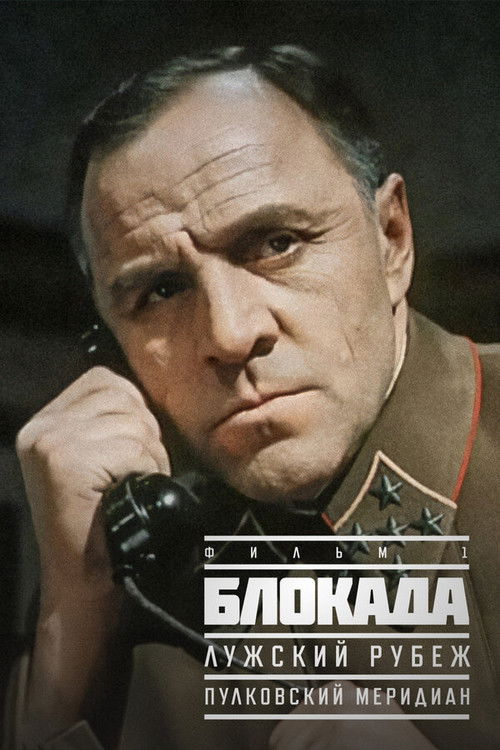
Autumn 1941. German tank troops are making another attempt to break through to the Uritsk and Pulkovo Heights. During heavy fighting, Soviet troops managed to stop the offensive of fascist tanks one and a half kilometers south of the Pulkovo Observatory. The 900 days of the blockade and the incredible courage of the Soviet people were approaching ...
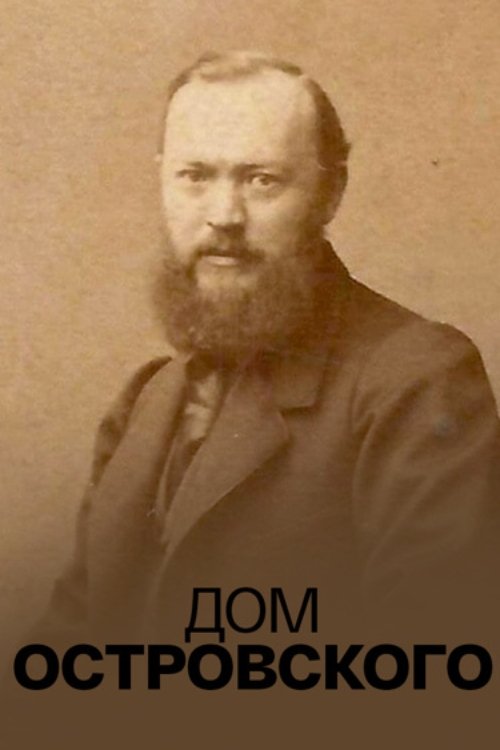
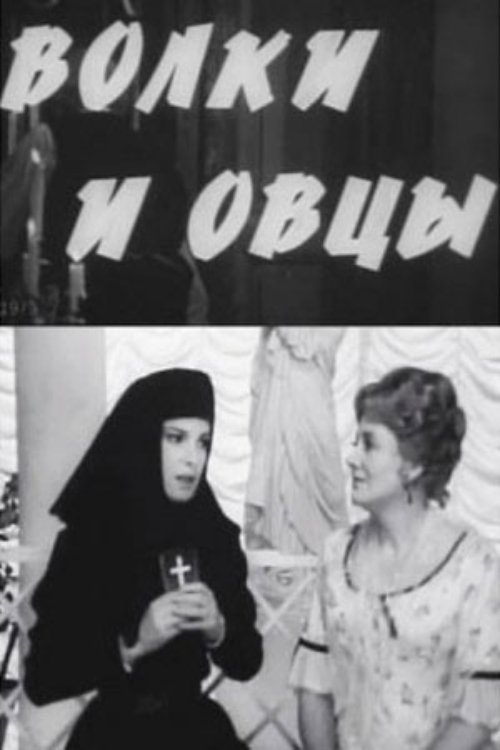
A production of the State Academic Maly Theater. The film, dedicated to the memory of Alexander Nikolayevich Ostrovsky, includes fragments of plays based on the playwright's plays: "We'll settle accounts with our own people", "Thunderstorm", "Wolves and Sheep", "The Abyss", "The Snow Maiden", "The Heart is not a Stone", "It Shines but Doesn't Warm", "Mad Money", "The Truth is Good, but Happiness is Better", and "It's not all for naught".
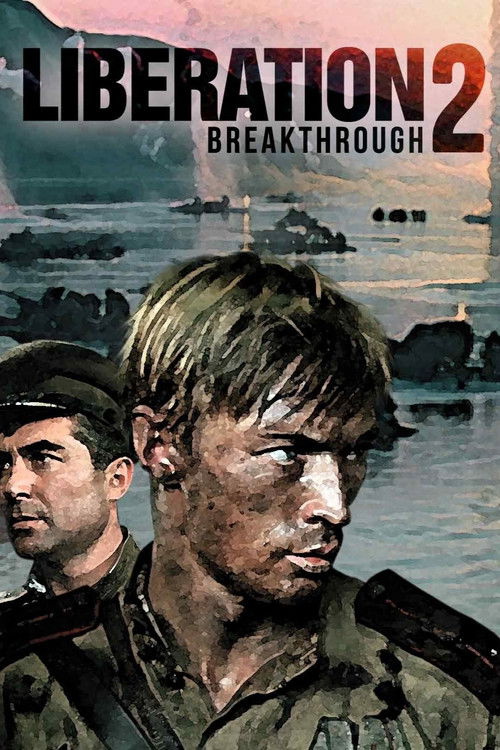
Fascist Italy's prime-minister Mussolini is arrested following the Allies landing in Sicily. Meanwhile, Soviet troops plan their offense towards Kyiv. Lt. Col. Lukin's regiment crosses the Dnieper river as the division's vanguard. Unbeknownst to them, they're merely a ploy to mislead the Germans so the rest of the army can catch them off guard.
In June 1941, the Extraordinary Defense Headquarters of Leningrad, under the leadership of Zhdanov and Voroshilov, decided to build the Luga defensive line. Heavy fighting west of Pskov forced units of the front to withdraw, and on July 9, Pskov was also abandoned. The battles in the Luga direction held back the enemy. The first attacks of the Germans, intending to cross the Luga line on the move, were repulsed with heavy losses for them.
Based on the play of the same name by Maxim Gorky.
Tenth-graders from one of the city schools came for a two-week internship at a neighboring timber industry enterprise. At first the guys felt like tourists. But participation in forest planting under the leadership of forester Yuri, a true enthusiast of his work, awakened in them a feeling of love for their native nature.
A story about the morals of 19th-century Russian nobility resonates in a striking way with the realities and ethical values of our own time. Emotions are paid for with money — money that is ruthless and destructive. A timely tale of a “spiritually impoverished” man of great wealth, confident in his power and certain of how to achieve his goals.
Boris Zhadanovsky, a hereditary nobleman and officer who was predicted to have a brilliant military career, sides with the rebellious people. In 1905, Zhadanovsky is sentenced to death for his revolutionary activities. However, a powerful strike movement organized in response to the court's decision forces the tsarist government to commute the sentence to life imprisonment. After the revolution, Zhadanovsky joins the Red Army and dies fighting the White Army.
Teleplay based on the novel of the same name by M.E. Saltykov-Shchedrin, staged at the USSR State Academic Maly Theater.
Ostrovsky and the Maly Theatre tell us an age-old story, as old as the world itself, about how some people are destined to be simple and meek, like sheep, while others are predatory and dangerous, like wolves. However, sometimes even the most seasoned predator finds themselves in a bind...