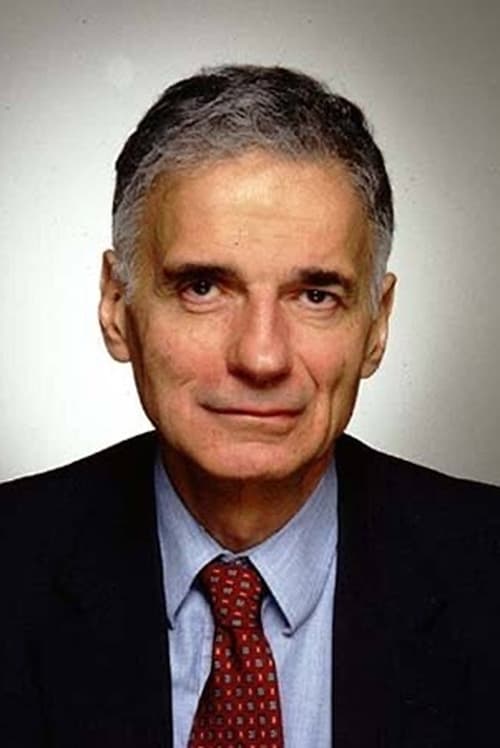
Ralph Nader
Acting
Biography
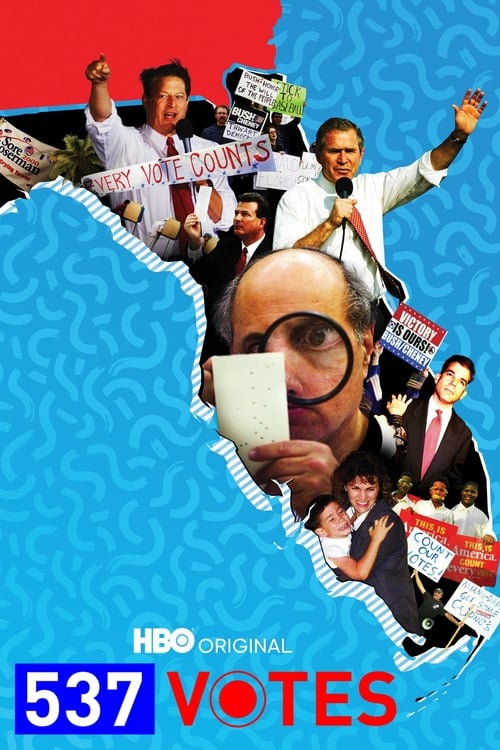
Ralph Nader (born February 27, 1934) is an American political activist, author, lecturer, and attorney noted for his involvement in consumer protection, environmentalism, and government reform causes. He became famous in the 1960s and 1970s for his book Unsafe at Any Speed, which criticized the automotive industry for its safety record and helped lead to the passage of the National Traffic and Motor Vehicle Safety Act in 1966. The son of Lebanese immigrants to the United States, Nader attended Princeton University and Harvard Law School. He first came to prominence in 1965 with the publication of the book Unsafe at Any Speed, a highly influential critique of the safety record of American automobile manufacturers. Following the publication of Unsafe at Any Speed, Nader led a group of volunteer law students—dubbed "Nader's Raiders"—in an investigation of the Federal Trade Commission, leading directly to that agency's overhaul and reform. In the 1970s, Nader leveraged his growing popularity to establish a number of advocacy and watchdog groups including the Public Interest Research Group, the Center for Auto Safety, and Public Citizen. Two of Nader's most notable targets were the Chevy Corvair and the Ford Pinto. Nader made four bids to become President of the United States, running with the Green Party in 1996 and 2000, the Reform Party in 2004, and as an independent in 2008. In each campaign, Nader said he sought to highlight under-reported issues and a perceived need for electoral reform. He received nearly three million votes during his 2000 candidacy, but also stirred controversy over allegations that his campaign helped Republican candidate George W. Bush win a close election against Democratic candidate Al Gore. A two-time Nieman Fellow, Nader is the author or co-author of more than two dozen books and was the subject of a documentary film on his life and work, An Unreasonable Man, which debuted at the 2006 Sundance Film Festival. He has been repeatedly named to lists of the "100 Most Influential Americans", including those published by Life, Time, and The Atlantic. The New York Times described him as a "dissident".