Norman Rosenthal
Acting
Known For
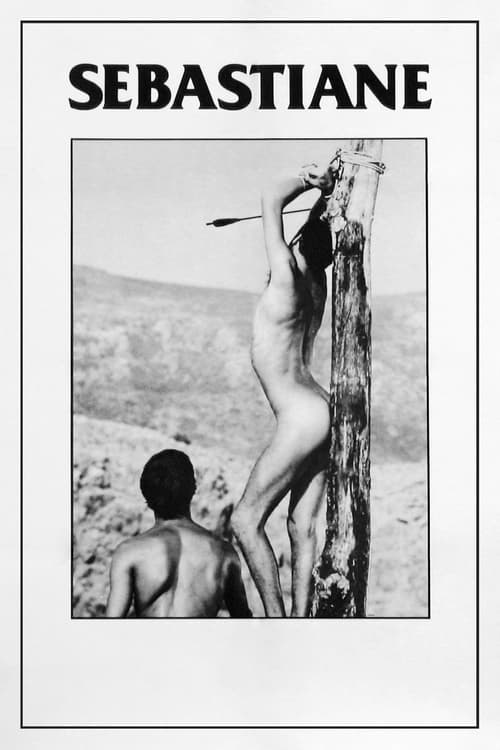
Rome, AD 303. Emperor Diocletian demotes his favourite, Sebastian, from captain of the palace guard to the rank of common soldier and banishes him to a remote coastal outpost where his fellow soldiers, weakened by their desires, turn to homosexual activities to satisfy their needs. Sebastian becomes the target of lust for the officer Severus, but repeatedly rejects the man's advances. Castigated for his Christian faith, he is tortured, humiliated and ultimately killed.
Sebastiane
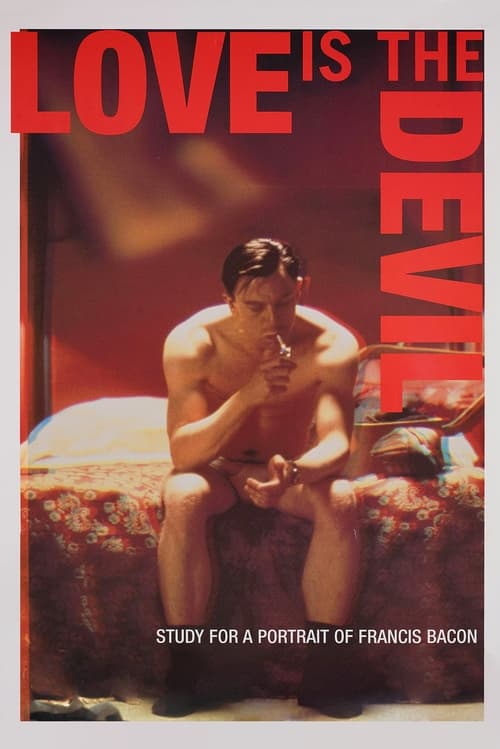
In the 1960s, British painter Francis Bacon surprises a burglar and invites him to share his bed. The burglar, a working class man named George Dyer, accepts. After the unique beginning to their love affair, the well-connected and volatile artist assimilates Dyer into his circle of eccentric friends, as Dyer's struggle with addiction strains their bond.
Love Is the Devil: Study for a Portrait of Francis Bacon
A series which looks at the diversity of gay life through a mixture of documentary, drama, music and comedy.
Six of Hearts
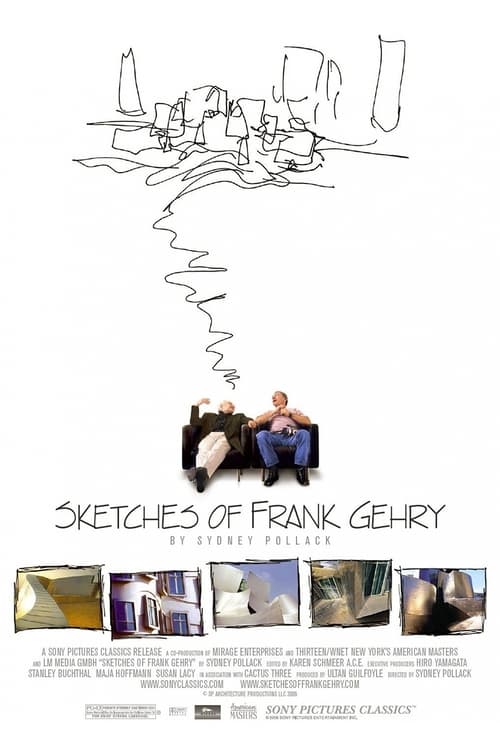
First and foremost, Frank Gehry is an artist. Described as a young child as having golden hands, Frank begins his creation through sketch. Forming thought into substantive sculpture, the marriage of art and architechure is brought to life. Join director Sydney Pollack on a journey into the world and work of the most important architect of our Age.
Sketches of Frank Gehry
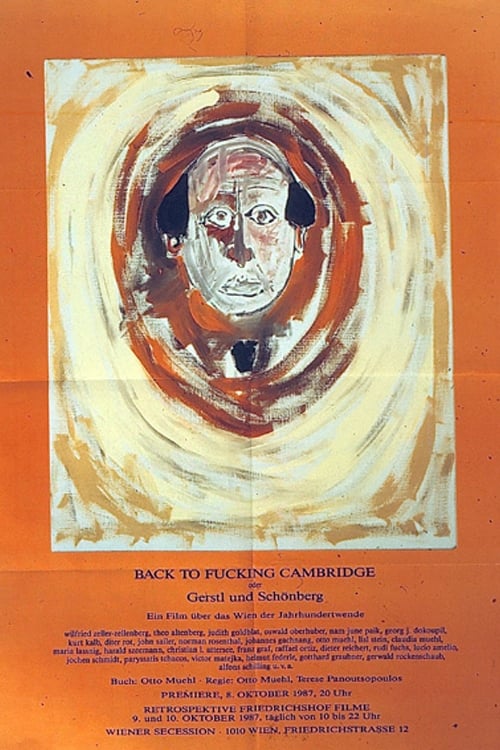
About a group of graduates from Cambridge University who go back to their college to visit a friend who has stayed on there. Otto Muehl founded a community of artists in Vienna in 1970 with the aim of exploring a completely free life practice. Since 1972, this society experiment at the Friedrichshof in Burgenland, 60 kilometers from Vienna, further developed. From the mid-1970s, other municipalities were founded in 30 European cities. At Friedrichshof itself lived at times up to 240 members and visitors.
Back to Fucking Cambridge

The film charts David Hockney's return to the theme of the double portrait, using interviews with his family and closest friends to explore the personal and private nature of his art. It creates an intimate psychological portrait of the artist as he paints the relationships in his own life.
David Hockney: Double Portrait
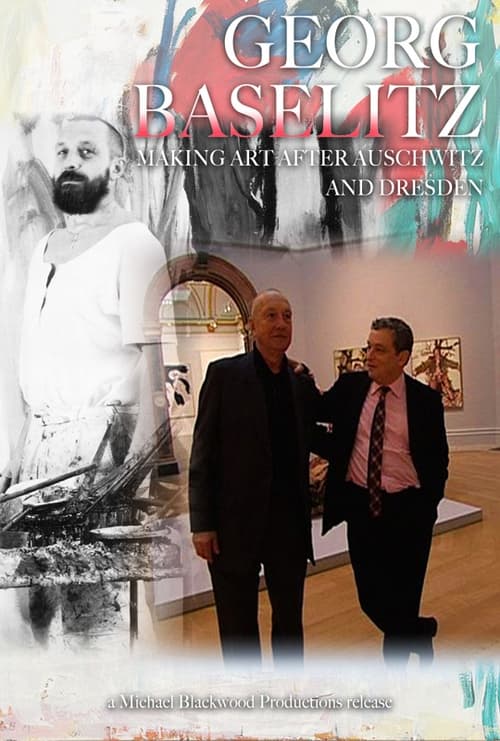
Georg Baselitz: Making Art after Auschwitz and Dresden explores the artist's brilliant career through his 2007 retrospective exhibition at London's Royal Academy of Arts. Accompanied by curator Norman Rosenthal, who first exhibited paintings by Baselitz in the early 1970's, the artist discusses painting, sculpture and the trajectory of his work. The exhibit emphasizes Baselitz ability to create imagery that deals unflinchingly with his position as a post-war artist. In responding to contemporary experience and exploring his own painterly instincts, Baselitz creates symbols which reflect deep-rooted human dilemmas and concerns.