FEEL IT.STREAM
?

Beate Mainka-Jellinghaus

Editing

Biography

Beate Mainka-Jellinghaus is a German film editor who was a member of the New German Cinema (Das Neue Kino) movement and is noted particularly for her many films with director Werner Herzog. Between 1966 and 1986, she was credited on more than twenty-five feature films and feature-length documentaries.
Known For

No image
6.0

No description available.

German Film Award

1951
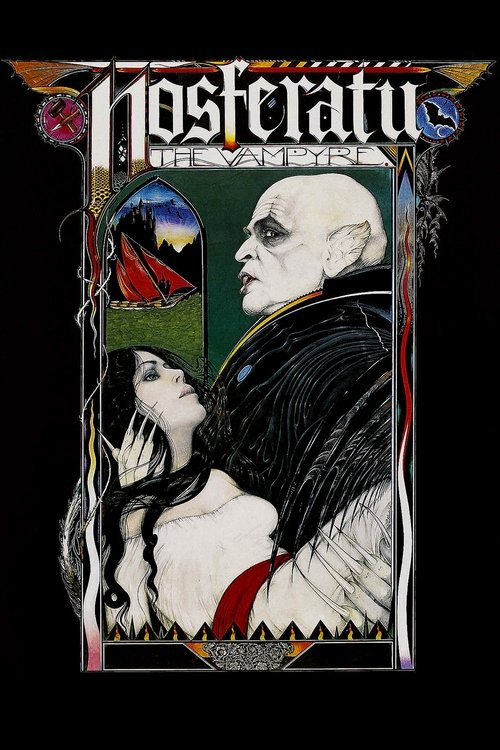
Nosferatu the Vampyre
7.3

A real estate agent leaves behind his beautiful wife to go to Transylvania to visit the mysterious Count Dracula and formalize the purchase of a property in Wismar.

Nosferatu the Vampyre

1979
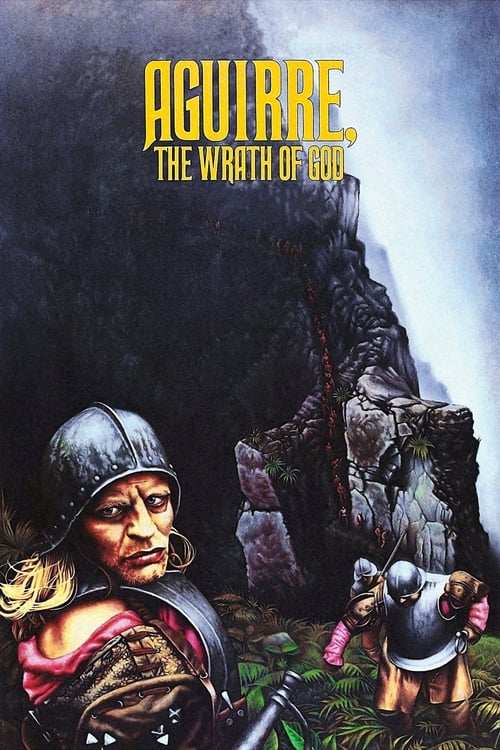
Aguirre, the Wrath of God
7.4

A few decades after the destruction of the Inca Empire, a Spanish expedition led by the infamous Aguirre leaves the mountains of Peru and goes down the Amazon River in search of the lost city of El Dorado. When great difficulties arise, Aguirre’s men start to wonder whether their quest will lead them to prosperity or certain death.

Aguirre, the Wrath of God

1972
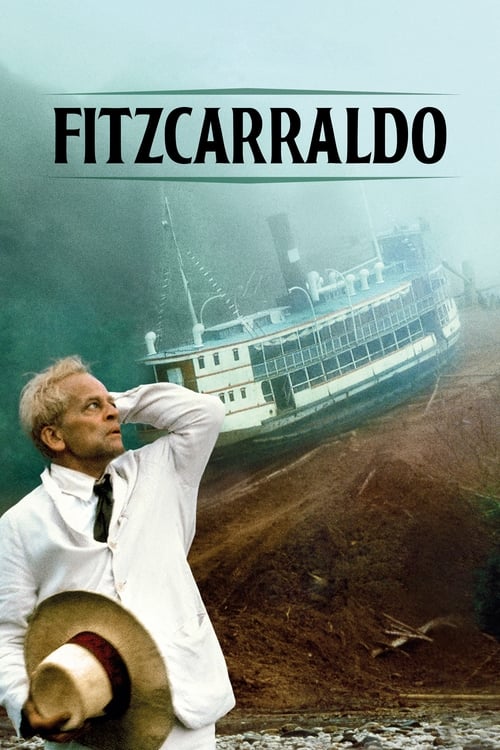
Fitzcarraldo
7.6

Fitzcarraldo is a dreamer who plans to build an opera house in Iquitos, in the Peruvian Amazon, so, in order to finance his project, he embarks on an epic adventure to collect rubber, a very profitable product, in a remote and unexplored region of the rainforest.

Fitzcarraldo

1982
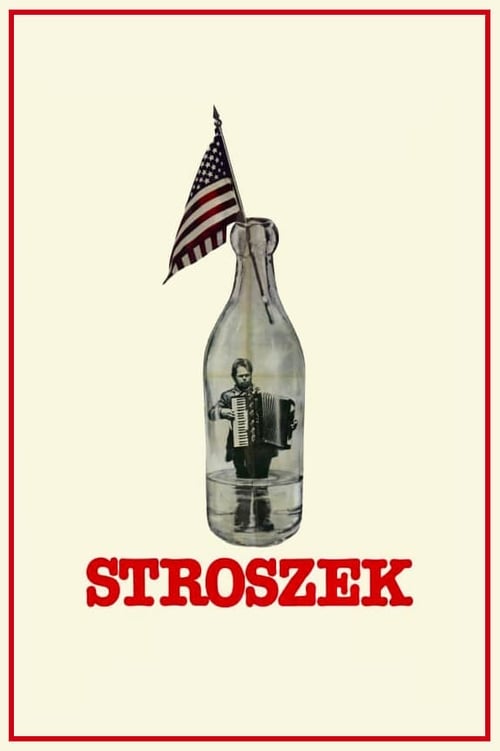
Stroszek
7.3

Bruno Stroszek is released from prison and warned to stop drinking. He has few skills and fewer expectations: with a glockenspiel and an accordion, he ekes out a living as a street musician. He befriends Eva, a prostitute down on her luck and they join his neighbor, Scheitz, an elderly eccentric, when he leaves Germany to live in Wisconsin.

Stroszek

1977
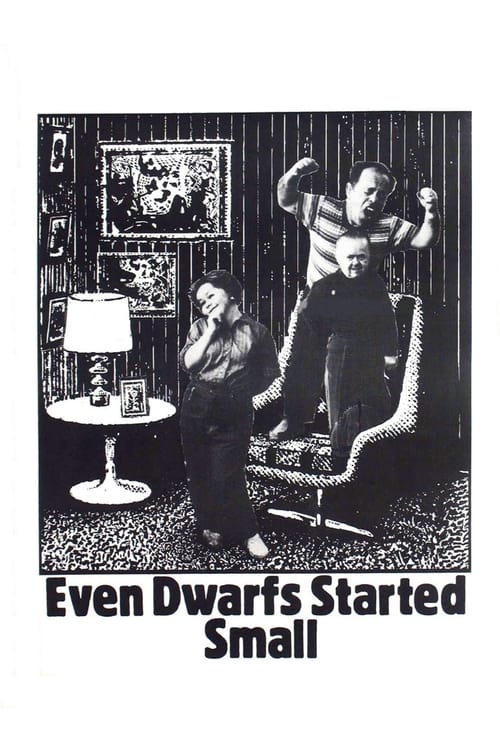
Even Dwarfs Started Small
6.4

A group of tormented patients stage a coup at an oppressive, dismal asylum after they're not allowed out on an excursion.

Even Dwarfs Started Small

1970
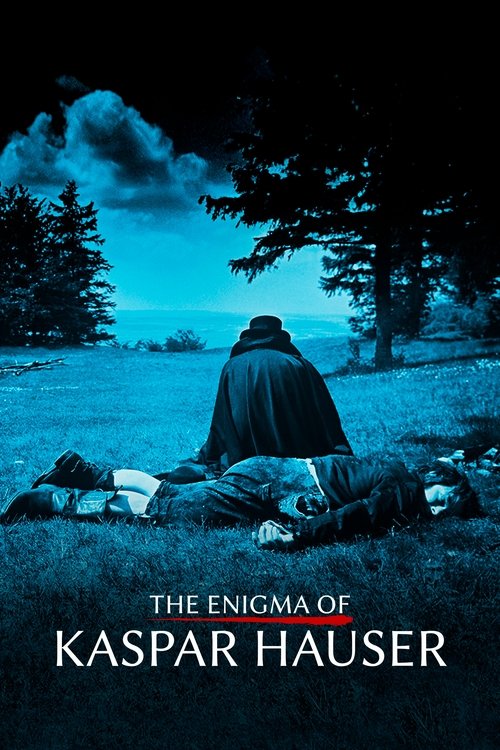
The Enigma of Kaspar Hauser
7.3

The film follows Kaspar Hauser, who lived the first seventeen years of his life chained in a tiny cellar with only a toy horse to occupy his time, devoid of all human contact except for a man who wears a black overcoat and top hat who feeds him.

The Enigma of Kaspar Hauser

1974
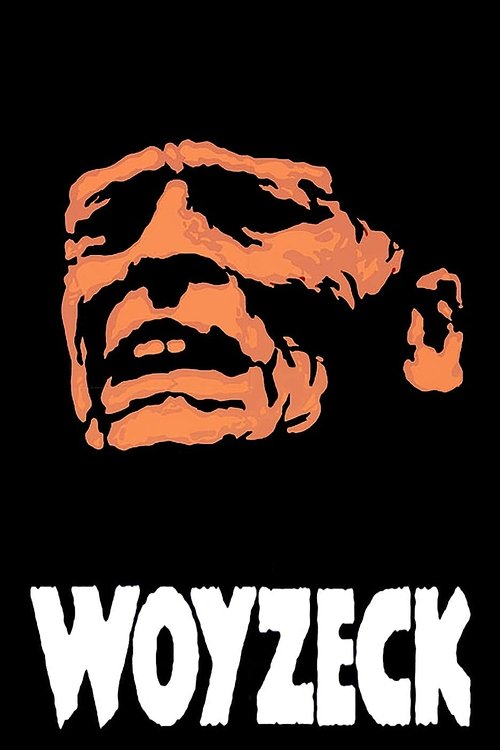
Woyzeck
6.6

Having fathered an illegitimate child with his lover, Marie, feckless soldier Franz Woyzeck takes odd jobs around his small town to provide some extra money for them. One job is volunteering for experiments conducted by a local doctor, who puts Woyzeck on a diet of peas. This serves to drive him close to madness, and the discovery that Marie is involved in an affair with the local drum major exacerbates the situation. Pushed too far, Woyzeck resorts to violence.

Woyzeck

1979
The Great Ecstasy of Woodcarver Steiner
7.2

A study of the psychology of a champion ski-flyer, whose full-time occupation is carpentry.

The Great Ecstasy of Woodcarver Steiner

1974
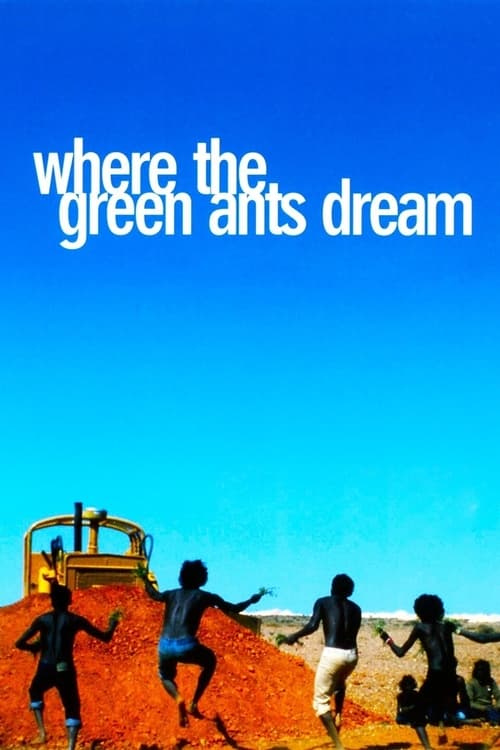
Where the Green Ants Dream
6.9

The Australian Aborigines (in this film anyway) believe that this is the place where the green ants go to dream, and that if their dreams are disturbed, it will bring down disaster on us all. The Aborigines' belief is not shared by a giant mining company, which wants to tear open the soil and search for uranium.

Where the Green Ants Dream

1984
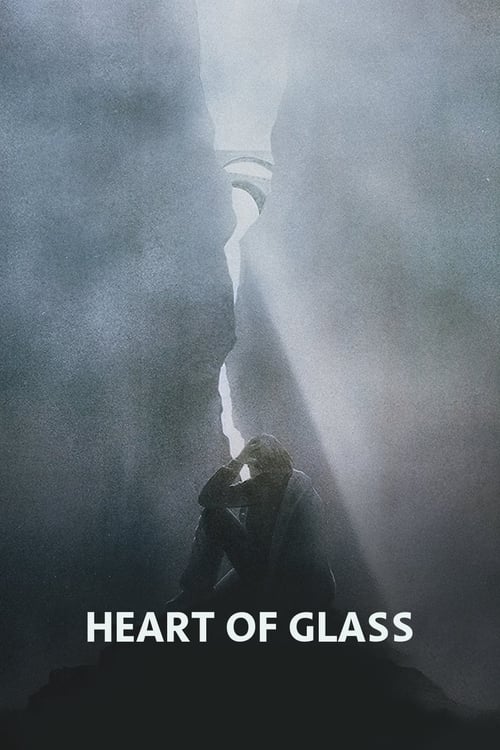
Heart of Glass
6.6

A small Bavarian village is renowned for its "Ruby Glass" glass blowing works. When the foreman of the works dies suddenly without revealing the secret of the Ruby Glass, the town slides into a deep depression, and the owner of the glassworks becomes obssessed with the lost secret.

Heart of Glass

1976
Fata Morgana
6.5

Shot under extreme conditions and inspired by Mayan creation theory, the film contemplates the illusion of reality and the possibility of capturing for the camera something which is not there. It is about the mirages of nature—and the nature of mirage.

Fata Morgana

1972
Germany in Autumn
6.3

Nine fictitious documentaries and films reflect the mood of late 1970s Germany, particularly the two-month period in 1977 when a businessman was kidnapped by the RAF (Red Army Faction). The kidnap had been made to orchestrate the release of the original leaders of the RAF, aka the Baader-Meinhof.

Germany in Autumn

1978
La Soufrière: Waiting for an Inevitable Catastrophe
7.3

Werner Herzog takes a film crew to the island of Guadeloupe when he hears that the volcano on the island is going to erupt. Everyone has left, except for one old man who refuses to leave.

La Soufrière: Waiting for an Inevitable Catastrophe

1977
The Flying Doctors of East Africa
7.2

The Flying Doctors of East Africa (German: Die Fliegenden Ärzte von Ostafrika) is a 1969 documentary film by Werner Herzog about the "flying doctors" service of the African Medical and Research Foundation in Tanzania, Kenya, and Nairobi.

The Flying Doctors of East Africa

1970
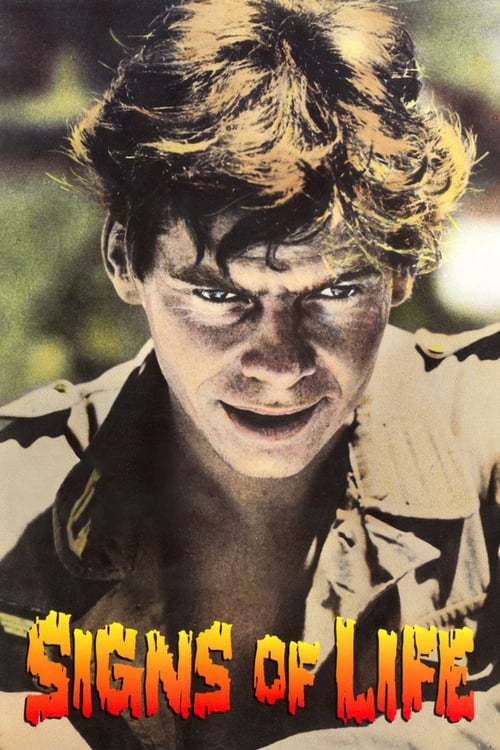
Signs of Life
6.6

During World War II, three German soldiers are withdrawn from combat when one of them, Stroszek, is wounded. They are assigned to a small coastal community on the Greek island of Kos while Stroszek recuperates. The men become increasingly stir crazy in their uneventful new assignment. Stroszek eventually goes mad.

Signs of Life

1968
Land of Silence and Darkness
7.4

Through examining Fini Straubinger, an old woman who has been deaf and blind since her teens, and her work on behalf of other deaf-blind people, this film shows how the deaf-blind struggle to understand and accept a world from which they are almost wholly isolated.

Land of Silence and Darkness

1971
Last Words
5.5

Early short by Werner Herzog shot while being on location in Greece shooting "Lebenszeichen".

Last Words

1968
God's Angry Man
5.7

The documentary follows Gene Scott, famous televangelist involved with constant fights against FCC, who tried to shut down his TV show during the 1970s and '80s, and even argues with his viewers, complaining about their lack of support by not sending enough money to keep going with the show.

God's Angry Man

1983
The Indomitable Leni Peickert
6.0

The Indomitable Leni Peickert is a loose, half-hour sequel to Alexander Kluge's second feature film, Artists in the Big Top: Perplexed. This shorter work, seemingly assembled from leftover footage from the longer film, continues the story of the circus owner Leni Peickert after she first abandoned her idea of a radical circus in favor of a job in television. It opens where the previous film left off, at a TV station where Leni and her friends have gathered as employees, attempting to infiltrate the corporate establishment with their own revolutionary ideas.

The Indomitable Leni Peickert

1970