Marie von Bülow
Acting
Biography
After training as an actress, Marie secured her first engagement in Karlsruhe, where Hans von Bülow saw her for the first time in 1877, in the title-role of Lessing's comedy Minna von Barnhelm. She subsequently became an actress at the court theatre in Meiningen, where she played leading roles in plays by Schiller, Goethe, and Shakespeare. In July 1882 Marie became the second wife of Bülow, who was then also based in Meiningen, building the court orchestra into one of the finest ensembles in Germany. Bülow had hoped that after remarrying he would be invited to the second Bayreuth Festival that summer for the premiere of Parsifal (through several fund-raising recitals he had raised 50,000 francs for the festival). This did not work out, however, as Bülow was informed that his presence in Bayreuth would be unwelcome to his former wife Cosima and Wagner.
Known For

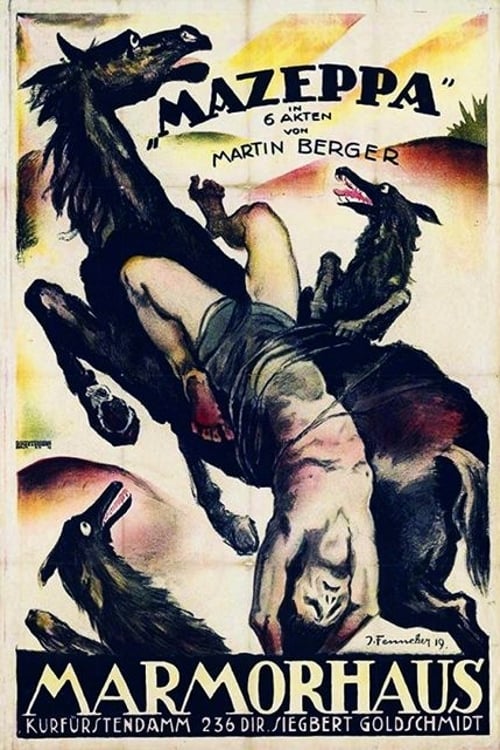
The film tells the story of Ivan Mazeppa, a Ukrainian page at the Polish court who has an affair with the young wife of a much older count. Outraged when he learns of the incident, the nobleman has Mazeppa tied naked to a wild horse which is then released into the wilderness. The bulk of the poem describes the long hazardous journey during which Mazeppa almost dies twice but ultimately survives and returns to his native Ukraine.
Mazeppa, Folk Hero of the Ukraine
No description available.
Das Spitzentuch der Fürstin Wolkowska

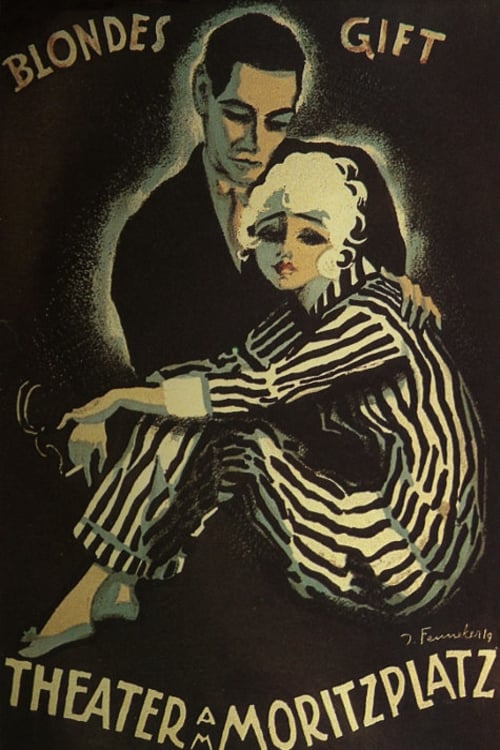
Loni is a femme fatale who lives a depraved life with several lovers. She plunges her husband to ruin without any remorse. The film was banned shortly after the opening night.
Blonde Poison

No description available.
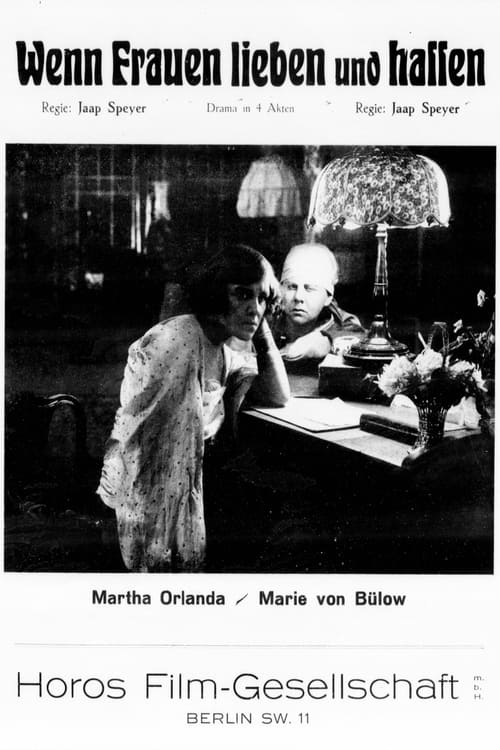
Wenn Frauen lieben und hassen

No description available.
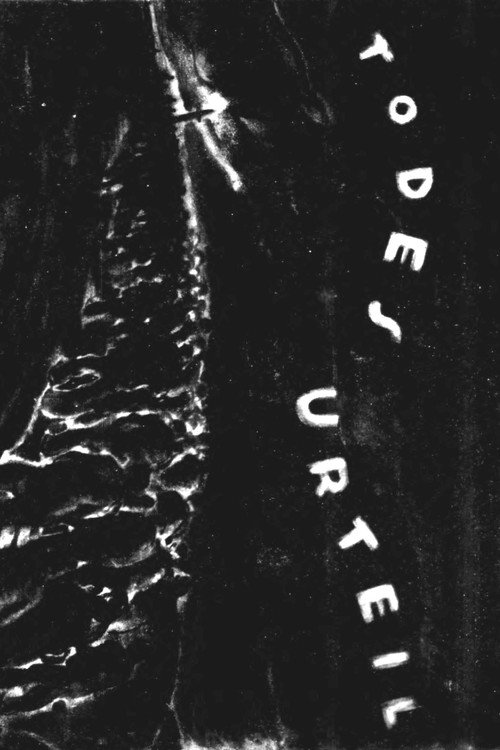
Todesurteil

A man searches for a cursed emerald belonging to his ancestor. Lost film, minor fragments survive
The Boy in Blue

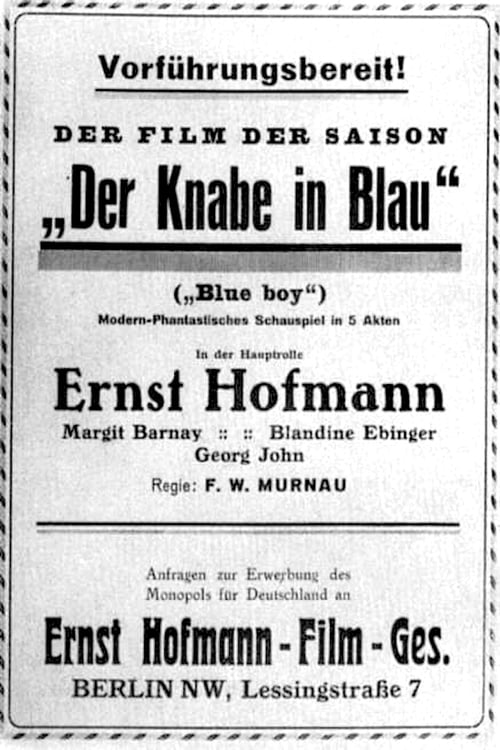
Guy Walser killed the unscrupulous seducer of his sister Marguerite and had to spend several years as a Bagnos convict for this bloody deed . His past is like a brand on his social existence that he can never shake off. He married Lucienne and they had a lovely daughter, Lilly. Despite all the wealth that Guy has worked for, he remains an outcast who, as the title suggests, seeks nothing more than eternal peace for himself.
Ein Ausgestoßener, 2. Teil: Der ewige Friede

After spending an evening with questionable company, two young women are trafficked to brothels abroad.
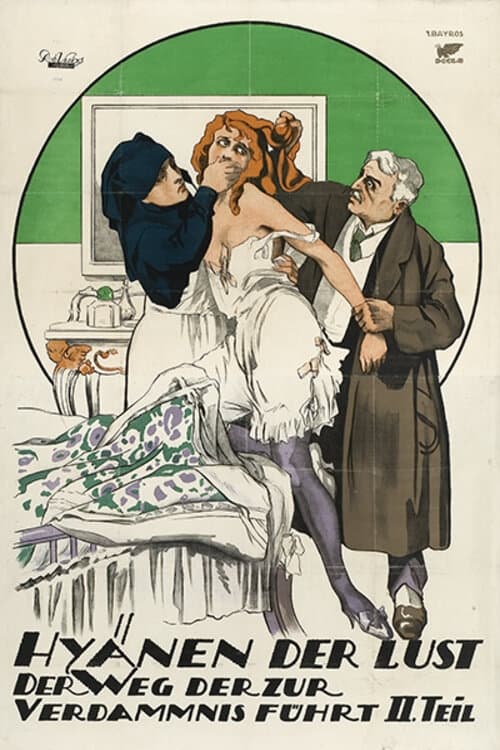
Der Weg, der zur Verdammnis führt, 2. Teil - Hyänen der Lust
No description available.
Eugen Onegin

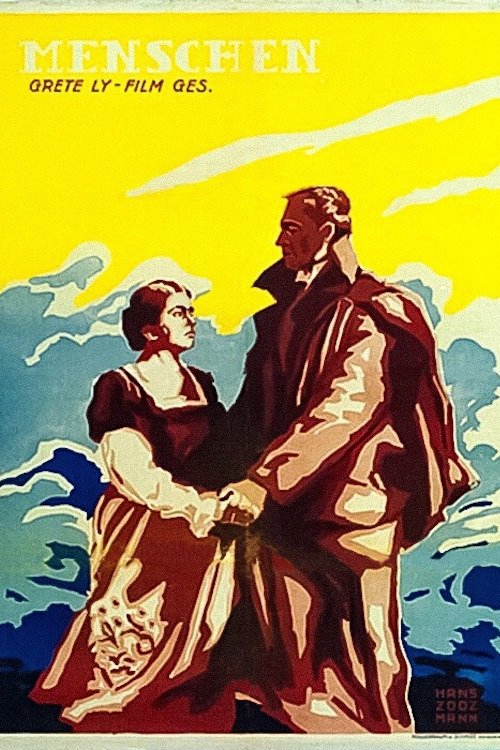
Martin Berger’s 'Menschen' serves as a harrowing socio-cinematic autopsy of the human spirit, adrift in the wreckage of a post-war landscape. Far from the escapist fantasies that often dominated early Weimar screens, this 1921 opus delves into the penumbral existence of the disenfranchised. The narrative follows a fatalistic trajectory, where the characters—portrayed with a raw, almost primitive intensity—grapple with the crushing weight of systemic indifference and personal moral decay.
Menschen

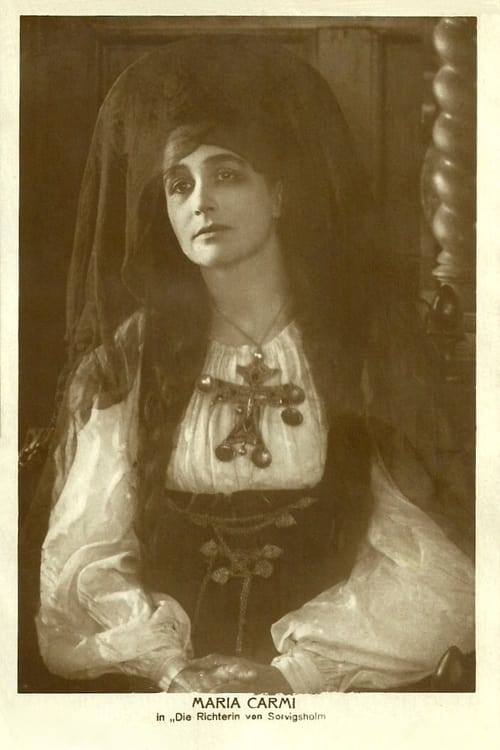
In 17th century Sweden, as is tradition, a magistrate's widow will take over her husband's job for a year after his death. This causes great difficulty when someone she cares for must be sentenced for the crime of murder.
Die Richterin von Solvingsholm

No description available.
Die Berliner Range. 1. Streich: Lotte als Schulschreck

A young woman becomes pregnant and is abandoned by her lover, just as her mother had been.