Damian Nenadić
Directing
Known For
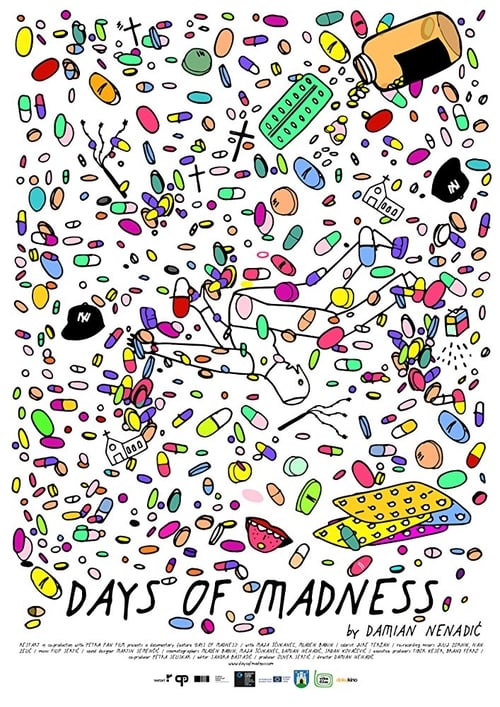
Days of Madness portray an incredible odyssey of two mentally diverse and unjustly rejected people who are learning to accept it, faced with the blindness of the society and the health system that made them addicts.
Days of Madness
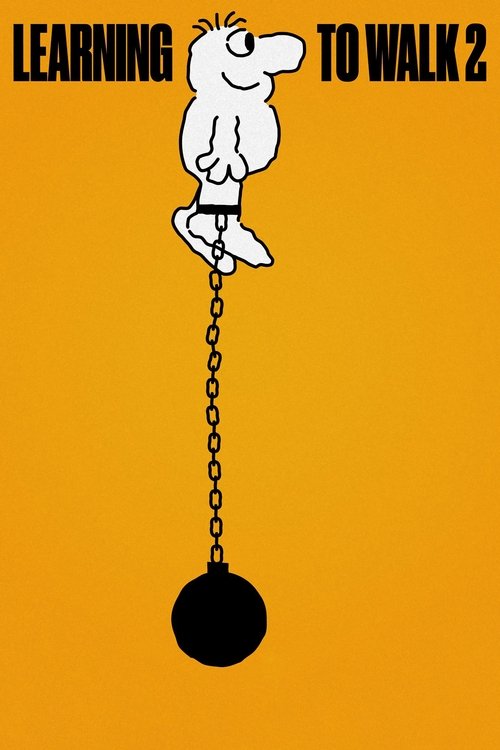
Learning to Walk 2 offers a portrait of the legendary animator Borivoj Dovniković Bordo through a long period of the artist's life, witnessing challenging social and political upheavals, focusing on those moments in which the artist himself becomes, in a way, his own main character. Through a combination of Bordo's animated works, comics and caricatures, this film seeks to speak about the freedom of creativity and seeks an answer to the eternal question: is there a systematic environment in which we truly and truly walk or do we walk lamely, as Bordo's universal hero does.
Learning to Walk 2
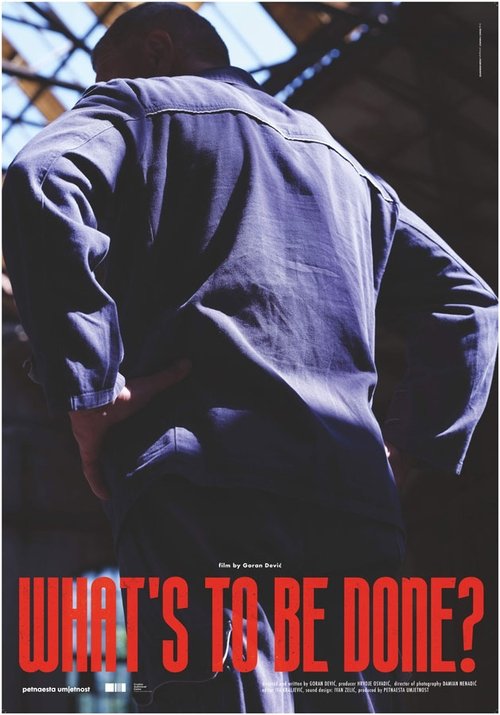
Zeljko is the labour union leader at Gredelj Train Factory. His deputy, Mladen, has committed suicide after massive public protests and inter-union clashes. Zeljko is torn between the guilt he feels over Mladen’s death and workers’ expectations that he will lead a strike that should thwart a plan by the government, acting on the EU’s behest, to declare the factory bankrupt. WHAT’S TO BE DONE? is structured in three acts. The first act uses observational documentary footage; the second, footage filmed a decade later; while the third is fiction.
What's to Be Done?
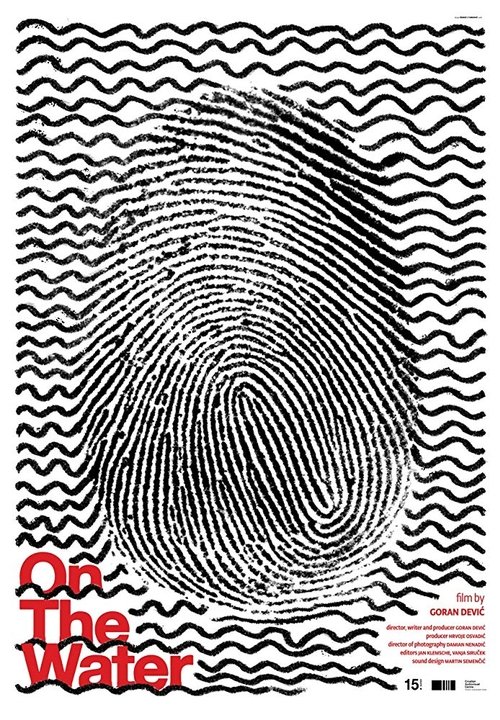
Following the river flowing through the centre of Sisak, the film creates a portrait of a former industrial city. The river today is a space for leisure and relaxation. However, when we examine the people that live and spend time there, the social conflicts of the transition break out onto the surface. The river reveals the remains of past that were left in the water.
On the Water
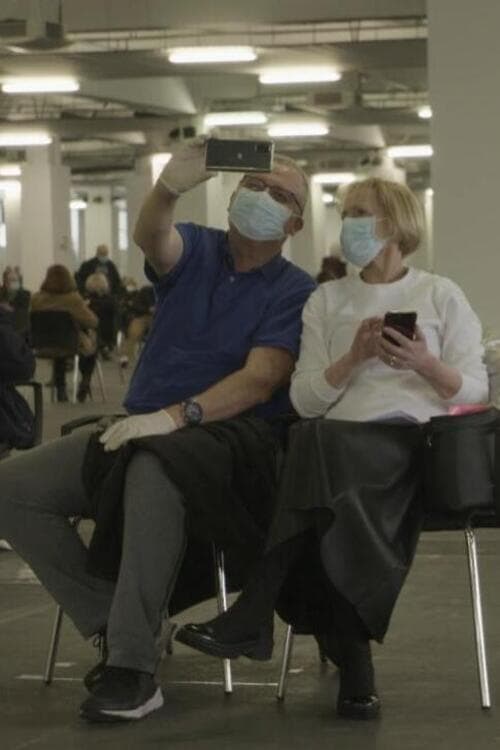
While state authorities chase down supplies of increasingly rare Covid vaccinations, the queues of those waiting for them stretch endlessly along streets. Those queuing comprise a microcosm of the populace – a tapestry of personalities that range from stern gatekeepers to elderly women deliberating over vaccine preferences. As it moves from the bustling queues to the hushed interiors of vaccination centres, Pavilion 6 shifts from patients to the nurses and other members of staff.
Pavilion 6

What happens when 11 world-renowned avant-garde artists are invited to a luxurious resort in the Adriatic where they can do nothing but rest? Attila Csernik (Serbia), Radomir Damnjanović Damnjan (Serbia), Željko Kipke (Croatia), Ivan Kožarić (Croatia), Vlado Martek (Croatia), Era Milivojević (Serbia), Romelo Pervolovici (Romania), Pinczehely Sandor (Hungary), Balint Szombathy (Hungary), Janos Sugar (Hungary) and Ilija Šoškić (Montenegro) are still in full artistic sway.
Artist on Vacation
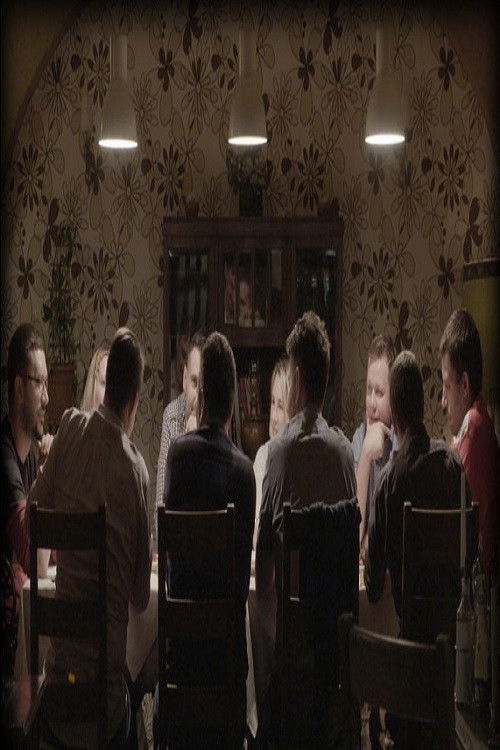
How do we speak about the horror with which we are faced but cannot come to terms with? The classmates have gathered for their fifteenth high-school reunion, reminiscing about their adolescent adventures. As the evening progresses, different dinner courses and drinks are brought out and the conversations become more open, yet there is one topic that everyone avoids, until alcohol encourages them to mention the shocking letter they have all received. The letter is a torturous confession from one of their former classmates, in which she reveals the brutal abuse she endured as a child and during high school.
She Is One of Us
A cinematic tapestry of candidates who spend every waking hour of their lives preparing for the entrance exam on the Academy of Dramatic Arts in Zagreb, showing us what led them to make these decisions, how their families reacted to them and opening the audience's eyes to the surprisngly cutthroat and emotionaly heavy world of the Croatian acting scene.