Annie Ernaux
Writing
Biography
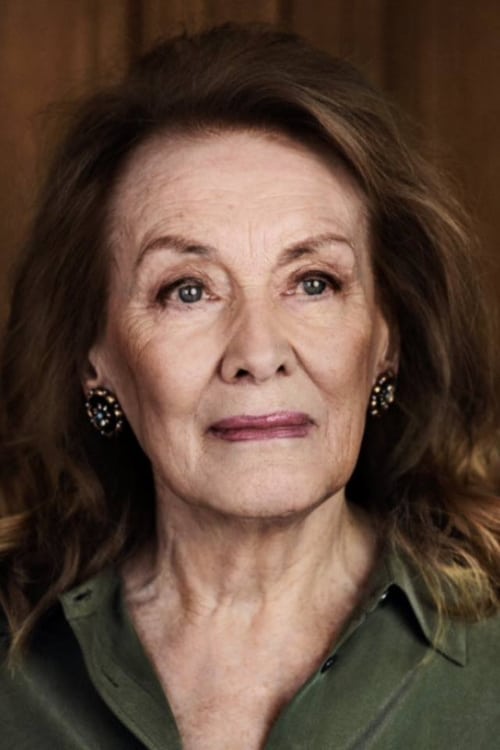
Annie Thérèse Blanche Ernaux (née Duchesne; born 1 September 1940) is a French writer who was awarded the 2022 Nobel Prize in Literature "for the courage and clinical acuity with which she uncovers the roots, estrangements and collective restraints of personal memory". Her literary work, mostly autobiographical, maintains close links with sociology. Ernaux was born in Lillebonne in Normandy, France, and grew up in nearby Yvetot, where her parents, Blanche (Dumenil) and Alphonse Duchesne, ran a café and grocery in a working-class part of town. In 1960, she travelled to London, where she worked as an au pair, an experience she would later relate in 2016's Mémoire de fille (A Girl's Story). Upon returning to France, she studied at the universities of Rouen and then Bordeaux, qualified as a schoolteacher, and earned a higher degree in modern literature in 1971. She worked for a time on a thesis project, unfinished, on Pierre de Marivaux. In the early 1970s, Ernaux taught at a lycée in Bonneville, Haute-Savoie, at the college of Évire in Annecy-le-Vieux, then in Pontoise, before joining the National Centre for Distance Education, where she was employed for 23 years. Ernaux started her literary career in 1974 with Les Armoires vides (Cleaned Out), an autobiographical novel. In 1984, she won the Renaudot Prize for another of her works La Place (A Man's Place), an autobiographical narrative focusing on her relationship with her father and her experiences growing up in a small town in France, and her subsequent process of moving into adulthood and away from her parents' place of origin. Early in her career, Ernaux turned from fiction to focus on autobiography. Her work combines historic and individual experiences. She charts her parents' social progression (La place, La honte), her teenage years (Ce qu'ils disent ou rien), her marriage (La femme gelée), her passionate affair with an Eastern European man (Passion simple), her abortion (L'événement), Alzheimer's disease (Je ne suis pas sortie de ma nuit), the death of her mother (Une femme), and breast cancer (L'usage de la photo). Ernaux also wrote L'écriture comme un couteau (Writing as Sharp as a Knife) with Frédéric-Yves Jeannet. A Woman's Story, A Man's Place, and Simple Passion were recognised as The New York Times Notable Books, and A Woman's Story was a finalist for the Los Angeles Times Book Prize. Shame was named a Publishers Weekly Best Book of 1998, I Remain in Darkness a Top Memoir of 1999 by The Washington Post, and The Possession was listed as a Top Ten Book of 2008 by More magazine. ... Source: Article "Annie Ernaux" from Wikipedia in English, licensed under CC-BY-SA 3.0.
Known For

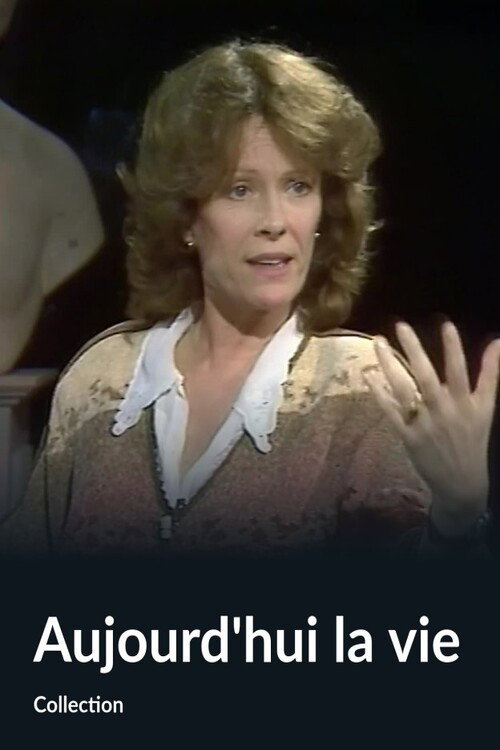
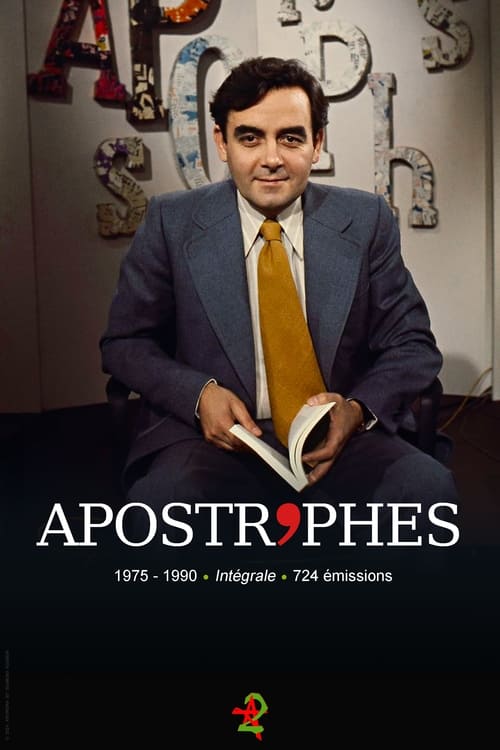
Apostrophes was a live, weekly, literary, prime-time, talk show on French television created and hosted by Bernard Pivot. It ran for fifteen years (724 episodes) from January 10, 1975, to June 22, 1990, and was one of the most watched shows on French television (around 6 million regular viewers). It was broadcast on Friday nights on the channel France 2 (which was called "Antenne 2" from 1975 to 1992). The hourlong show was devoted to books, authors and literature. The format varied between one-on-one interviews with a single author and open discussions between four or five authors.
Apostrophes

A man and a woman are brought together by chance for several months. He is younger than she is, married, Russian, officially a diplomat stationed in Paris. She is a beautiful teacher and researcher, with her feet firmly on the ground. The film follows the evolution of their love, from the beginning to end.
Simple Passion

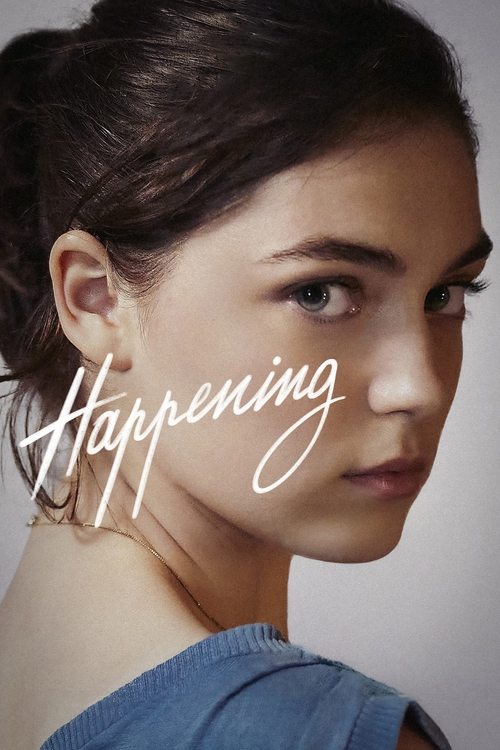
France, 1963. Anne is a bright young student with a promising future ahead of her. But when she falls pregnant, she sees the opportunity to finish her studies and escape the constraints of her social background disappearing. With her final exams fast approaching and her belly growing, Anne resolves to act, even if she has to confront shame and pain, even if she must risk prison to do so.
Happening

During a book signing in Normandy, Annie Ernaux, 70, revisits her memories of the summer of 1958, when she was 17. That summer, she left her hometown to work as a camp counsellor. At the first party, the head counsellor set out to deflower her. Finding him handsome, she lets him do it, as if against her will... Her body becomes a foreign place for her, an offering to be sacrificed.
A Girl’s Story

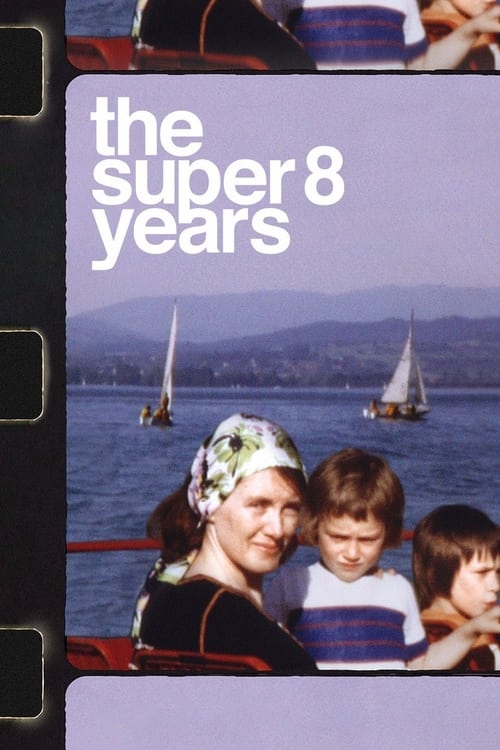
“In re-viewing our Super 8 films, shot between 1972 and 1981, it occurred to me that they comprised not only a family archive but a testimony to the pastimes, lifestyle and aspirations of a social class in the decade after 1968. I wanted to incorporate these silent images into a story which combined the intimate with the social and with history, to convey the taste and colour of those years.” Annie Ernaux
The Super 8 Years

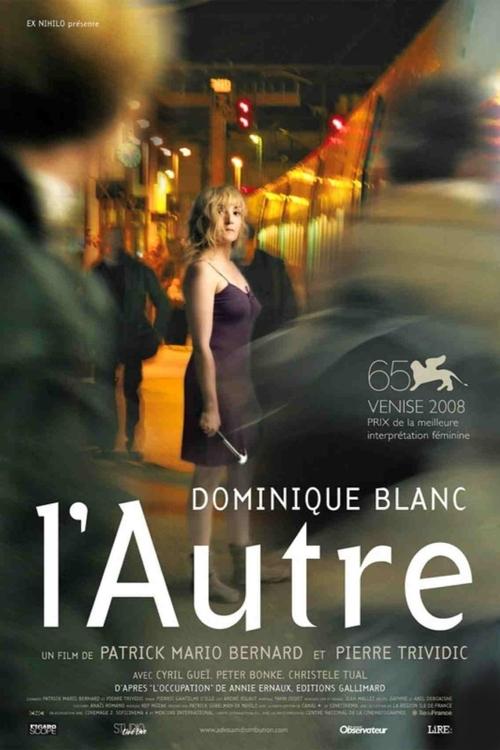
Anne-Marie has a peaceful break-up with her boyfriend Alex, whom she doesn't love anymore. However, upon learning that another woman has come into his life, she becomes insanely jealous...
The Other One
No description available.
Les mots comme des pierres

In a new town, somewhere in the suburbs of Paris, intimate stories meet the writings of the famous writer Annie Ernaux : is living in harmony a utopia, or could it be actual and overcome the paradoxes of society to welcome foreigners.
I Have Loved Living Here

"Il suffit d'écouter les femmes": these famous words were pronounced by Simone Veil when she defended her law on abortion, in 1974, before the National Assembly. For the first time, women who have used a clandestine abortion in France before 1975 evoke their painful, release or traumatic experience. These moving testimonies make it possible to discover the incredible diversity of the means employed, the dangers incurred, the participation of children, the role of men, that of doctors, sometimes even the violence committed on women.
Il suffit d’écouter les femmes

A woman who has become part of literary heritage, the only French writer to be awarded the Nobel Prize in 2022, she has made her life the basis for her work since the publication of her first novel in 1974... What can be said that her books haven't already said? On the occasion of her grand return to her hometown in Normandy, as she explores the places of her early childhood, this icon of several generations looks back on her youth and what made her the committed woman and writer she has become. Through a geographical and narrative journey covering her first 25 years, which resonated throughout the following 60 years, the film—the only one she has agreed to participate in since winning the Nobel Prize—offers a "different" portrait of Annie Ernaux, interweaving her personal memories, her writings, and the history of the 20th century.