
Tammy Cheung
Directing
Biography
Tammy Cheung was born in Shanghai in 1958 and moved to Hong Kong at an early age. She studied sociology in Hong Kong and film studies at Montreal’s Concordia University. In 1986, she founded the Chinese International Film Festival in Montreal, showcasing films made by Chinese film‐makers and films with Chinese content, and was director of the Festival from 1986 and 1992. She made her directorial debut in 1999 and together with her collaborator and cinematographer Augustine Lam she founded Reality Film Productions in Hong Kong in 2002, a production company that produces and distributes social documentaries. Her works include Invisible Women (1999), Secondary School (2002), Rice Distribution (2002), Moving (2003), War (2003), July (2004), Speaking up (2005); Village Middle School (2006) and Speaking up 2 (2007). Rice Distribution won the Grand Prize and Open category Gold Award at the 2002 Hong Kong Independent Short Film & Video Awards 2002. Her films utilize the observational approach characteristic of American documentarist Frederick Wiseman’s Direct Cinema style. Cheung is an engaging story‐teller, motivated by a wish to critique many of the inadequate social structures in Hong Kong, and to enable viewers to empathize with ordinary people and their aspirations. Tammy Cheung’s work has been presented in film festivals in Amsterdam, Rome, Seoul, Toronto, Hong Kong, Taipei, Singapore and major cities in China.
Known For
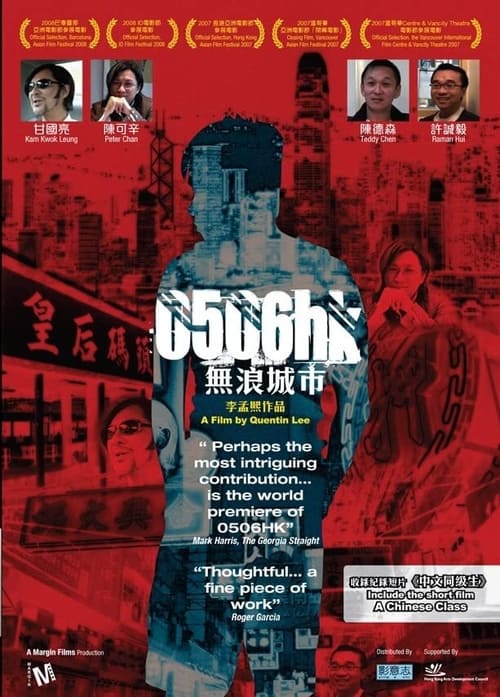
Quentin Lee returns to Hong Kong, where he was born and raised. As he explores his desire to move back there from Los Angeles, he interviews local artists, filmmakers, friends, and family about why they are in Hong Kong and why they choose to be there.
0506HK

The Ghost Festival takes place during the seventh lunar month. The gates of hell are opened to free the hungry ghosts who wander the world seeking food. During this month, Chinese pay tribute to their ancestors and offer food to the deceased to appease them and ward off bad luck. In Hong Kong, besides staging ceremonies to honor the dead, many Taoist organizations also give away rice to the elderly and the poor. The rice distribution depicted in this film was one of the largest events, and attracted over eight thousand people. The event was scheduled to last from nine in the morning to six in the evening. In order to ensure a place in the line, most of the participants arrived before dawn.
Rice Distribution
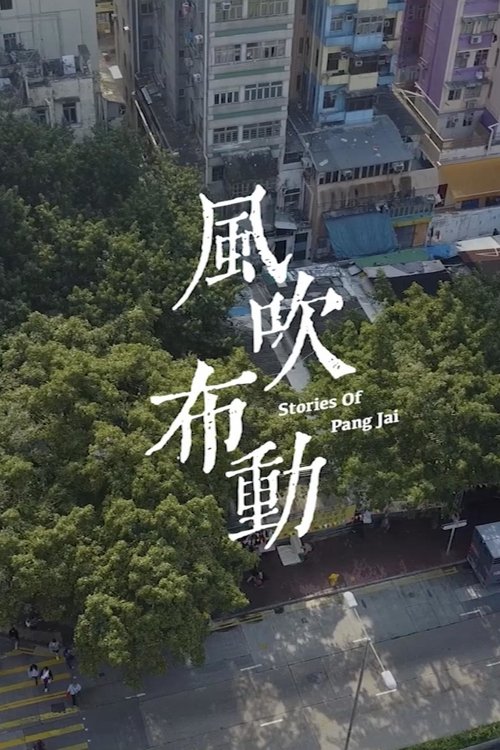
Until 2015, the government proposed land resumption without consultation to build a subsidized housing unit. In Hong Kong, where land is extremely expensive, it is not difficult to become a target for eradication if it is regarded as "no economic value". Cloth vendors roar for their common beliefs, between struggle and life, between politicians and bureaucrats, in Sham Shui Po "shacks", in the wind and rain, on sunny days, this is their living space.
Stories of Pang Jai
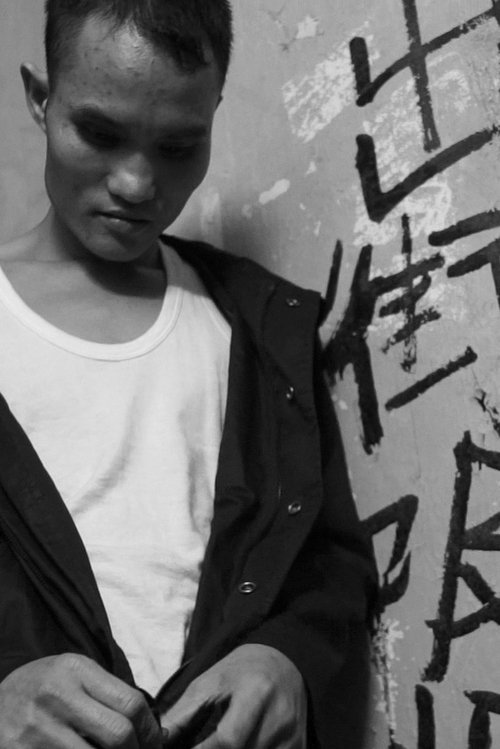
310 Tung Chau Street is a tenement building in Sham Shui Po. Three Vietnamese from the same province share a subdivided flat. Unemployment, drug addiction, and arguments brew and breed incessantly in this heated environment. During filming, the two young directors were encumbered by a series of obstacles, which turned the process into a chance to reflect on documentary truth.
310 Tung Chau Street
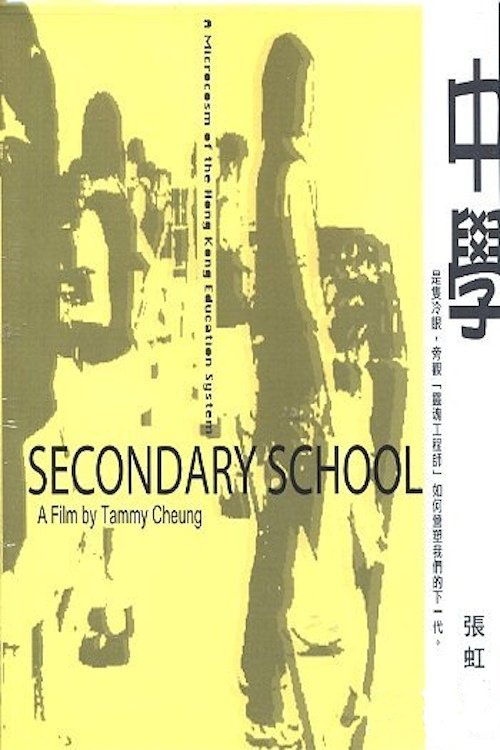
Shot over three months, the film chronicles daily lives of two "Band One" secondary schools, one for boys and one for girls. Using the "direct cinema" approach, the documentary takes a close look at the present condition of the school system.
Secondary School

Invisible Women follows the lives of three ethnic Indian women in Hong Kong. In the film, Cheung explores gender inequalities and looks at the lives of ethnic minorities in Hong Kong.
Invisible Women
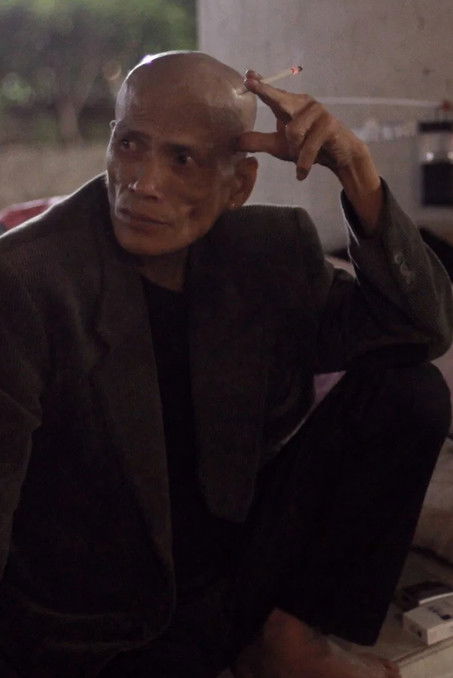
Jacky, a Vietnam-born Chinese man, lives under the flyovers in Sham Shui Po. Despite living on the streets, he still has the aura of an ex-triad leader. However, he has lost his will to live after being tormented by a chronic illness. (華語紀錄片節 Chinese Documentary Festival 2014, 采風 Visible Record) Dir. 徐智彥 / Chui Chi Yin 香港 Hong Kong / 2014 / 37 min
Jacky
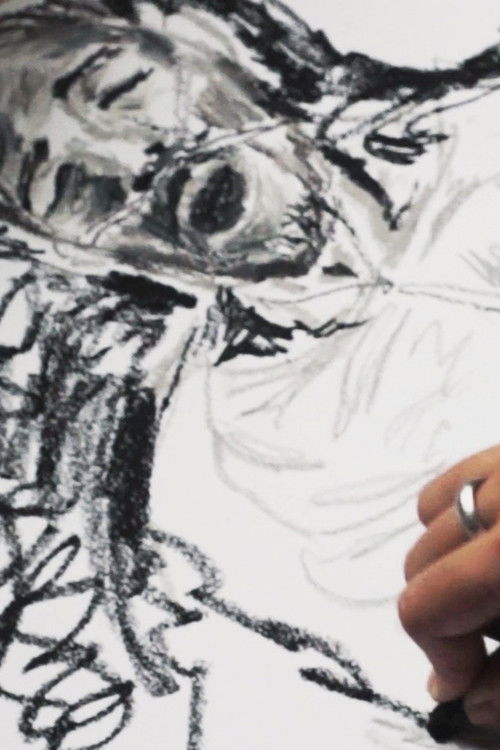
Via Dolorosa captures director’s journey in reconnecting with Vietnamese homeless persons whom she filmed for another short film two years ago. While she accompanied a man in his final days, Jo searched within herself to resolve the original sin of the documentary filmmaker as a bystander to the suffering of others.
Via Dolorosa
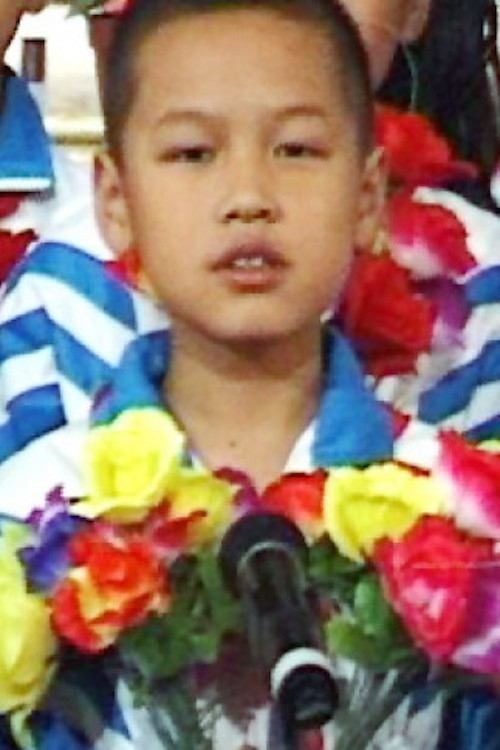
Using the same interview techniques applied in her highly successful Speaking Up (2005), Tammy Cheung turns her attention from Hong Kong to Mainland China. In Speaking Up II, she interviews around two dozen students from a well-respected primary school in Jiangxu (near Shanghai). They are asked to express their views on different topics such as personal issues, family, gender, society, and more. Presented in a skilfully edited montage and intertwined with footage of their daily lives at school, their answers highlight the changing face of today’s China.
Speaking Up 2
Ngau Tau Kok Estate is one of the oldest and largest public housing projects in Hong Kong. Most of the residents are either elderly and live alone, or working class families. Since 2001, after the government announced its plan to redevelop the area, residents have been gradually relocated to new housing estates. Following two social workers who work with the residents as they deal with the relocation, the film offers is a glimpse of the lives of old people. It is a group portrait of our parents and grandparents.
Moving

Since the end of eighties, Hong Kong has been through tremendous changes -- re unification with China, economic downturn, political reform, etc, have all greatly affected our way of life. In the film, about sixty people are invited to talk about their views on several major socio-economic and political issues.
Speaking Up

Hong Kong's massive and unprecedented public protests and demonstrations in early July 2003 are documented in July. The film shows individual and mass reactions to the proposed national security legislation. It preserves the speeches, songs, chants, posters, and banners, as well as the atmosphere, for those who were there, and introduces them to those who were not. As such, July is a record of events that could not occur anywhere else in China.
July
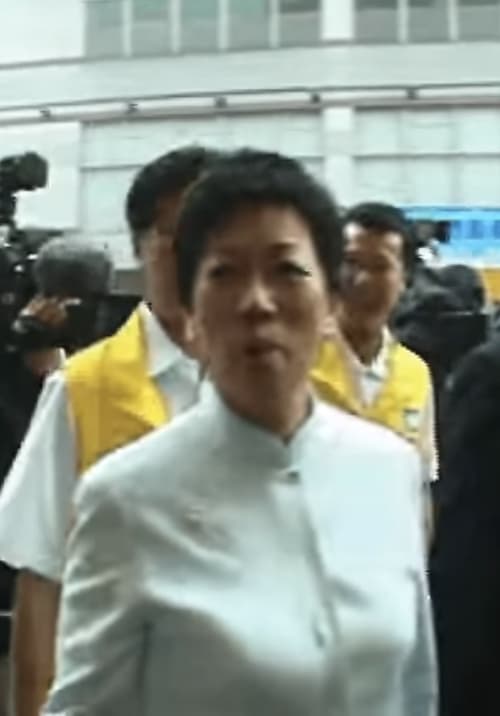
Election is about the Legislative Council Election in 2004, focused on three geographical constituencies: Hong Kong Island, Kowloon East and the New Territories East. The film follows various activities, from the submission of candidacy, pledge ceremonies, interviews with candidates to lobbying, debate at forums, voting and vote counting, etc. The film reflects the problems Hong Kong faces on the road to democracy and different facets of Hong Kong politics.
Election
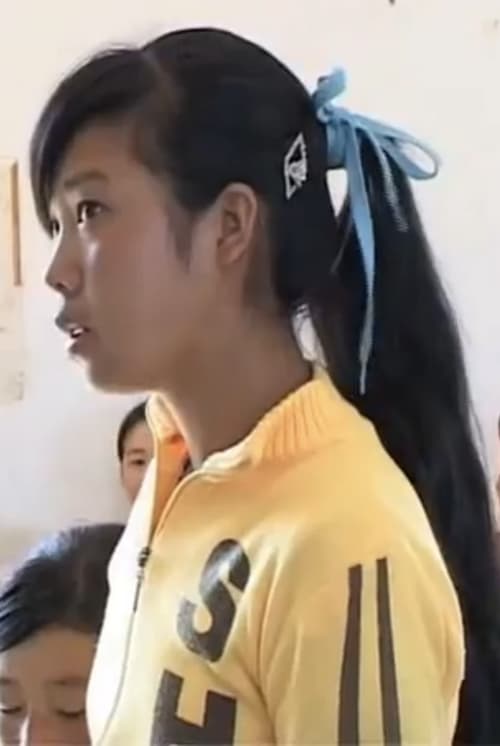
The documentary takes a close look at the present situation of rural education in China. The story takes places in a over-crowded and under-funded middle school in a poor rural area of Yunnan. The school has a student population of 1,700 which is much larger than the school can handle. The film records the daily school life which includes school duties, classroom teaching, morning assembly, staff meeting, student counseling and public services, etc. The film shows the typical school life teachers and students face every day. The documentary employs the observational approach; there is no voiceover or interview.