Joel Gold
Directing
Known For
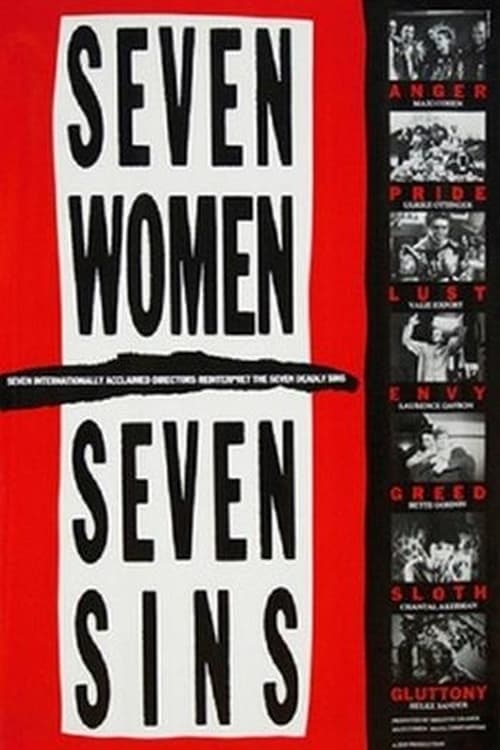
Seven Women, Seven Sins (1986) represents a quintessential moment in film history. The women filmmakers invited to direct for the seven sins were amongst the world's most renown: Helke Sander (Gluttony), Bette Gordon (Greed), Maxi Cohen (Anger), Chantal Akerman (Sloth), Valie Export (Lust), Laurence Gavron (Envy), and Ulrike Ottinger (Pride). Each filmmaker had the liberty of choosing a sin to interpret as they wished. The final film reflected this diversity, including traditional narrative fiction, experimental video, a musical, a radical documentary, and was delivered in multiple formats from 16, super 16, video and 35mm.
Seven Women, Seven Sins
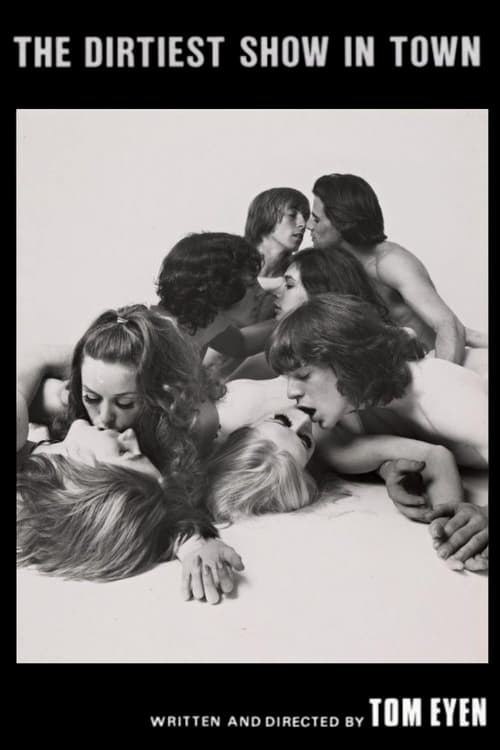
About the members of a New York City gym obsessed about their life situations, eventually leading up to the gay and straight characters writhing together in an orgy. An updated version of the original off-Broadway play.
The Dirtiest Show in Town

This Emmy-nominated TV special highlights rare performance footage filmed between 1968 and 1969 at various US venues and locations, including the Westbury Music Fair, The Village Gate, and RCA Studios in New York City. Also featured are candid and personal interviews with Nina herself, revealing her unique views on music and life -- all expressed with her trademark intensity.
Nina: A Historical Perspective
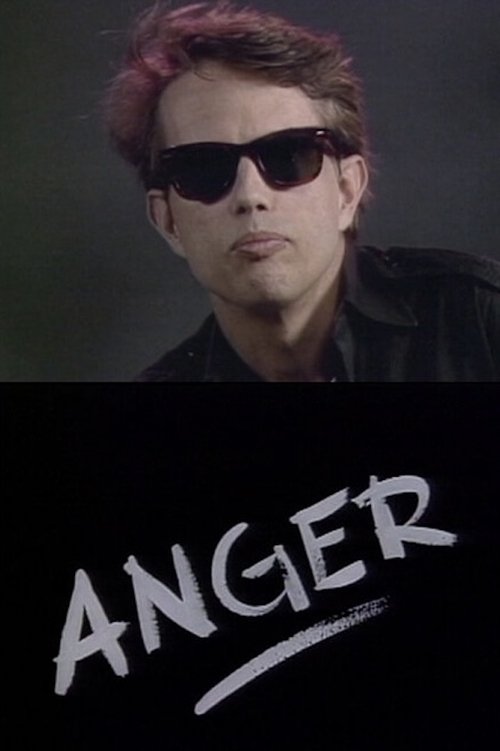
In 1986, filmmaker Maxi Cohen was one of seven women filmmakers commissioned by German television to interpret the Seven Deadly Sins. She was given the sin of “anger” and began by putting an advertisement in The Village Voice that read, “What makes you angry?” Along with fellow filmmaker Joel Gold, she recorded the conversations with the people who replied. This exploration lead to a heart-wrenching and emotional film that shows the complexity of anger and its origins. Thirty four years later, Anger continues to resonate, especially as health, economic and political turmoil place anger at the forefront.
Anger

It renders poet Jessica Hagedorn’s views of “some of the harsh and beautiful realities of city living” for women in a man’s world. Hagedorn’s poetry is musical, pungent and gutsy. The visual artistry of Doris Chase emphasizes different aspects of Hagedorn’s lyrics. Images are dissected, quartered, washed with memory wipes that support and underscore the image and poetic meaning.
Travels in the Combat Zone
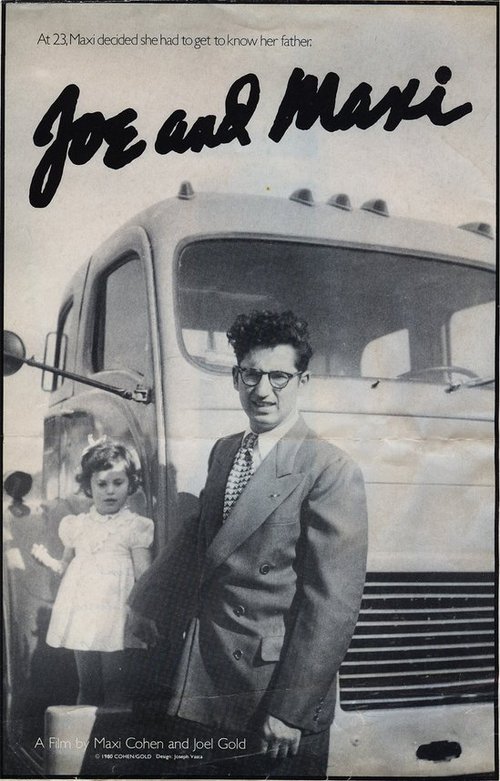
Joe and Maxi is a film about Maxi Cohen's relationship with her father, made when she was 23 and after her mother died of cancer. This intimate and revealing documentary portrait of a family reveals the barriers to expressing and accepting love.
Joe and Maxi
Second Grade Dreams, filmed at P. S. 255 in Brooklyn, New York, is a series of brief vignettes of second-grade schoolchildren who recount their dreams and nightmares. The straightforward, stationary camera captures the children as their stories unfold, revealing both humorous and horrifying dreams about dinosaurs, blood and chocolate bars.