Acting
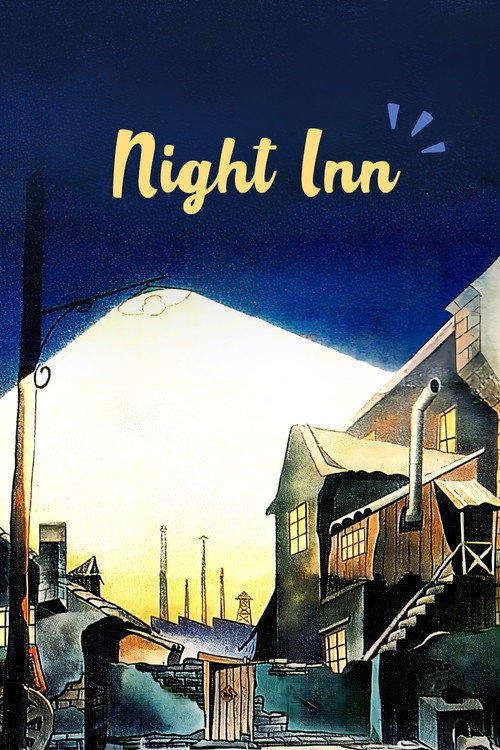
Night Inn (Chinese: 夜店; pinyin: Yè Diǎn) is a Chinese black-and-white film released in 1947, directed by Huang Zuolin and starring the popular Shanghai singer Zhou Xuan. The film is based on the Chinese theatrical adaptation of Maxim Gorky's The Lower Depths by playwright Ke Ling. The play and the film were both banned in China during the Cultural Revolution but were popular in the post-Mao period.
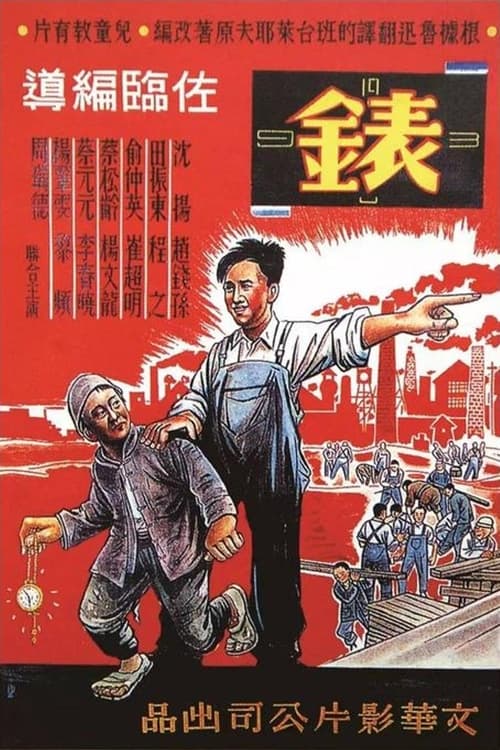
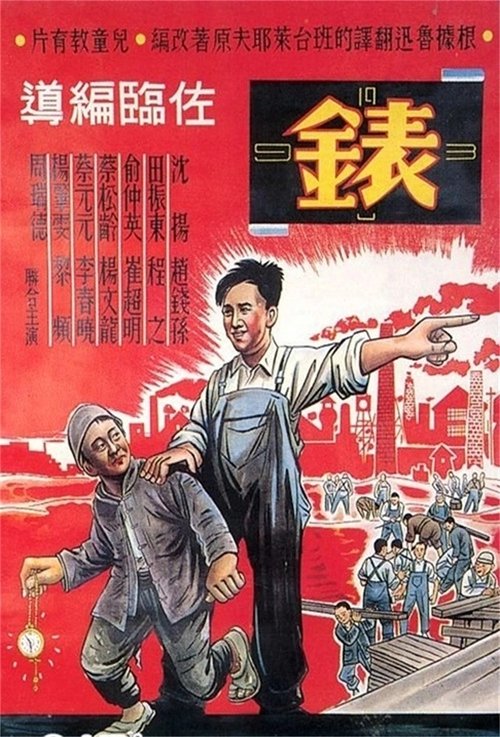
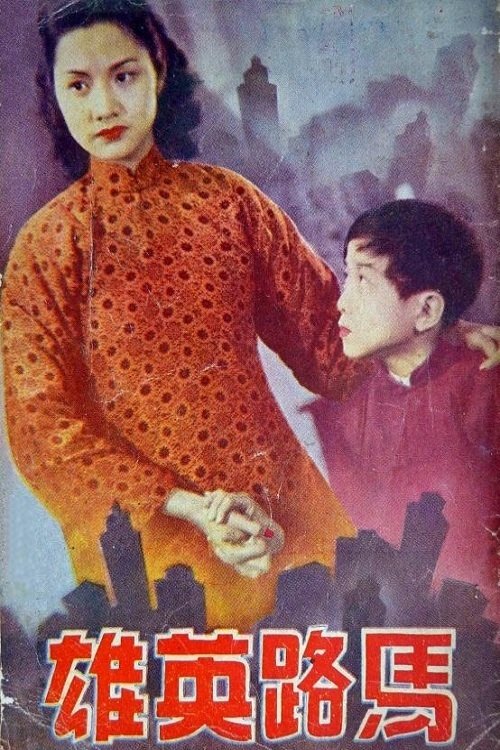
A street-wise and tough orphan called Maverick is arrested for a petty theft and sent to an orphanage, but succeeds in concealing a watch he had stolen from an old shopkeeper just before his arrest. At the orphanage, he is recruited by a crooked warder for further and more serious crimes. But when two more children are admitted to the orphanage -- a boy called "Fatty" and a girl called "Little Mouse" -- he makes the first friends he has ever had. But when Maverick learns the girl is the granddaughter of the old shopkeeper he stole the watch from, and what ruin it brought to her family, he has a crisis of conscience.
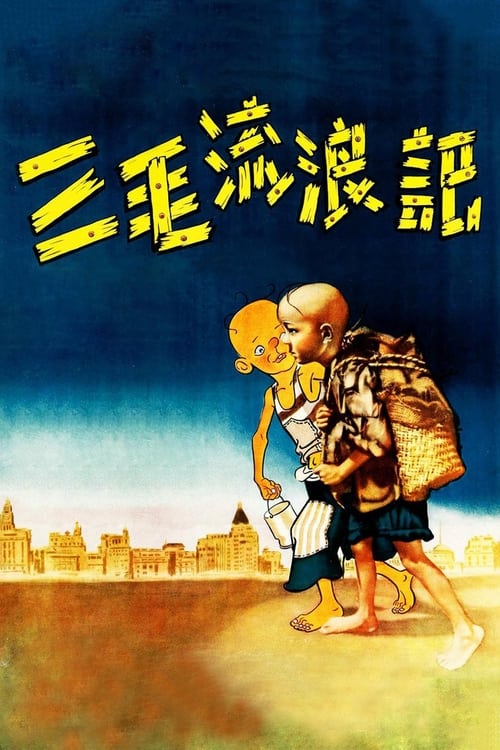
San mao (3 hairs) was a very popular Chinese comic strip first published in 1935-37, continued from 1948 into the 1990s, about a young orphan boy struggling with life in Shanghai.
Chen Shaochang (Shi Hui), a primary school principal widowed at a young age, raises his children alone. His close friend's daughter, Liu Minhua (Zhu Jiachen), whom he hasn't seen for many years, begins working at the primary school through his introduction. Chen Shaochang's son, Jianzhong (Han Fei), and daughter-in-law, Feng Lijun (Li Huanqing), consider Chen's job undignified. After retiring, he is filled with melancholy, understood only by Minhua. Although their relationship deepens, they must contend with the ethical and social norms of Republican-era Shanghai.
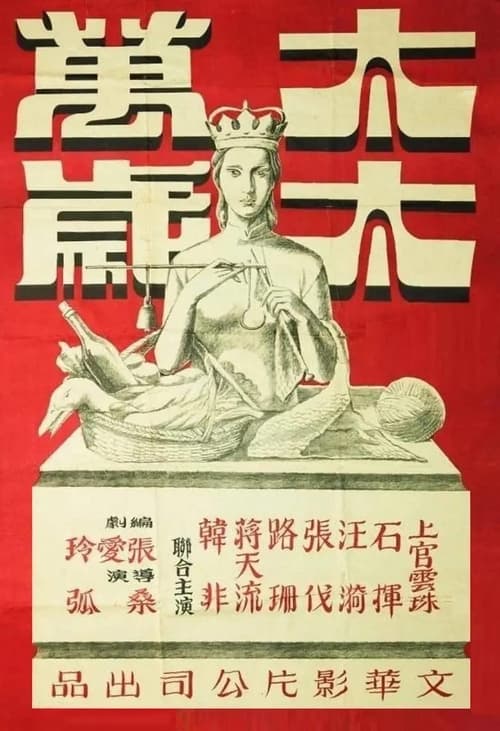
A man who becomes wealthy starts to have an affair and though his wife knows of it, she says nothing. Soon, the affair starts to have consequences and his business falls apart while the man’s sister starts to have a relationship with the brother of his wife.
No description available.
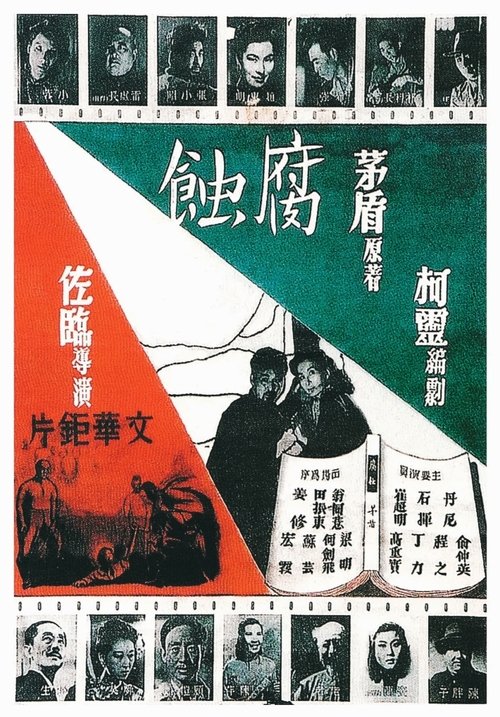
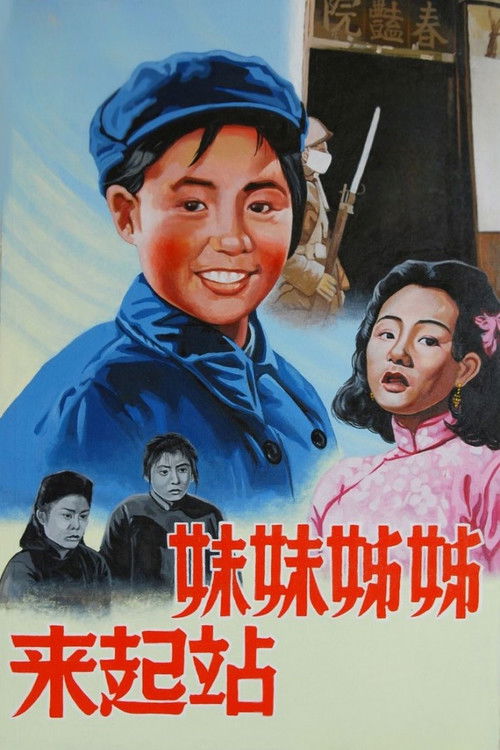
During the war against Japan, a young woman fell into the enemy's spy organization, and engaged in a series of espionage activities, before being inspired by members of the Communist Pary.
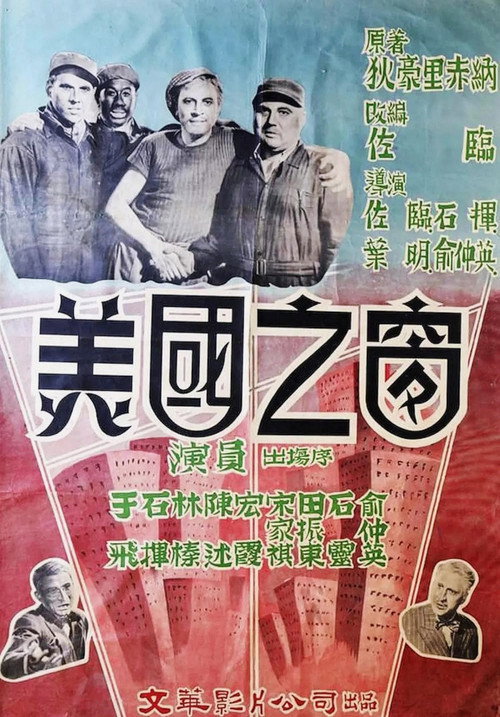
A New York City businessman meets a window washer hoping to commit suicide and decides to market his grief to the highest bidder in this acidic satire on American capitalism, one made even more memorable by the fact that the entire “American” cast are Chinese actors in whiteface. The greedy Mr. Butler (Shi Hui) convinces the suicidal “Charley” that he might as well endorse some cigarettes as he jumps out of his office window, and maybe wear a particular suit too. A true cinematic oddity, this Korean War–era propaganda piece is a satire that Frank Tashlin could envy.
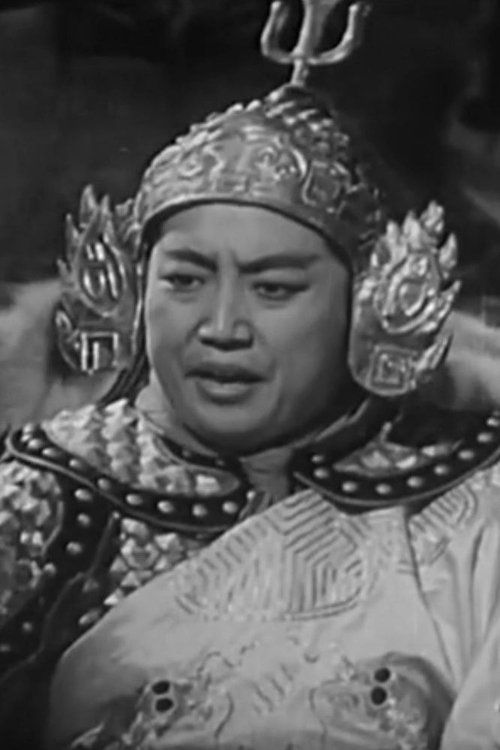
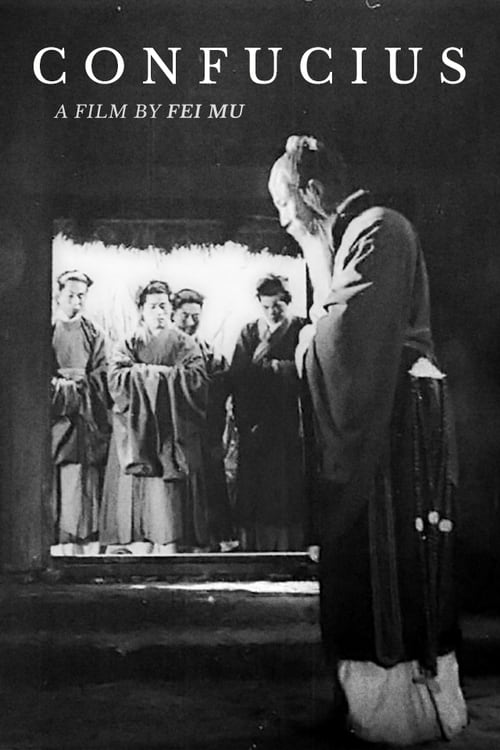
The film depicts Confucius's later life, as he traveled across a China divided by war and strife in an ultimately futile effort to teach various warlords and kings his particular philosophy.
Fifty years of modern Chinese history (1900-1950), including wars, revolutions and corrupt politics, as seen through the life and times of a simple Beijing policeman and his family.
Da Xiang, a girl whose father died early, was deceived and sold to a brothel, and her desperate mother chose to commit suicide. Now a prostitute, she faces a tortuous life.