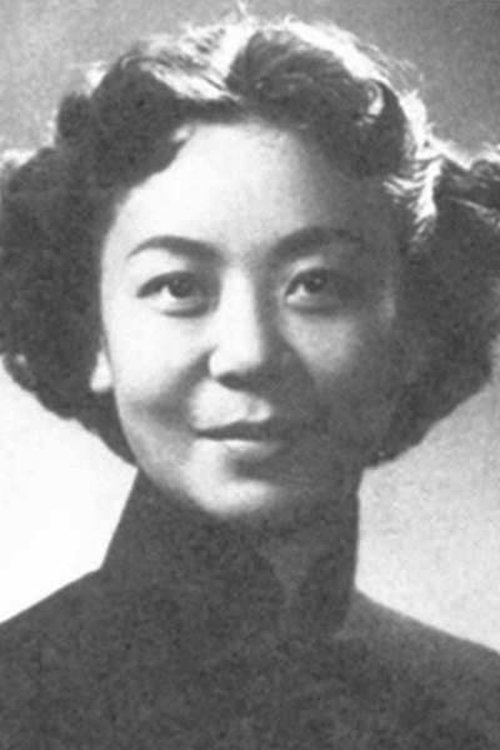
Jiang Tianliu
Acting
Known For
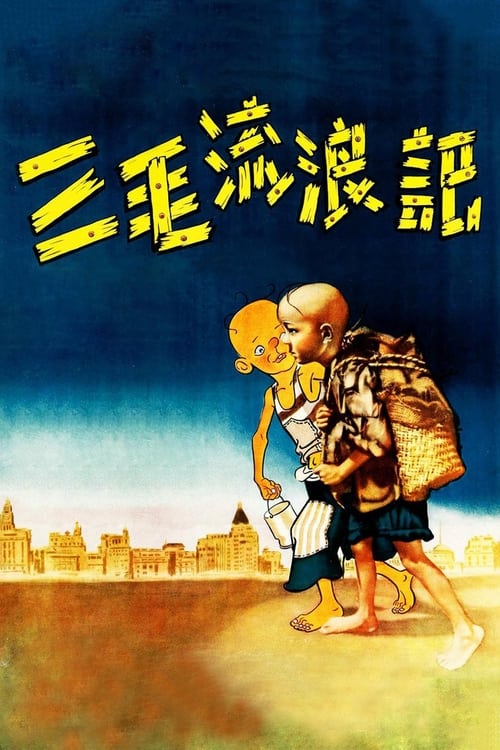
San mao (3 hairs) was a very popular Chinese comic strip first published in 1935-37, continued from 1948 into the 1990s, about a young orphan boy struggling with life in Shanghai.
The Winter of Three Hairs

Sports gain acceptance among workers at a meat processing plant.
Big Li, Little Li and Old Li
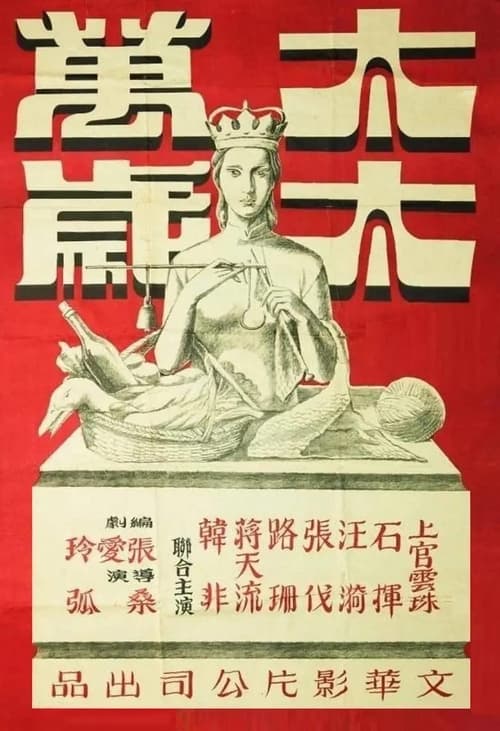
A man who becomes wealthy starts to have an affair and though his wife knows of it, she says nothing. Soon, the affair starts to have consequences and his business falls apart while the man’s sister starts to have a relationship with the brother of his wife.
Long Live the Mistress!
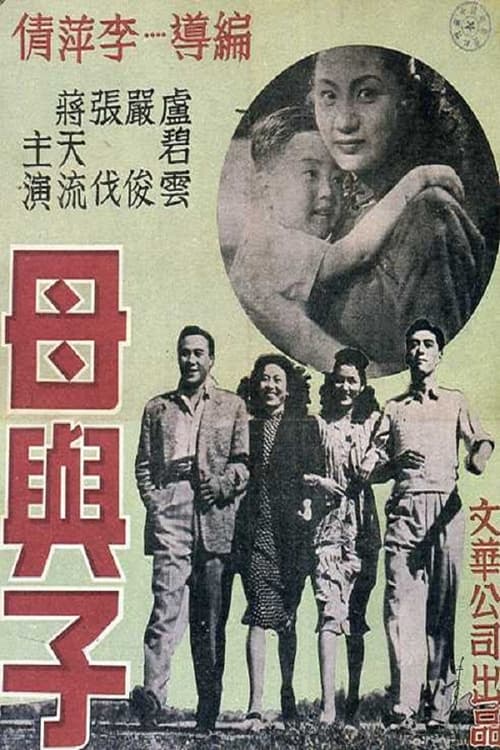
After falling in love with Han Liren and giving birth to an "illegitimate child", Han Liren abandoned her and married a rich girl and cheated her out of the child. Huang Su then left the country, changed her name to Lin Luping, and became an actress. Sixteen years later, Huang Su was so popular that she was invited to perform in Shanghai. The young actor she worked with, Han Chen, was withdrawn and hated everyone, and everyone discriminated against him because he was an abandoned "illegitimate child". On stage, Han Chen played Lin Luping's son and was very successful. Later Lin Luping finds out that he turns out to be her biological son who was cheated away by Han Liren years ago. At this point, the theater owner Han Liren appears and wishes to get back together with Lin Luping, but is rejected by Lin Luping's mother and son.
Mother and Son
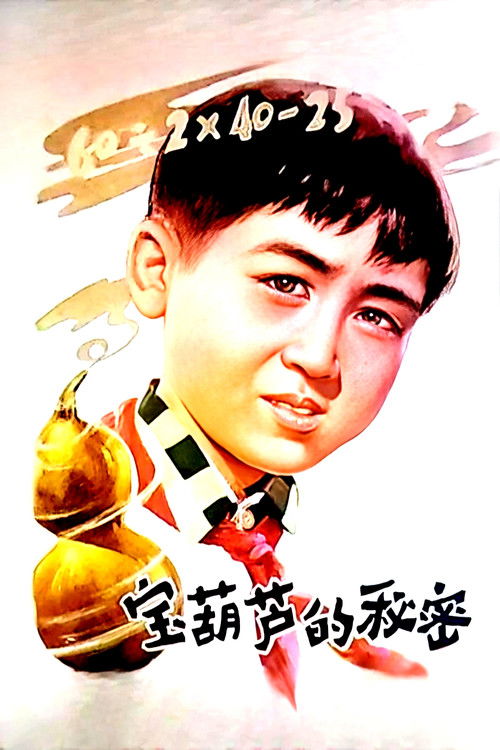
Based on the beloved children's book, elementary schooler Wang Bao discovers a wish-granting gourd that gives him the ability to make his dreams come true. Due to the gourd's erratic nature, Wang Bao confronts his own dishonesty amongst his peers and family, and realizes that you might not get everything you wish for.
The Secret of the Magic Gourd
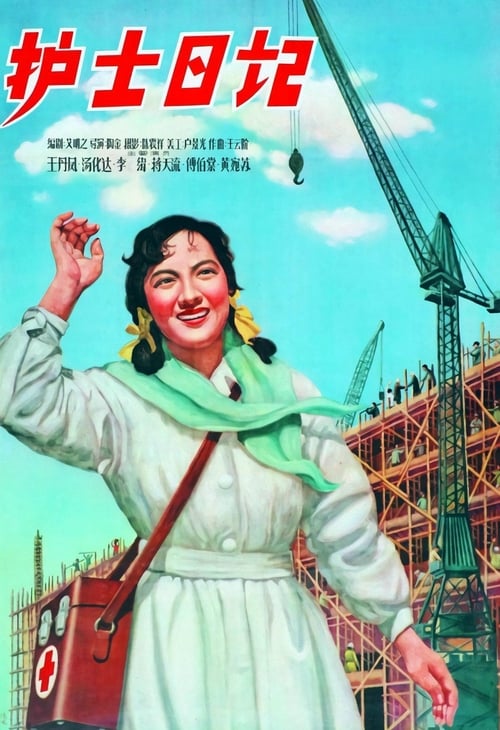
After graduating from a Shanghai nursing school, Jian Shuhua decides to work at a construction workers’ clinic in a remote area, despite the objections of her fiancé Shen Aoru. When she arrives at her new workstation, she finds that one of the clinic directors, Mo Jiabing, pays more attention to his love affair with nurse Gu Huiying than to his work. In addition, Gu’s jealousy is aroused by the arrival of the new nurse. Jian, then, the epitome of the selfless worker, has to deal with a faraway and egotistic fiancé, a selfish and lecherous boss, an unfriendly colleague, as well as the hardships of a remote and barren workstation. How can she succeed?
Diary of a Nurse
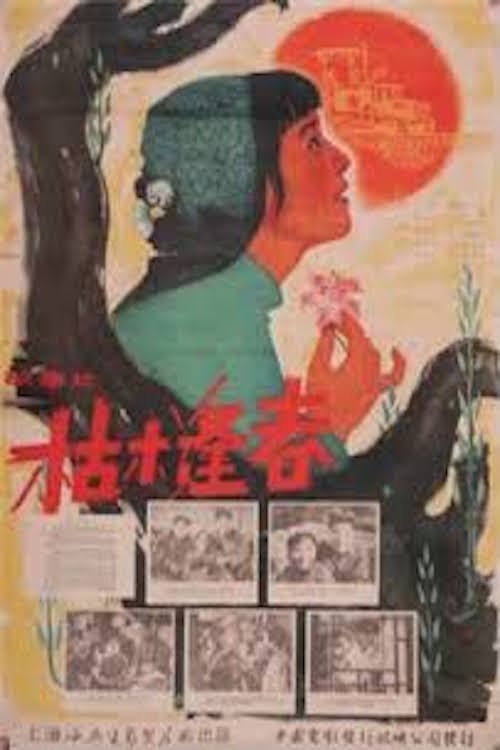
A critical hit during one of China’s most politically charged periods, Zheng’s follow-up to his 1959 anniversary epics merged Soviet-style socialist realism with his own breakthroughs in film technique, specifically his use of continuous camera movement in the spirit of traditional Chinese scrolls. Tractor-kino at its finest, the film revolves around two rural lovers—one struck with a deadly disease—and their eventual survival thanks to socialist medical advances.
A Withered Tree Meets Spring
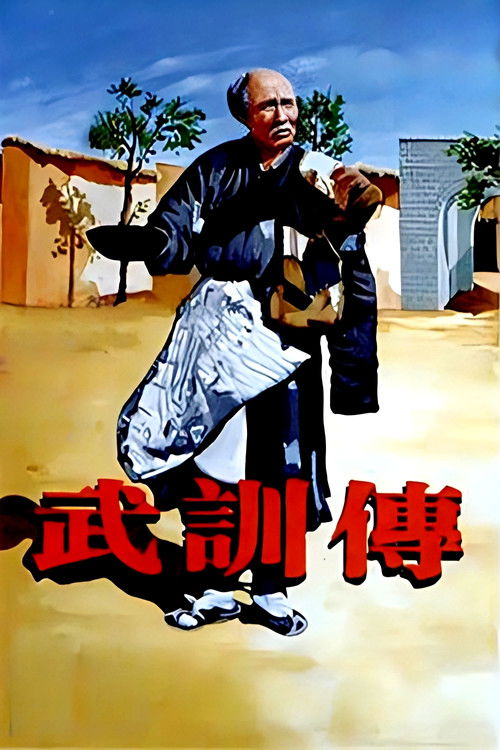
The life-story of Wu Xun, a beggar in the Qing dynasty who set up free schools for poor children.
The Life of Wu Xun
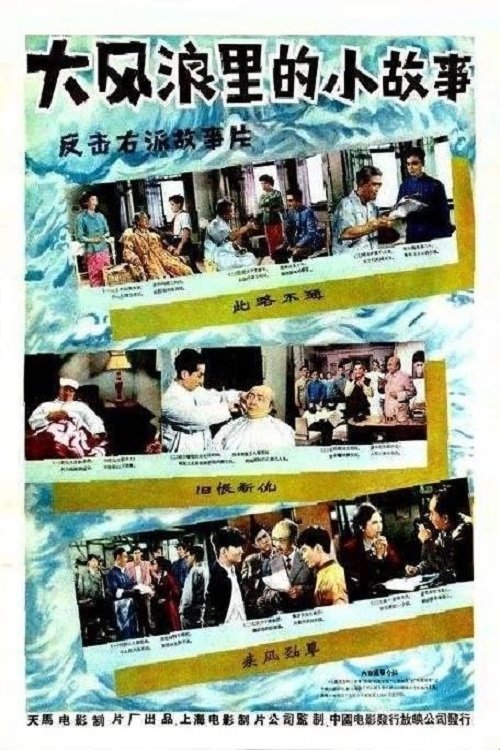
No description available.
A small story in a big storm
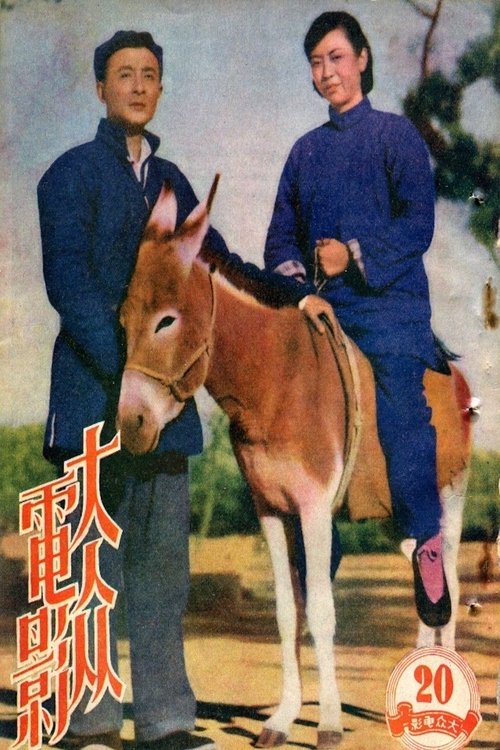
An absorbing example of genre filmmaking in the People’s Republic of China, Husband and Wife could at first glance be mistaken for any other romantic melodrama chronicling the rise and decline of a married couple’s love; here, though, that love takes place in (and is entirely defined by) a realm of political upheaval and Maoist ideology. A Shanghai intellectual marries an illiterate peasant woman–turned–collectivist hero, with outcomes both universal (differences emerge) and specific (revolutionary self-critiques). At first a popular hit, the film (and Zheng himself) was soon critically attacked for counterrevolutionary, pro-bourgeois thought. Zheng even penned a confessional autocritique, but the damage to his career was done. (BAMPFA)
Husband and Wife
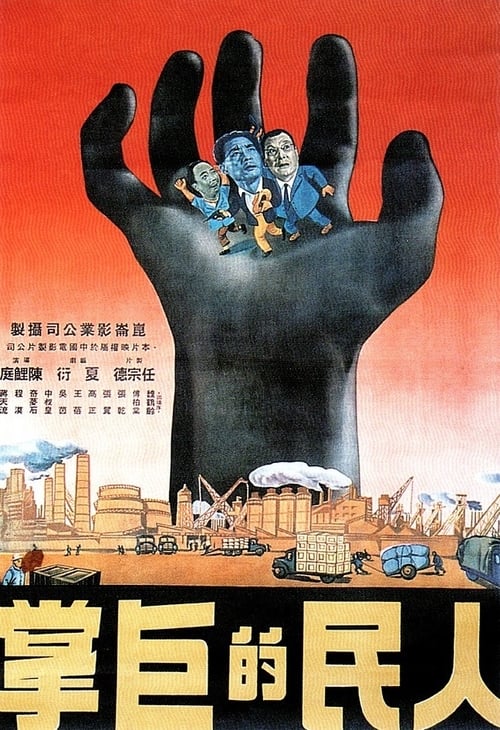
Before the liberation of Shanghai, Nationalist agent Zhang Rong is ordered to blend in with the captive workers of the Baotong Mill and wait for a chance to act. After the liberation, he returns to the factory, disguising himself as a far-left agitator and causing friction between the workers and management.
The Might of the People

Based on the story of Li Zhong about the struggle of Chinese volunteers on the Korean front on the side of the North Korean defenders of the homeland. In the center of the film is the family of the deceased volunteer Yong Qing.