Arab Loutfi
Directing
Biography
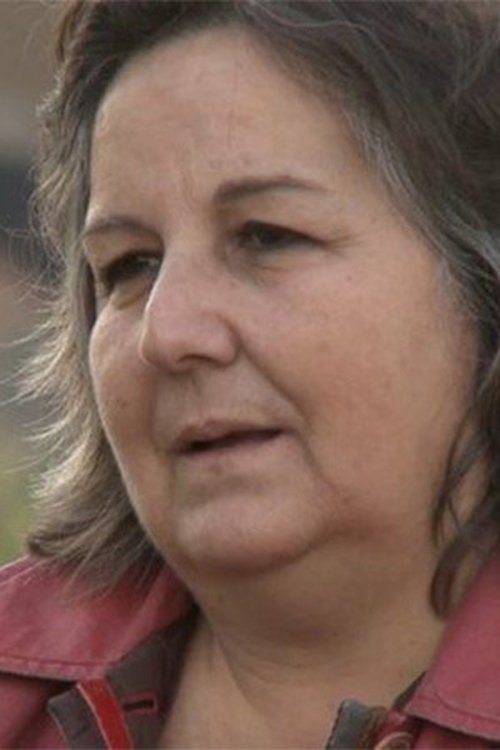
A Lebanese-Egyptian director, born in Sidon in southern Lebanon in 1953, and settled in the Egyptian capital Cairo in 1981, then studied editing at the High Cinema Institute, and worked after graduation as an assistant director, editor and journalist. She also servef as the director of Together Center for Women’s Studies, which she co-founded in 1992,
Known For

When Mona marries the seemingly decent police officer Hisham, she finds out there is more into him than what he shows to the people.
The Wife of an Important Man

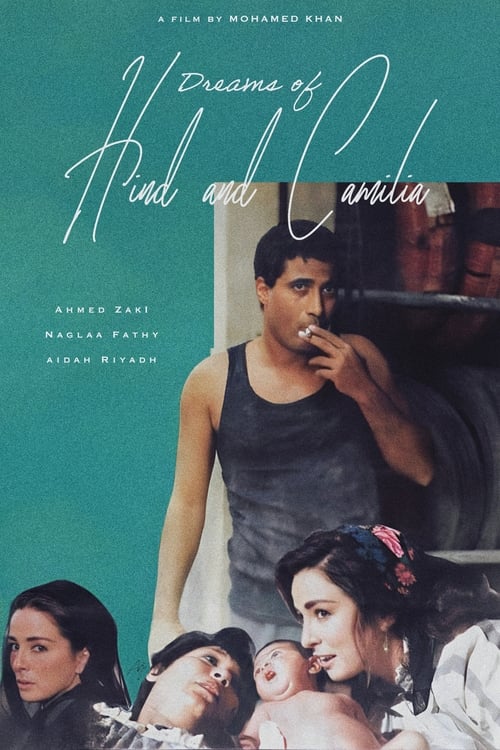
Hend is a young widow who works as a maid, she meets Eid the conman who goes to prison and leaves her pregnant. While Camellia is a divorced maid who supports her unemployed brother and his family in exchange for letting her sleep over in his apartment.
Dreams of Hind and Camilia

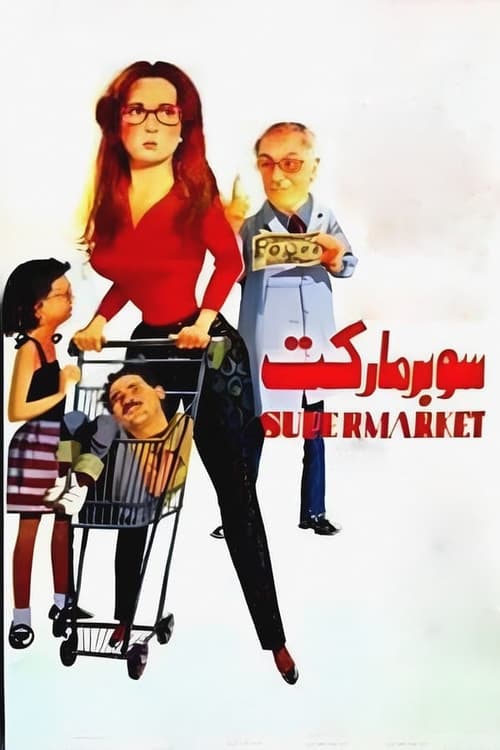
Ramzi is a principled musician who lives in his inlaws house. He plays the piano in a resort to make a living. When his sister in law, who hates music, kicks him out, he moves back to his mother's department, and meets Amira, a childhood friend
Supermarket

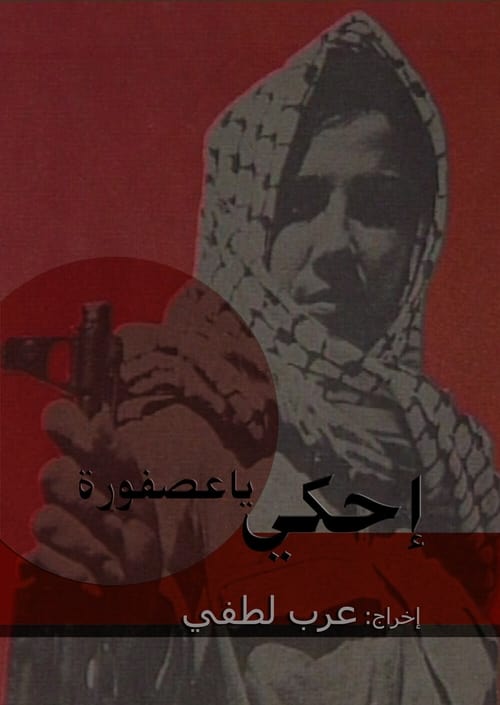
Seven militant women (fedaiyat) of the revolutionary generation tell the story of the Palestinian resistance through accounts of their own lives. Cut from 35 hours of interviews with leaders of the armed struggle, the film presents an image of confident, unapologetic and proud feminine identity. Together, the memories of these women narrate the dream of a generation, yet unrealized.
Tell Your Tale, Little Bird

This film explores testimonies from expelled residents of Tantura, a former Palestinian Arab fishing village that was located 28 kilometers south of Haifa on the Mediterranean coast of Palestine. In May 1948, the village was attacked by Jewish Haganah forces as part of a regional “cleansing” operation in the foothills of Mount Carmel, with the goal of expelling the Arab residents. Many Palestinians were killed and hundreds were imprisoned. Those who survived fled to the nearby village of Fureidis, which was spared destruction when Jewish residents of nearby towns interceded on its behalf. Other survivors became refugees in the West Bank, Lebanon, Jordan, and Syria. Kibbutz Nahsholim and Moshav Dor were subsequently built on land on the outskirts of Tantura. A mass grave is believed to be located under a parking lot, but current residents oppose exhuming the bodies.
Over Their Dead Bodies: Tantura, the Forgotten Massacre

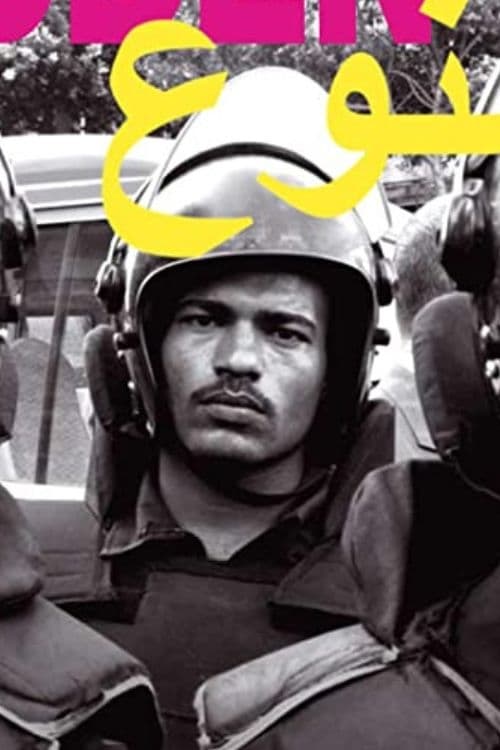
Amal Ramsis captures the essence of a society under a dictatorship where political rights are severely restricted, but a strong social and political movement persists. Unbeknownst to the crew, the revolution begins on the last day of shooting, transforming the film’s narrative and direction.
Forbidden

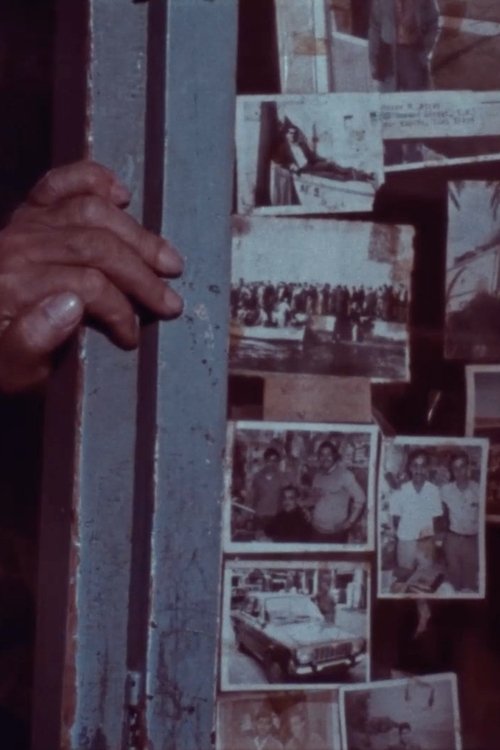
The Upper Gate was about Sidon (The capital of the south of Lebanon), the filmmaker Arab Loutfi’s home town; in which she wove a history of the city through the stories of its people. In her film she tries after the 1982 Israeli invasion, which caused so much damage and chaos, to reconstruct her own memories of the place offering accounts of herself, her sister Maha, her uncle and her friends, interspersing them with newspaper clips and personal photographs to illustrate her preoccupations and concerns in relation to Sidon at different times.
The Upper Gate

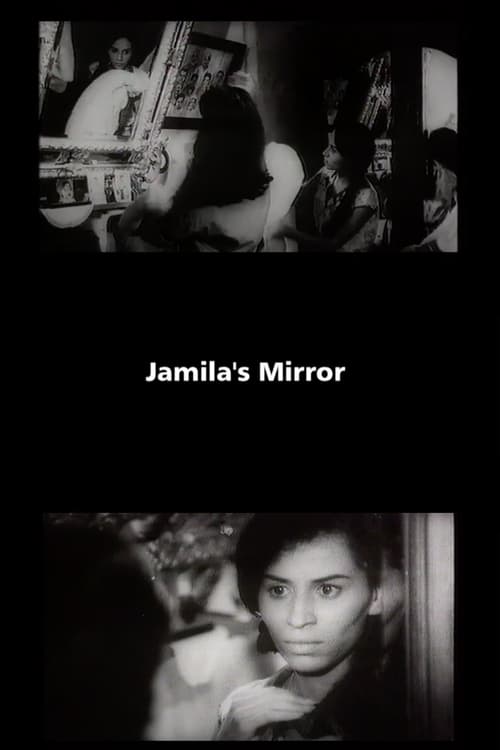
Deals with the memories of Palestinian female guerilla fighters, currently in their forties, who were involved in military operations during their teen years.
Jamila's Mirror

A visit to Ain Elhelwi and Shateela camps in the year 1999.