Acting
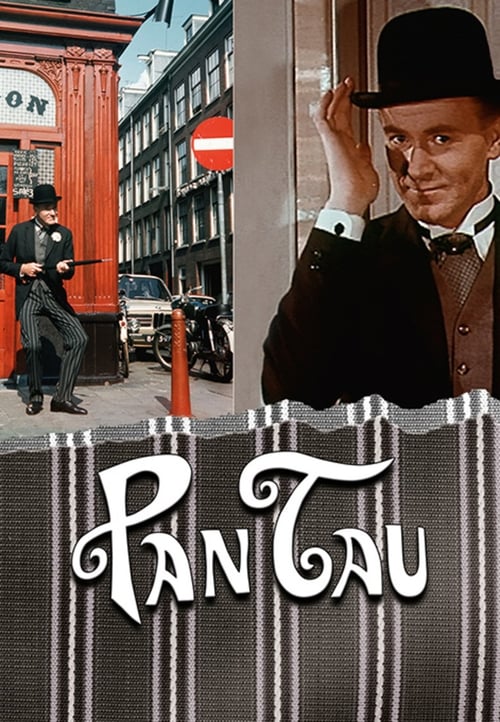
Pan Tau always had a gentle expression and a friendly smile, he was elegantly dressed in a stroller, with an umbrella and a white carnation in the lapel. Foremost, he was famous for his magic bowler hat. By tapping on his hat, Pan Tau was able to change his appearance into a puppet, to conjure up miscellaneous objects or to do other magic. His most characteristically behavior is that he would help children who were experiencing some sort of difficulties in-between their dreams and reality, like finding a place for skiing, settling family problems on Christmas, and even give a boy a good time at a fair when he is supposed to have piano lessons. To adults, he usually remained invisible.
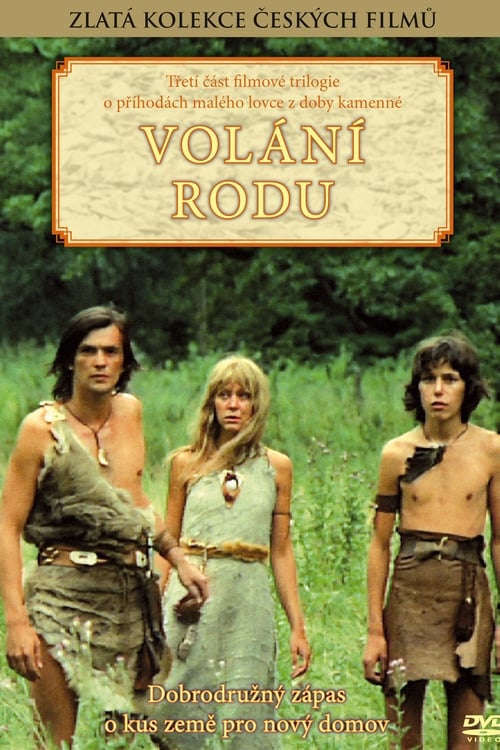
Third movie of the famous Czech adventure trilogy: Osada Havranů Na veliké rece Volání rodu
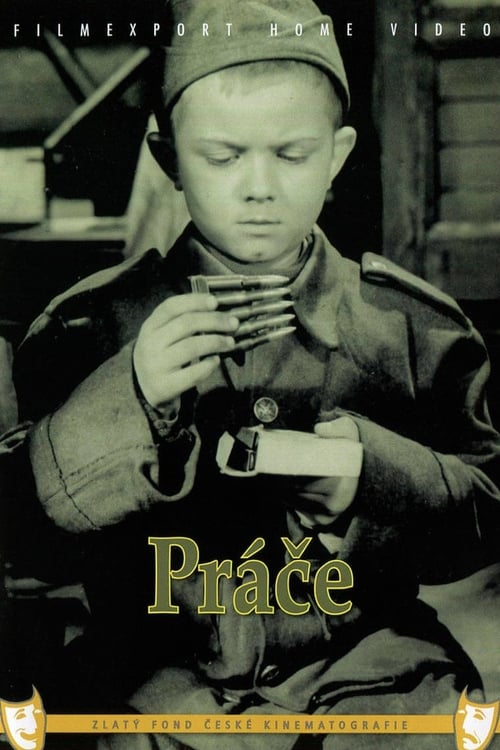
A young Czech boy is freed from a concentration camp and now is working for the army against the Germans.
No description available.
The accountants at a agricultural cooperative near Prague have completed the calculation of wages. The driver with the cashier are leaving for a bank in Prague to withdraw the cash amounting to over one million crowns. On returning back, an oncoming heavy truck appears, crashing into their car. The injured men cannot defend themselves, and the whole cash is stolen from them.
The film was based on the novel "Milión" by Karel Štorkán. The book and the film depict the events surrounding the great construction disaster in Prague in 1928, in which 46 construction workers died. The disaster thrilled the entire republic at the time, yet was never fully explained. The filmmakers focus on the story of Ing. Vondrák, the designer of the construction.
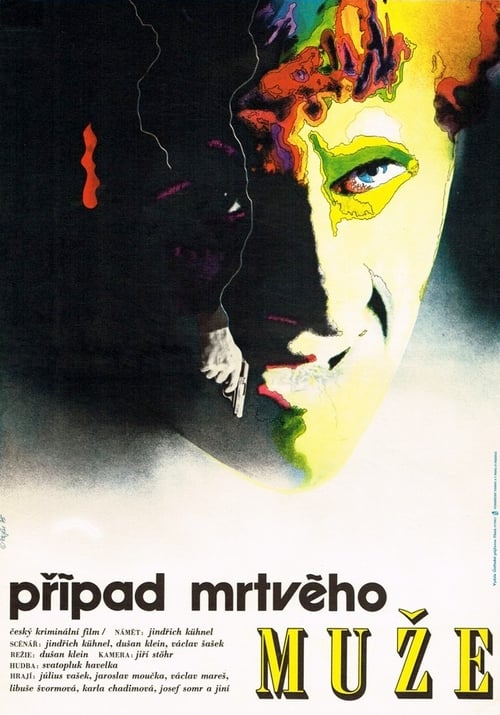
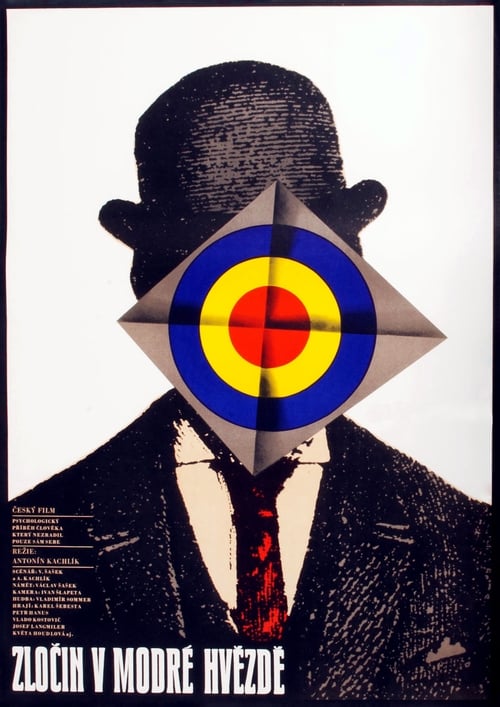
Late at night Eva Trojanová returns home to an agitated husband; three days later, her body is found with bruises on her neck. Her spouse, missing after a business trip, becomes the prime suspect and flees to northern Bohemia. When investigators learn he is innocent, Captain Hart continues pursuing him, not as a criminal but as a desperate man whose plight may endanger himself or draw him into conflict with the law.
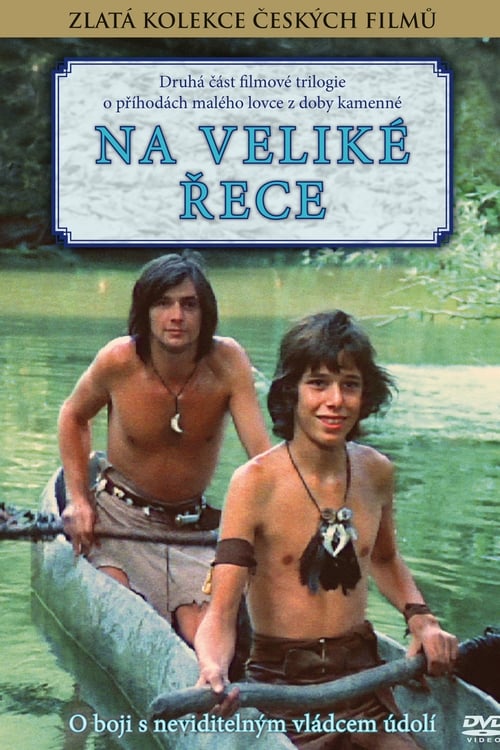
Second movie of the famous Czech adventure trilogy: Osada Havranů Na veliké rece Volání rodu
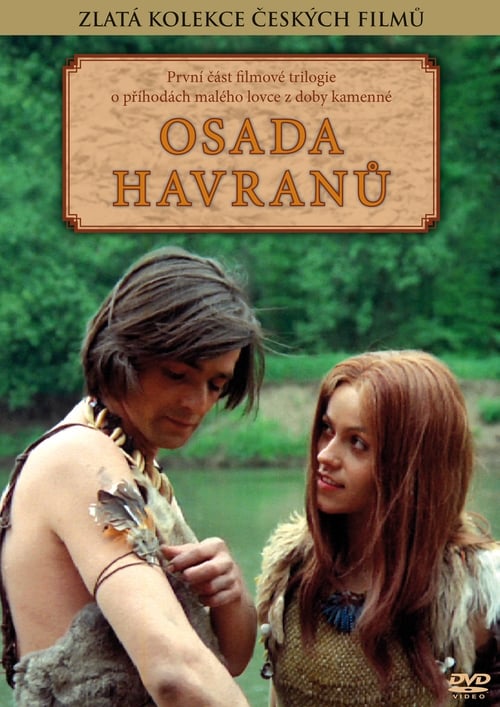
First movie of the famous Czech adventure trilogy: Osada Havranů Na veliké rece Volání rodu, based on the works of Eduard Štorch and directed by Jan Schmidt. Each of the films is a completely separate and self-contained story, although they are all connected by some characters and, of course, by time - five thousand years ago. The story of the Ravenpiercer, a young hero from the Stone Age, is shrouded in mystery - for he was brought there by a swollen river. He was fished out of the waves by a young hunter, Sokol, and adopted by the Raven village. The fate of the boy from his childhood through his desire to become a hunter, through the many disappointments that await him among the adults, to the founding of a new family - this is the plot thread connecting the individual parts.
Young script-writer Frantisek (Petr Cepek) is hired to write a film script based on the successful novel Looking Back. He meets with the novel's female author, a University professor and writer named Olga Machová (Jirina Trebická), approximately ten-years-older than him. In the beginning, they do not understand each other at all. Frantisek is a skeptic experiencing a moral crisis, unsatisfied with both his work and his private life - he lives separated from his wife and has no deeper feelings for his numerous lovers. He even gets drunk from time to time and breaks the public peace. Olga is lonesome, too, but considers her life fulfilled.
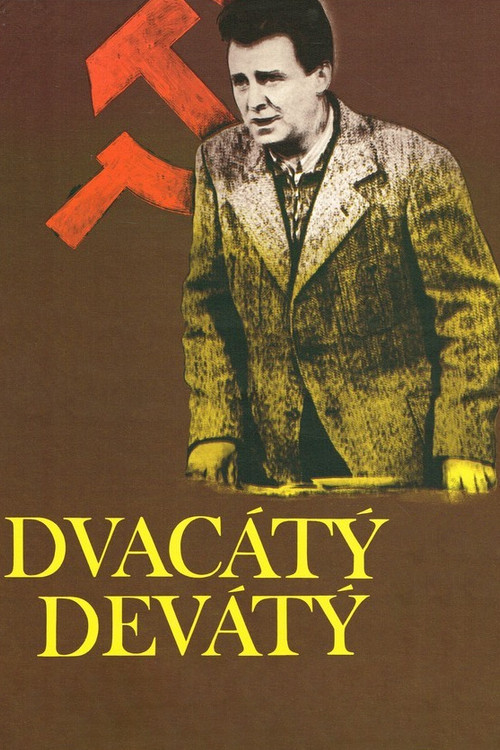
In the era of normalisation, a number of (pseudo)historical films were made, even described as reconstructions, which glorified the world-building mission of the Communist Party and attributed to it exclusively humanitarian intentions ("Days of Betrayal", "Sokolovo", "Liberation of Prague", "The Victorious People"). In 1929, when its fifth congress met, Klement Gottwald, who had taken the line of the Russian Bolsheviks, took over the leadership of the Communists...
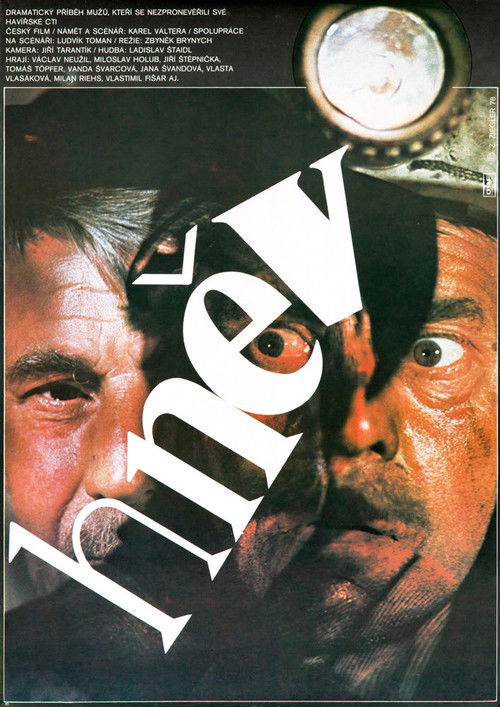
Sunday in September 1977, a celebration of the Miners Day. The old Hepnar is sitting at the cemetery and is recalling events from ten years ago. That time the representative of the ministry Barvír announced at the miners meeting that mining in the mines would decrease. He reasoned this decision by the fact the deposits of coal are almost used up. The boss of the mine and most of the miners protested. Barvír did not take their critical objections into account. He announced at the communist district meeting the closure of the business as the mine according to new economic principles did not prosper.
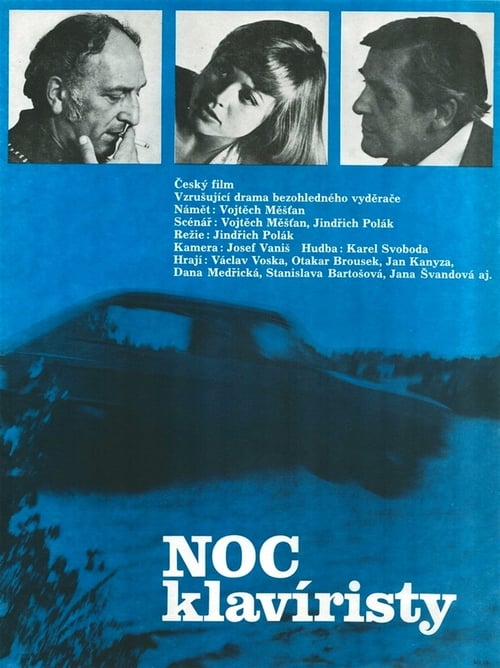
The problematic protagonist is the head designer of a housing association who wants to make a profit at any cost. His unwitting opponent is a bar pianist who accidentally witnesses the murder of a young man and sets out to investigate on his own. An old-world and somewhat comical figure, he poignantly interferes with the cops' work, only to find that he is the one who is credited with catching the perpetrator...
In 1955, a detained agent feigns loss of memory, speech and hearing. According to his written statements, his name is Karel Neumann and he was born in Radhost...
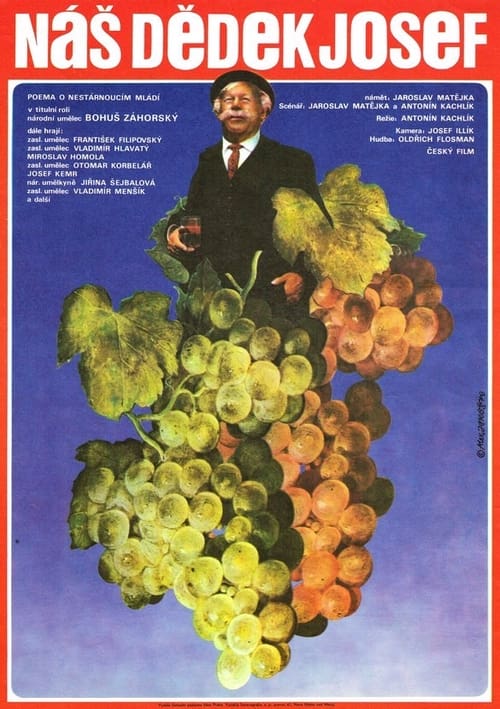
Set in a 1950s Moravian wine village, an elderly Josef, guided by his quirky life philosophy and humor, recalls key moments from his past. Across nine seasonal vignettes filled with local folklore and customs, he and his fellow elders remain fully engaged in the joys and trials of village life.
It is 1920, political unrest is growing in Prague and the Social Democrats are about to betray their historic mission by prioritising their own selfish interests instead of those of the working class. An extortionist scandal falls on the Social Democratic deputy Jandák, forcing him to renounce his convictions. Under these circumstances, the seriously ill Hungarian revolutionary Kerekes, who had to flee his homeland, is hiding in Prague...
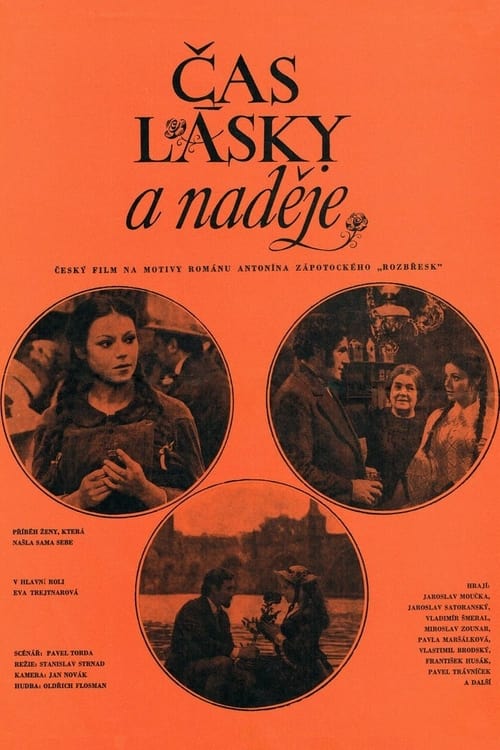
A colour-printed melodramatic selanca from the beginnings of the organised labour movement in Bohemia... Antonín Zápotocký, the second workers' president, is the author of the literary novel Rozbřesk - the plot is said to be inspired by the fate of his grandmother and mother.
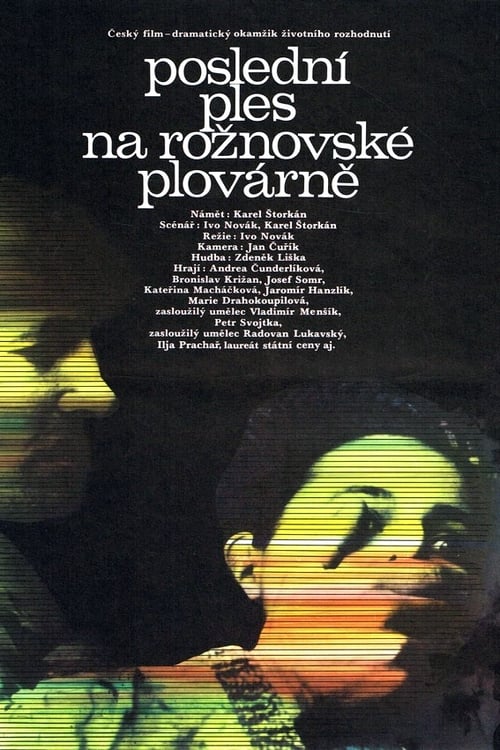
This story from the time of the occupation tells how the students of the teachers' institute decided to hold a traditional ball despite the ban. However, they had to cope with conditions more than threatening: the presence of Nazi thugs who intend to execute captured partisans as a warning...
The life of cabaret and theater actress Xena Longenová.