Acting
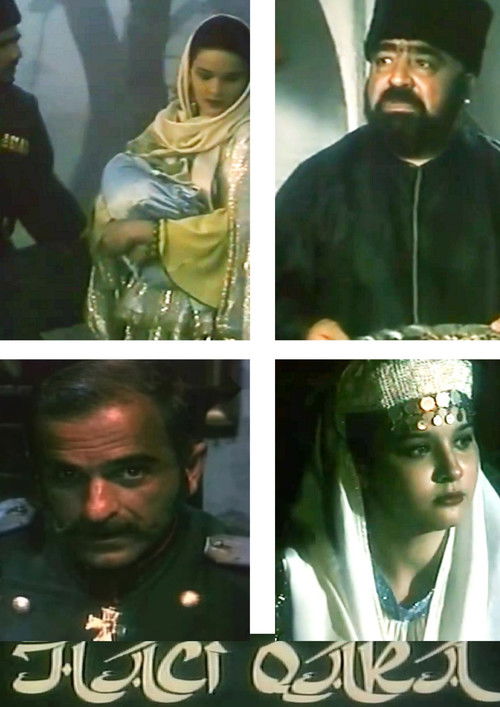
The film is about village boy who became an enlisment officer and came back to Garabagh and fell in love with bey's daughter.
The film is about man and woman who remembered their childhood. The film reflects atmosphere of Baku. It is an adaptation of Anar Rzayev's "Georgian surname" novel.
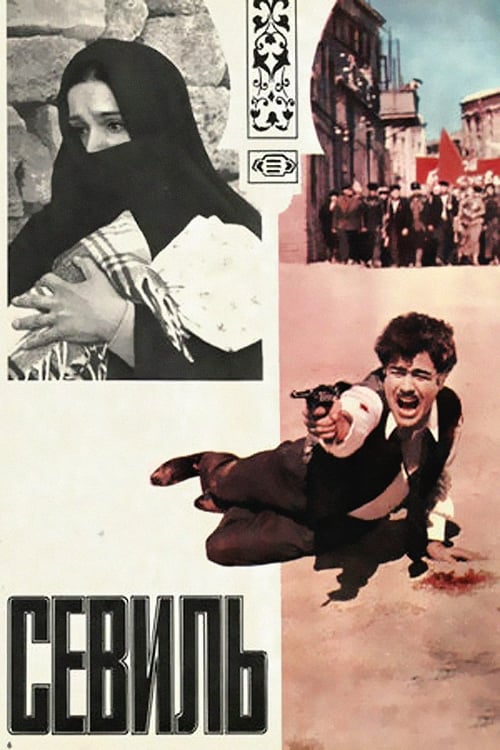
The film takes place in Baku in 1918-19 and then several years later. The film is based on the opera of the same name by Fikret Amirov. Sevil became the first film opera in the history of Azerbaijani cinema.
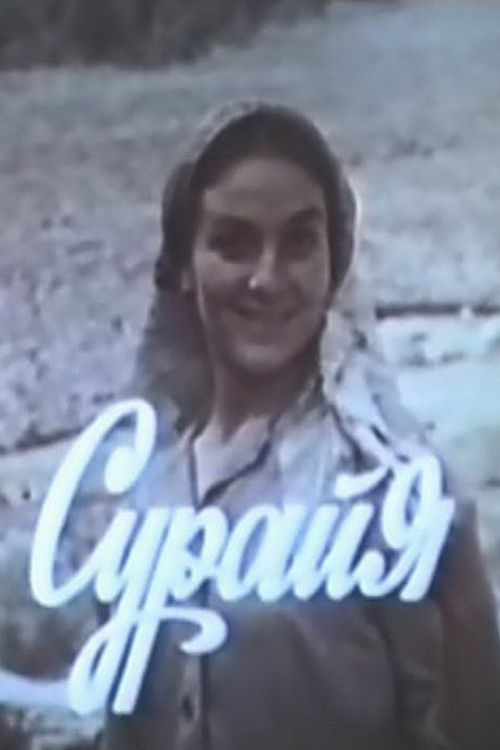
Suraya, a young milkmaid from a remote mountain village, is searching for her fiancé Seifetdin in the city. She learns that he has long been married and has a son who lives with his elderly, sick grandfather, as Seifetdin is serving a sentence for hooliganism. Surya takes the boy to the village to care for him, but then Seifetdin's wife shows up...
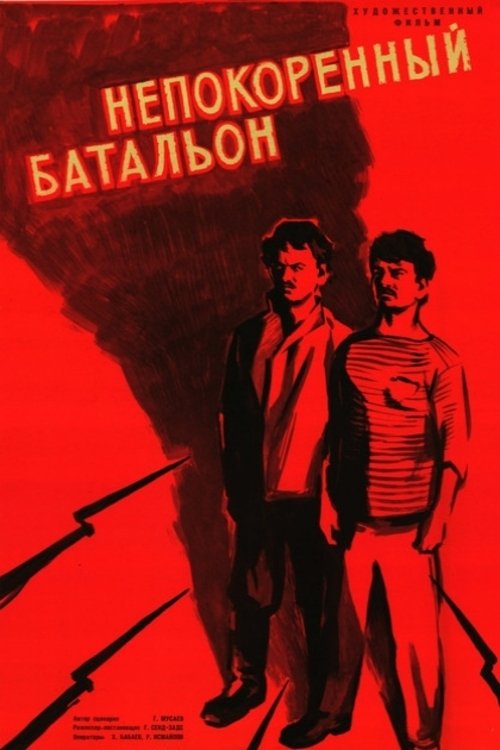
Two men from neighbouring villages – the Armenian Artavaz and the Azerbaijani Gadir – find themselves in the chaos of the conflict between their two countries. Brought together by a play of fate, they flee an incomprehensible war.
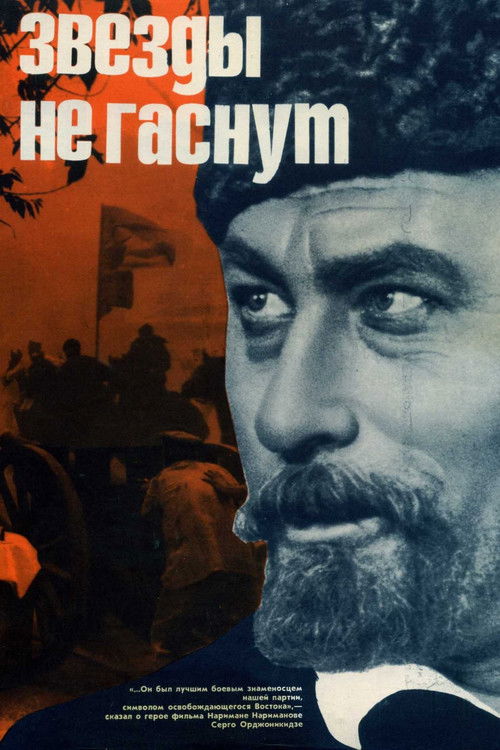
The film consists of several novels reproducing the most vivid pages of the biography of the first Chairman of the Council of People's Commissars of Azerbaijan Nariman Narimanov (1870-1925).
No description available.
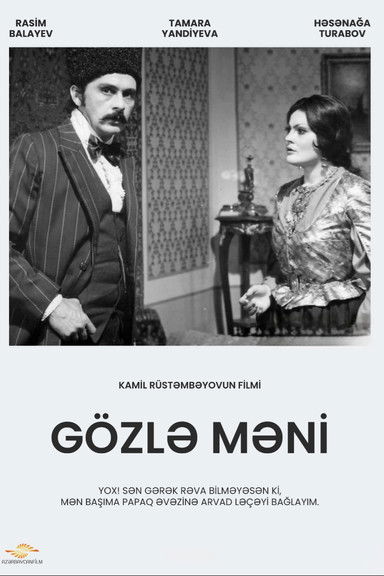
The film is based on the play of the same name by Mirza Fatali Akhundov, the founder of Azerbaijani dramaturgy.
Film about growing up in a small village in Azerbaijan.
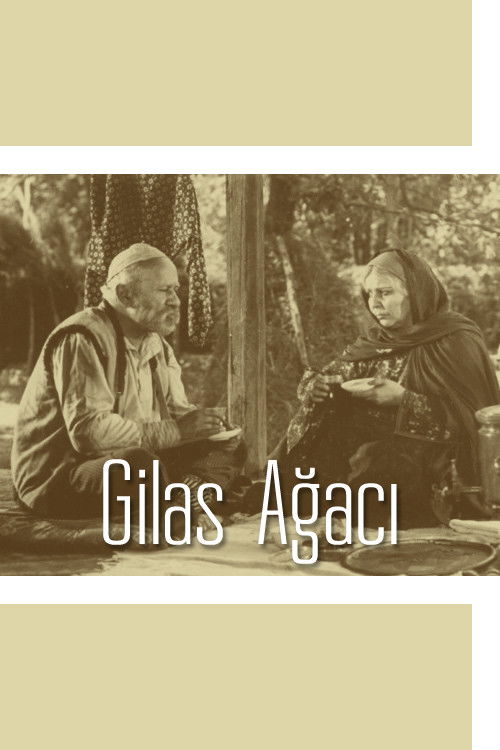
It is the story of an old man - Gulam - and the cherry tree which grew in his garden. As the story opens, the village children consider Gulam their best friend. But as the war wears on, Gulam directs his kindness and affection to his cherry tree, shielding the tree from the children who are starving. In the process, Gulam becomes very aggressive and eventually is seen as the enemy of the children. The movie shows how war can destory even the most tender and gentle feelings, as well as the most basic moral values of being human.
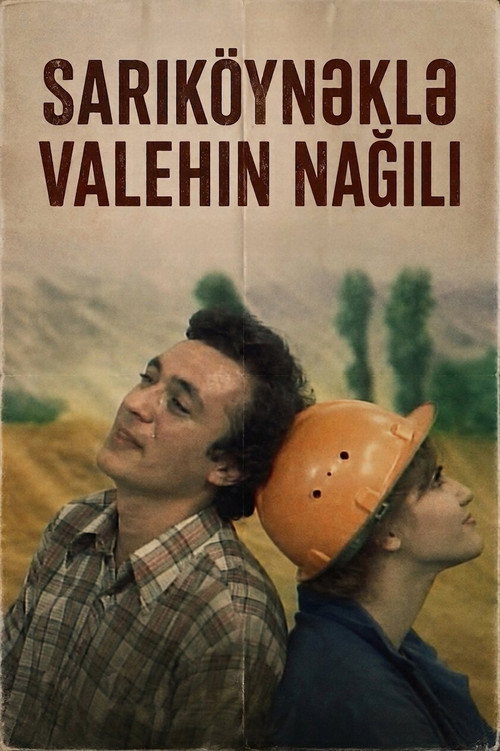
The tragic fate of Sarikoynak and Valeh, who have loved each other since childhood and got married. However, their love for each other overcomes every difficulty and no force can prevent their happiness.
The film is about events which has happened with the "Potyomkin" ship.
After the novel of the same name of I.Shykhly. The film is about new intelligenzia in Azerbaijan at the beginning of the 20th century.
The events occur during the Nagorno-Karabakh War. Because of a corpse in a zinc coffin with an arguable address, two families get excited. Having cut the lid off the coffin to identify the soldier, they find out that he is, in fact, Armenian - former citizen of Baku.
The film is about young village man and about his love's.
The novelette was written by I.Huseynov. In the film, the problem of war is viewed from the perspective of love. Almost all of the men of the village are at the battlefront. The women who stayed in the night and day to support their efforts. Children wake up in the middle of the night, crying for bread. All of the villagers feel anxious for the men to return. Mothers are waiting for their sons; wives, for their husbands and children, for their fathers. When Sayali's husband dies at the front, her husband's friend Jabrayil proposes to her. The people of the village are furious. Jabrayil's brothers leave home, convinced that their family has been disgraced. One brother goesw crazy; the other fall ill and dies. The only person who doesn't blame Jabrayil is the "agsaggal" (the wise old man) of the village - Isfandiyar Kishi. In this film, note single sound of weaponry is heard, not are any battle scenes depicted, yet we still witness the inherent tragedy of war.
An old violinist thinks over his past life on the eve of the 80th birthday. His reflections result in looking for once composed but then forgotten melody. A chance meeting with dancer Rena takes him away to his lost love. He realizes that a person who has betrayed himself is doomed to tragic finale.
Based on Jafar Jabbarli's play.
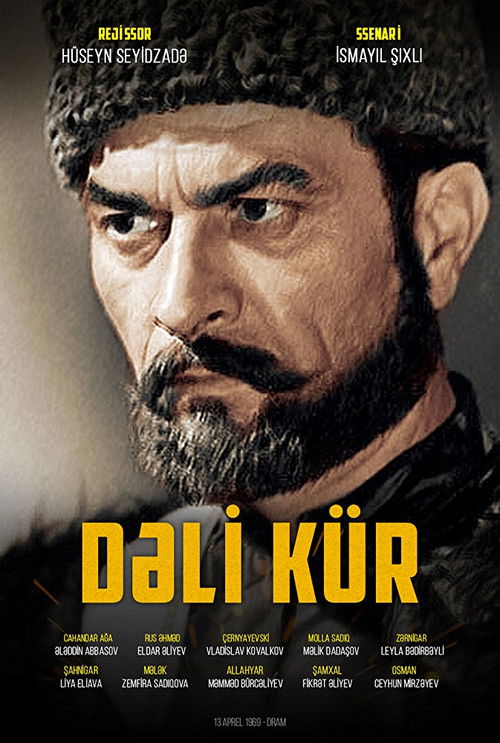
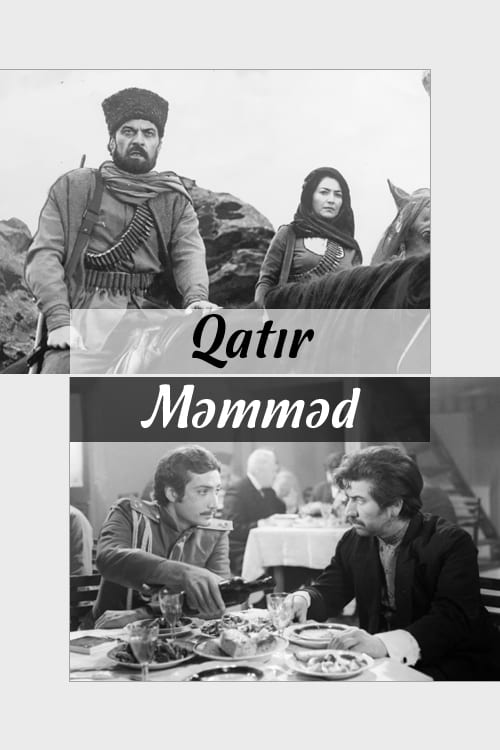
The film is about the rebellion in Ganja in 1919-1920 at the head of Gatir Mammad.