Acting
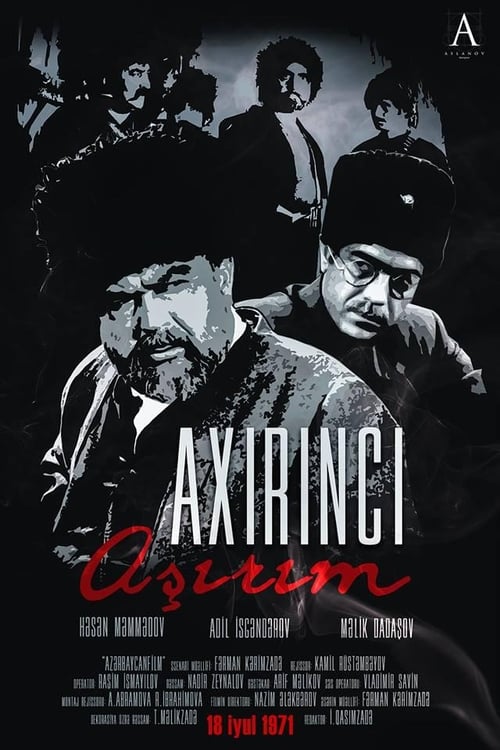
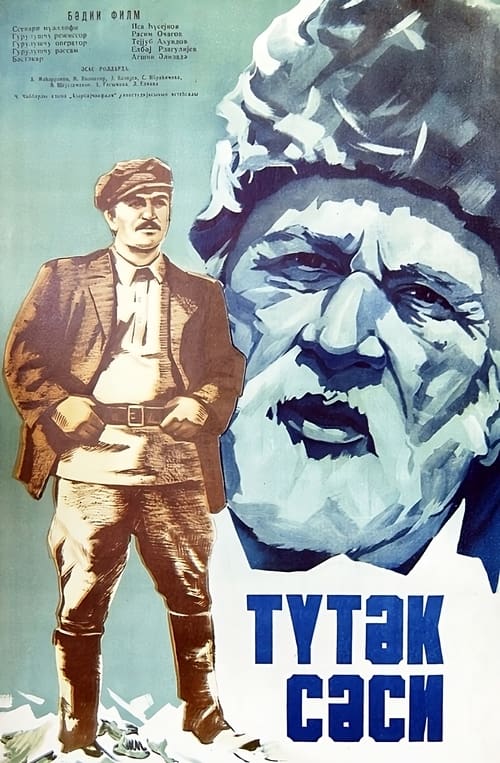
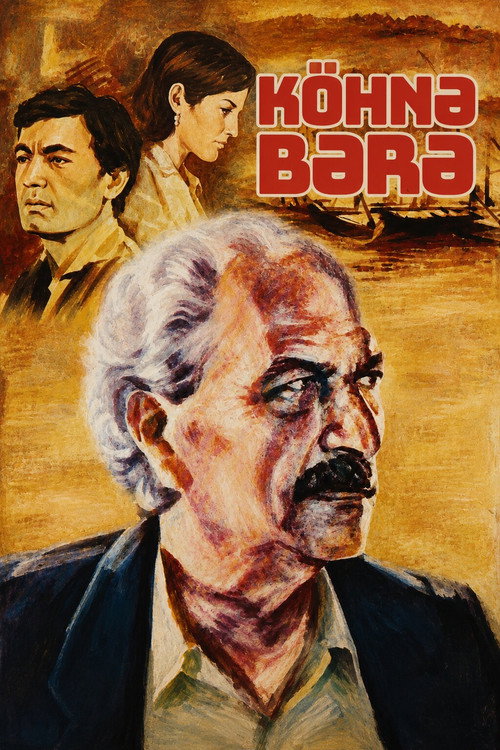
Based on a novel by Farman Karimzade, the movie shows the life in an Azerbaijani village under the Soviet rule in 1930s. Here two former "beys" (land owners) are opposing each other. One is loyal to the ideology of the past and can't reconcile himself to the new power, to second rejects the past and accepts the power of the Bolsheviks, believing that it will establish justice.
Made in the tragic comedy genre, this film is about the dysfunctional Soviet management system in Azerbaijan SSR at the end of 1980s and about the decadence and corruption of the Soviet bureaucracy.
A journalist is investigating a group of poachers who are illegally selling the huge amounts of fish
The film is about village boy who became an enlisment officer and came back to Garabagh and fell in love with bey's daughter.
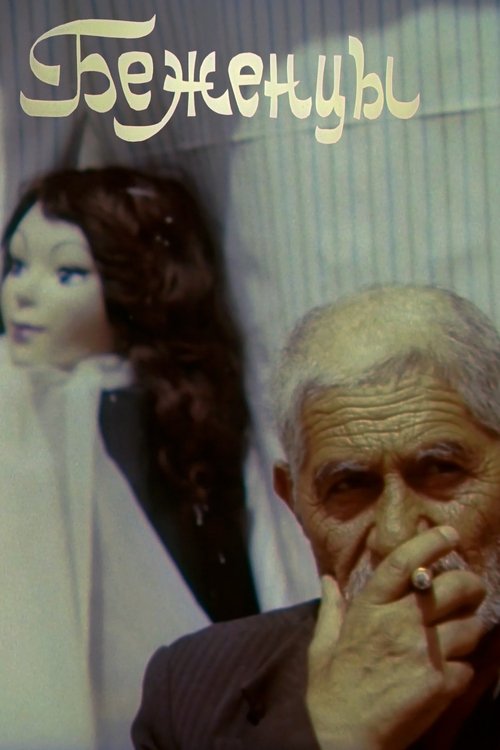
A mountain Daghestani village of our time. Though the civilization reached these places, but traditions and customs consolidated their grip on local folks minds. An old respectable mountain-dweller, a well-educated person in looks, the Palace of Culture director, a father of the young girl, who if ready for marriage, is no exception. According to the old custom a womans parents have to find a well-off groom and get bride-money. And they have an appropriate groom a respected mechanical engineer from a canning plant. But the girl destroys all their harmonious plans, falling in love with a simple driver.
The hero of the film coming to the village for a short while decided to stay there by his medical duty.
A story about an oil worker who went from the head of a geological exploration expedition to the chief geologist of the trust.
The film is about the public prosecutor who fought against the criminality but was killed by them.
Film about growing up in a small village in Azerbaijan.
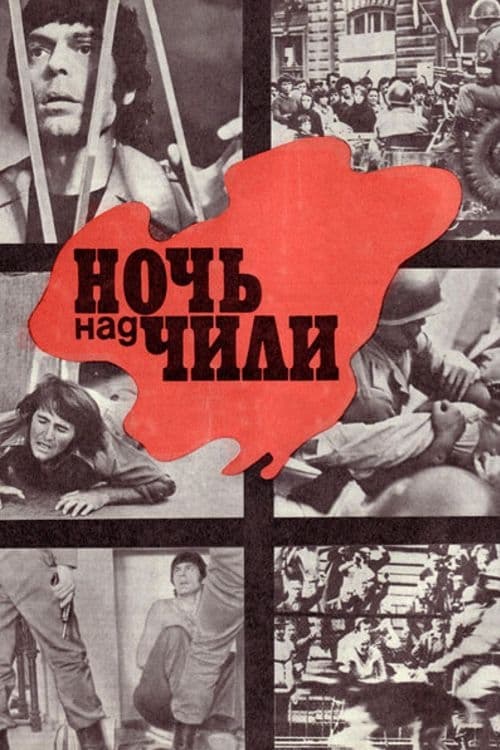
A Soviet docudrama chronicling the events surrounding the military coup which toppled the leftists Chilean government of Salvador Allende. This film confines its efforts to the main events themselves and is based on interviews with eyewitnesses, including many who resisted the takeover.
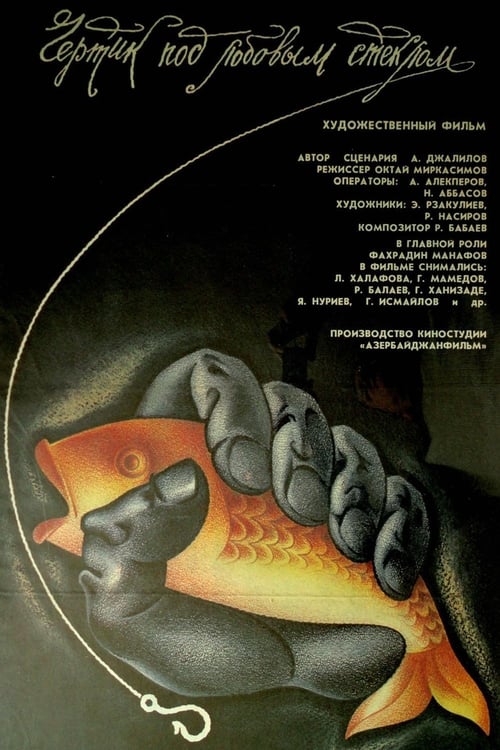
Rasim, a young mechanic, meets Surayya and falls in love with her. But he is dragged into Shirmammad's wrongdoings; Shirmammad is Surayya's father and the leader of a gang of poachers. Realising his fault, Rasim tries to convince Surayya to stop trafficking in stolen fish. After a long period of reflection, Rasim becomes aware that he cannot go against his conscience, even for love's sake.
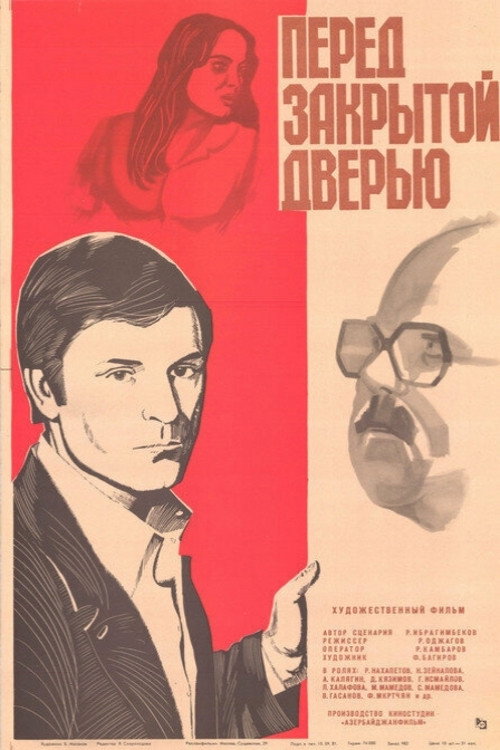
Murad, the favorite of the entire court, has just returned from prison, where he ultimately took the blame for his friend's crime. All this time, his fiancée Gul waited for him, and now they are getting married. Meanwhile, behind one of the doors overlooking Murad's garden, a woman's scream can be heard from time to time, but the neighbors do nothing. Will Murad be able to rise above the general indifference to his neighbor's affairs and help the unfortunate woman?
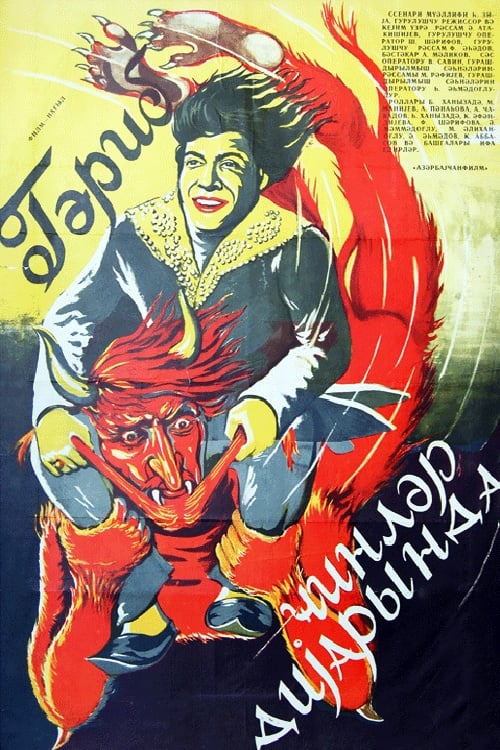
The twin brothers Sachib and Garib are cheerful and funny boys. They tend to their small farm and take care of their mother and sister. But Garib is no longer satisfied with this "simple" life. He wants to achieve prestige and prosperity. One day, while working in the fields, he is surprised by a demon who promises him wealth, fame, honor, and power if Garib works for him. Garib succumbs to the temptation and accepts the offer. His task now is to impart his knowledge and skills to the cave dwellers, called jinn. At first, Garib feels comfortable and succeeds in transforming the underworld into a fertile and flourishing landscape. But Garib is increasingly tormented by his longing for his family back home.
The novelette was written by I.Huseynov. In the film, the problem of war is viewed from the perspective of love. Almost all of the men of the village are at the battlefront. The women who stayed in the night and day to support their efforts. Children wake up in the middle of the night, crying for bread. All of the villagers feel anxious for the men to return. Mothers are waiting for their sons; wives, for their husbands and children, for their fathers. When Sayali's husband dies at the front, her husband's friend Jabrayil proposes to her. The people of the village are furious. Jabrayil's brothers leave home, convinced that their family has been disgraced. One brother goesw crazy; the other fall ill and dies. The only person who doesn't blame Jabrayil is the "agsaggal" (the wise old man) of the village - Isfandiyar Kishi. In this film, note single sound of weaponry is heard, not are any battle scenes depicted, yet we still witness the inherent tragedy of war.
KGB officer Galkanov is sent to Europe to investigate how gold coins linked to high-ranking Soviet officials are finding their way into foreign banks. As he digs deeper, the case leads him back home to Turkmenistan.
Popularly known by the name of the main character, "Mashadi Ibad" was based on a musical comedy by composer Uzeyir Hajibeyov and written in the early 1900s. The story is based on the age old-theme of a beautiful young woman Gulnaz who falls in love with a young man Sarvar but is obliged to marry someone else.
At the crossroads of relationships between fathers and children, cities and villages, existing problems are revealed.
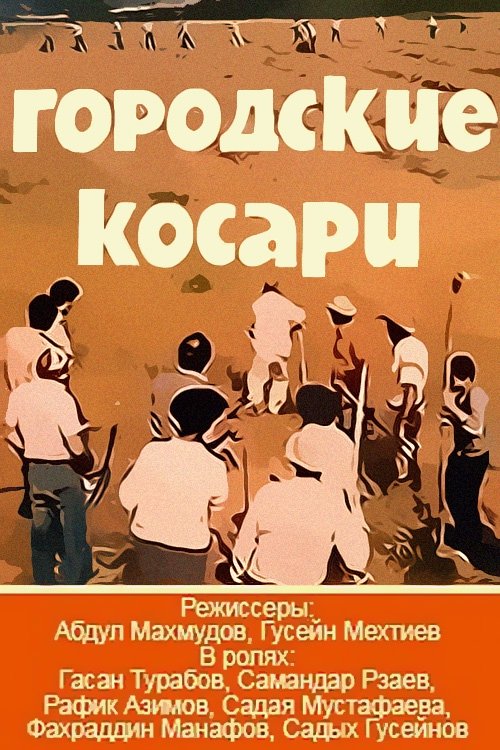
The story of the conversion of uncultivated lands in one of the Azerbaijani villages into vineyards, the serious structural changes in agriculture that occur as a result, and the emergence of moral and psychological problems. It also discusses the socio-economic problems facing grape growers in our republic.
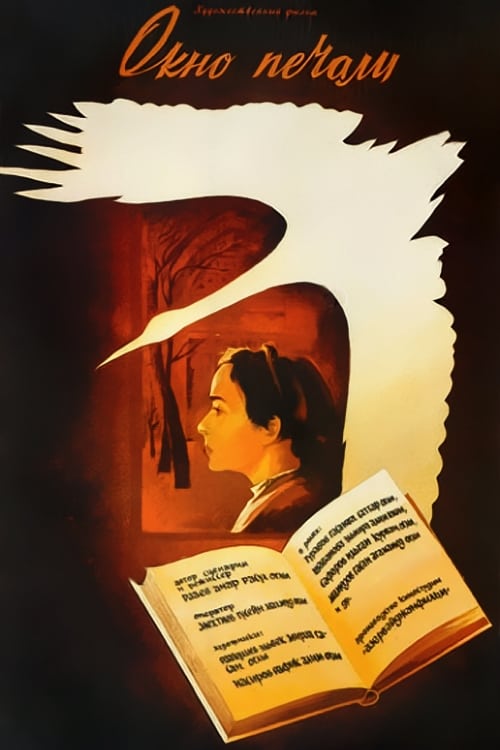
Sketches from the life of an unnamed Middle Eastern country. The film features poems by Palestinian poet Muin Bseiso (1930–1984).
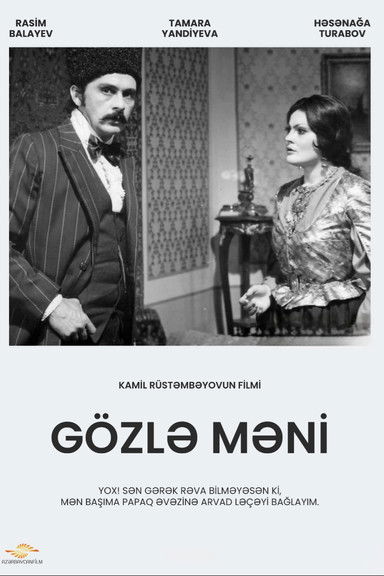
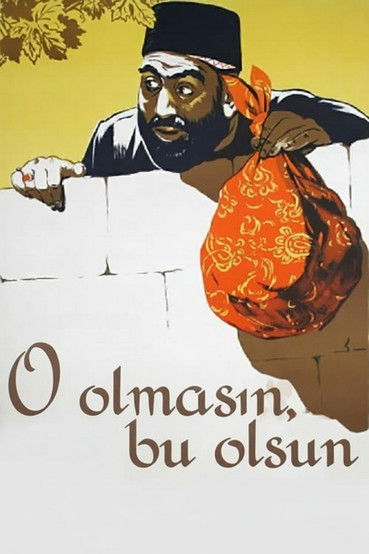
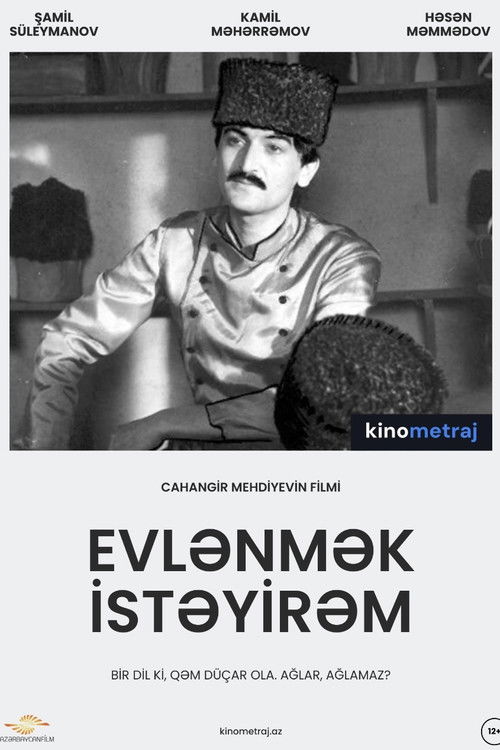
A young craftsman Shamil lives in a small town. Everyone respects him for his good hat-making skills and his kind and cheerful disposition. He falls in love with the daughter of a wealthy merchant, Kamyab, and she loves him back. But the father doesn’t want his daughter to marry a poor man. Shamil’s friends help him kidnap the girl. However, the friends betray Shamil for the sake of money and the operation fails.