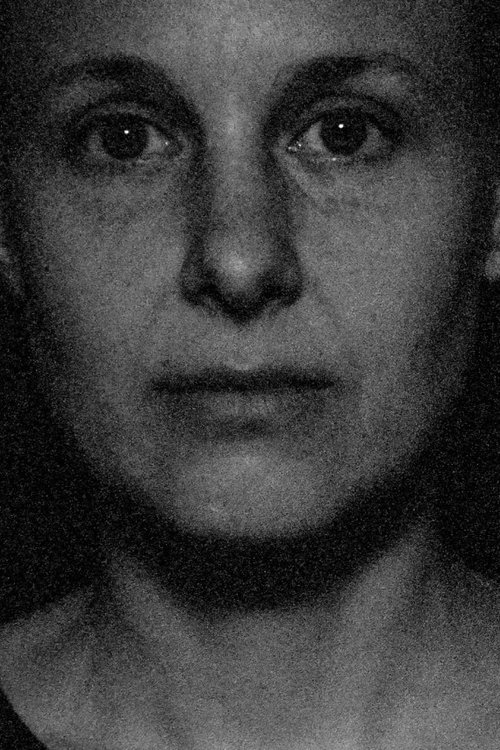
Viktoria Schmid
Directing
Biography
Viktoria Schmid works at the interface of the cinematic and exhibition space. The different mediums she uses, like 16mm-film,video and photography are the co-authors of her work, she enjoys that their specific characteristics are forming her pieces.
Known For
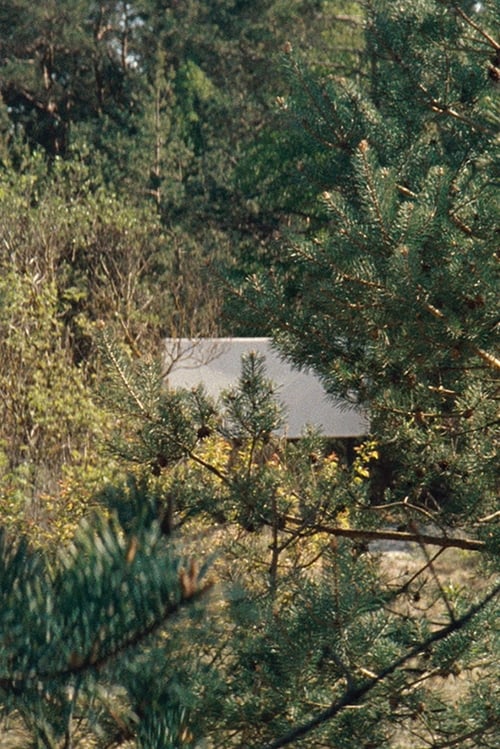
A self-built screen amid an expansive green landscape. On it dance silhouettes of the surrounding trees and bushes. A natural cinema – without a darkened cinema hall, without artificial light and without film. From various camera positions, Viktoria Schmid portrays her screen, installed in the sculpture park of the Djerassi Resident Artists Program, as a moving image within a moving image.
A Proposal to project in Scope

Showcases a Manhattan apartment and the city from its window.
NYC RGB

Florian Flicker’s documentary No Name City explores the tragicomic fate of the eponymous Western theme park in Lower Austria that proved to be a pipe dream. Viktoria Schmid’s W O W (Kodak) shows the demolition of parts of the Kodak company complex in Rochester—in reverse.
W O W (Kodak)
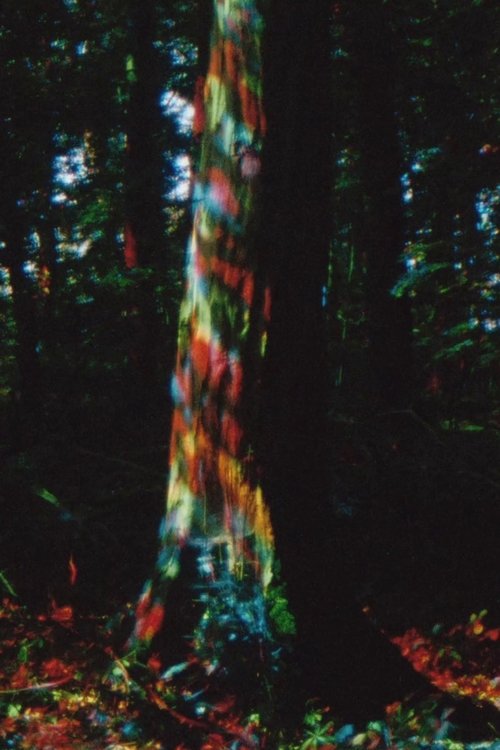
In her trilingual-titled film, Viktoria Schmid meditatively transforms forest and seascapes in Spain, Lithuania, and Lower Austria, by triple exposing 16mm color negative film—using red, green, and blue filters to create layers of color and time.
Rojo Žalia Blau

No description available.
KatharinaViktoria 2(021)

Schmid builds her own projection screens ranging from aspect ratios currently in use (in this case 4:3, the format she uses the most often, 16mm being her primary medium) to entirely fictitious ones (the 4:1 Viktoriascope) and if possible she then films them in the exact same aspect ratio. While at the Djerassi Artist in Residency Program in California, the artist constructed a screen with wood and canvas and installed it in the program’s sculpture park. Still standing there, it is an unexpected object on the way to a scenic view of the rolling hills on the Djerassi property. In A proposal to project in 4:3, Schmid shot this site-specific installation over the course of a single day when the screen became projection surface for the subtle interplay of shadow and light from the surrounding trees and shrubs. Cinema without film. (Claudia Slanar)
A Proposal to project in 4:3

A touristic, romantic portrayal of the metropolis of Vienna as well as a fetish, stripped down portrayal of the medium film itself, made with contactprints in the darkroom. The soundtrack is generated directly from the visual information.
ACHTUNG / HALLO 35
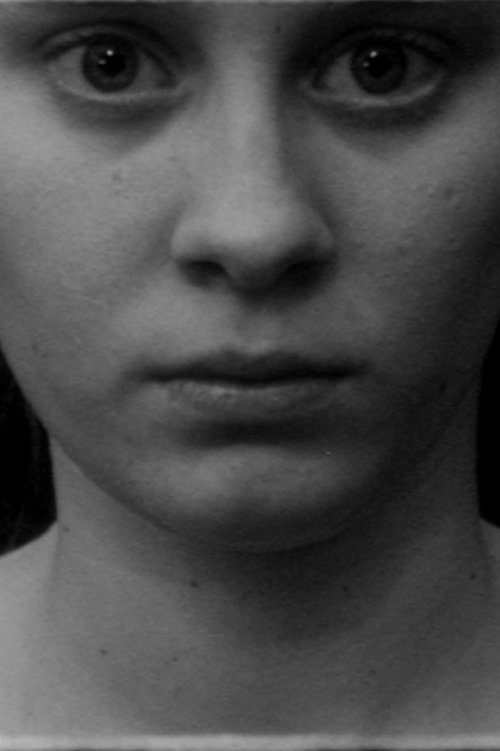
A film loop showing the similarity of the artist and her sister in 240 16mm single-frame portraits. The individual frames were recorded one after the other in camera without any editing in post-production. Due to the phi-phenomenon, the rhythmically fast cutting of the individual portraits becomes a mixed portrait of both faces. Alternating and increasing, the series of frames changes from one to a series of four portraits per person. At this pace, the eye is able to perceive a difference.
KatharinaViktoria
A short film by Viktoria Schmid
Golan
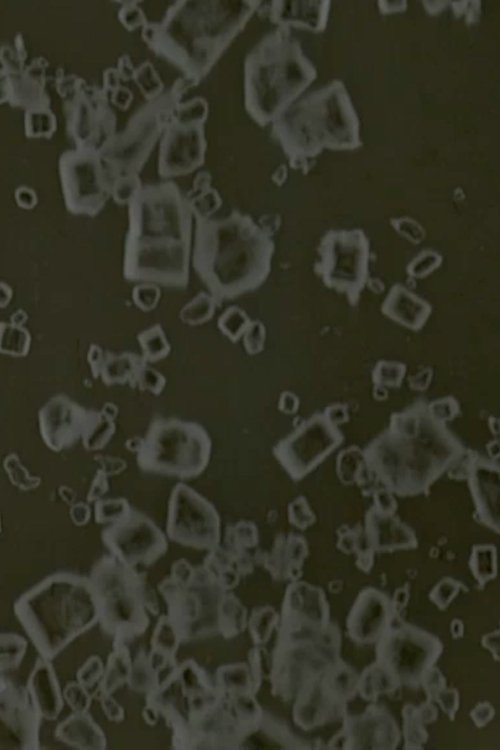
This camera-less film was created in a darkroom from photograms of the ingredients of four dishes: alphabet pasta soup, goulash, the Austrian dessert Kaiserschmarrn, and coffee. The ingredients were placed directly on the film strip, exposed, and then developed by hand. The result is an abstraction of the cooking process itself – a series of images-touches of ingredients, arranged in the order in which they were mixed. “We no longer notice what is extraordinary in daily life. The artist Viktoria Schmid, however, takes this as her material. Schmid manages to draw out the fascinating potential in the interweaving of light and time. She makes traces of light visible, and turns them into the central focus of how she deals with time and space. While we generally only pay secondary attention to the play of shadow and light, she manages to draw attention back to these phenomena, and she does so with impressive reduction.” — Siegfried A. Fruhauf
Foodfilms
“The reduction, the short film as a distillate that enables a new, concentrated gaze, is a central aspect of my cinematic thinking. Equally important is looking back at film history in order to rethink the present. Early cinema and the historical development of film technology are key sources of inspiration for my works, in which I reflect on everyday ways of seeing. With my films, I conduct research as a visual researcher with plenty of freedom to discover the extraordinary in the everyday.” –Viktoria Schmid
It's a Dance
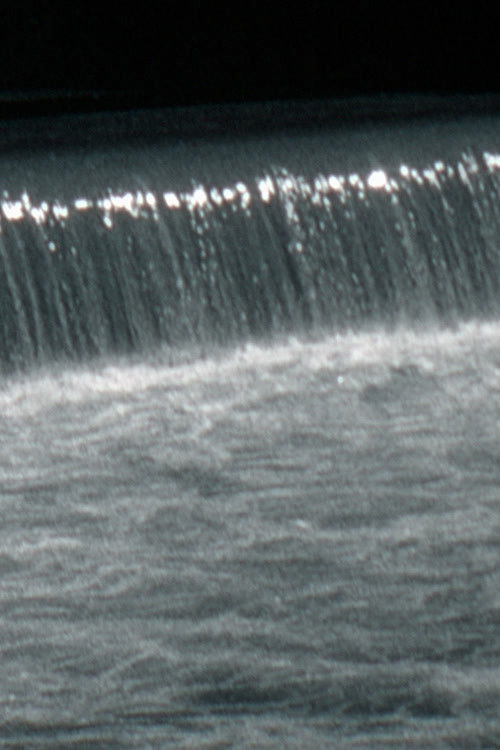
Viktoria Schmid’s 16mm film installation I escaped from this into the cinema, ... (2018-2026) is based on James Clerk Maxwell’s method of additive colour mixing, which led to the first colour photograph in 1861. Footage of water features from different parts of the world, shot over a period of several years, merge into a new work using a trichromatic projection technique. At each location, three shots were taken on black-and-white film, each through a filter of a different colour (Red / Green / Blue). By projecting the images with three projectors through the corresponding filters, and by adding extra screens, they manifest themselves in varying degrees of overlap to form a final colour image. The projection ‘dispositive’ makes the relationship between colour and time tangible. Panta rhei — everything flows.