Acting
“The Bell Telephone Hour” was a musical variety show that aired on “NBC” TV from 12 January 1959 to 14 June 1968 that showcased the best in Broadway, Classical, Concert, Jazz and Popular music each week. The series had its’ own house band appropriately named the “Bell Telephone Orchestra”. The show also had its’ own theme song being the “Bell Waltz” composed by “Donald Voorhees” who was also the show's Orchestra conductor. Some of the greatest violinists of the 1960’s performed on this show that aired in the old “Black & White” format. Some of these great violinists included “Erica Mornin”, “Isaac Stern", "Michael Rabin", "Ruggiero Ricci", "Yehudi Menuhin" and "Zino Francesacatti". From time to time some of the great singers and bandleaders of the 1960’s would perform on the show as well. Some of these were “Bing Crosby”, “Gordon MacRae”, “John Gary”, “Leslie Uggams”, “Mary Martin”, “Nelson Eddy”, “Patti Page” and “Roy Rogers”. The TV show followed on the heels of its’ predecessor with the same name on “NBC” radio that aired from 29 April 1940 to 1958 on Monday nights at 8 PM. The name of the show was derived from its’ Major sponsor “Bell Telephone Laboratories”. The TV version began airing on Friday nights at 8:30 PM once a month. It later was given it’s same time slot now airing every other week alternating with another show on the other weeks such as News shows and specials. The show time slot changed quite often over the years. In September 1960 it aired at 9 PM and in September 1961 it moved to 9:30 PM. In October 1963 it moved to Tuesday nights at 10 PM, September 1965 it moved to Sunday night at 6:30 PM and in September 1967 it made its' final move back to Friday night at 10 PM.
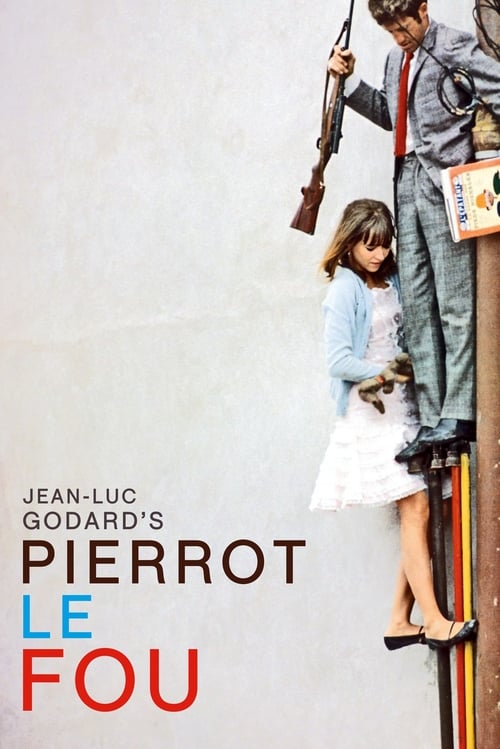
Pierrot escapes his boring society and travels from Paris to the Mediterranean Sea with Marianne, a girl chased by hit-men from Algeria. They lead an unorthodox life, always on the run.
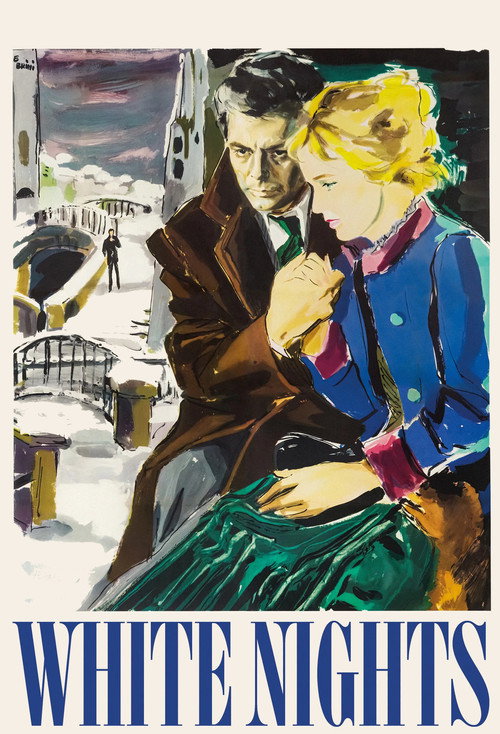
A middle-aged man meets a young woman who is waiting on a canal bridge for her lover's return.
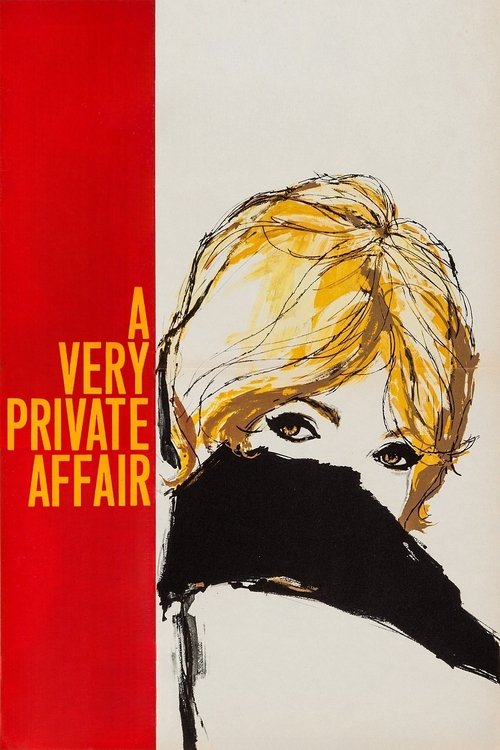
After achieving fame as a movie star, a woman finds her private life invaded by relentless fans, leading her mother’s ex-lover to intervene and offer protection.
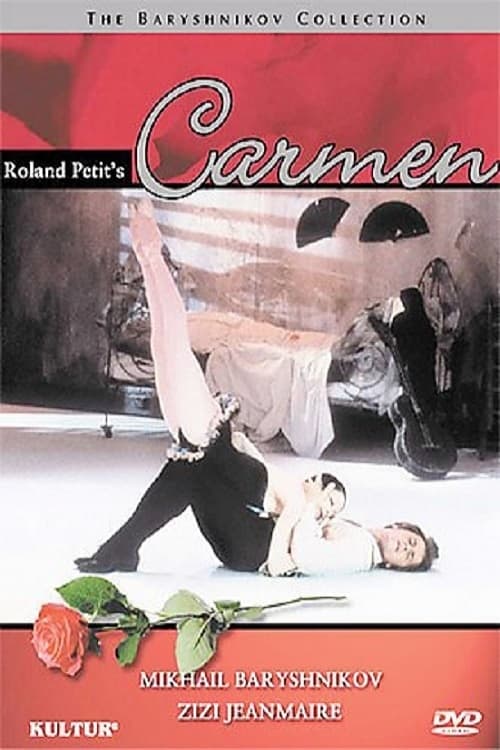
Mikhail Baryshnikov and Zizi Jeanmaire sizzle in this ballet set to the music and story of Carmen.
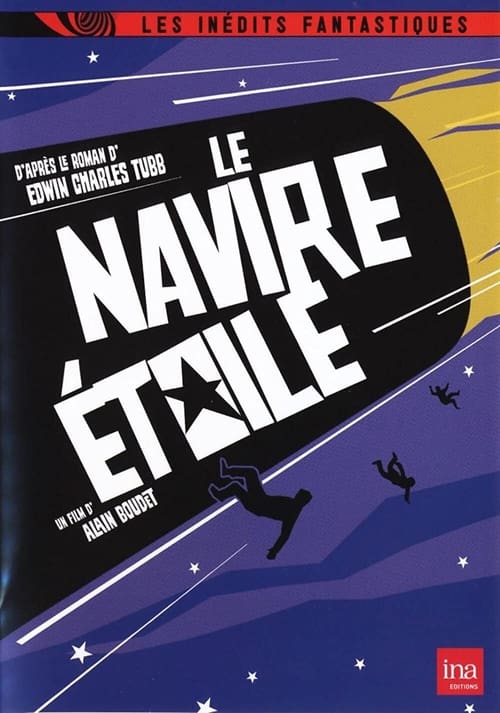
Onboard a spaceship sailing into infinity, generations of travelers are subject to dictatorial rules imposed by the central computer "Psycho." Recruited as a new police officer, Eddy Burns will discover the terrifying secrets behind this flawless system.
Based on Alfredy Jarrry's 1896 play about a greedy, overweight, selfish dude named Pere Ubu. The story follows Ubu on his journey to overthrow the current ruler and become King of Poland. Along the way he betrays many of his followers, taxes the civilians to an unreasonable degree and eventually slaughters everyone. Along his side, is the equally crude but somehow more likable Mere Ubu, who's like a foul mouthed Lady Macbeth.
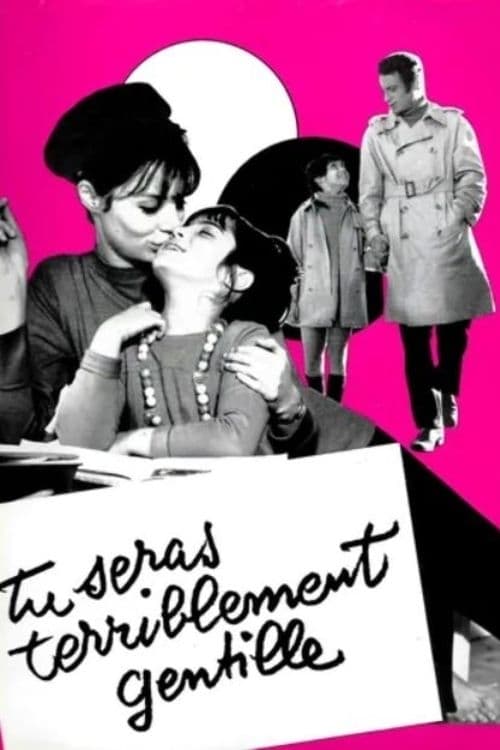
A little girl tries to reconcile her separated parents.
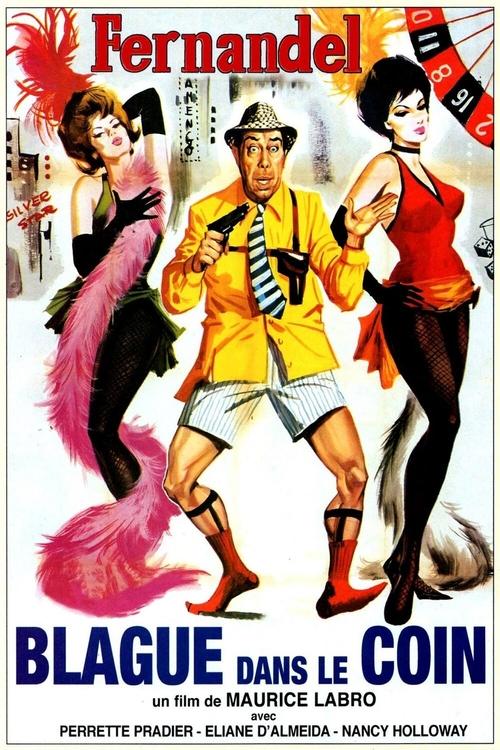
A Las Perlass, ville de jeu du Névada, bandes rivales de Lippy et de Steinberg tiennent les plus beaux établissements de l'endroit. Franck Bradford has hired Jeff Burlington as a comedian, who, to cheer up a difficult audience, launches nightly verbal attacks on Lippy's casino where, he says - the games are rigged. Each of the two gangs sends a henchman to either stop the sarcasm or get in trouble if they don't leave their act as it is. Un certain "Main d'or" qui est autre que Bradford fait attaquer casinos. C'est Jeff, après avoir été kidnappé par les deux bandes devenues amies, quiasquera coupable.
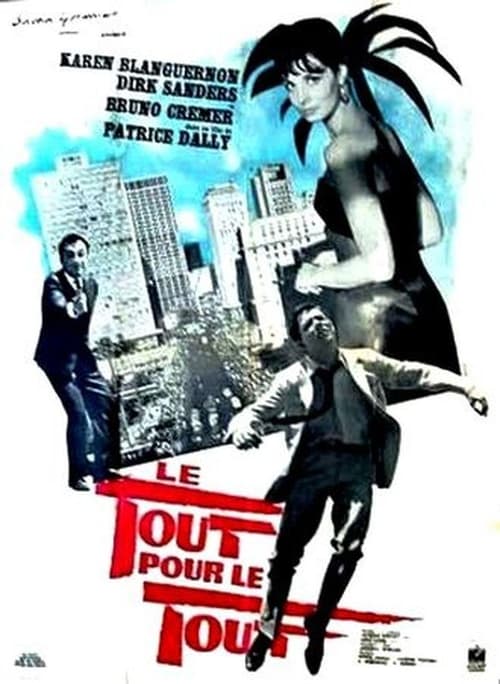
An unlucky trumpeter and a young singer try to rebuild their lives in Brazilian nightclubs. They will try everything for everything while making a risky heist.
In May 1664, Louis XIV celebrated the completion of major expansion work at Versailles. For the occasion, the king called on Molière's talent to compose these evenings for the court and the comedians. These very familiar festivities spotlighted two historical figures: Louis XIV and Molière. These entertainments are composed of three plays by Molière: La Princesse d'Elide, Le Mariage forcé and three acts of Tartuffe. Maurice Béjart staged these gargantuan evenings at the Comédie-Française, where excess was omnipresent in these pleasures.