Writing
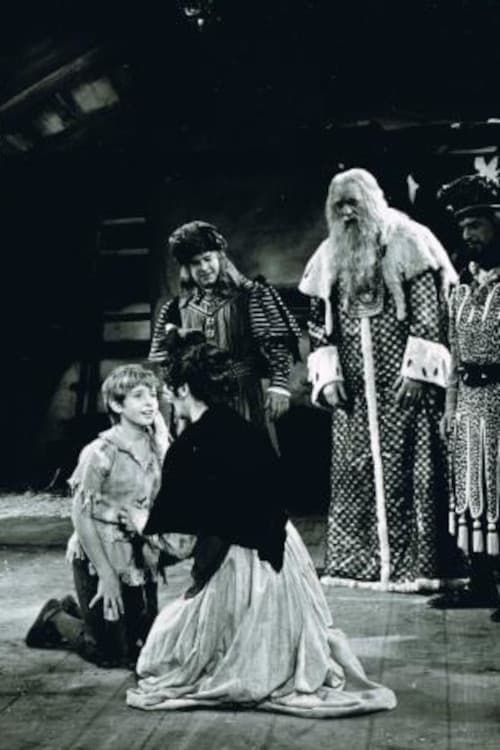
Matinee Theater is an American anthology series that aired on NBC during the Golden Age of Television, from 1955 to 1958. The series, which ran daily in the afternoon, was frequently live. It was produced by Albert McCleery, Darrell Ross, George Cahan and Frank Price with executive producer George Lowther. McCleery had previously produced the live series Cameo Theatre which introduced to television the concept of theater-in-the-round, TV plays staged with minimal sets. Jim Buckley of the Pewter Plough Playhouse recalled: When Al McCleery got back to the States, he originated a most ambitious theatrical TV series for NBC called Matinee Theater: to televise five different stage plays per week live, airing around noon in order to promote color TV to the American housewife as she labored over her ironing. Al was the producer. He hired five directors and five art directors. Richard Bennett, one of our first early presidents of the Pewter Plough Corporation, was one of the directors and I was one of the art directors and, as soon as we were through televising one play, we had lunch and then met to plan next week’s show. That was over 50 years ago, and I’m trying to think; I believe the TV art director is his own set decorator —yes, of course! It had to be, since one of McCleery’s chief claims to favor with the producers was his elimination of the setting per se and simply decorating the scene with a minimum of props. It took a bit of ingenuity.
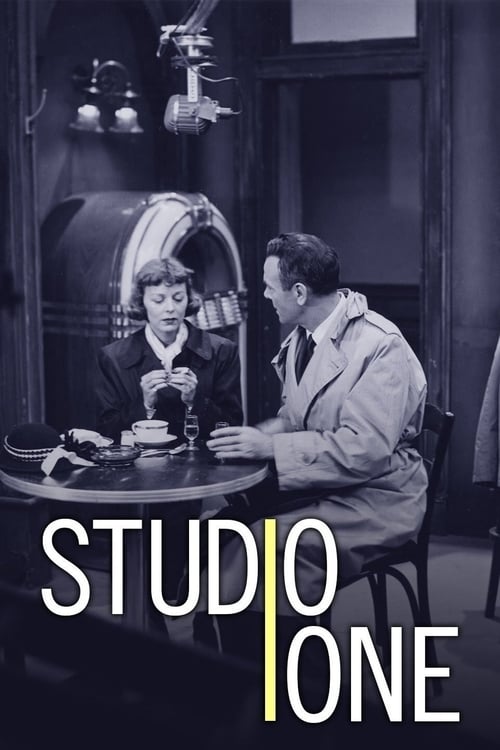
An American radio–television anthology series, created in 1947 by Canadian director Fletcher Markle, who came to CBS from the CBC. Studio One, presented by Westinghouse, was one of the first of the anthology TV programs. The episodes were often abridged remakes of movies from years gone by and many future well-known television and movie actors appeared in the productions.
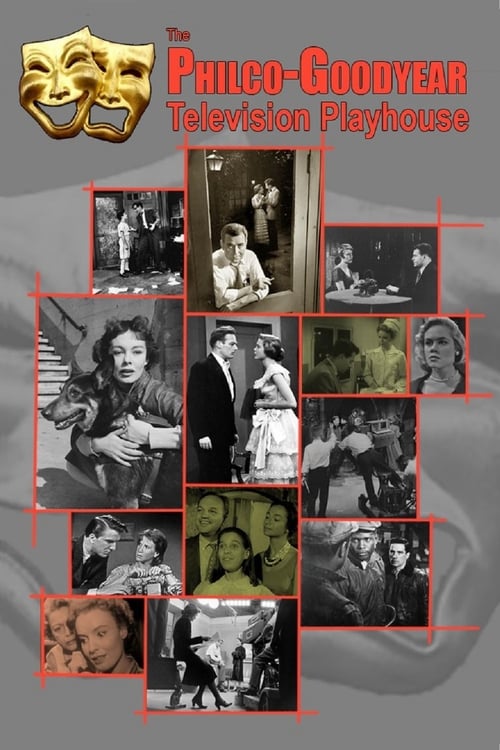
The Goodyear Television Playhouse is an American anthology series that was telecast live on NBC from 1951 to 1957 during the "Golden Age of Television". Sponsored by Goodyear, Goodyear alternated sponsorship with Philco, and the Philco Television Playhouse was seen on alternate weeks. In 1955, the title was shortened to The Goodyear Playhouse and it aired on alternate weeks with The Alcoa Hour. The three series were essentially the same, with the only real difference being the name of the sponsor. Producer Fred Coe nurtured and encouraged a group of young, mostly unknown writers that included Robert Alan Aurthur, George Baxt, Paddy Chayefsky, Horton Foote, Howard Richardson, Tad Mosel and Gore Vidal. Notable productions included Chayefsky's Marty starring Rod Steiger, Chayefsky's The Bachelor Party, Vidal's Visit to a Small Planet, Richardson's Ark of Safety and Foote's The Trip to Bountiful. From 1957 to 1960, it became a taped, half-hour series titled Goodyear Theater, seen on Mondays at 9:30pm.
Westinghouse Desilu Playhouse is an American television anthology series produced by Desilu Productions. The show ran on CBS television between 1958 and 1960. Two of its 48 episodes served as pilots for the 1950s television series The Twilight Zone and The Untouchables.
The series adapted for television some true tales from press correspondents from around the world.
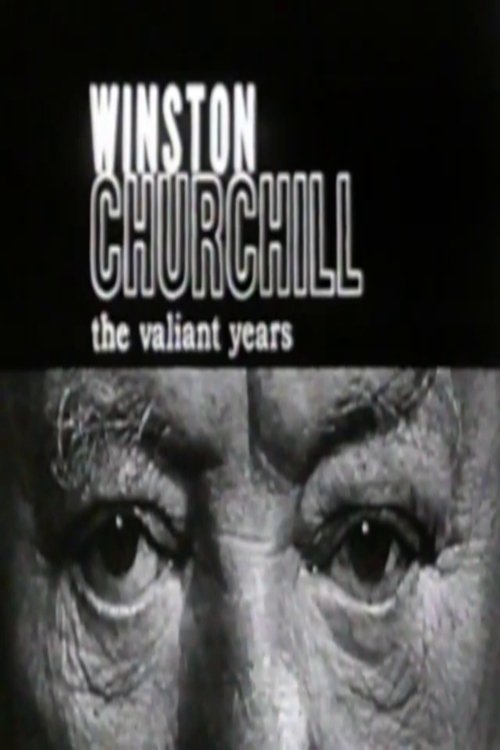
The Valiant Years was a documentary produced by ABC based on the memoirs of Winston Churchill, directed by Anthony Bushell and John Schlesinger, narrated by Gary Merrill and with extracts from the memoirs voiced by Richard Burton. It ran in the United States from 1960 to 1961, in 27 30-minute episodes and was broadcast in the UK by the BBC from February to August 1961. Its incidental music was written by Richard Rodgers, who won an Emmy for it in 1962. Scriptwriters included Victor Wolfson a dramatist and writer, Quentin Reynolds, William L. Shirer an American journalist, war correspondent and historian, and Richard Tregaskis. One of the program's London-based producers was actor Patrick Macnee, just prior to his being cast as secret agent John Steed in the long-running cult TV series The Avengers.,
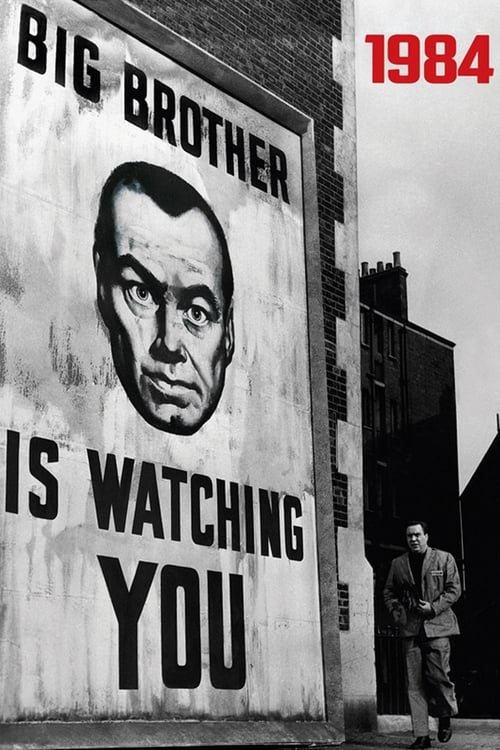
In a totalitarian future society, a man whose daily work is rewriting history tries to rebel by falling in love.
Shows the improved services and other benefits that oil brings to the backward territories. The financial and technical resources of foreign lands have tapped the liquid wealth hidden below the surface of the earth. In return a new prosperity and improved standard of living is being brought to the peoples of those formerly barren lands.
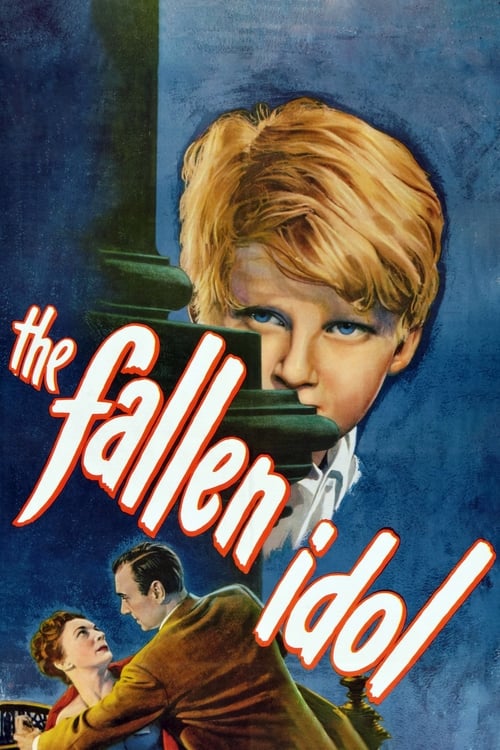
Phillipe, the son of an ambassador in London, hero-worships his father's butler Baines. His perception of the man changes when he accidentally discovers the secret that Baines keeps and witnesses the consequences that adults' lies can cause.
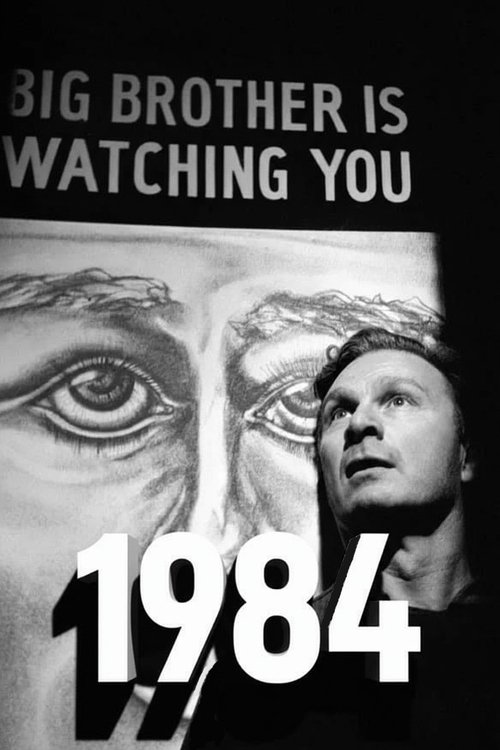
George Orwell's novel of a totalitarian future society in which a man whose daily work is rewriting history tries to rebel by falling in love. Episode 1 of Season 6 of Studio One's anthology series.
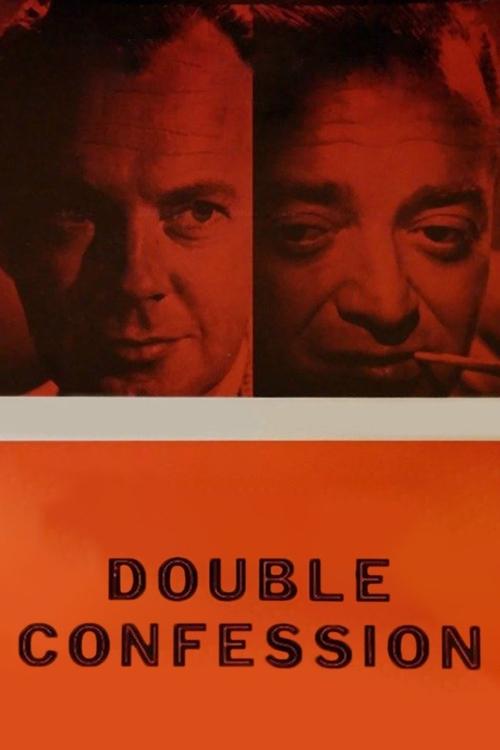
The hero discovers his estranged wife dead and tries to frame her lover for the murder. He becomes involved with the criminals who make various unsuccessful attempts on his life while the police clear up the mystery.
A panhandler who opens car doors for people in London's theatre district finds himself involved in a deadly mystery when a corpse with a cash-stuffed wallet falls out of a vehicle and he helps himself to some of the money.
The life of man is poor and nasty. A few plants give temporary relief: marijuana, alcohol, and opium. After a history of opium, including the 19th-century Opium Wars, we learn of the discovery of heroin; the rest of the film examines heroin trade and addiction in the U.S. Two tons a year enter the U.S., with only 100 pounds interdicted. Most is used in New York City. Interviews with customs officials, prosecutors, medical doctors and junkies provide points of view. The harsh 1956 law and the medically-oriented law of 1966 are contrasted, with the film on the side of treatment and rehabilitation. It ends with advocating reducing use here and finding other cash crops for farmers abroad.
This film describes the 1960s drug culture. Addicts discuss their experiences in the United States and in Vietnam. Dr. Stanley Yolles, director of the National Institute of Mental Health (NIMH), talks about the drug culture and the NIMH role in prevention and treatment. The tape describes growth in the use of marijuana and heroin. In 1966, the Narcotic Addict Rehabilitation Act is the first law to give the addict a choice of treatment or jail. Synanon in California is a private, self-help, residential community that helps people deal with their addictions. New York's Daytop Village works not only with addicts on addictions, but on developing a new lifestyle. Methadone, though still experimental, has proved to be an effective treatment for heroin addiction.
Robert Mitchum narrates an anti drug propaganda film.