Chang Chao-Tang
Directing
Biography
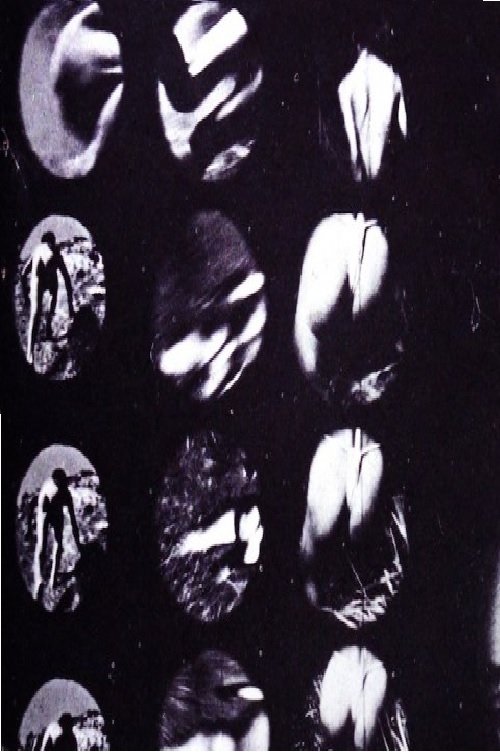
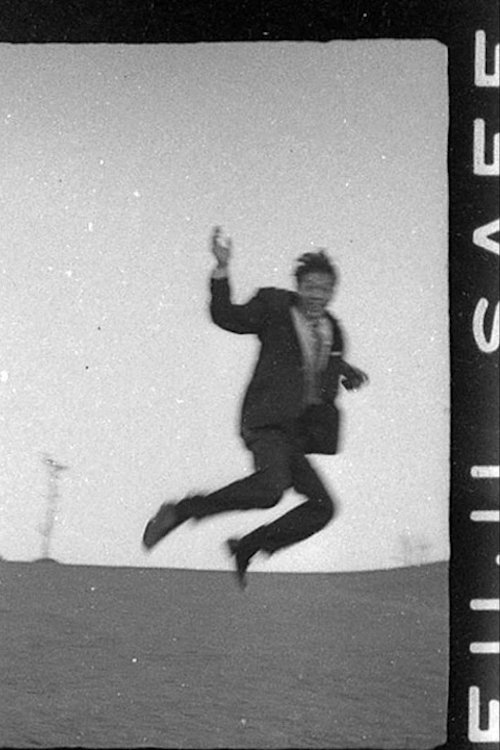
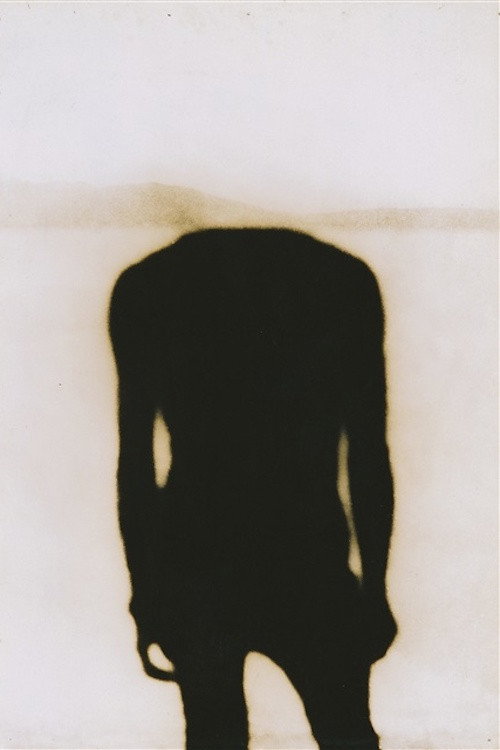
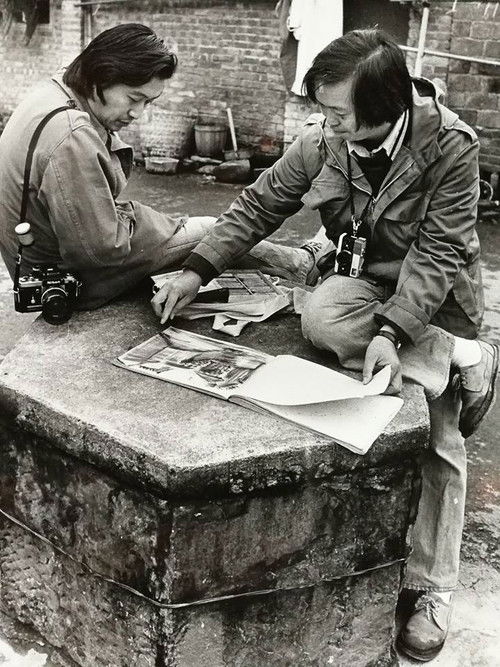
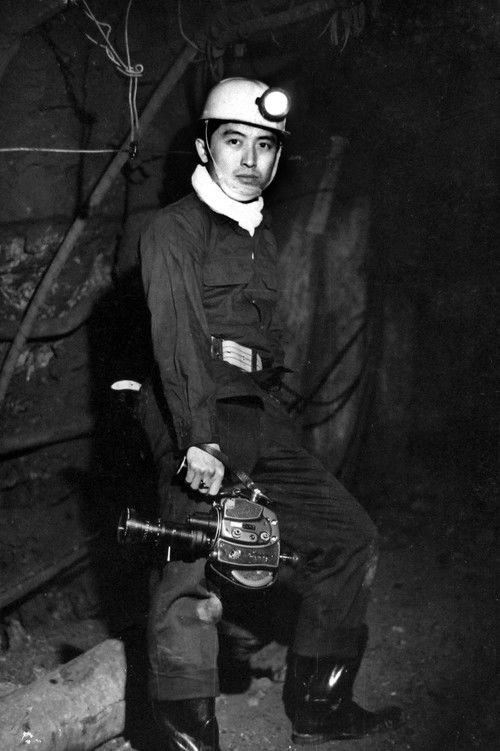
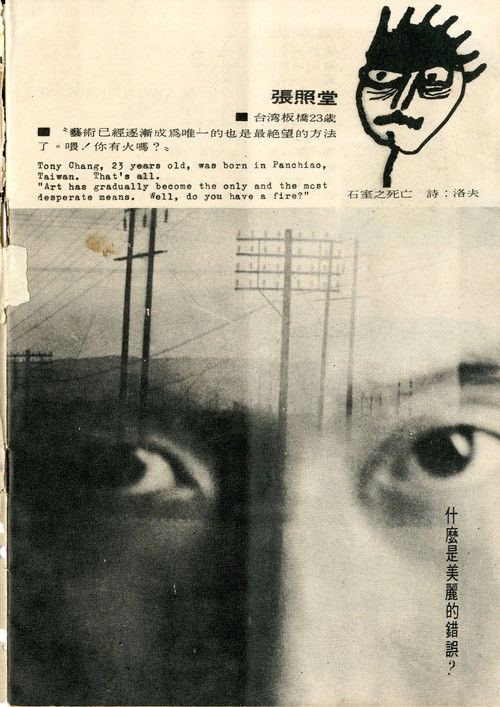
Chang Chao-Tang (張照堂) was a Taiwanese photographer, documentary filmmaker and cinematographer. In 1965, Chang and his teacher Cheng Shang-Hsi (鄭桑溪) organized his first duo exhibition called Modern Photography (現代攝影雙人展). In 1966, he participated in the Modern Poetry Exhibition (現代詩展). In 1967, his 8mm short film Diary (日記) was shown at a screening organized by Theatre Quarterly (劇場). He joined CTV New Channel(中視新聞) in 1968, first as a photojournalist, and then producing documentaries. In 1974, he created an exhibition called Farewell to Photography (攝影告別展). Beside his career as an artist, he also taught at the Institute of Sound and Image of the National University of Taiwan.
Known For

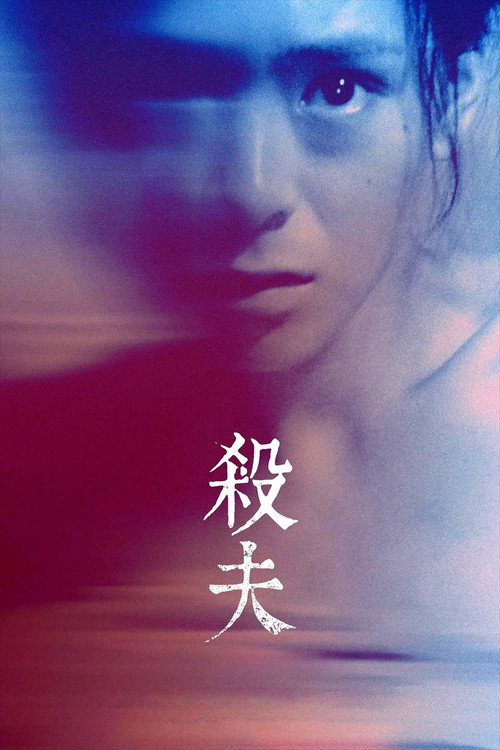
A woman resorts to prostitution out of hunger and commits suicide shortly after, leaving her daughter to embark on an equally cruel path.
The Woman of Wrath

A surreal uninhibited adventure between two boys, their mysterious love interest and two Japanese monks in the Tang dynasty. Feature debut by the acclaimed scriptwriter Chiu Kang-Chien.
The Glamorous Boys of Tang

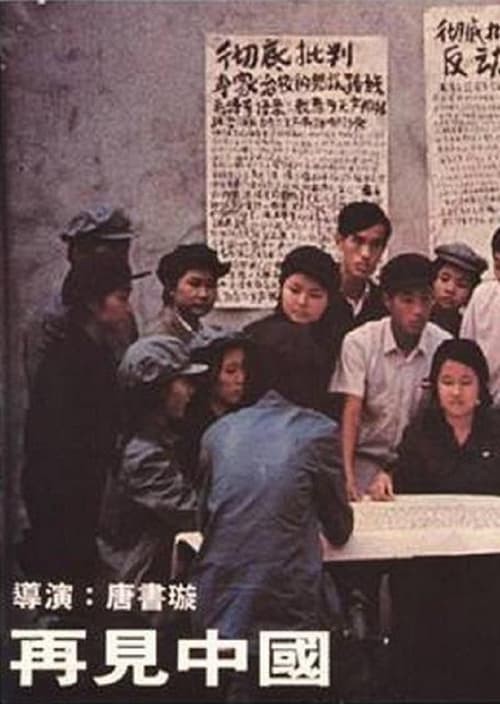
A group of Mainlanders fleeing the Cultural Revolution risk all to reach the adjacent British ‘haven’ of Hong Kong; yet what they find there is a far cry from their dreams of liberty.
China Behind

Jeui is a teenager who lives in Tamshui, near Taipei City. Jeui never liked to go to school. One day he meets Old Man Shu on a train to Tamshui. Jeui decides to run away from school and spend the day with him on the streets. Accompanied by Old Man Shu, Jeui wanders about in this small town. Jeui loves to play the suona, and falls in love with a sales girl working in a record store. Old Man Shu tries to help Jeui without letting him know. Through Jeui and her do not turn out to be a couple, they share a good friendship since then. However, there are some misunderstandings between Old Man Shu and his children. One day he disappears after a quarrel with them, causing everyone to worry. While looking for Old Man Shu everywhere, Jeui realizes how important he is to him. When Jeui finally finds him, he is sitting alone by the river bank Jeui's care and comfort cheer up Old Man Shu. This is a story of friendship between the young and the old in the small town of Tamshui.
Last Train To Tanshui

Face in Motion depicts Chang Chao-Tang from the shoulders up, dressed in a light tank top, shaking his head and contorting his face. The background is pitch black, and he is lit with an almost otherworldly glow. The artist recorded at two frames per second, rather than the typical twenty-four, speeding up the erratic movement. He occasionally flips upside down or appears in blue and green colourised layers on top of the colourless original. A high-intensity electronic track, ‘Pulstar’, by the Greek musician Vangelis, accompanies the video and accentuates its volatile energy.
Face in Motion

An in-depth documentary on the reclusive Taiwanese artist Huang Hua-Cheng and his avant-garde legacy. Commissioned by the Taipei Fine Arts Museum for the retrospective exhibition: “An Open Ending: Huang Hua-Cheng” (2020).
Regarding Huang Hua-Cheng

During his period working in Taiwan, Christopher Doyle made this experimental short film documenting the families of friends around him. This film received an Honorable Mention at the 4th Golden Harvest Awards (1981).
家庭/電影

A train rolled into Tamsui, a charming harbour town full of historical and cultural complexity. European-style architecture tells its colonial past, while Fujianese immigrants' influence stays present in local people's everyday life. Celebrated photographer and cinematographer CHANG Chao-tang captured Tamsui in the 1970s on film, creating a nostalgic yet melancholic concerto played by missionaries, fishermen, and tourists.
The Twilight of Tamsui

* Not to be confused with the 1979 version. Shot in Sucuo Village, in Tainan, Taiwan, by Chang Chao-Tang and Christopher Doyle, “The Boat Burning Festival” (1979) captures a ritual that takes place every two years. In 2019 a new, alternative version titled “The Boat Burning Festival+” featuring original music by Lim Giong was commissioned by M+ museum in Hong Kong.
The Boat Burning Festival+

Early collaboration between Chang Chan-tang and Christopher Doyle documenting the friendship of their inner circle in Taiwan during the early 80s.
逆旅與幻象

Viewers are transported back in time to 1974 to see the annual Taoist celebration of the Dajia Mazu Pilgrimage. Thousands of participants accompany a statue of the goddess Mazu, who protects seafarers, on a 9-day, 8-night procession, stopping at several prominent temples along the way. The religious pilgrimage is a round-way journey from the Zhenlan Temple in Dajia, Taichung City to Fengtian Temple in Xingang of Chiayi County on the Western plains of Taiwan. The mesmerising festival takes place every year during the third lunar month and still attracts large masses to this day. The audio track of the film was once banned under the Kuomintang (KMT) due to the film’s inclusion of spoken Hokkien (Taiwanese), giving viewers at the time an altered and suppressed understanding of the event and its cultural significance in Taiwan. Viewers now can revel in the beauty of the Taiwanese language and see the film for the true spirit that it captures.
The Homecoming Pilgrimage of Dajia Mazu

No description available.
芬芳寶島系列精選

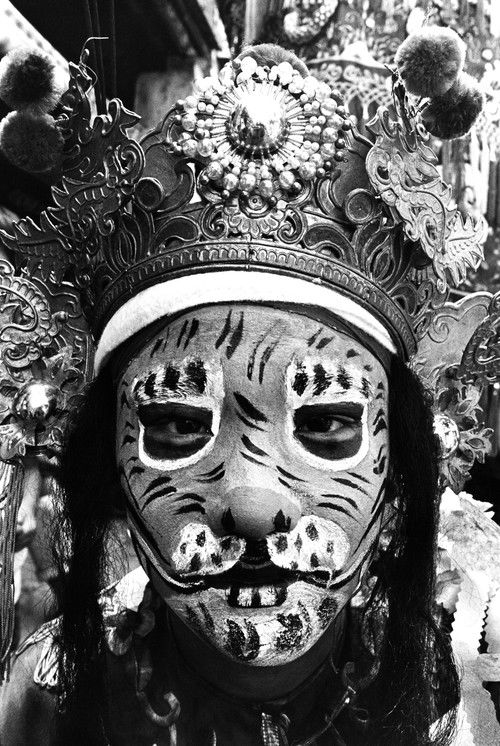
This documentary directed by Chang Chao-Tang (張照堂) captures a pivotal cultural moment in 1977 Taiwan. As traditional performing arts faced the pressures of modernization, professor Chiu Kun-liang (邱坤良) led a group of university students to apprentice under the masters of the historic Ling'an Society, learning "zidixi" (子弟戲)—a form of grassroots, self-organized folk opera troupe tradition. Breaking down the boundaries between academia and vernacular culture, this “cultural action” culminated in a series of open-air public performances. The film functions more as an archival record, preserving fragments of the troupe’s world: the process of stage makeup, the youthful faces of the performers, and fleeting scenes from outdoor stage performances. Through raw and evocative imagery, Chang captures the sweat, rhythms, and fervent idealism of a younger generation attempting to revive the fading sounds and social spirit of Beiguan opera from the ground up.
Archive / Ling-An Society

In the late 1970s, public concern over cultural heritage preservation began to emerge in Taiwan. During his tenure at China Television Company (中國電視公司), Chang Chao-Tang (張照堂) produced a special feature for the news program “Sixty Minutes” (《六十分鐘》), documenting sites including the Chen Residence in Yongjing, Changhua (彰化永靖陳厝), the Ye Family Octagonal House in Yanshui, Chiayi (嘉義鹽水葉厝八角樓), the tomb of Zheng Chonghe in Houlong, Miaoli (苗栗後龍鄭崇和墓園), the tomb of Wang Delu in Xingang, Chiayi (嘉義新港王得祿墓園), and the controversial relocation of the Lin An-Tai Historic House in Taipei (台北林安泰古厝). Filmed with Christopher Doyle (杜可風) and featuring interviews with Ma Yi-Kung (馬以工) and Lee Chien-Lang (李乾朗), the program documented the growing tensions between modernization, urban development, and historical preservation in postwar Taiwan.
Archive / Preserving Taiwan’s Historic Architecture

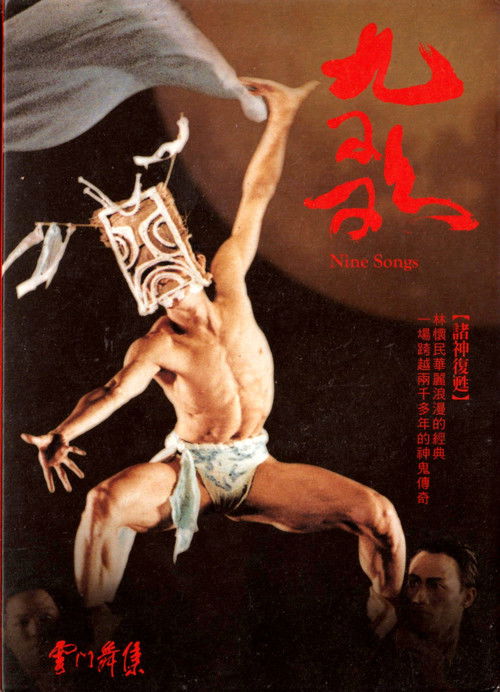
This dance film presents Nine Songs as reimagined by Lin Hwai-min and performed by Cloud Gate Dance Theatre of Taiwan, directed for screen by Chang Chao-Tang. Drawing on ancient ritual poetry, the work evokes prayers to heaven and earth, spirits and ancestors, as well as love and mourning. Masked gods and human figures move together in a ceremonial structure, staging a timeless vision of human experience. Premiered in 1993, Nine Songs became one of Cloud Gate’s most important works. A studio fire in 2008 nearly caused the piece to be lost, but a surviving ceremonial mask remained as a trace of its legacy. This film records the production before the fire, preserving its original form. Moving across layered time and space, the choreography creates a powerful, immersive atmosphere. Through moments of wonder, grief, and ecstasy, the work unfolds toward a state of clarity and quiet transcendence.
Nine Songs

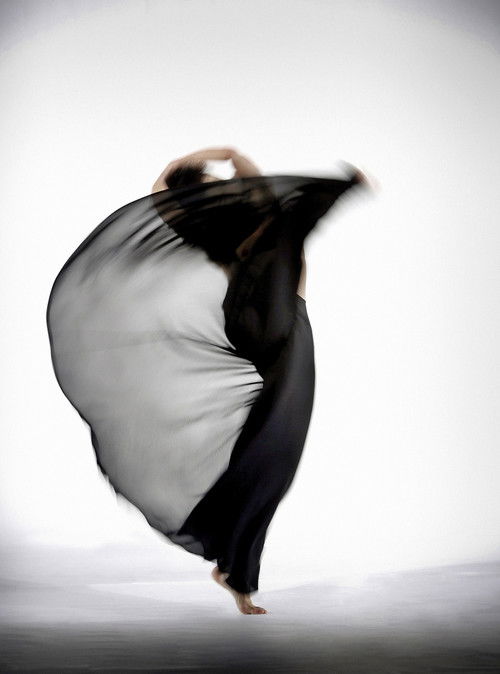
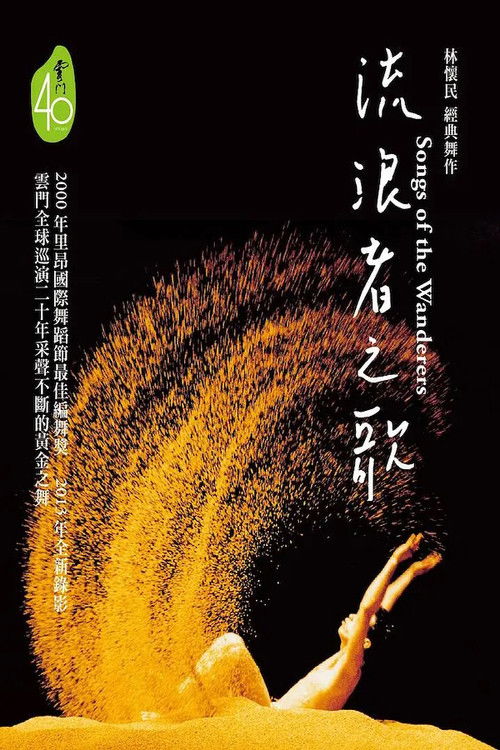
"Wild Cursive" is the third piece of Taiwanese dancer and choreographer Lin Hwai-min's Cursive trilogy, a captivating series translating the development of the fascinating art form of Chinese calligraphy into dance. As Lin says himself, the final part marks the climax of the trilogy, because it corresponds to the completely detached, free and highly abstract forms of “spontaneous” calligraphy. The performance contains elements of Tai Chi and is musically accompanied by compositions by Jim Shum and Liang Chun-mei. The performance was recorded in 2009 at the National Theater in Taipei, Taiwan.
Wild Cursive

Artists contributing to the 1966 Modern Poetry Exhibition included HUANG Hua-cheng, LONG Sih-liang, HUANG Yong-song, and CHANG Chao-tang; each artist chose their favorite modern poems and transformed them into imagery. This film is a time capsule capturing some of the exhibits, as well as the young artists.
Modern Poetry Exhibition/1966

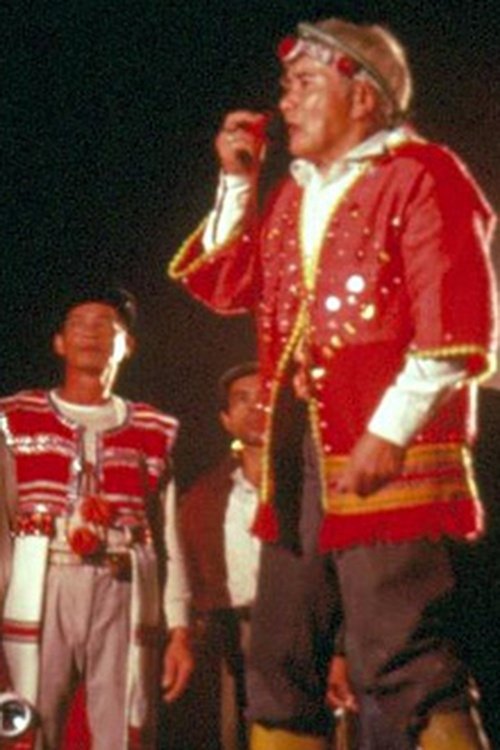
Shot by Chang Chao-Tang and cinematographer Christopher Doyle, The Boat Burning Festival captures the ceremony worshipping Wangye(王爺), the local god of plague, held every three years in Sucuo Village(蘇厝) in Tainan(台南), Taiwan. Chang timed the work to "Ommadawn", a Celtic-inspired progressive rock album by Mike Oldfield. Defying genre conventions and deviating stylistically from television or ethnographic documentary, the film testifies to the tense and complex coexistence of traditional rites, local folklore, and discourses about modernisation and identity in 1970s Taiwan.
The Boat-Burning Festival

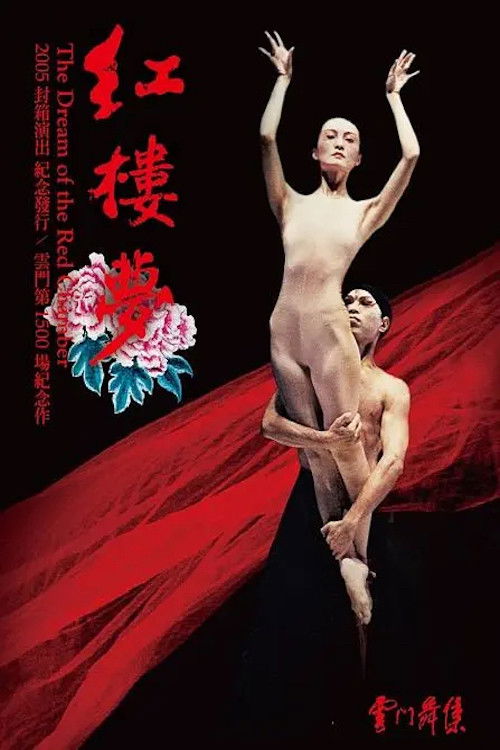
This dance film presents Dream of the Red Chamber as reimagined by Lin Hwai-min and performed by Cloud Gate Dance Theatre of Taiwan, directed for screen by Chang Chao-Tang. Inspired by the classic Chinese novel, the story centers on the fragile love between Jia Baoyu, Lin Daiyu, and Xue Baochai, set against the rise and fall of a great aristocratic family. Lin’s choreography frames the tale as a memory: a young man who has left the garden looks back on a vanished world. The Twelve Beauties appear in flowing, embroidered costumes, moving through falling flowers and shifting seasons. Classical imagery merges with contemporary dance, creating a restrained yet lyrical visual language. Premiered in 1983, the work became one of Cloud Gate’s signature productions. In 2005, Lin retired the piece as the company turned toward a more austere, introspective aesthetic. This film preserves a late-stage performance, documenting a key work from Cloud Gate’s early repertoire.
The Dream of the Red Chamber

Chen Da, born in 1905, learned traditional Taitung-style songs as a boy. Working as a cowherd and fisherman, he travelled from Hengchun to Taitung. He began his career as a wandering minstrel at 20. Homage to Chen Da portrays his life and singing in various settings, including his hometown and the well-known musical venue in Taipei, Scarecrow Restaurant.