FEEL IT.STREAM
Chang Chao-Tang

Chang Chao-Tang

Directing

Biography

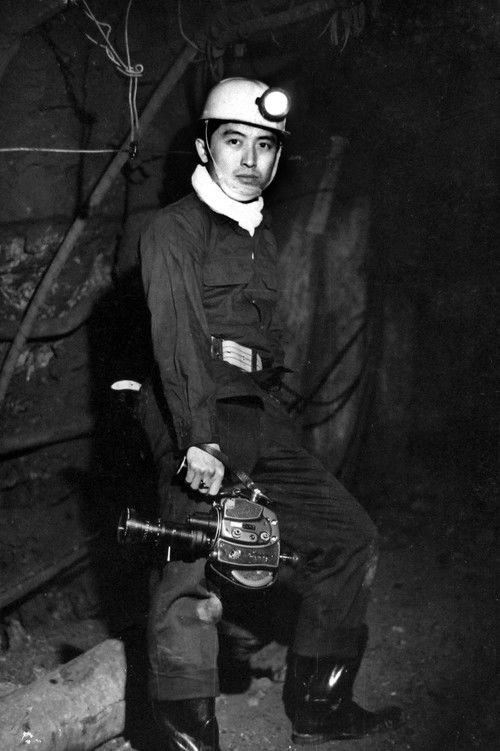
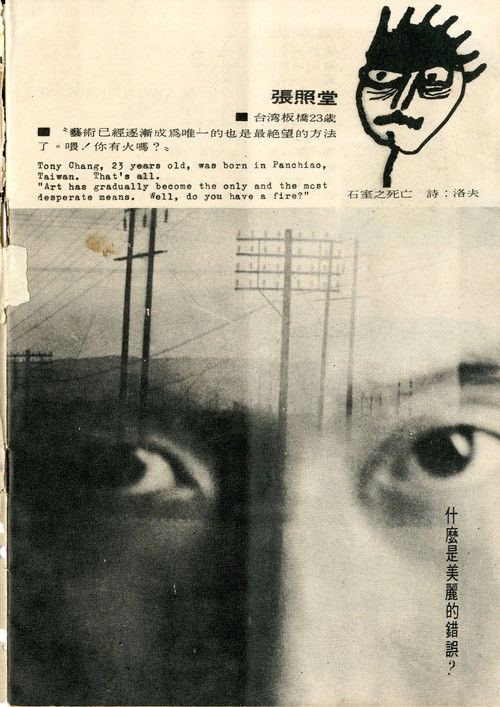
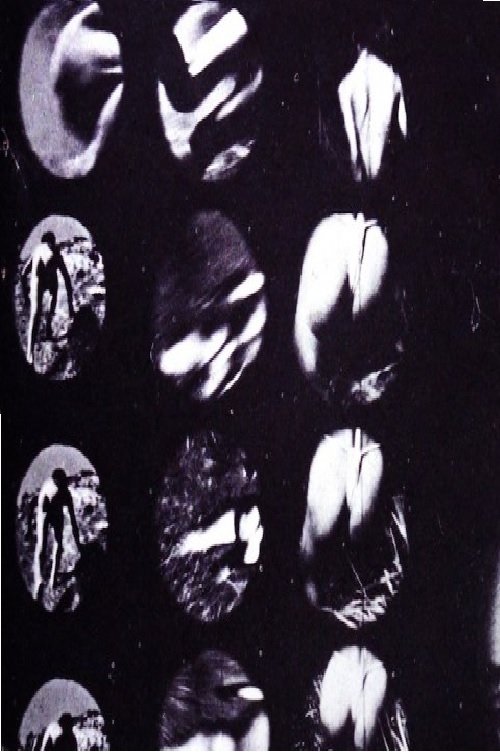
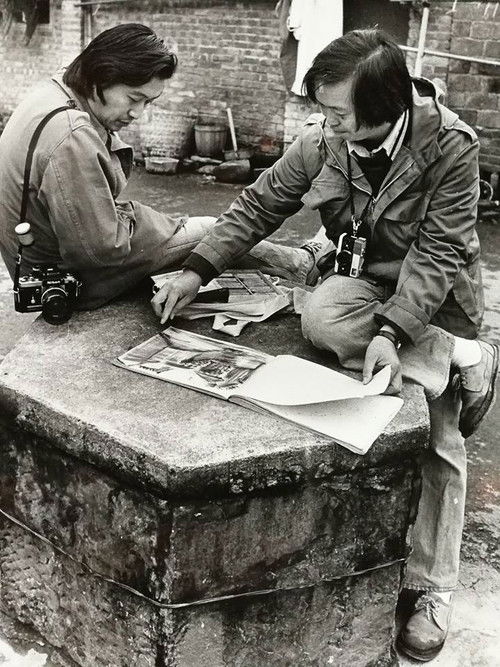
Chang Chao-Tang (張照堂) was a Taiwanese photographer, documentary filmmaker and cinematographer. In 1965, Chang and his teacher Cheng Shang-Hsi (鄭桑溪) organized his first duo exhibition called Modern Photography (現代攝影雙人展). In 1966, he participated in the Modern Poetry Exhibition (現代詩展). In 1967, his 8mm short film Diary (日記) was shown at a screening organized by Theatre Quarterly (劇場). He joined CTV New Channel(中視新聞) in 1968, first as a photojournalist, and then producing documentaries. In 1974, he created an exhibition called Farewell to Photography (攝影告別展). Beside his career as an artist, he also taught at the Institute of Sound and Image of the National University of Taiwan.

Known For

The Instant of Gaze: Portraits by Chang Chao-Tang

A biographical documentary filmed in 1999 on the occasion of Chang Chao-tang (張照堂) receiving the National Award for Arts (國家文藝獎) in the Fine Arts category (美術類). In the film he is credited as both director and editor under the pseudonym “Gao Shang-tu” (高尚土)—a name derived by decomposing the character “tang” (堂) into its constituent elements “gao” (高), “shang” (尚), and “tu” (土). Semantically, the pseudonym implies a counter-reference to the notion of temple-like, institutional “high culture,” redirecting emphasis instead toward the vernacular and the earthy—suggesting that what is truly “noble” lies in the force emerging from the “soil” (土) of the people. For this reason, the film may also be understood as a semi-autobiographical documentary that carries an element of self-writing within its particular historical context.

The Instant of Gaze: Portraits by Chang Chao-Tang

1999Movie
Nine Songs

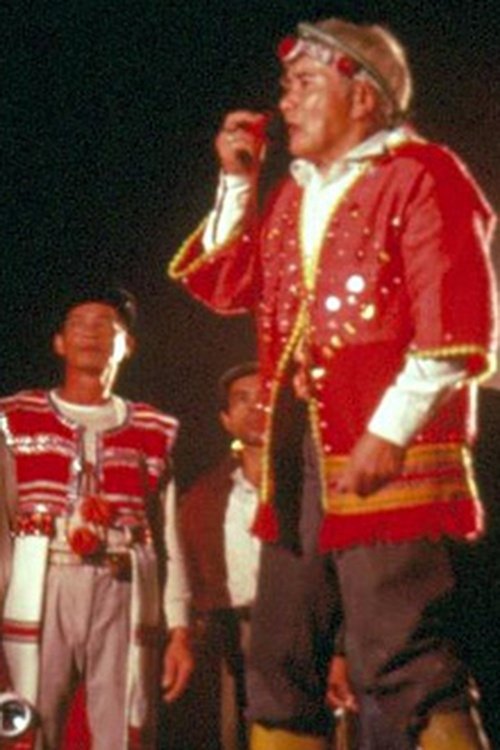
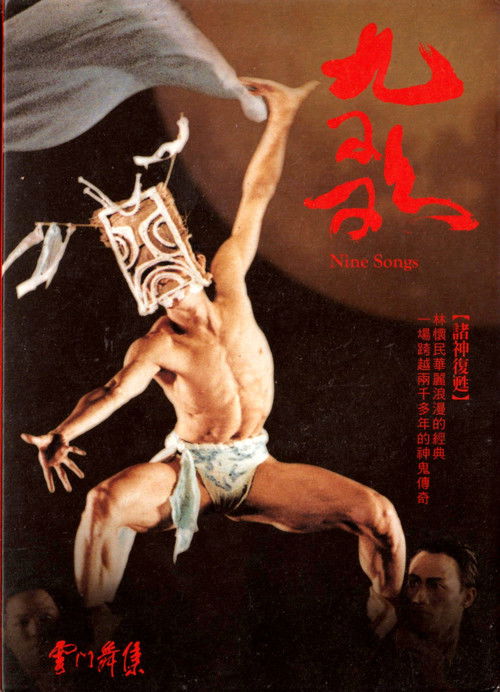
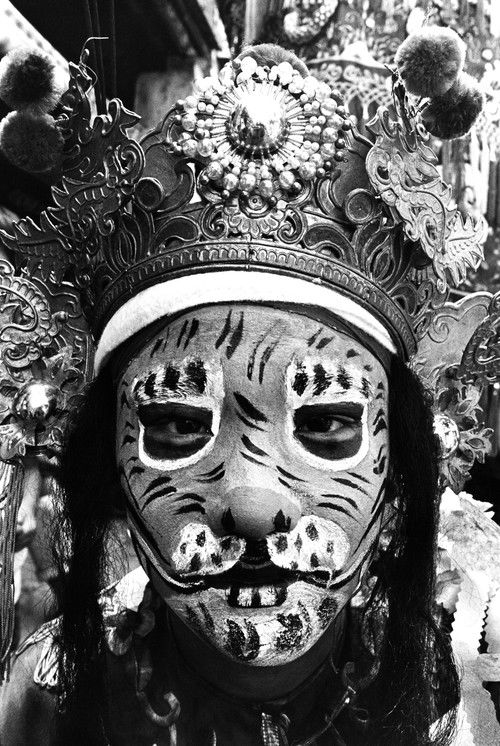
This dance film presents Nine Songs as reimagined by Lin Hwai-min and performed by Cloud Gate Dance Theatre of Taiwan, directed for screen by Chang Chao-Tang. Drawing on ancient ritual poetry, the work evokes prayers to heaven and earth, spirits and ancestors, as well as love and mourning. Masked gods and human figures move together in a ceremonial structure, staging a timeless vision of human experience. Premiered in 1993, Nine Songs became one of Cloud Gate’s most important works. A studio fire in 2008 nearly caused the piece to be lost, but a surviving ceremonial mask remained as a trace of its legacy. This film records the production before the fire, preserving its original form. Moving across layered time and space, the choreography creates a powerful, immersive atmosphere. Through moments of wonder, grief, and ecstasy, the work unfolds toward a state of clarity and quiet transcendence.

Nine Songs

2007Movie
Songs of the Wanderers

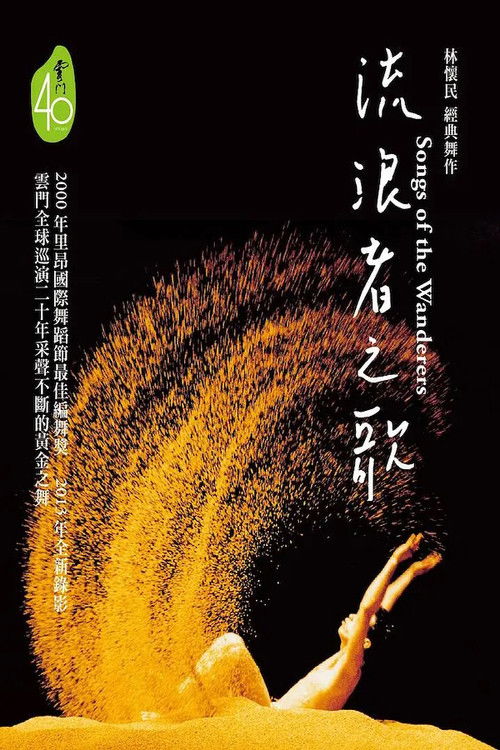
This dance film presents Siddhartha as reimagined by Lin Hwai-min and performed by Cloud Gate Dance Theatre of Taiwan, directed for screen by Chang Chao-Tang. Inspired by Hesse’s novel and a pilgrimage to Bodh Gaya, where the Buddha attained enlightenment, Lin created a work of stillness and elemental force. The stage is shaped by tons of golden rice grains into shifting landscapes—like rain, waterfalls, and deserts. Georgian folk songs flow through the space as dancers, carrying wooden staffs, move in slow, spiraling journeys, while a monk in white remains motionless. In the final scene, a dancer rakes the grains into vast concentric circles, forming an image of quiet intensity. Premiered in 1994, this 90-minute work is one of Lin’s key creations. Widely toured and acclaimed, it remains among Cloud Gate’s most performed works. Recorded in high definition, this 2013 version stands as the definitive edition of this landmark piece.

Songs of the Wanderers

2013Movie
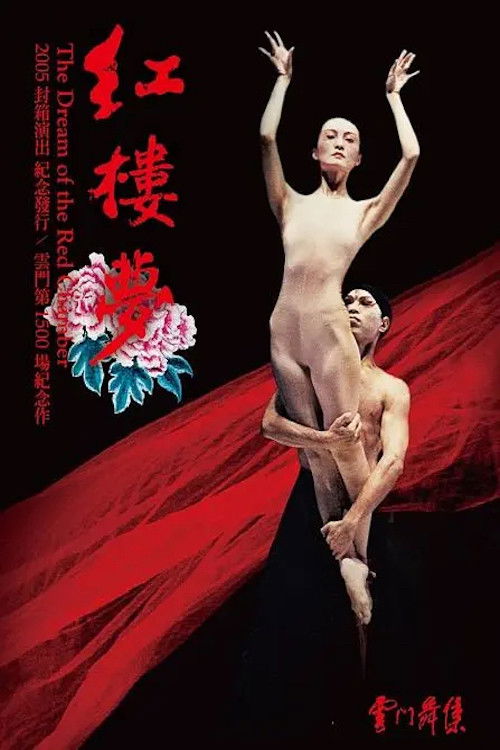
The Dream of the Red Chamber

This dance film presents Dream of the Red Chamber as reimagined by Lin Hwai-min and performed by Cloud Gate Dance Theatre of Taiwan, directed for screen by Chang Chao-Tang. Inspired by the classic Chinese novel, the story centers on the fragile love between Jia Baoyu, Lin Daiyu, and Xue Baochai, set against the rise and fall of a great aristocratic family. Lin’s choreography frames the tale as a memory: a young man who has left the garden looks back on a vanished world. The Twelve Beauties appear in flowing, embroidered costumes, moving through falling flowers and shifting seasons. Classical imagery merges with contemporary dance, creating a restrained yet lyrical visual language. Premiered in 1983, the work became one of Cloud Gate’s signature productions. In 2005, Lin retired the piece as the company turned toward a more austere, introspective aesthetic. This film preserves a late-stage performance, documenting a key work from Cloud Gate’s early repertoire.

The Dream of the Red Chamber

2005Movie