Jane Wyman
Acting
Biography
Jane Wyman (born Sarah Jane Mayfield; January 5, 1917 – September 10, 2007) was an American singer, dancer, and character actress of film and television. She began her film career in the 1930s, and was a prolific performer for two decades. She received an Academy Award for Best Actress for her performance in Johnny Belinda (1948), and later achieved success during the 1980s for her leading role in the television series Falcon Crest. Wyman was the first wife of Ronald Reagan. They married in 1940 and divorced in 1948, before Reagan ran for public office. She is the only person to have won an Oscar and married a future President of the United States. Description above from the Wikipedia article Jane Wyman, licensed under CC-BY-SA, full list of contributors on Wikipedia.
Known For

The Tonight Show Starring Johnny Carson is a talk show hosted by Johnny Carson under The Tonight Show franchise from 1962 to 1992. It originally aired during late-night. For its first ten years, Carson's Tonight Show was based in New York City with occasional trips to Burbank, California; in May 1972, the show moved permanently to Burbank, California. In 2002, The Tonight Show Starring Johnny Carson was ranked #12 on TV Guide's 50 Greatest TV Shows of All Time.
The Tonight Show Starring Johnny Carson

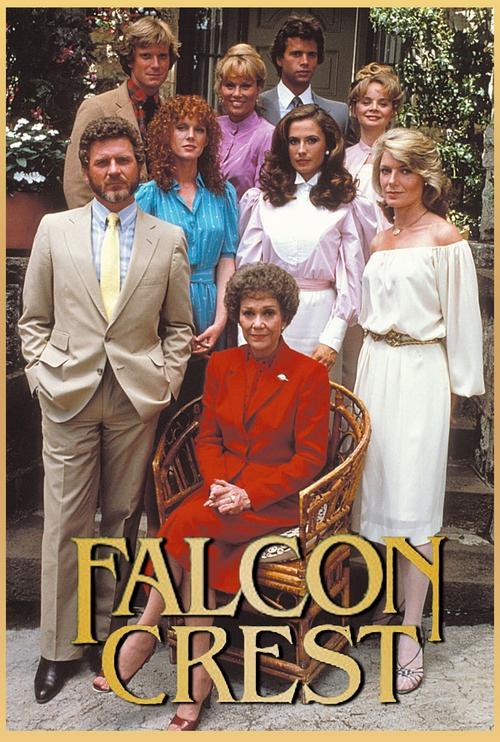
Falcon Crest is an American primetime television soap opera which aired on the CBS network for nine seasons, from December 4, 1981 to May 17, 1990. A total of 227 episodes were produced. The series revolves around the feuding factions of the wealthy Gioberti/Channing family in the Californian wine industry. Jane Wyman starred as Angela Channing, the tyrannical matriarch of the Falcon Crest Winery, alongside Robert Foxworth as Chase Gioberti, Angela's nephew who returns to Falcon Crest following the death of his father. The series was set in the fictitious Tuscany Valley northeast of San Francisco.
Falcon Crest

An annual awards ceremony recognizing excellence in film and television, both domestic and foreign, bestowed by the Hollywood Foreign Press Association.
Golden Globe Awards

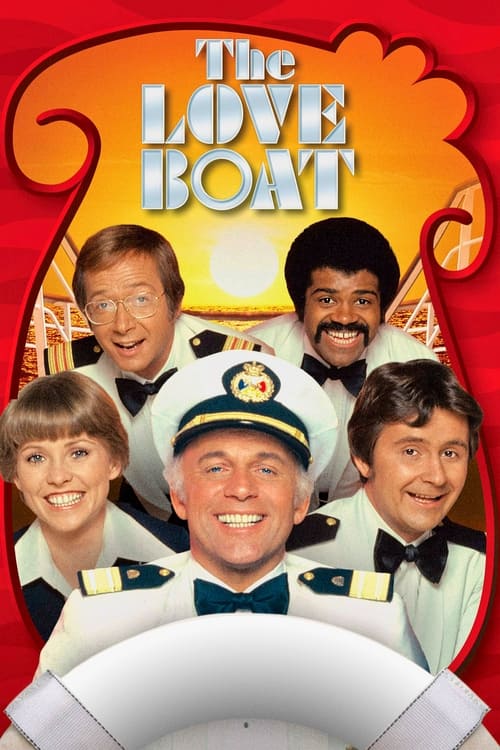
Passengers who search for romantic nights aboard a beautiful ship travelling to tropical or mysterious countries, decide to pass their vacation aboard the "Love Boat", where Gopher, Dr. Bricker, Isaac, Julie, and Captain Stubing try their best to please them, and sometimes help them fall in love. Things are not always so easy, but in the end, love wins.
The Love Boat

The Mike Douglas Show is an American daytime television talk show hosted by Mike Douglas that originally aired only in the Cleveland area during much of its first two years on the air. It then went into syndication in 1963 and remained on television until 1982. It was distributed by Westinghouse Broadcasting and for much of its run, originated from studios of two of the company's TV stations in Cleveland and Philadelphia.
The Mike Douglas Show

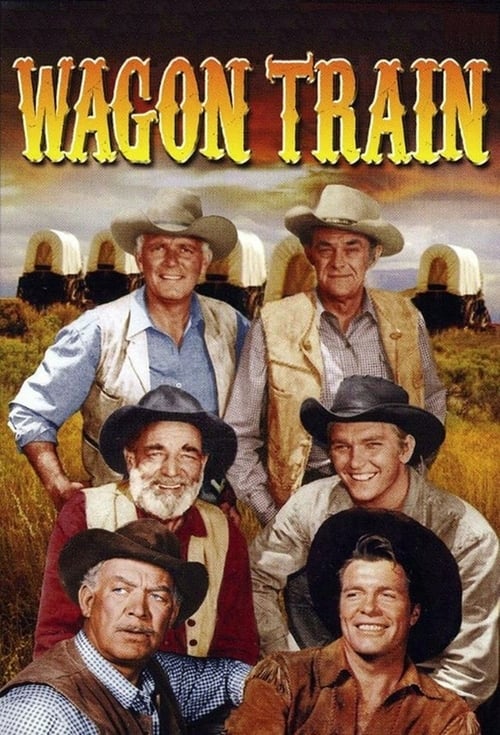
The series initially starred veteran movie supporting actor Ward Bond as the wagon master, later replaced upon his death by John McIntire, and Robert Horton as the scout, subsequently replaced by lookalike Robert Fuller a year after Horton had decided to leave the series. The series was inspired by the 1950 film Wagon Master directed by John Ford and starring Ben Johnson, Harry Carey Jr. and Ward Bond, and harkens back to the early widescreen wagon train epic The Big Trail starring John Wayne and featuring Bond in his first major screen appearance playing a supporting role. Horton's buckskin outfit as the scout in the first season of the television series resembles Wayne's, who also played the wagon train's scout in the earlier film.
Wagon Train

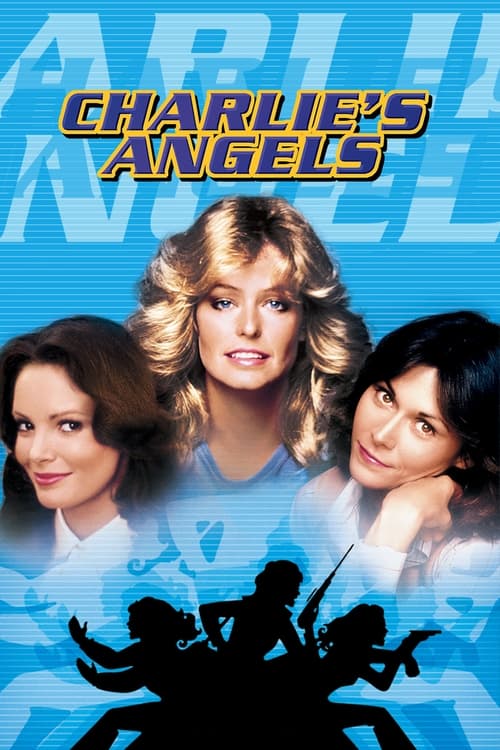
Beautiful, intelligent, and ultra-sophisticated, Charlie's Angels are everything a man could dream of... and way more than they could ever handle! Receiving their orders via speaker phone from their never seen boss, Charlie, the Angels employ their incomparable sleuthing and combat skills, as well as their lethal feminine charm, to crack even the most seemingly insurmountable of cases.
Charlie's Angels

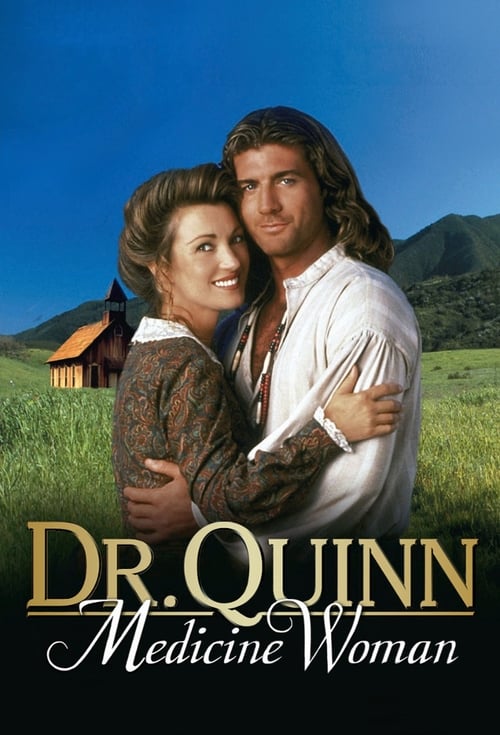
Dr. Michaela Quinn journeys to Colorado Springs to be the town's physician after her father's death in 1868.
Dr. Quinn, Medicine Woman

A widower and aeronautical engineer named Steven Douglas raises three sons with the help of his father-in-law, and later the boys' great-uncle. An adopted son, a stepdaughter, wives, and another generation of sons join the loving family in later seasons.
My Three Sons
No description available.
Bob Hope Presents the Chrysler Theatre

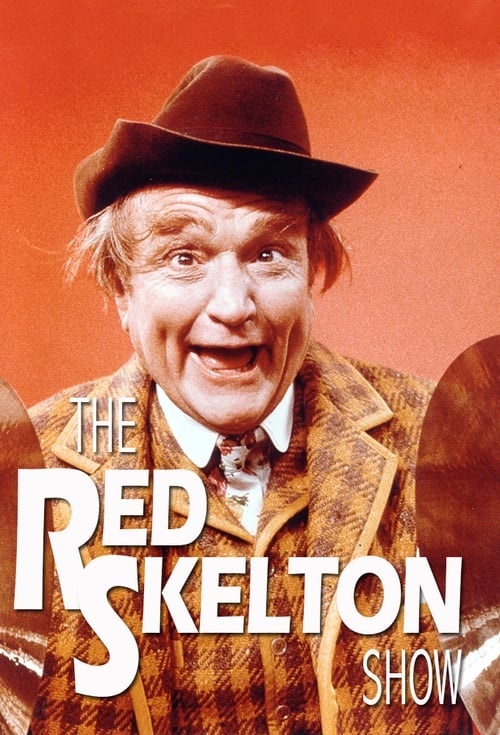
The Red Skelton Show is an American variety show that was a television staple for two decades, from 1951 to 1971. It was second to Gunsmoke and third to The Ed Sullivan Show in the ratings during that time. Skelton, who had previously been a radio star, had appeared in several motion pictures as well. Although his television series is largely associated with CBS, where it appeared for more than fifteen years, it actually began and ended on NBC. During its run, the program received three Emmy Awards, for Skelton as best comedian and the program as best comedy show during its initial season, and an award for comedy writing in 1961.
The Red Skelton Show

An annual American awards ceremony honoring cinematic achievements in the film industry. The various category winners are awarded a copy of a statuette, officially the Academy Award of Merit, that is better known by its nickname Oscar.
The Oscars

The Colgate Comedy Hour is an American comedy-musical variety series that aired live on the NBC network from 1950 to 1955. The show starred many notable comedians and entertainers of the era, including Eddie Cantor, Dean Martin and Jerry Lewis, Fred Allen, Donald O'Connor, Bud Abbott and Lou Costello, Bob Hope, Jimmy Durante, Ray Bolger, Gordon MacRae, Ben Blue, Robert Paige, Tony Curtis, Burt Lancaster, Broadway dancer Wayne Lamb and Spike Jones and His City Slickers.
The Colgate Comedy Hour

Four panelists must determine guests' occupations - and, in the case of famous guests, while blindfolded, their identity - by asking only "yes" or "no" questions.
What's My Line?

Checkmate is an American detective television series starring Anthony George, Sebastian Cabot, and Doug McClure. The show aired on CBS Television from 1960 to 1962 for a total of 70 episodes and was produced by Jack Benny's production company, "JaMco Productions" in co-operation with Revue Studios. Guest stars included Charles Laughton, Peter Lorre, and Lee Marvin, among many other commensurately prominent performers.
Checkmate

The Bob Hope Show hosted by Bob Hope, debuted on April 9, 1950. During the 1952-1953 season, NBC rotated with other variety shows in a Sunday night block known as "The Colgate Comedy Hour" (Sept. 1950 to Dec. 1955). Also known as, "The Chevy Show with Bob Hope." When the first special debuted in October of 1950 it was the most expensive television program made up to that point - costing an astronomical $1,500 a minute to produce. Bob Hope had his own television show and radio show at the same time. For the next three seasons, The Bob Hope Show was broadcast once a month on Tuesday nights, giving Milton Berle a week off. Bob ended his radio show in April, 1956. Bob Hope also had another show by a similar name, "The Bob Hope Show (All Star Revue)". In addition, he performed in "Specials" for many years. It is the longest running variety program in television's history with a record of 45 years of televised entertainment.
The Bob Hope Show

Startime, an anthology of drama, comedy and variety, was one of the first American television shows broadcast in color.
Startime

No description available.
Owen Marshall: Counselor at Law

In 1973 the American Film Institute initiated its Life Achievement Award, to be presented to a yearly recipient whose talent has fundamentally advanced the film art; whose accomplishments have been acknowledged by scholars, critics, professional peers and the general public; and whose work has stood the test of time.
The American Film Institute Salute to ...

The original concept of the show was to allow the viewer to see the inner workings of a movie studio and featured interviews with MGM stars and explanations of how movies were made. Later, the format changed to show edited versions of MGM films.