Grigoriy Dovzhenko
Art
Known For
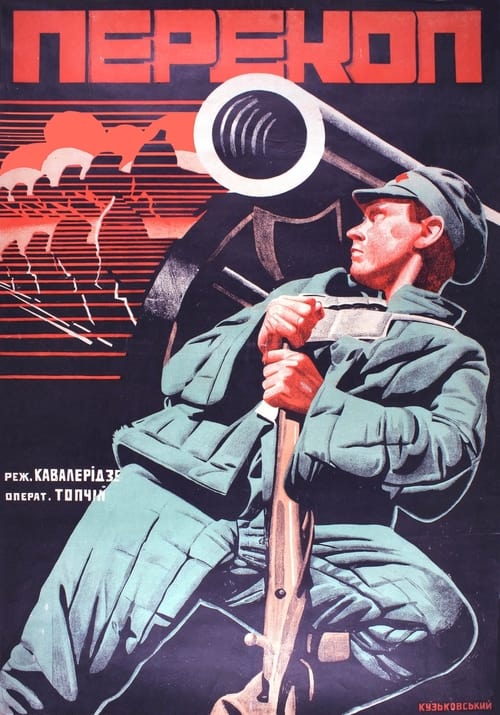
This revolutionary epic likens the push for industrialization of Soviet Ukraine with the battle for Perekop during the Civil War. A missing plow blade is presented as a symbol of the country's backward peasant economy that needs to be transformed in the course of the industrial construction. In an onslaught of rapidly changing images, Ukrainian village with its peasants suspicious of everything new, dramatically collides with the frenzy of working factories, plants, and mines.
Perekop
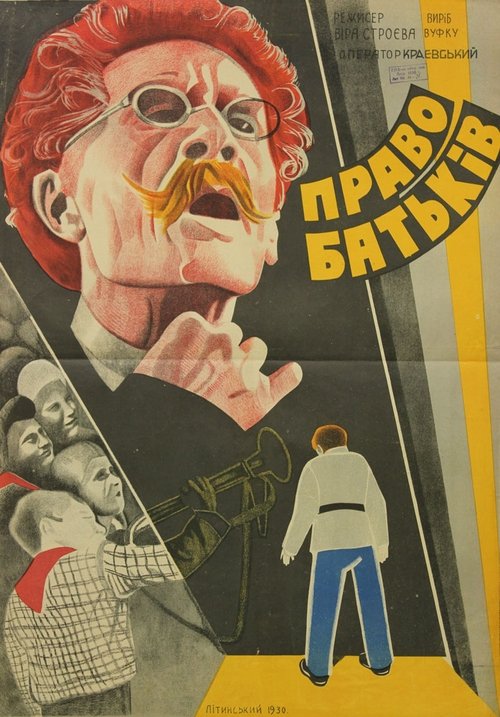
The clockmaker practices what is known as \"parental rights\" – he mercilessly beats his son Boris for every misdemeanor. The boy grows up intimidated, angry, trusting no one, and befriending no one. One day, while the students at the polytechnic school where Boris studies are busy with a physical education class, he deliberately destroys a model that the students have worked so hard to build. The teacher prevents a cruel punishment of the culprit. The school community takes on the responsibility of re-educating Boris. Considered lost.
Parental Rights

A Soviet propaganda film. The director of the Museum of Ukrainian Culture, Professor Kornienko, stays away from politics and tries to work with his daughter in what he considers to be "pure" science. That is why he treats the revolutionary events as an unfortunate but passing phenomenon. His main concern is to preserve the heritage of the people at all costs, even by smuggling some of it abroad. Gradually (not without the influence of the Red Commissar and his own daughter), Professor Kornienko comes to the conclusion that the revolution is not an enemy of culture.
The Museum Guard
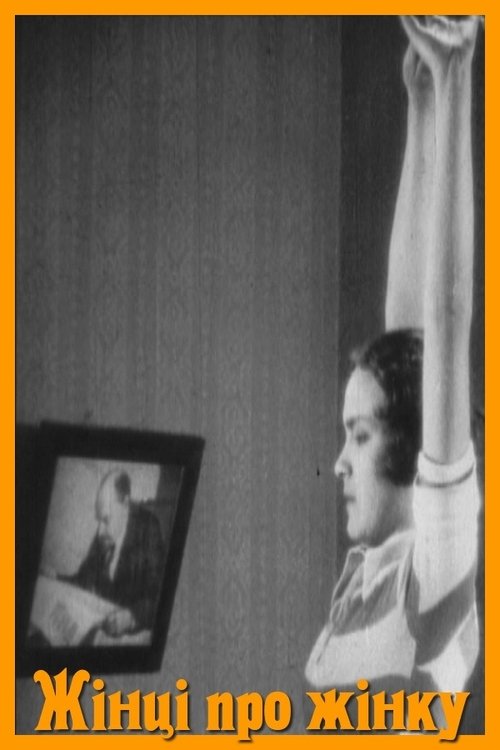
Popular science film about the structure and features of the female body, recommendations on women's behavior in everyday life, in particular during pregnancy and in the postpartum period.