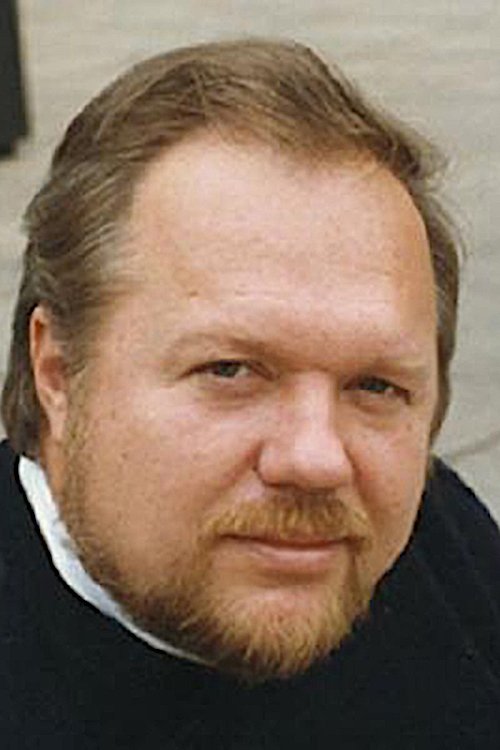
Valeri Alexejev
Acting
Known For
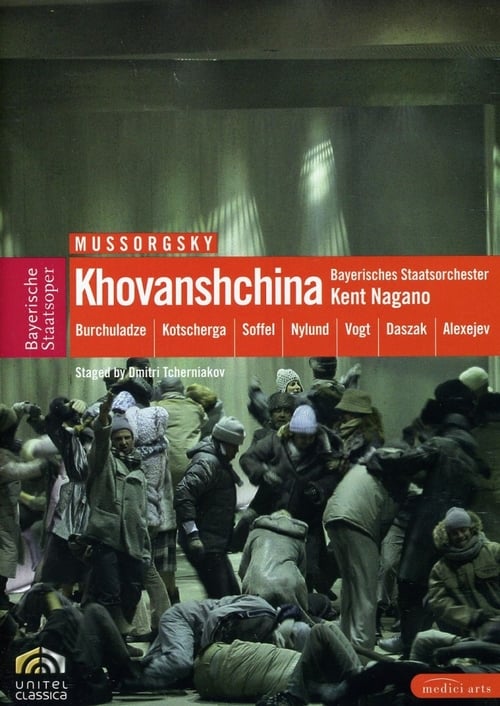
Kent Nagano superbly masters the challenges presented by this score, shapes the dynamics with subtle intensity, and casts the score in a mellow glow. As Marfa, the spurned lover of Ivan Khovansky‘s son Andrei, Doris Soffel unfolds such a rich palette of sonorities, from the pathos of the lower ranges to shaded discant heights, that “one is tempted to speak of a Russian mezzo”. The final chorus, which Mussorgsky did not compose, is played in the orchestrally transparent version of Igor Stravinsky – the third great Russian composer who contributed to making “Khovanshchina“ a timeless, gripping stage work. With his stripped-down sets and historicising costumes, director Dmitri Tcherniakov, one of the new voices of contemporary Russian theatre, builds a bridge to the political present. A lesson in history and music!
Mussorgsky: Khovanshchina
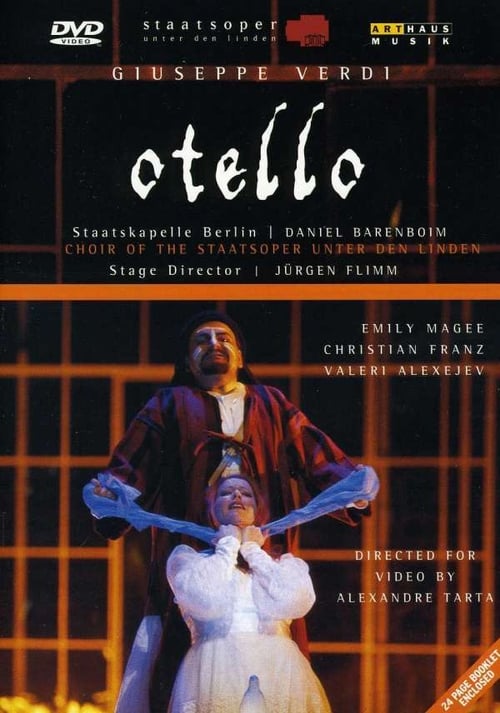
One of the chief pleasures of this live production of Otello from the Berlin Staatsoper Unter den Linden is Daniel Barenboim's conducting. From the opening gale-force blast of storm music, through the crunching and stabbing accompaniment of Iago's "Credo" to the shimmering strings of Desdemona's "Willow Song", he doesn't miss a trick. Everything works at the highest pitch of intensity and the orchestra sticks to his beat like glue. It's a necessary compensation for the shortcomings of the staging: the stolid chorus remains unperturbed by the storm and is directed to perform with unison movements; the acting (apart from Valeri Alexejev) is non-committal, and Alexandre Tarta's video direction somewhat flat-footed. She doesn't manage to make much small-screen sense of an impenetrably murky opening scene, for example, and doesn't seem fond of reaction shots.