
Elizabeth Povinelli
Directing
Biography
Povinelli is one of the founding members of the Karrabing Film. The Karrabing Film Collective is a grassroots Indigenous based media group. Filmmaking provides a means of self-organization and social analysis for the Karrabing. Screenings and publications allow the Karrabing to develop a local artistic languages and forms and allow audiences to understand new forms of collective Indigenous agency. Their medium is a form of survivance – a refusal to relinquish their country and a means of investigating contemporary social conditions of inequality. The films represent their lives, create bonds with their land, and intervene in global images of Indigeneity.
Known For
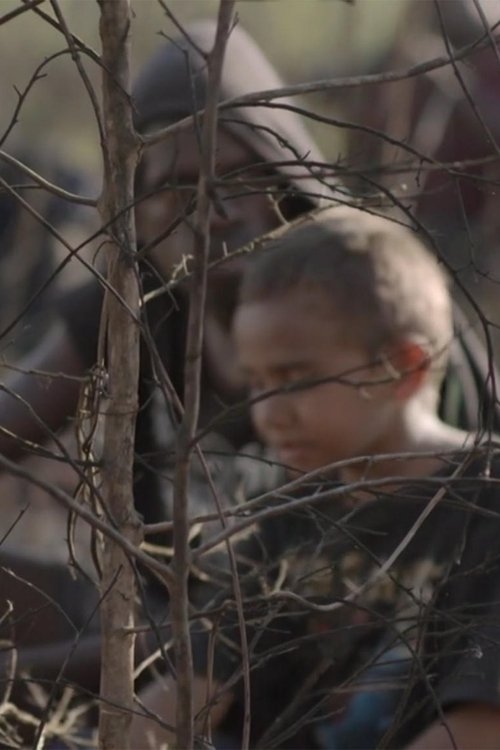
As a group of Indigenous adults argue about whether to save their government housing or their sacred landscape, their children struggle to decide how the ancestral Dreaming makes sense in their contemporary lives. Listening to music on their ipods, walking though bush lands, and boating across seas, they follow their parents on a journey to reenact the travel of the Dog Dreaming. Along the way individuals run out of stamina and boats out of gas, and the children press their parents and each other about why these stories matter and how they make sense in the context of Western understandings of evolution, the soundscapes of hip hop, and the technologies of land development. "When the Dogs Talked" mixes documentary and fiction to produce a thoughtful yet humorous drama about the everyday obstacles of structural and racialized poverty and the dissonance of cultural narratives and social forms. —Elizabeth A. Povinelli
When the Dogs Talked
Night Time Go is an exploration of the Australian settler state’s attempt to remove Indigenous people from their lands during the Second World War, and the refusal of the Karrabing ancestors to be detained. The film begins by hewing closely to the actual historical details of a group that escaped from an internment camp in 1943, but slowly turns to an alternative history in which the group inspires a general Indigenous insurrection that drives out settlers from the Top End of Australia.
Ngupelngamarrunu, Night Time Go
One of the Karrabing's most stirring and direct films, Day in the Life (also screening as part of the Frameworks programme) depicts obstacles encountered across four points of their day. A multilayered hip-hop soundscape sees helpless statements by white media make way for the Karrabing's ultimately empowering words of resistance.
Day in the Life
In the Northern Territory of Australia, an extended Aboriginal family attempts to track down a missing family member so as not to lose their government housing.
Karrabing! Low Tide Turning
At the end of the world, only Indigenous people can survive the toxic landscape so the white fellas steal ‘mud children’ to experiment on in the hopes of finding a cure. One such mud child, Aiden now returns to his ancestral lands, where the mermaids were meant to protect him. But the mermaids are being targeted too.
The Mermaids, or Aiden in Wonderland

As miners steal and pollute the ground underneath them, a group of young Indigenous men are chased by police for allegedly stealing two cartons of beer.
Windjarrameru, the Stealing C*nt$
Different encounters as experienced by the indigenous population of Australia’s Northern Territory frame the narrative, enriched by the collective’s approach to filmic ‘world-making’.
Night Fishing with Ancestors
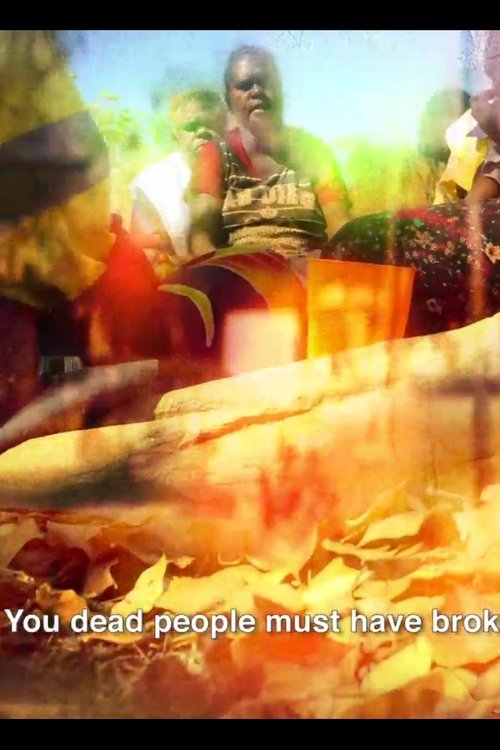
Across a series of increasingly surreal flashbacks, an extended Indigenous family argues about what caused their boat’s motor to breakdown and leave them stranded. As they consider the causal roles played by ancestral spirits, the regulatory state and the Christian faith, the film makes manifest the multiple demands and inescapable vortexes of contemporary Indigenous life.
Wutharr, Saltwater Dreams

The Jealous One unfolds along two plot lines that meet in a dramatic final encounter: the first, a story of an Indigenous man weaving through bureaucratic red tape to get to a mortuary service on his ancestral land; and the second, a fight between a husband consumed by jealousy and his wife’s brother, who excludes him from community ceremonies.