Production
This film examines the reasons why the United States decided to engage in the Korean War. Scenes describe Russia's attempt to gain power following World War II (Korea included), and its refusal to allow free elections in the country. Footage shows Soviet-backed North Korean troops' movement into South Korea on June 25, 1950, the United Nations' response, and the armed struggle against both North Korean and later Chinese troops led by General Douglas MacArthur. Preserved by the Academy Film Archive in partnership with Twentieth Century Fox Film Corporation in 2005.
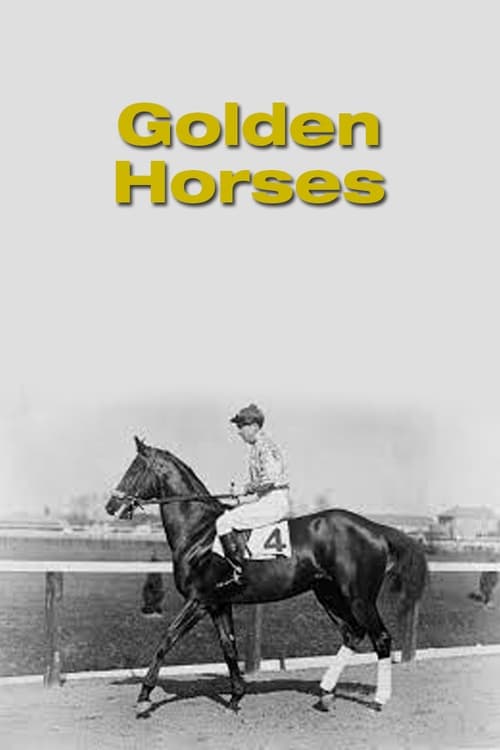
Golden Horses is a 1946 English language short film directed by Tom Cummiskey, starring Ed Thorgersen. It has been nominated for an Oscar for Best Live-Action Short, One-Reel.
Travelogue.
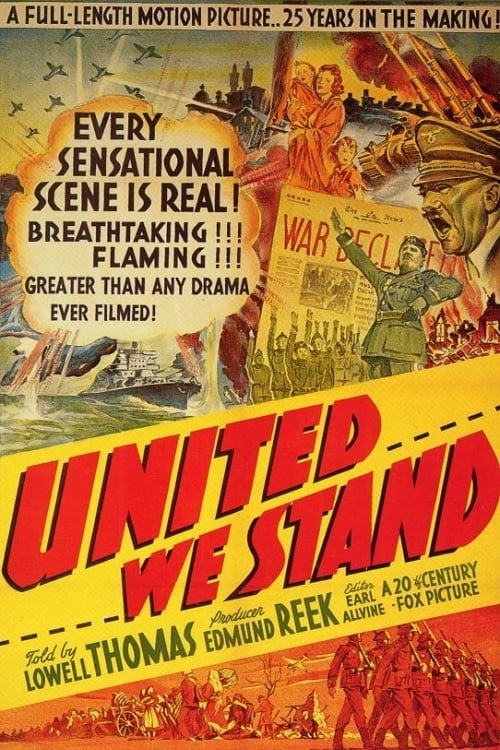
Using newsreel footage, this film reviews world events from the end of World War I to the American entry into World War II and, according to the narration, shows "how, through their disunity, democracies were led, some to destruction and others to the verge of destruction."]
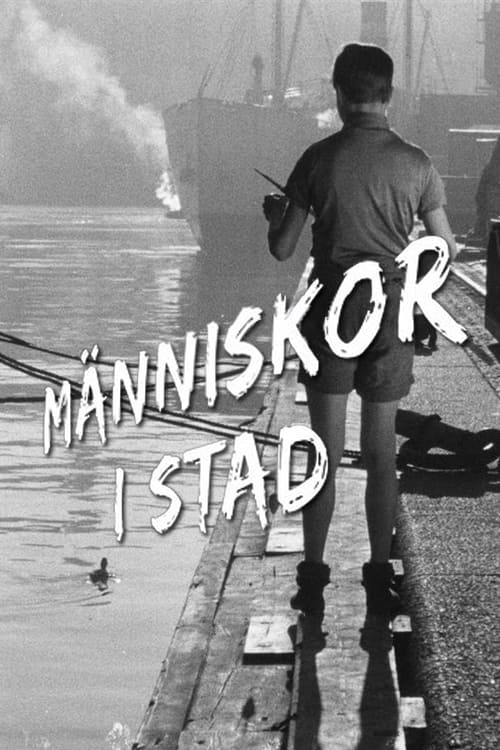
An impressionistic short film celebrating Stockholm’s rhythms of life, blending images of its streets, waterways, people, and architecture into a visual “symphony.” Winner of the Academy Award (Oscar) for Best Short Subject, One-Reel in 1949 — the first Swedish film ever to receive an Oscar.
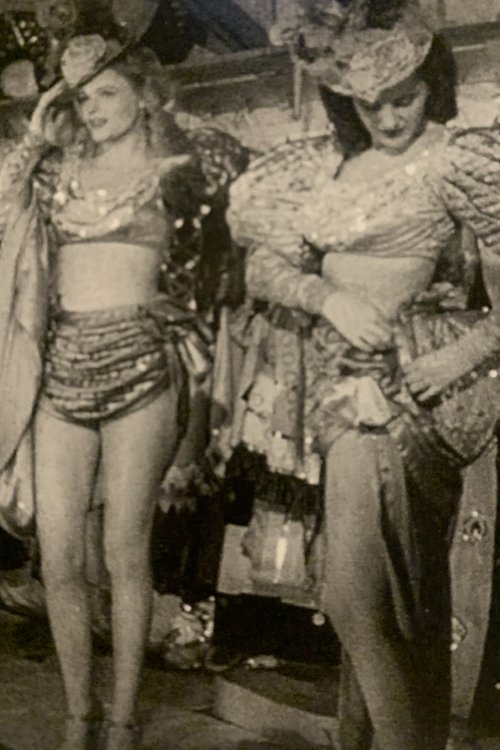
"“Behind the Footlights,” directed by noted fashion editor, artist, and costume designer Vyvyan Donner, reveals the constant work and rehearsals necessary to keep chorus lines synchronized and snappy. Narrator Paul Douglas tells us how “the bright lights of Broadway kindle the flame of ambition.” We first see such burning drive backstage at the Carnival Night Club in New York City as the dancers rehearse; we then watch from front of house as they perform. Next up is the Shipstads & Johnson Ice Follies, where chorus girls perform similar dance routines, only on ice skates. Seen today, “Behind the Footlights” is hardly an inducement to join the performing arts. Kicking third from the left in a line of ladies dressed in ruffles, bananas, and pineapples, all the while hoping the star breaks her ankle, is the stuff that dreams are made of, and which brings a paycheck at the end of the week." — Caroline Yeager
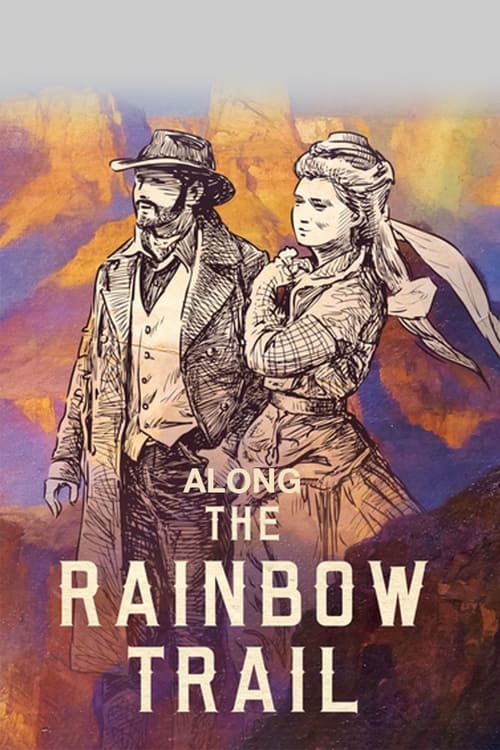
This 1946 entry in the "Movietone Adventures" series of shorts was in Technicolor when originally released. Narrated by Lowell Thomas, it is a trip from Medicine Hat in southern Utah down the rapids of the San Juan River ending with a view of the Rainbow Bridge, hence the title and the use of Tehnicolor. It was nominated for an Oscar for Best Short Subject, One-Reel.
Shot in gorgeous Cinecolor, an early subtractive two-color process, Lost Lake follows the famed Jesuit priest, geologist, and explorer Father Bernard Rosecrans Hubbard on his trip to discover a lost lake on top of an Alaskan glacier.
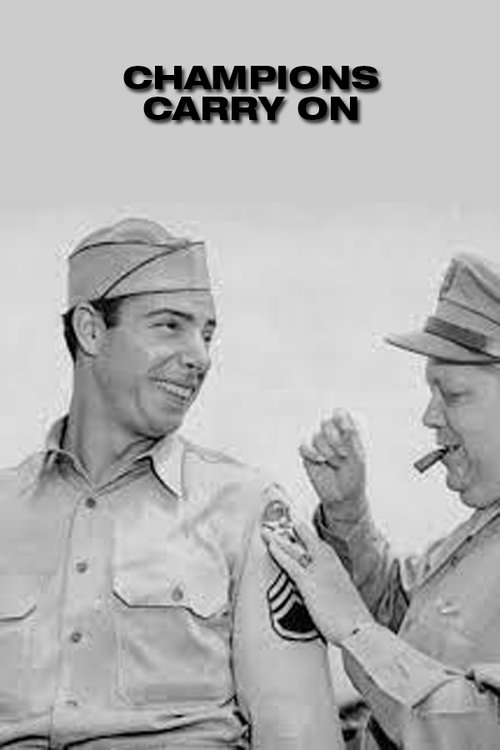
Champions Carry On is a 1943 American short documentary film about how American sports figures were contributing to the war effort, produced by Edmund Reek. It was nominated for an Academy Award at the 16th Academy Awards for Best Short Subject (One-Reel).
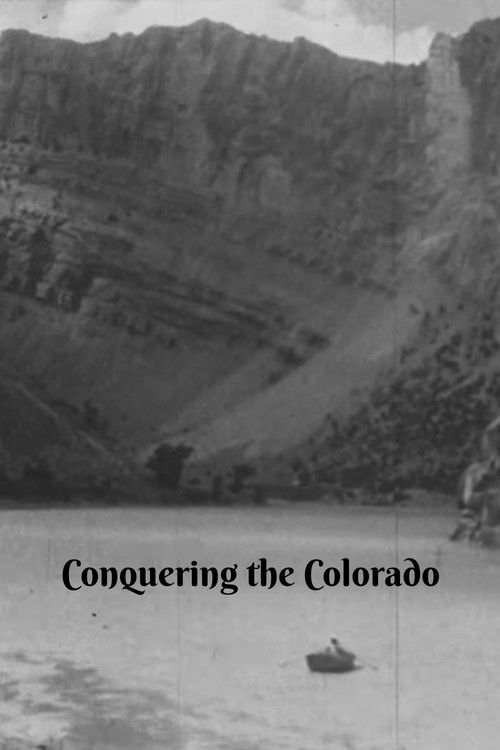
The story of the conquest of the Colorado River by 'Buzz' Holmstron, an Oregon filling station attendant, who was the first man ever to navigate the river alone in a boat.