
Inna Omelchenko
Directing
Known For

The film focuses on women from a family living in southern Russia: two sisters, their mother, and grandmother. Every summer, the younger women visit the elders, returning to their roots and embracing a traditional way of life. This household is deeply matriarchal—men are present but play secondary roles. The film’s space is filled with rituals: fortune-telling, herb gathering, and bathing. Here, the sacred is intertwined with the mundane. The daughters follow the life paths of their mother, who once traced the steps of the older women in the family.
Wife to Be
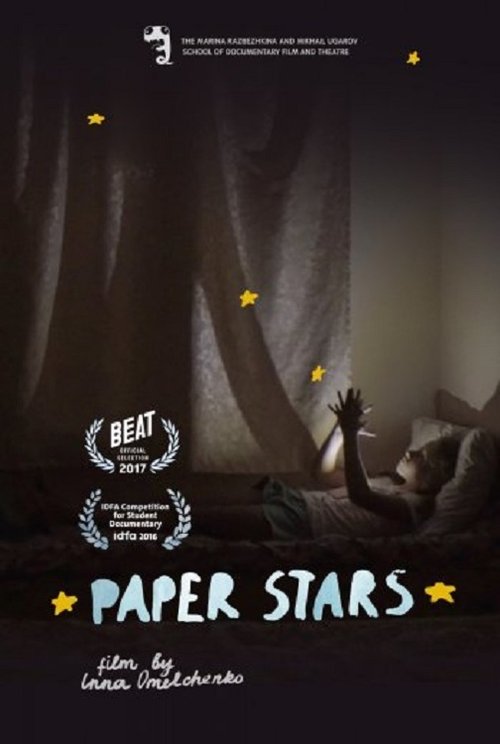
Thirteen-year-old Alina is going to summer camp. There, she shares a room with five other girls and takes part in the daily activities, which include games on the beach and lots of sports. At first she hangs back, hesitant, but she quickly finds her place in the group. She makes new friends, flirts with boys at the camp, dances in the evenings to loud music and shares secrets with her roommates. But it’s not so easy for everyone to find a place in the social structure of the camp. For Polina, the summer camp isn’t as warm and friendly as she’d hoped. Failing to connect with the other girls and feeling homesick, she withdraws into her own world. Paper Stars is a Russian coming-of-age film that, thanks to its direct camera style, is able to present an intimate, sensitive impression of teenage girls in a new environment where they feel unsure.
Paper Stars
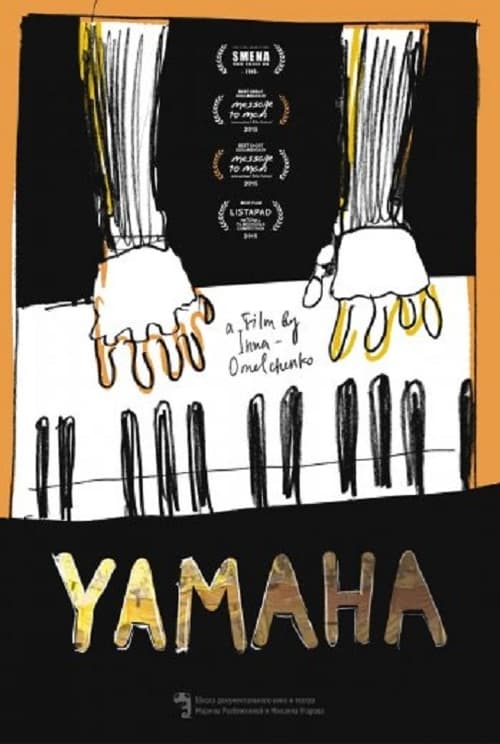
Armed with nothing more than a Yamaha keyboard, Valentin commutes back and forth between his shared flat and a metro underpass in search of happiness.