Writing
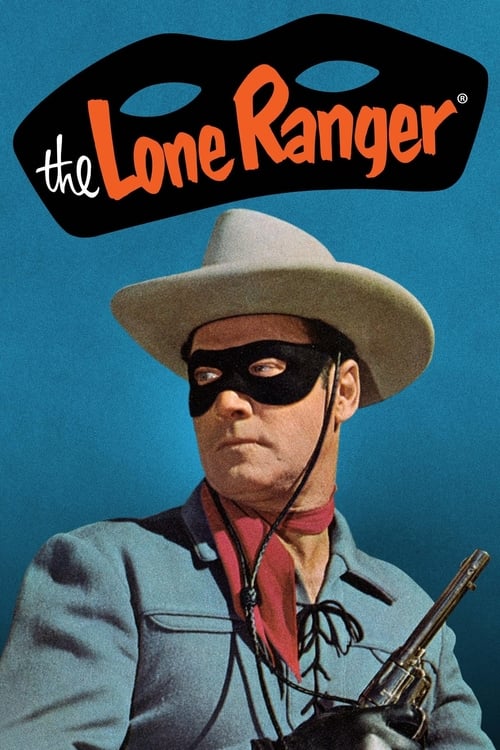
The Lone Ranger is an American western television series that ran from 1949 to 1957, starring Clayton Moore with Jay Silverheels as Tonto. The live-action series initially featured Gerald Mohr as the episode narrator. Fred Foy served as both narrator and announcer of the radio series from 1948 to its finish and became announcer of the television version when story narration was dropped there. This was by far the highest-rated television program on the ABC network in the early 1950s and its first true "hit".
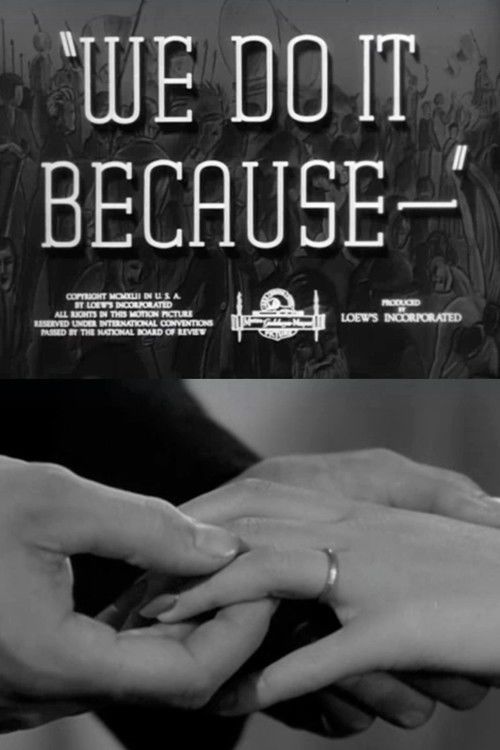
This John Nesbitt's Passing Parade short explores the origins of various customs such as shaking hands, kissing, and why ships are christened.
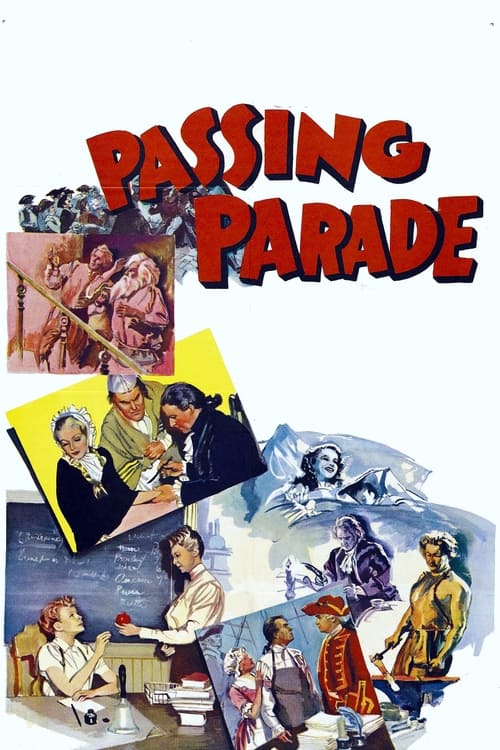
This Passing Parade series entry looks at three instances of people who either caused or were the victims of errors.
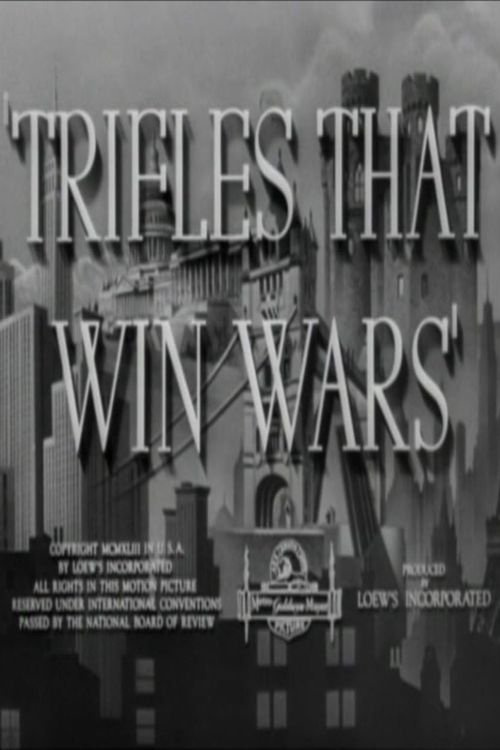
This John Nesbitt's Passing Parade short looks at how a few specific inventions made a major contribution to the U.S. war effort.
Outlines the basic requirements necessary for effective court administration which is equally applicable to one-judge or multiple-judge courts and illustrates principles of sound business practices. Lists adequate courtroom facilities and stresses the need for competent clerical help and clerk attaches. Enumerates the merits of combination traffic ticket and complaint. Encourages the establishing of an accurate system of accountability of complaints. Advocates the establishment of traffic violations bureau where clerical assistants could handle non-moving and non-hazardous viloations.
Contrasts the traffic court of the horse and buggy era with that of today. Points out that traffic court cases must be kept separate from others and that the court must demand and earn respect. Presents examples of good traffic courtroom procedure emphasizing such aspects as the formal opening, initial remarks by the judge outlining rights and obligations of defendants, trial procedure, and formal closing. Emphasizes that it is the traffic court judge's responsibility to increase respect for judicial authority.
Visualizes traffic problems and cites statistics concerning these problems. Suggests three major considerations in the reduction of traffic problems: engineering, education, and enforcement. Emphasizes the traffic court judge's responsibility in enforcement and discusses how a judge can most effectively deal with each case so that people will leave the courtroom with respect for law courts and an awareness of their responsibilities toward observing the rules of the road.