Herman Heijermans
Writing
Biography
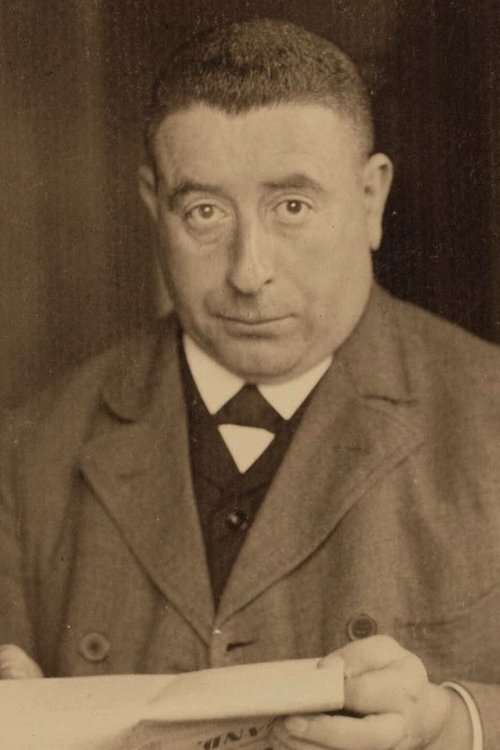
Herman Heijermans (1864–1924), was a Dutch writer. He made his debut under the pseudonym of Samuel Falkland in the Algemeen Handelsblad daily, publishing a series of sketches of Jewish family, later collected in volume form. His novels and tales include Trinette (1892), Fles (1893), Kamertjeszonde (1896), Interieurs (1897) and Diamantstad (1903). He is best remembered for his play Op Hoop van Zegen (1900), an indictment of the exploitation of sea fishermen in the Netherlands at the turn of the century, represented at the Théâtre Antoine in Paris, and in English by the Stage Society as The Good Hope. Other notable stage plays by Heijermans are: Dora Kremer (1893), Ghetto (1898), Het zevende Gebod (1899), Het Pantser (1901), Ora et labora (1901), and numerous one-act pieces.
Known For

Registration of Herman Heijermans' play, performed by the 'Toneelgroep Theater' company.
Links

Young Barend is worried about the safety of the sailing vessel he is on. The owner is an unscrupulous and stingy man who skimps on repairs and Barend becomes aware of this. Inevitably there is drama and tragedy. The film is set in an early 20th century Dutch fishing village with local period costume and colour.
The Good Hope

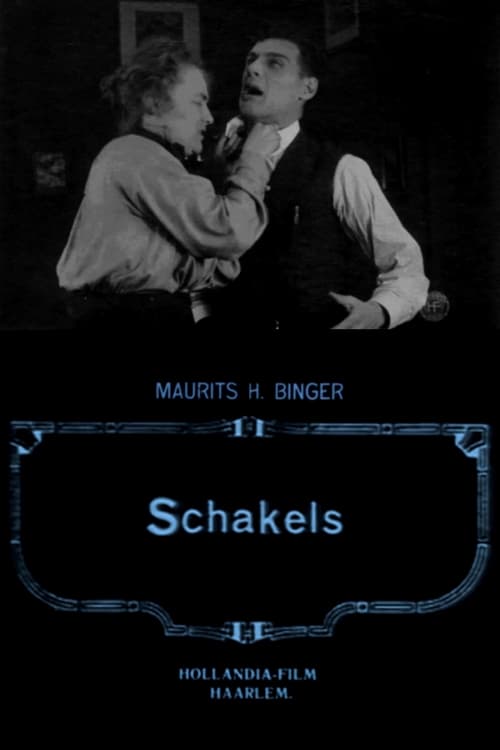
When self-made businessman Pancras Duif decides to marry his much younger housekeeper, his entire family protests; eager to protect the family capital, sons Henk, Jan and Toon enlist a psychiatrist for help. The film is considered lost.
Links

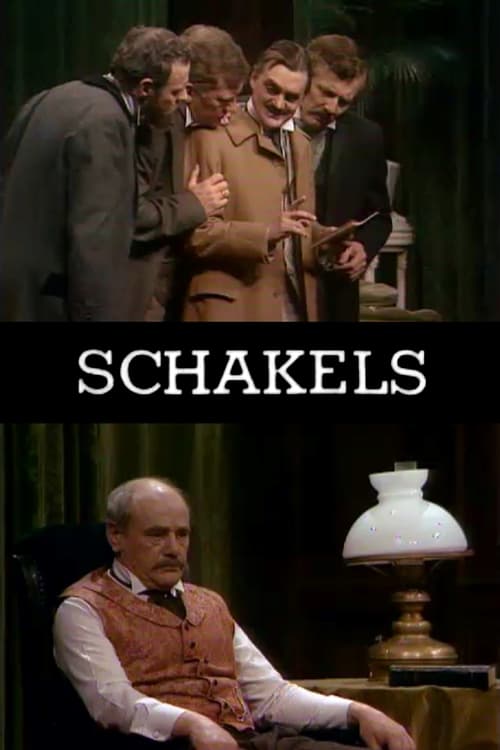
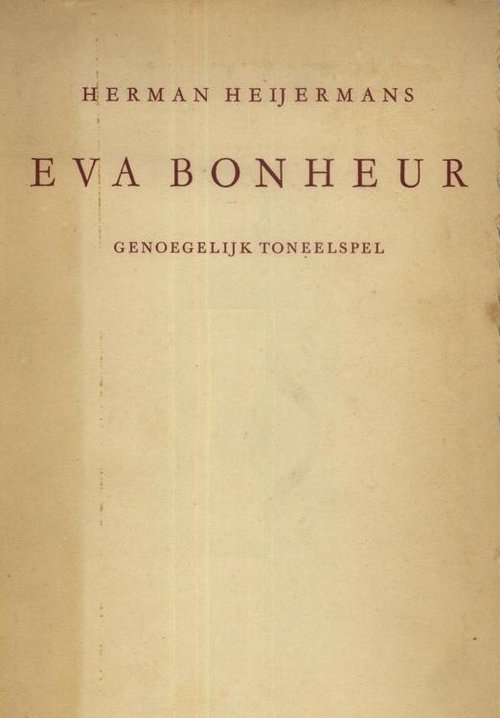
Adaptation for television of the stage play of the same name by the Dutch playwright Herman Heijermans. When lodger Eva Bonheur lends her landlady Mop two thousand pounds and Mop is unable to repay her, Bonheur gets control of the house and decides to put Mop, her husband Jasper and their daughter Miep out on the street.
Eva Bonheur

The small business of the De Sterke family is threatened when their ever-expanding neighbour, department store 'The Rising Sun', starts taking away their customers.
The Rising Sun

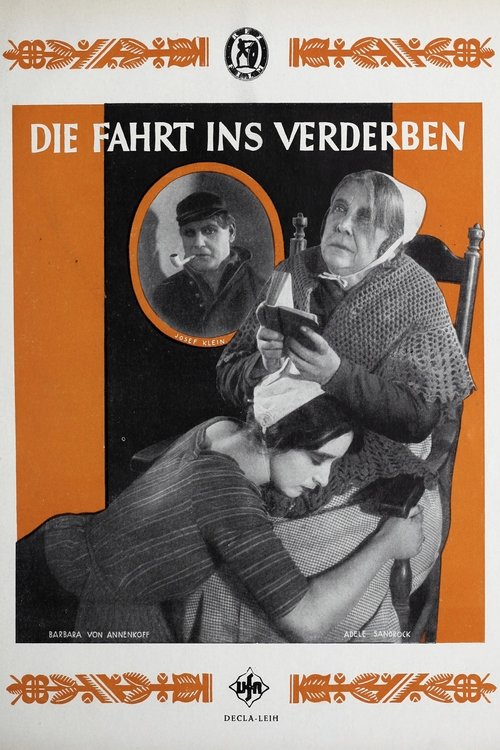
A poor fisherman's wife sends the remaining family members, her two sons, out to sea on a boat that has seen better days.
The Good Hope

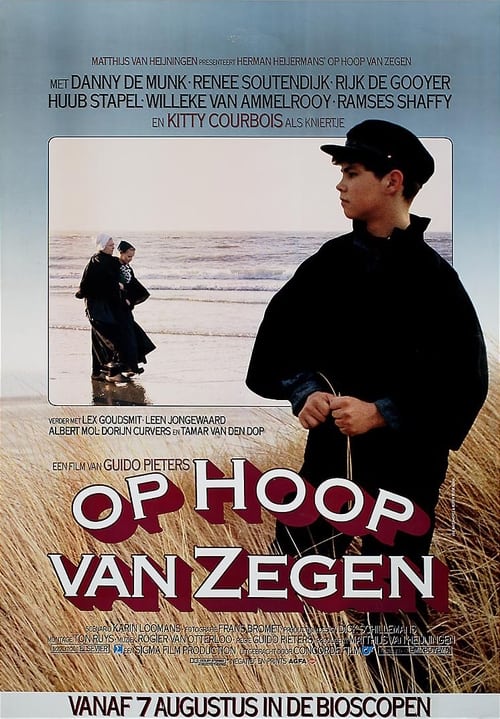
Fisherman’s widow Kniertje urges her two younger sons to set sail on the ‘Op hoop van zegen’, a heavily insured floating wreck which duly goes down in a storm. Kniertje is left behind, alone and lonely. Based on Herman Heijermans’ socialist-inspired Dutch theatre classic.
The Good Hope

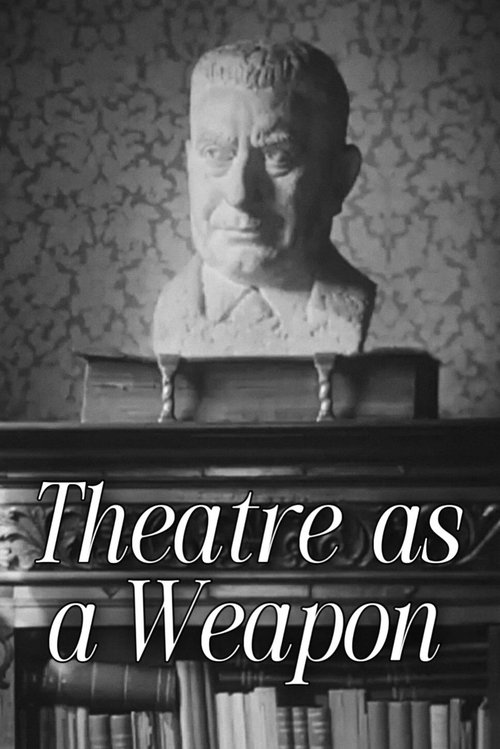
A portrait of Dutch playwright Herman Heijermans (1864-1924), released in commemoration of the 100th anniversary of his birth. The documentary combines interviews, theatre excerpts, and archival footage.
Theatre as a Weapon

On the Dutch North Sea coast among fishing families. the wholesaler and ship owner Bos is only interested in profit and, out of pure greed, he risks the lives of his fishermen, who set out to sea to catch herring for him. One of his ships, a veritable coffin, is to set sail once again, and Bos has the rickety vessel patched up as best he can. To avoid losses in the event of a likely shipwreck, he takes out high insurance on the sloop. For old mother Kniertje Vermeer, this is no reason to prevent her sons Geert and Barend from signing on to the ship. An experienced old shipwright warns everyone not to board this "floating coffin," but no one heeds his well-intentioned warning.