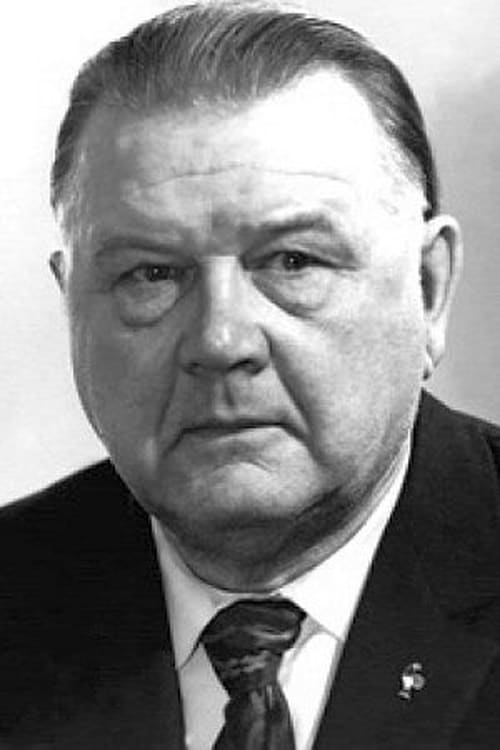
Ivan Zhevago
Acting
Known For

Fitil is a popular Soviet/Russian television satirical/comedy short film series which ran for about 500 episodes. Some of the episodes were aimed at children, and were called Фитилёк, Fitilyok, Little Fuse. Each issue contained from the few short segments: documentary, fictional and animated ones. Directed by various artists, including Leonid Gaidai who presented his famous trio of Nikulin, Vitsin and Morgunov into the cast. It was called in USSR as "the anecdotes from the Soviet government".
Fuse
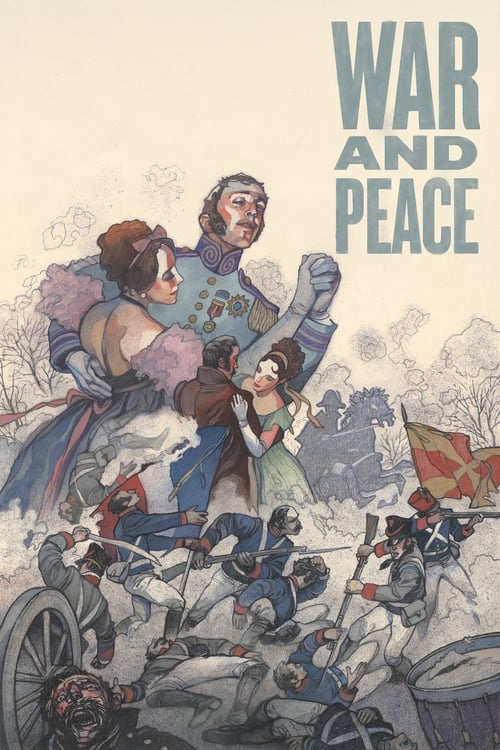
The love story of young Countess Natasha Rostova and Count Pierre Bezukhov is interwoven with the Great Patriotic War of 1812 against Napoleon's invading army.
War and Peace

A diamond smuggling operation goes wrong when an ordinary Soviet citizen becomes unwittingly involved, and the criminals are forced to court him to retrieve their diamonds.
The Diamond Arm
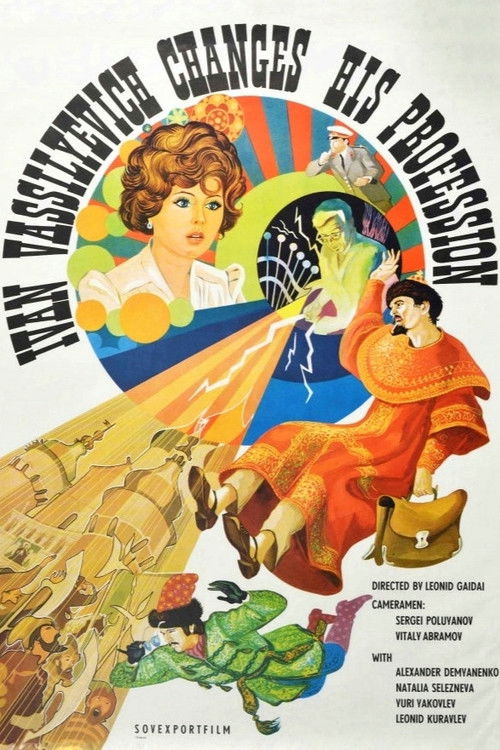
A scientist builds a time machine and accidentally sends his apartment complex manager and a petty burglar to 16th century Moscow, while Tsar Ivan the Terrible travels to 1973.
Ivan Vasilyevich Changes His Profession
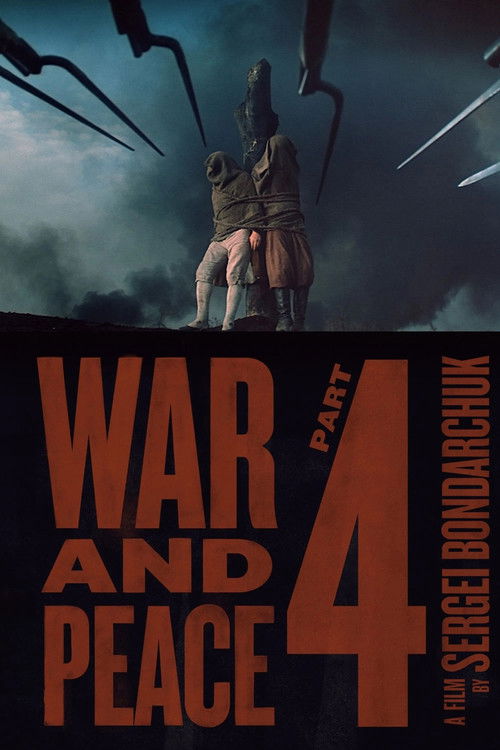
As Moscow is set ablaze by the retreating Russians, the Rostovs flee their estate, taking wounded soldiers with them, and unbeknownst to them, also Andrei. Pierre, dressed as a peasant, tries to assassinate Napoleon but is taken prisoner. As the French are forced to retreat, he's marched for months with the Grande Armée, until being freed by a raiding party. Part four of the four-part adaptation of Leo Tolstoy's 1869 novel.
War and Peace, Part IV: Pierre Bezukhov
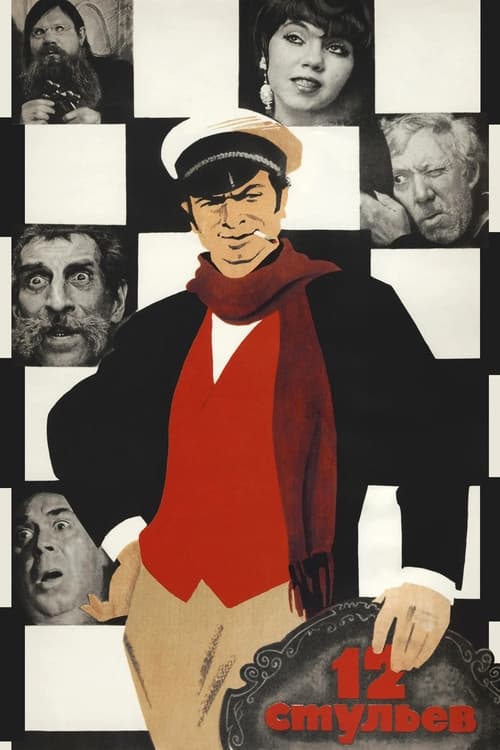
A former aristocrat Ippolit Vorobyaninov leads a miserable life in Soviet Russia. His mother-in-law reveals a secret to him - she hid family diamonds in one of the twelve chairs they once had. Vorobyaninov in cooperation with a young con artist Ostap Bender start a long search for the diamonds.
12 Chairs

In 1805 St. Petersburg, Pierre Bezukhov, illegitimate son of a rich nobleman, is introduced to high society. His friend, Prince Andrei Bolkonsky, joins the Imperial Russian Army as aide-de-camp of General Mikhail Kutuzov in the War of the Third Coalition against General Napoleon Bonaparte. Part one of the four-part adaptation of Leo Tolstoy's 1869 novel.
War and Peace, Part I: Andrei Bolkonsky
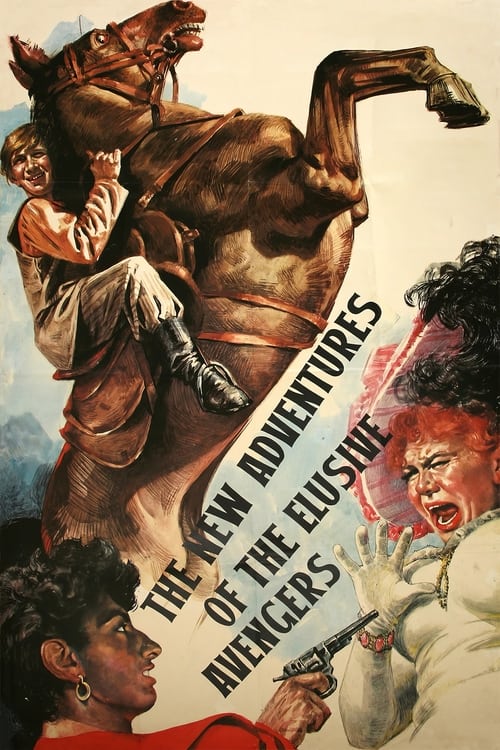
The action takes place in 1920 during the Civil War. Crimea on the eve of complete liberation from the White Guards. Returning from patrol, the four brave “elusive” knocked down an airplane. In the field bag of the captured pilot, they find a secret report, which speaks of the existence of defensive fortifications around the coastal city, which the Reds have yet to take. Young heroes get the task to get a map of fortifications and go to the city...
The New Adventures of the Elusive Avengers
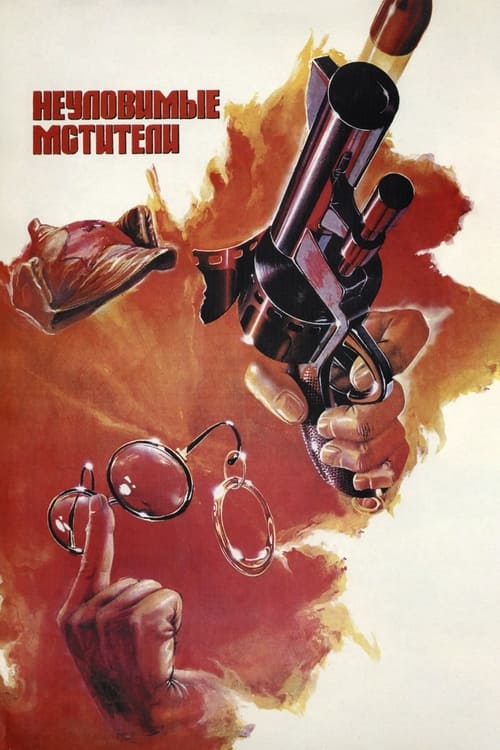
Danka's and Ksanka's childhood in the village brutally ends when their father is killed by a White Guard officer in front of their eyes. Seeking revenge, they join forces with Valerka, an intellectual from big city, and the gipsy Yashka, but before they can get close to their enemy they have to help their village and the advancing Red Army.
The Elusive Revengers
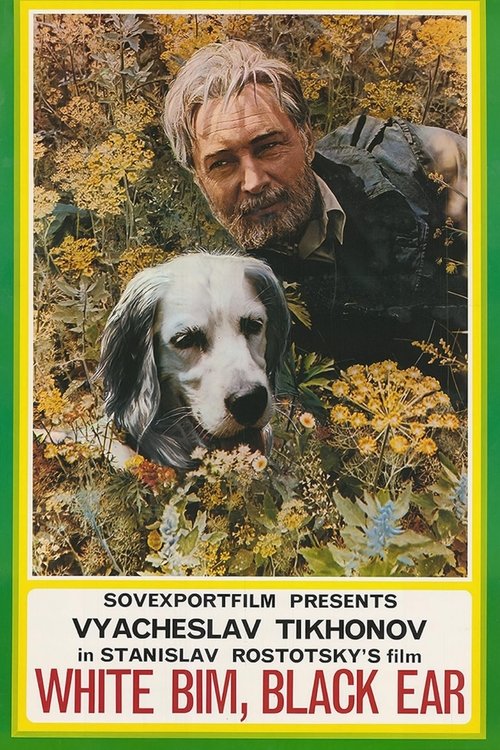
A touching story about a white Gordon Setter with black ear, who became homeless because of his master's illness. His master, Ivan Ivanovich, a man far from being young, fond of hunting and nature, took a puppy to live with him, despite the dog's black ear being a "shame of nature" to his breed. The man always took his dog, whom he called Bim or Bimka, to hunting in country. Later, however Ivan Ivanovich began to have problems with heart and when the disease became worse was taken to a hospital. His dog couldn't bear waiting for the only person that ever cared for him and set out to find his master. Thus began the story of a homeless dog and his many breathtaking and exciting adventures, encounters of many people, kind and evil, and leads to an unexpected and heart-rending end.
White Bim Black Ear
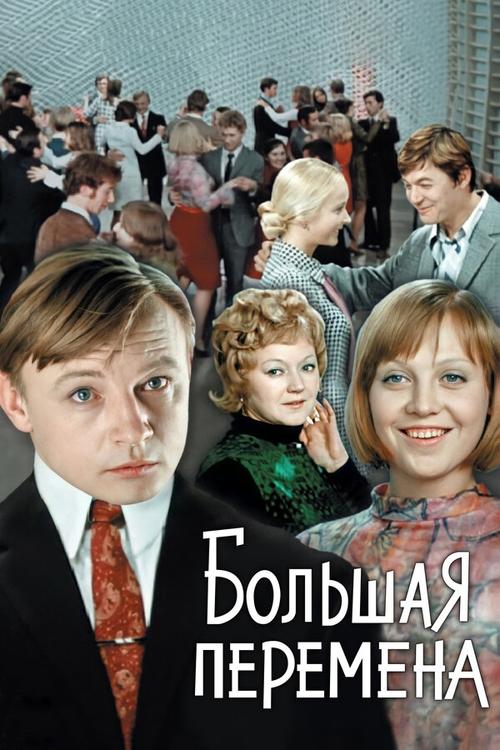
A young teacher goes to a school for adults. He is younger than many of his students and some of them are starting to miss school.
The Long Recess
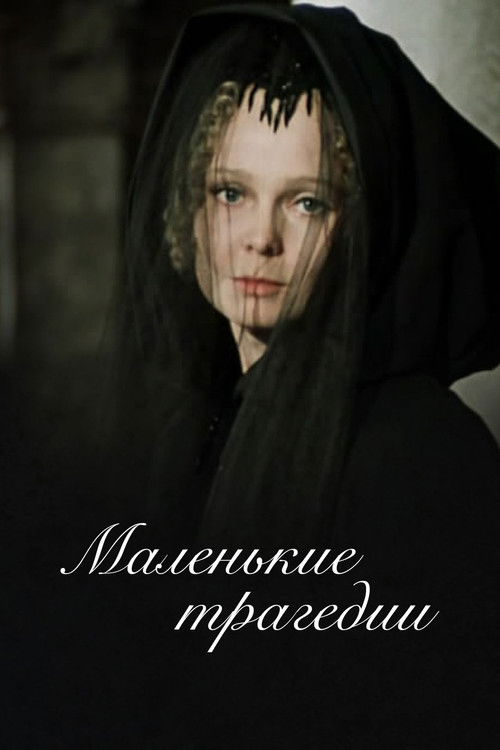
Based on Pushkin's "Little Tragedies" ("The Miserly Knight", "Mozart and Salieri", "The Stone Guest", "A Feast in the Time of Plague").
Little Tragedies
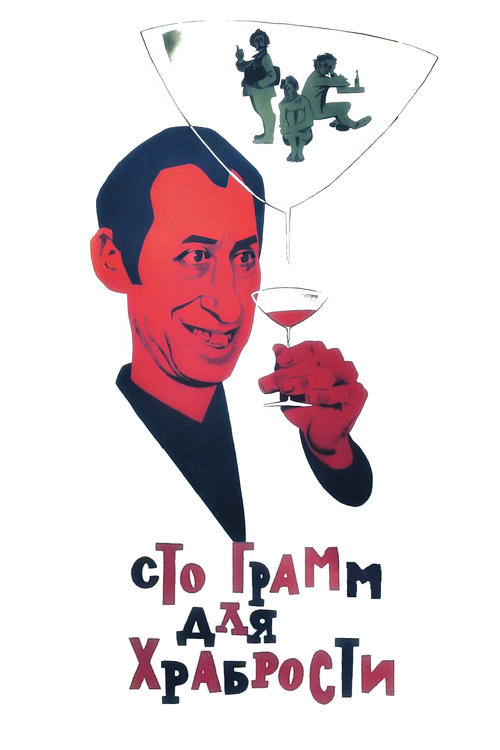
The movie consists of three short stories that share a common satirical theme: alcoholism and drunkenness. The stories are "Such an imprudence!," "According to the laws of hospitality," "100 grams for bravery".
100 grams for Bravery
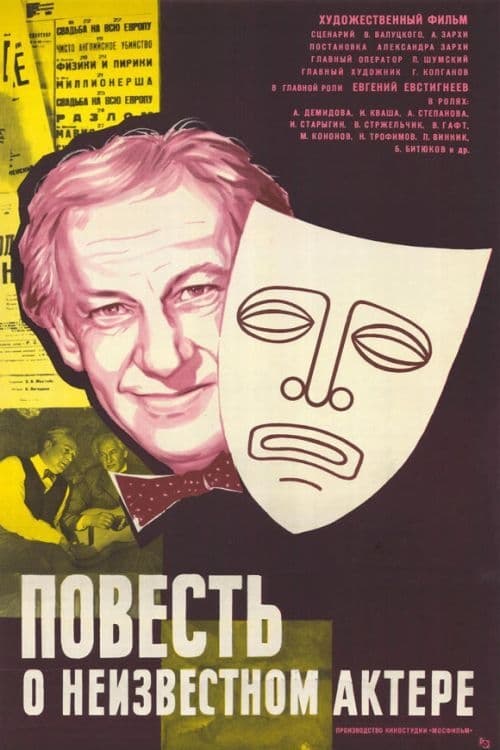
Pavel Pavlovich Goryaev is not that young of an actor. For many years he plays in the provincial theater in leading roles. The director of a play based on a play that was written for Goryaev takes the young actor for his role. Goryaev at first falls into despair, leaves the theater, turns to friends. After a while he digests what happened and realizes that it is time to leave the stage with dignity.
Story of an Unknown Actor
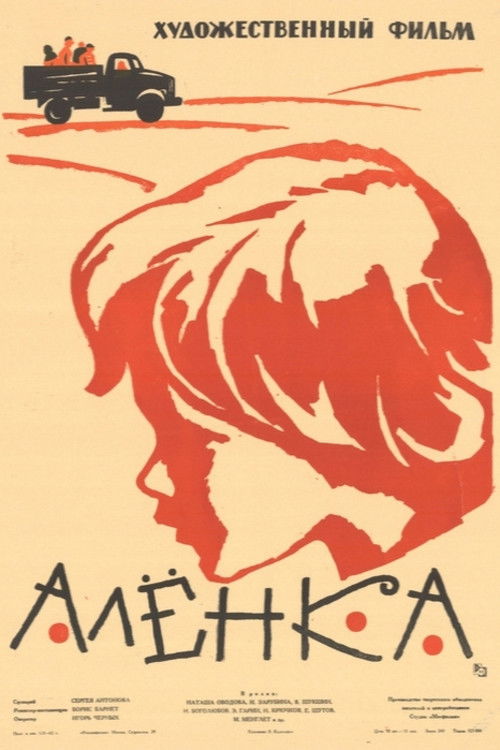
Set in 1955 when many migrated from Russia to the Steppes of Kazakhstan, this is the trip back to the Canal from the frontier and farms by a number of people who tell their settler stories. Alyonka Muratova is a winsome 13 year old who talks Dmitry Prokovich, the chief mechanic for the Soviet, into giving up his seat in the truck to a young mother with her infant daughter. Then Alyonka and Dmitry share the back of the open truck with a young woman, newly graduated dentist who has not been able to find a position, Stefan, a hitchhiker with a dog who hopes his upper-class wife will return to him and the countryside, and Vasselina Petrovolka, a woman who lost one of her twin daughters in a riding accident by the river shortly after they arrived, and now is returning to tell the other twin of her sister's fate. A warm hearted look at common folks traveling in the frontier.
Alyonka
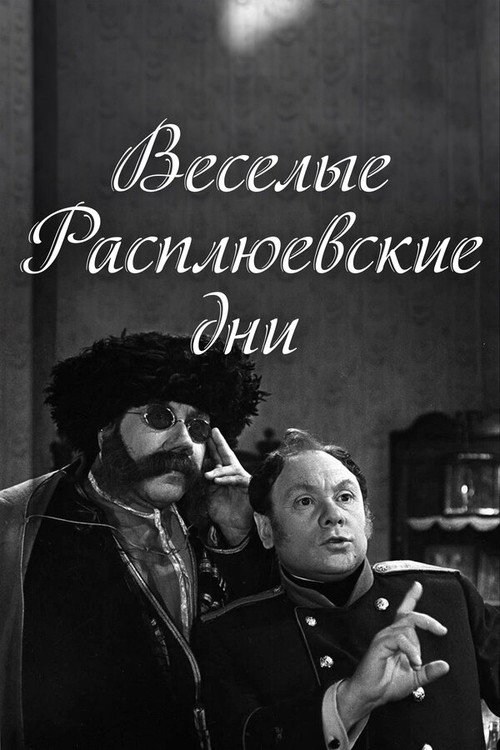
A clerk fakes his own death in order to get a big fortune.
Rasplyuev's Days of Fun
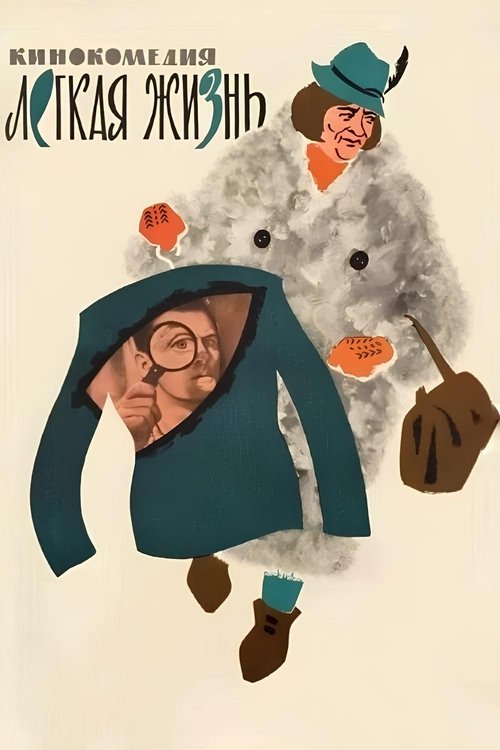
A chemist by training, Alexandr Bochkin manages a Moscow dry-cleaning operation, but lives a very comfortable life, taking orders on the side for his speculative "private enterprise," run in conjunction with "Queen Margot". But when his old friend from the chemical institute, Yuri Lebedev arrives in Moscow from the Siberian city of Dalnegorsk, along with a traveling companion, Olga, Bochkin becomes uncomfortable with his job title.
An Easy Life

This first co-production of the Soviet and Indian cinematographers is dedicated to the Tver merchant Afanasy Nikitin who in 1466-1472 blazed the trade way from Europe to India. The film is based on Nikitin’s travel notes. Starring in the film are popular Russian actor Oleg Strizhenov and India’s 1950s movie star Nargis.
Journey Beyond Three Seas
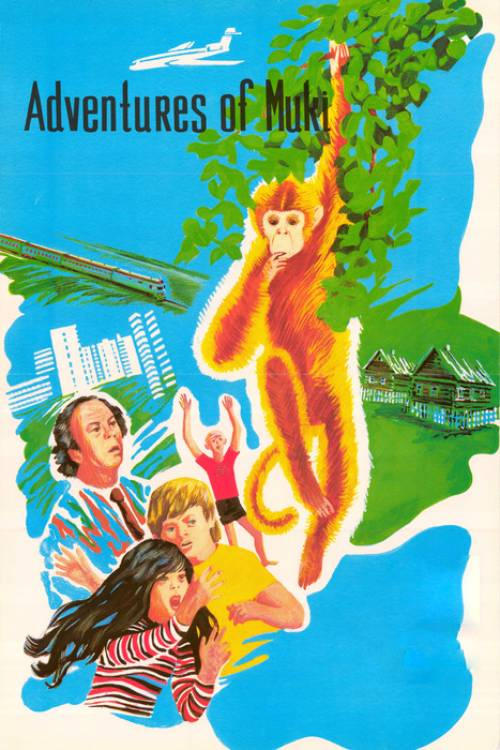
The adventures of the little monkey Nuki, who was brought from Italy as a gift to a fat, spoiled boy. Having escaped from an unpleasant house, the monkey gets to a kind girl. But then it turns out that Nuka has been stolen, and her real mistress is a little sick girl suffering from the loss of her pet.
Adventures of Nuki
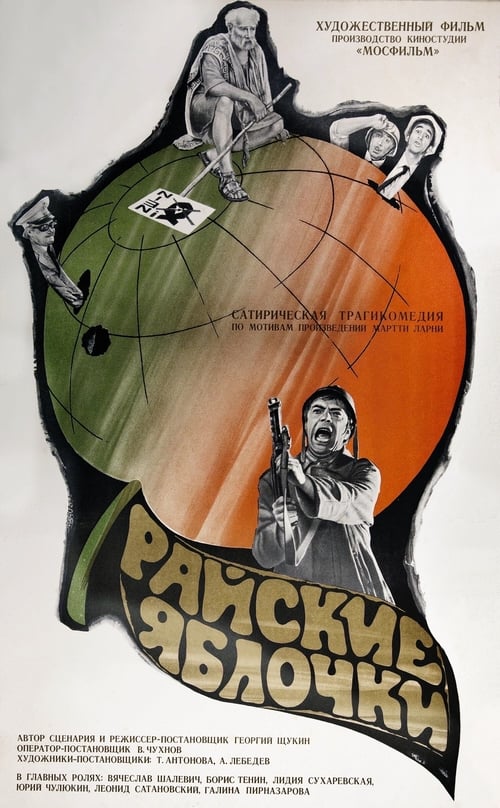
Political pamphlet based on the story of the Finnish writer Martti Larni "Socrates in Helsinki". Spring of 1944. In the paradise, which has long been settled by the philosopher Socrates, a fired soldier Vittori Virten arrives. The philosopher respected the newcomer with great respect, and they even became friends. Once having distinguished himself before God, the heroes get a vacation on Earth and go on a journey: the soldier decides to visit his family in Laconia, and the sage just wanted to see the world — did he think it once, and decided to join the soldier...