Hatuey Viveros Lavielle
Camera
Biography
Hatuey Viveros Lavielle started law school, but quit to pursue film. He studied at the Centro de Capacitación Cinematográfica (CCC) in Mexico City. His documentary film "Coffee" won the Sesterce d’or for Best Documentary at Visions du Réel.
Known For

Angel is released from juvenile detention on the eve of her 18th birthday. Haunted by her past, she embarks on a journey with her 10 year-old sister that could destroy their future.
Night Comes On
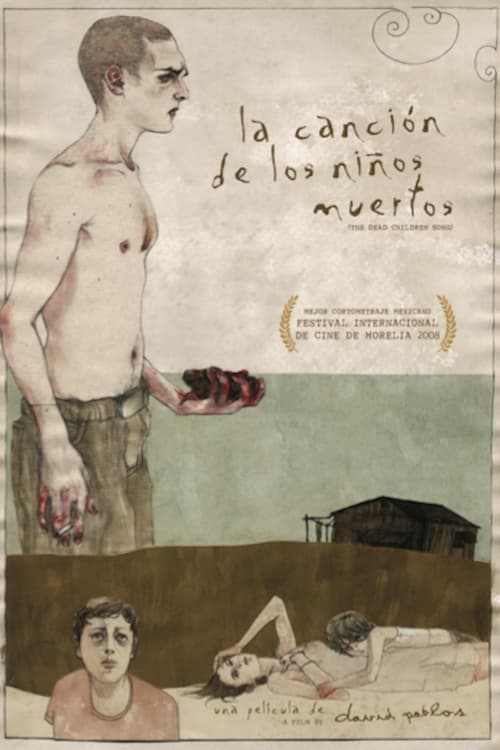
Five children are isolated with their father on a lonely beach after the death of their mother. As the days go by, the children start torturing their father.
The Song of the Dead Children
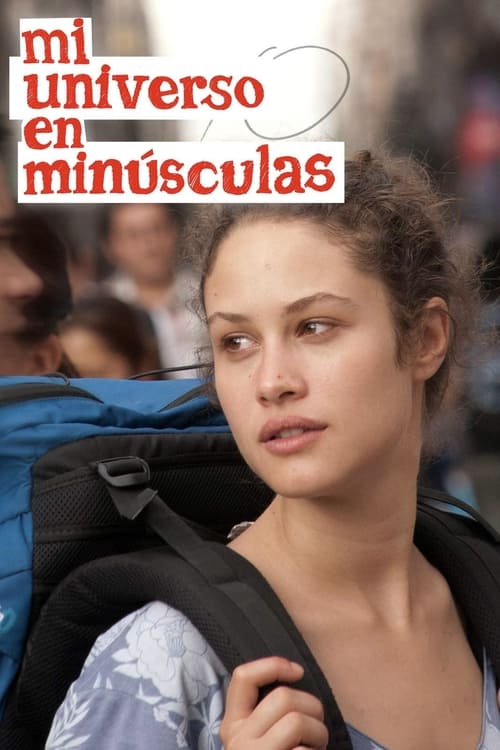
Director Hatuey Viveros' beautiful film unfolds as a fascinating exploration of contemporary life in Mexico, searching to understand today's world, while portraying a younger generation who lack an understanding of their past. And as we journey with Aina on her own discovery, it becomes clear that the process of her search is just as important as the results.
My Universe in Lowercase
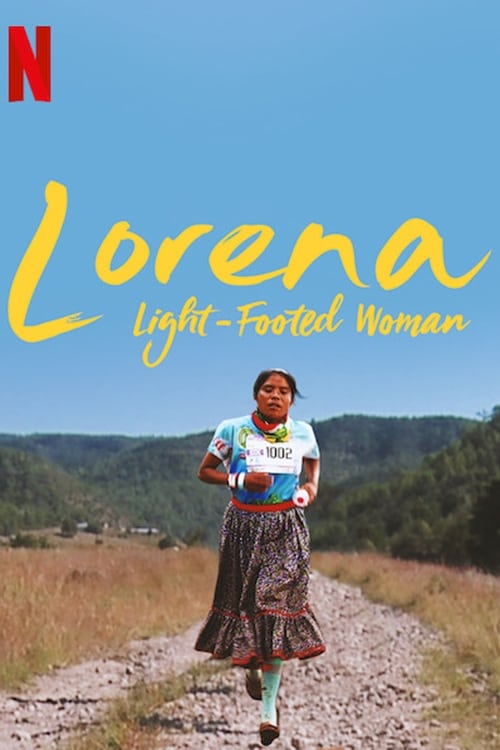
A young woman of the Tarahumara, well-known for their extraordinary long distance running abilities, wins ultramarathons seemingly out of nowhere despite running in sandals.
Lorena: Light-Footed Woman
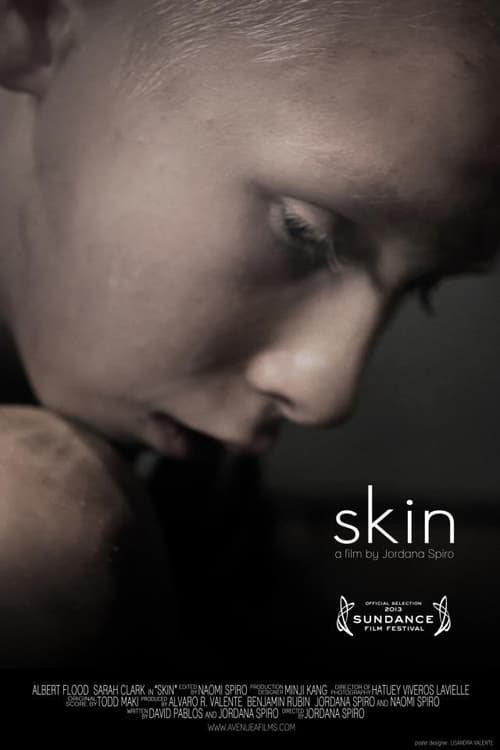
SKIN is the story of a child taxidermist, an outsider in his small town. He is entranced by a girl who finds his work beautiful. But just as their relationship begins to progress, he does something that drastically changes everything.
Skin
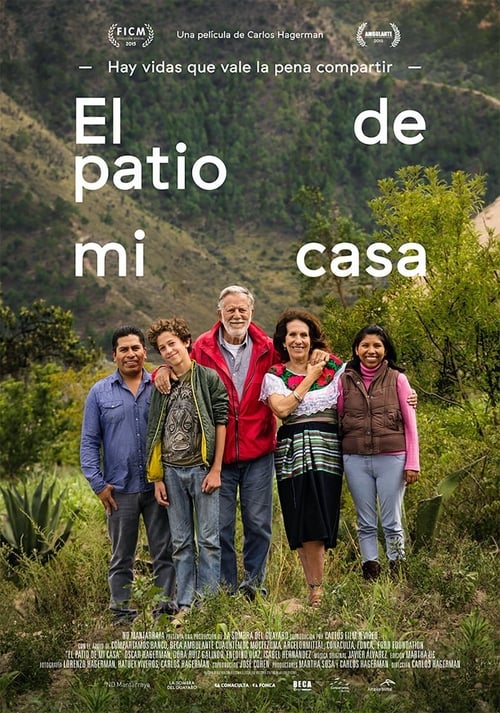
Doris and Oscar, a couple who has spent 40 years living and working together, face their impending retirement. Both dedicated their lives to educational projects and architecture in rural indigenous communities in Mexico. Isabel and Enedino, two indigenous professionals in the Sierra of Puebla, take the baton from their mentors and teachers. A documentary that celebrates and explores the transformational process of teaching, learning and building.
El patio de mi casa
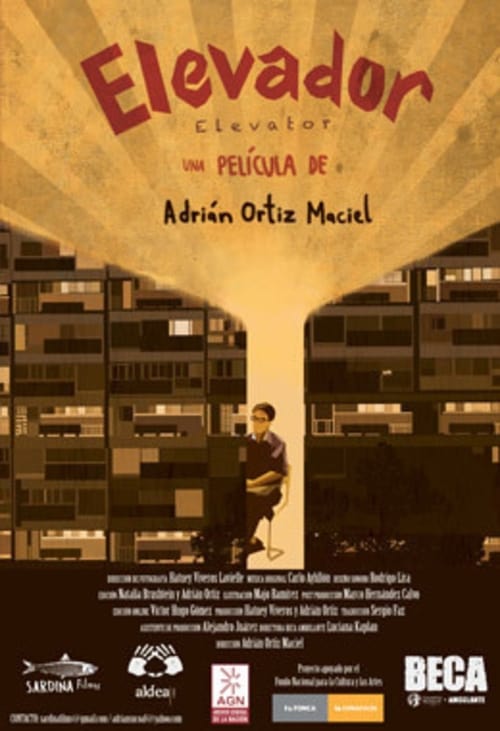
Inside the elevators of the oldest multi-family residential building in Latin America, life goes by quickly. Bodies and stories crowd together in front of the elevator operators’ eyes in the small metal box. Elevator operators are spectators, guardians and confidants. They are the ones who know the living history of the buildings.
Elevator
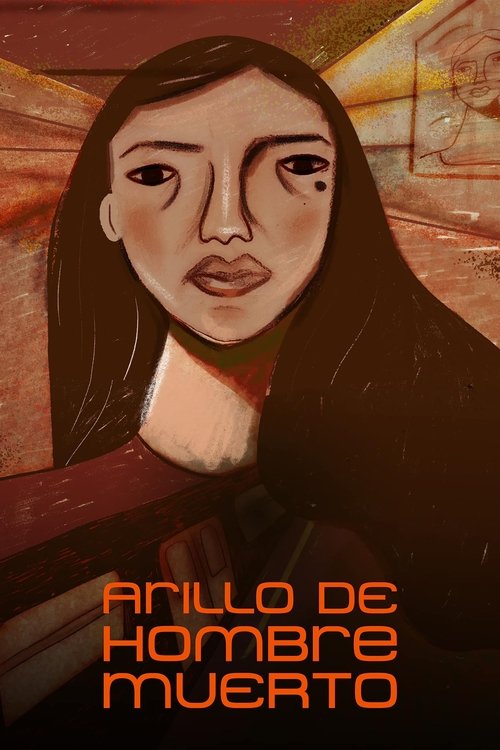
Dalia discovers that her husband has vanished without a trace. As her life and her job as a subway driver begin to collapse, the violent indifference of her environment engulfs her in a dark tunnel that seems to lead nowhere.
Dead Man's Switch
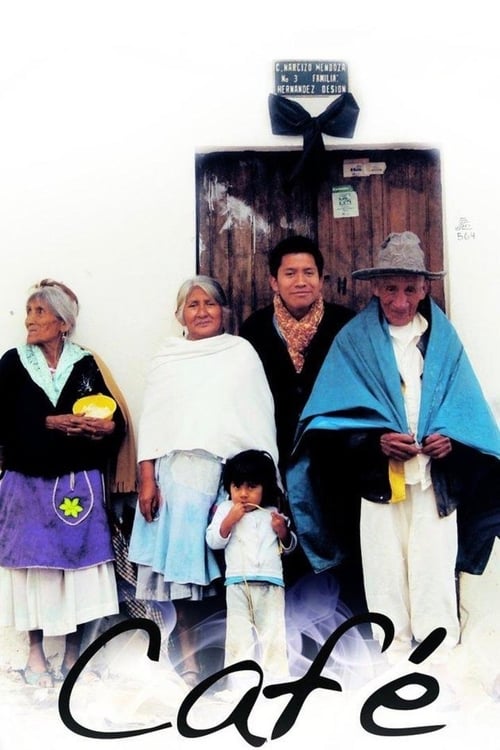
In the town of San Miguel Tzinacapan, in Puebla’s Nahua Mountain Range, a family lost its father. His absence transforms the lives of those who were so deeply connected to him. Tere, now in charge of the family, must make money by selling crafts. Jorge is about to finish school and will soon have to choose his own path. Chayo, 16, must make an important decision. A year has passed, and the members of the family have been able to redefine themselves, finding their own destiny while always venerating their father’s memory.
Café
This documentary tells three stories of exclusion from leisure in Mexico: a family’s visit to Plaza Tlaxcoaque during Holy Week, residents of Puerto Aventuras restricted from the beaches, and the impact of violence on the free time of Ciudad Juárez inhabitants. Each story explores how social, economic, and political forces shape access to rest and recreation.
The Invention Of The Sea
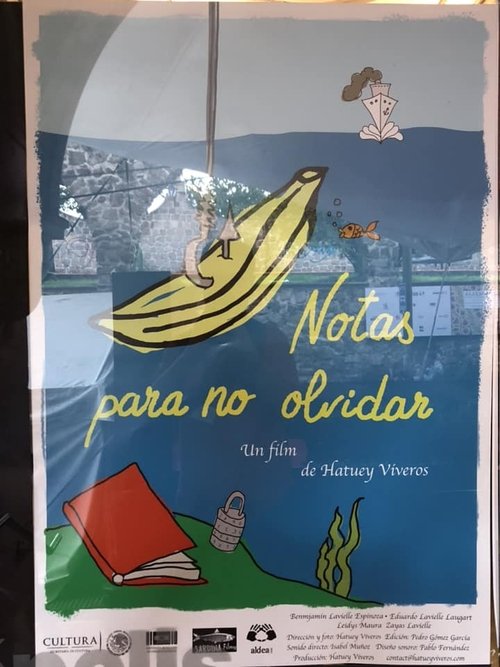
Piro is a mathematician whose obsessions have been captured in three notebooks; one to keep a rigorous control over his expenses, another to remind himself of the location of the things he collects in case he ever needs them, and one more for the most important events of his life. We will use these notes as a starting point against oblivion, a journey through the lives of three generations of my family.