Directing
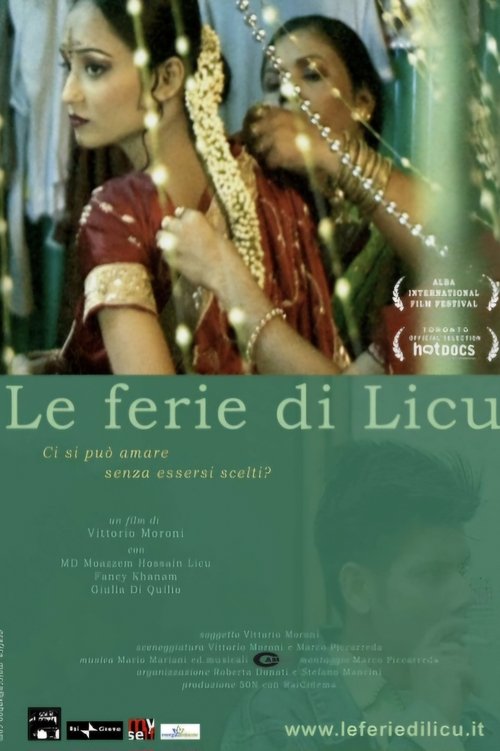
Licu is born in Bangladesh and he's a 27 years old muslim living in Rome, in a rented house with eigth other people. He works in a warehouse in the morning and in a deli shop at night: 12 hours a day. One day he receives a photo from his family of the spouse they choose for him, so he must take four weeks of unpaid holidays to get back in Bangladesh and set up his marriage with a girl he doesn't know. But in his country things are about to get complicated.
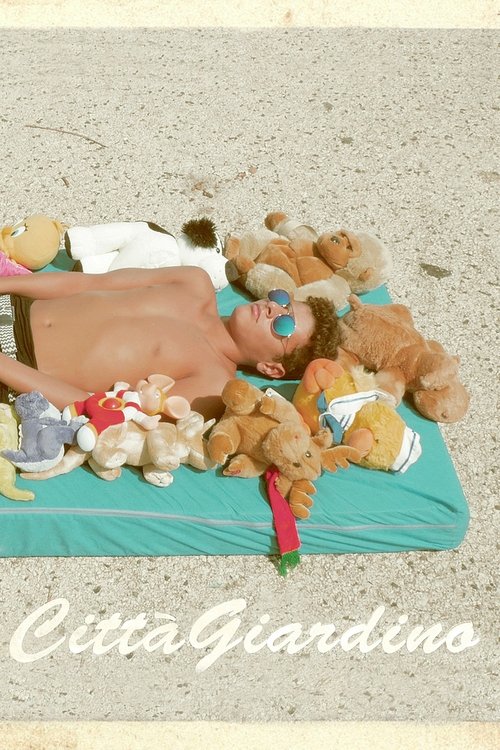
The “CittàGiardino” centre for immigrants is closing. There are only six teenagers left in the house. They have all arrived from Africa, walking through the desert, or risking their lives by boat across the sea. Now they are there stuck in the Sicilian hinterland, waiting desperately for a visa that might not come at all or a transfer directive. Thus, the days begin to look all the same. Sleeping, eating, and toying endlessly with their smartphones hoping that something might happen in one way or another. And the feeling of being like a trapped animal or a prisoner grows increasingly stronger. But Sahid does not like to wait anymore, idling around, while time slows down excruciatingly. With the help of his friend Farouq he plots an escape plan.
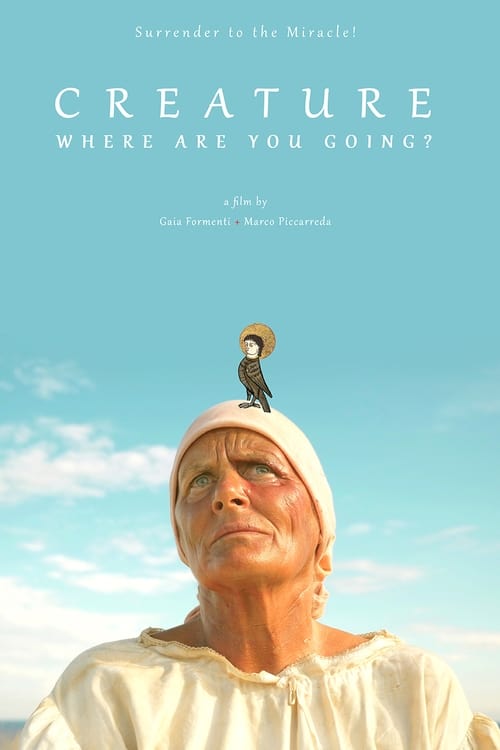
An old and innocent peasant woman's shaky path towards saintliness turns into a tortuous journey through a pagan, animist world. This tragicomic parable mingles different registers, weaving together biblical, vulgar, fairy tale and literary references, attempting to strike an impossible balance between holiness and blasphemy, faith and cynicism.
In the mineral landscape, the figures seem to belong to a re-imagined archaic age. Huge masks, hieratic postures condense each character into an archetype. Suddenly they reappear in a shadow theater whose stretched sheet echoes the cinema screen. A spectator falls asleep and reappears with an animal mask, simultaneously red riding hood and wolf. Gaia Formenti and Marco Piccareda continue on the path of Creatura dove vai? (FID 2019) with this tale which, its formal fertility becoming sexual, culminates in a hymn of the mucous membrane and bodily fluids. (Nathan Letoré)
Sicilian summer. Città Giardino's immigrant help centre is a dilapidated building located between mountains and factories. Città Giardino is closing down and its only inhabitants are six boys between 14 and 18 years old. They came from Africa, traveled across the desert and the sea and are now waiting for a visa. The days are all the same, between sleep, meals and eternal immersion in their smartphones. The heat, frustration and boredom paralyse the children, under the watchful eye of a watchman who supervises them. Even a visit from a journalist cannot break the monotony: he comes to interview the young people but the words are hard to come by. No one wants to talk about himself. Omar trains in a makeshift gym, Jallow seeks refuge on his tablet, Jelimakan ora. Only Sahid, the newest, seems determined to break the paralysis: he is planning an escape.
In the heart of the Mediterranean, the song of cicadas barely covers the noise of cars and summer hits. In this landscape lulled by sunshine and routine, a grandmother attempts to make the most of every minute she still has to live with her grandson Ariele. Marco Piccarreda creates a film full of poetry and tenderness, on the pursuit of happiness.