Petr Vejslík
Camera
Known For
No description available.
Portréty
No description available.
Doupě Mekyho Žbirky
No description available.
Na houby
No description available.
Česká fotka
No description available.
Kája a Mat+Ema+Tika
No description available.
Vzhůru dolů!
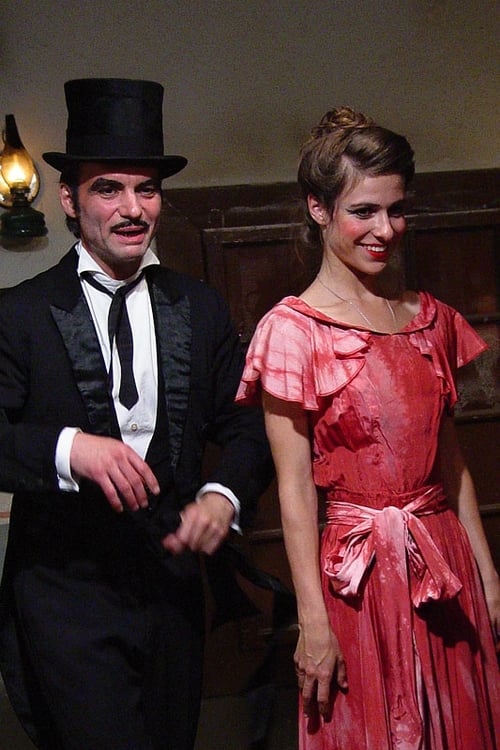
During the Protectorate of Bohemia and Moravia, the main characters of the story meet in a village pub. A traveling magician performs his variety show there with his assistant and current lover, with whom the local innkeeper had an affair in the past. The assistant would like to settle down, as she is tired of the traveling life. However, after an argument, the magician kicks her out. Hiding in the tavern's cellar is a young 16-year-old girl, half-Jewish, who is fascinated by the magician's performance. The innkeepers have been hiding her there somewhat against their will. When the girl runs away with the magician, they feel somewhat relieved. But only until they realize what would happen if the girl revealed where she was hiding.
Dívka a kouzelník
No description available.
Česká loutka

A portrait of the German-language Czech writer Franz Kafka (1883-1924), a mysterious, strange and solitary individual, but also a visionary creator.
Do You Know Kafka?
A festive event marking the 10th anniversary of the Czech Republic's accession to the European Union, during which the Brno Philharmonic Orchestra will perform a live broadcast of L. van Beethoven's popular Symphony No. 9 in D minor, Op. 125, with Ode to Joy.
Beethovenova 9. symfonie – Koncert pro EU
Can the darkest moments of life also lift our souls? Drawing on his own experience in a Siberian prison in the company of misfits, murderers and theives, Dostoevsky was inspired to write his novel Notes from a Dead House, telling his brother at the time: ‘Believe me, there were among them deep, strong, beautiful natures, and it often gave me great joy to find gold under a rough exterior.’ In Janáček’s hands, Dostoevsky’s inspiration and the raw material drawn from an appalling world of incarceration find an even more powerful form of expression in his last opera, From the House of the Dead. Unfettered by conventional story-telling, Janáček wrote his own libretto, freely weaving together a series of stories of everyday prison life and of the fates of individual convicts.
From the House of the Dead & Glagolitic Mass
No description available.
Test
No description available.
Tajemství pana M.
What has shaped the appearance of Brno and the lives of its inhabitants over the last two centuries? What do architectural monuments and cultural and social traditions refer to?
Moravský Manchester
No description available.
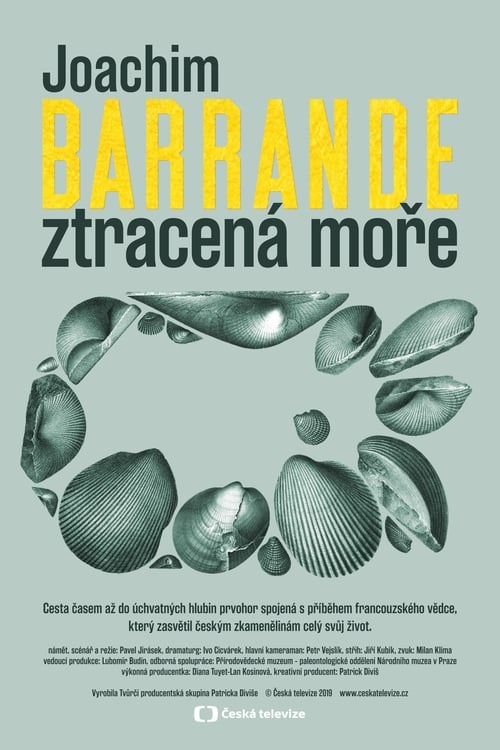
Joachim Barrande – ztracená moře
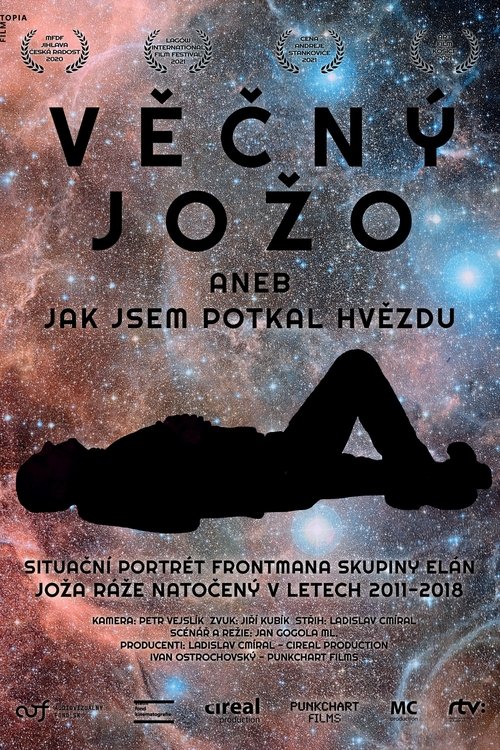
An untraditional documentary portrait reveals the complicated personality of the Slovak music legend Jožo Ráž, the singer for the pop-rock group Elán. From recordings of everyday situations, playful moments, intimate conversations about God and death, and memories of the past, the director composes a complex image of a man loved by the masses, who, despite all his life successes, feels lonely.
Eternal Jožo
Six characters are all interested in money. The relationship between two spouses, depicted with subtle irony. The main character is Zdeněk, a professor of botany who is unable to calculate his bill at a restaurant, and waiters look forward to seeing him from afar. He is the ideal target for con artists. His wife Sára, with whom he no longer lives but maintains a very friendly relationship, takes care of his taxes. Zdeněk has a rather attractive gardening show on television. In order not to lose out, Sára invented Miss Flintová, to whose account she sends generous sums for alleged PR services. The enterprising tax advisor extended Miss Flintová's activities to her other clients as well. It is a million-dollar fraud.No wonder the tax office is taking an interest in Miss Flint. They are searching for her diligently. Even the surprised and indignant honest man Zdeněk learns of the existence of the non-existent Miss Flint. Where to conjure up Miss Flint all of a sudden?
Slečna Flintová
Little Kája isn't very interested in the outside world; he would rather sit at the computer all day playing games. But what if his favorite character from the game enters reality?
Kája a Zabi
No description available.
Španělská chřipka
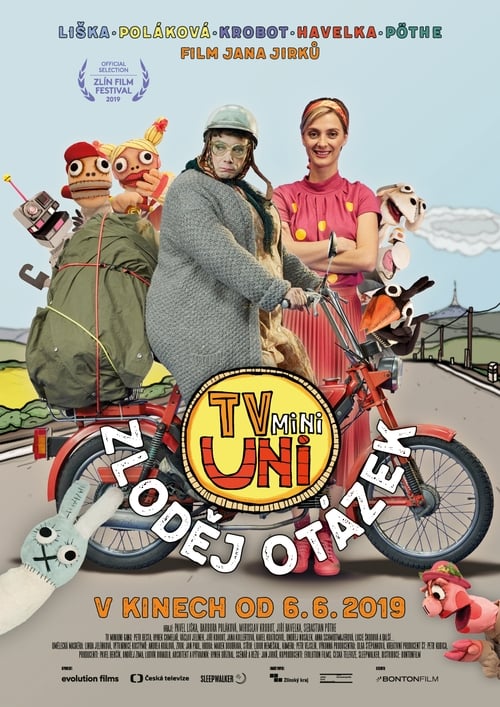
The cast of a popular kid's show based on offering answers must figure out why young viewers mysteriously no longer have anything to ask them.