Pilar Palomero
Directing
Biography
Born in Zaragoza in 1980, she has worked as camera operator, assistant, electrician, cinematographer, script editor, editor, scriptwriter and director. She studied at the University of Zaragoza and at the ECAM, where she earned a degree as cinematography director in 2006. After her debut as director in Sonrisas (2005, short film), she directed other short films such as Niño Balcón and Chan Chán. Palomero's directorial debut in a feature film, the 2020 coming-of-age drama Schoolgirls, earned her two Feroz Awards (Best Direction & Best Screenplay) and two Goya Awards (Best New Director & Best Original Screenplay).
Known For

Juan Carrasco is a nondescript Minister of Agriculture who must recognize that he has greater political ambitions due to a series of fortuitous political events, so he decides to run in the primary elections of his party, which may give him the opportunity to opt for the disputed position of President of the Spanish Government.
Vota Juan

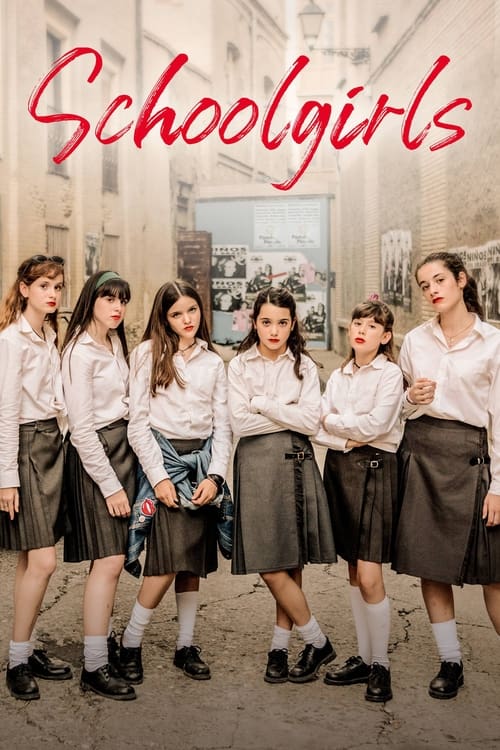
In early 1990s Spain, eleven-year-old Celia lives with her mother and studies at a convent school in Zaragoza. When Brisa, a confident new classmate from Barcelona, arrives, Celia is drawn into a world that challenges the strict religious teachings and sheltered life she has known. Their friendship pushes her to confront hidden truths at home and the uncertainties of adolescence, leading her to explore questions of identity, independence, and belonging.
Schoolgirls

Isabel's life is turned upside down the day her daughter Madalen asks her to visit her sick ex-husband Ramón on a regular basis.
Glimmers

At the age of 14, Carla is a wild and rebellious teenager. Living in a modest restaurant on the outskirts of a town with her young single mother, she skips school and passes the time with her friend Efraín. When a social worker realizes that Carla is five months pregnant, she is taken to ‘La Maternal’, a center for teenage mothers, to live with other young women like herself. Together with their babies, they will learn to cope with this new adult life for which they had no time to prepare.
Motherhood

Isa is a feminist, bisexual, and polyamorous posh girl, she passionately defends her life. When Guillem proposes to be a monogamous couple, Isa is not sure if he wants to change her life and, given her lack of decision, Guillem decides to break the relationship. Living in a world of appearances and comforts, her contradictions come to light and her universe is crumbling at the blow of likes and moral judgments in this web that social networks have become.
Unicorns

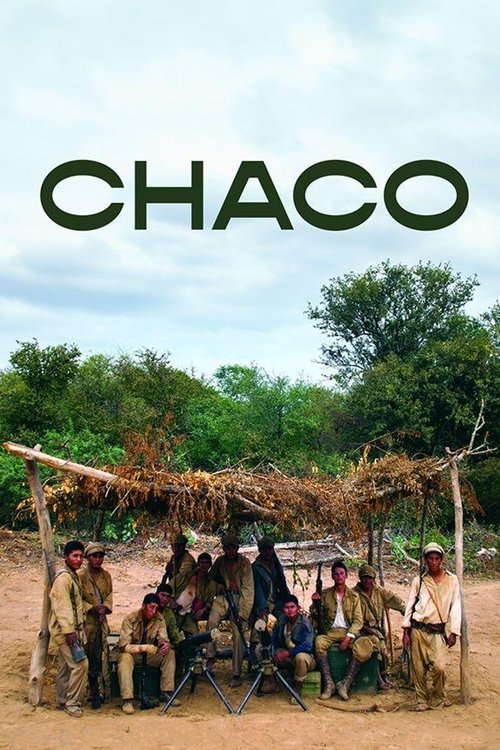
In 1934, Bolivia is at war with Paraguay. Liborio and Ticona and other Bolivian indigenous soldiers are lost in the hell of the Chaco, under the commandment of German Captain Kundt. They're looking for the Paraguayan enemy that they haven't seen for months, and that they will never find. They leave together in a search that will make them realize, progressively, the destiny they have been pushed into and the inevitable condition of a defeated troop. They're walking like shadows, wandering forever in the middle of dust and silence.
Chaco

No description available.
Private Lessons

A world in lock-down. As a global pandemic unfolds, 13 international filmmakers pen cinematic letters from their places of isolation, whether home or far from home. A work of accidental science-fiction from the Bistrik7 collective, graduates of Béla Tarr's Sarajevo film.factory.
Letters from the Ends of the World

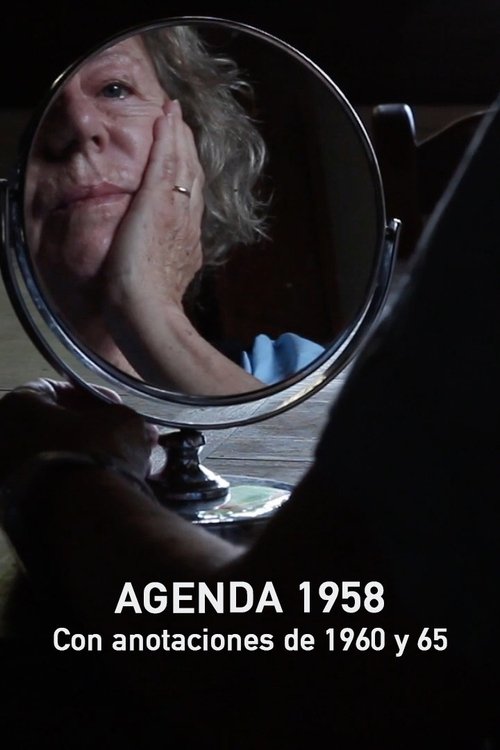
A woman and her mother spend the Summer in their family’s little village. The woman finds her grandmother’s 1958 agenda and discovers some of her deepest and secret feelings. Along with her mother she tries to understand what happened to her grandmother, and what she has in common with her. A film about joy and sadness, but moreover, a film about a mother’s love and devotion.
Agenda 1958 (With Notes From 1960 and 65)

Briefly depicted fragments from the characters' lives, through summer and winter, as each of them suffers a loss. Cinematic meditation on inevitable loss.
While We Were Here

Joana, seven years old, waits for her mother to recover from an illness. She wiles away the hours in her grandfather’s warehouse of antiques.
The Night of All Things

Nana, a 80-year-old lady, needs a surgery. She and her husband, Dedo, had to leave their home in the small village of Hrsa and move temporarilly to Sarajevo in order to wait for the operation.
Winter Sun

Horta is the experimentation of the passage of time in oneself and the honest expression of a loss.