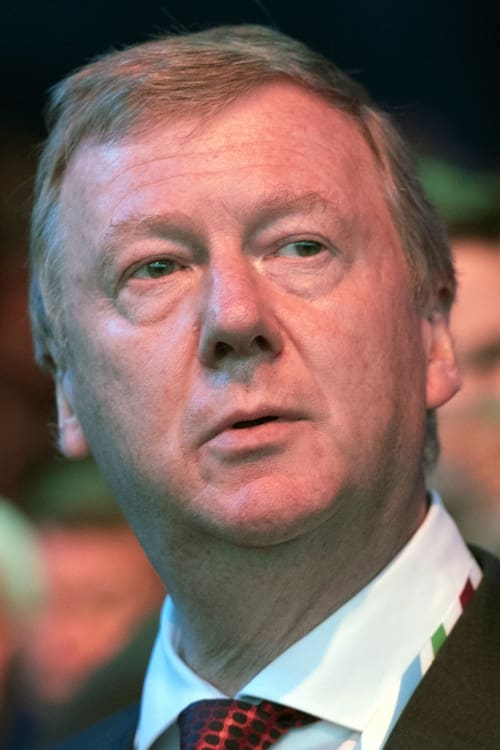
Anatoly Chubais
Acting
Known For
KVN is a Russian humour TV show and competition where teams compete by giving funny answers to questions and showing prepared sketches. The programme was first aired by the First Soviet Channel on November 8, 1961. Eleven years later, in 1972, when few programmes were being broadcast live, Soviet censors found the students' impromptu jokes offensive and anti-Soviet and banned KVN. The show was revived fourteen years later during the Perestroika era in 1986, with Alexander Maslyakov as its host. It is one of the longest-running TV programmes on Russian Television. It also has its own holiday on November 8, the birthday of the game, which KVN players celebrate every year since it was announced and widely celebrated for the first time in 2001.
KVN Major League
A talk show
The School for Scandal
In-depth interviews with hard-hitting questions and sensitive topics being covered as famous personalities from all walks of life talk about the highs and lows in their lives.
HARDtalk
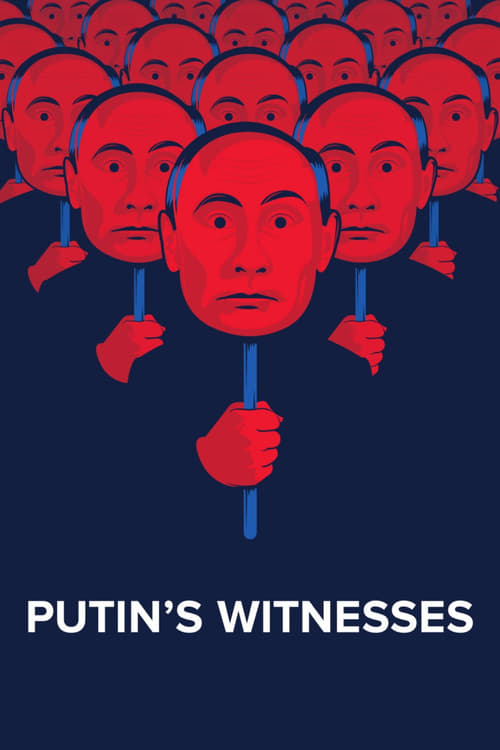
Russian Federation, December 31, 1999. After President Boris Yeltsin's unexpected resignation, Prime Minister Vladimir Putin becomes acting president of the country. From that day and for a year, Vitaly Mansky's camera documented Putin's rise to power. The story of a privileged witness. The harsh explanation of the reason why politics is the art of possibility of achieving the best with the support of many, but also of giving the worst in return.
Putin's Witnesses
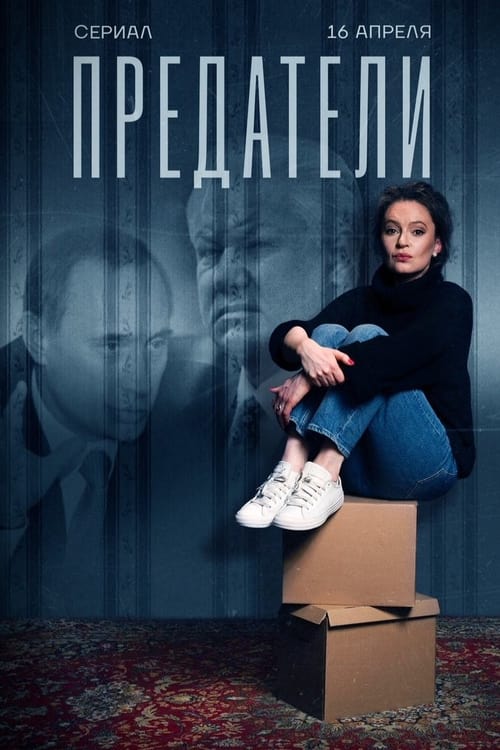
A documentary series that explores who brought Vladimir Putin to power, and why. It meticulously reconstructs the sequence of events that have led us to the present day.
Traitors
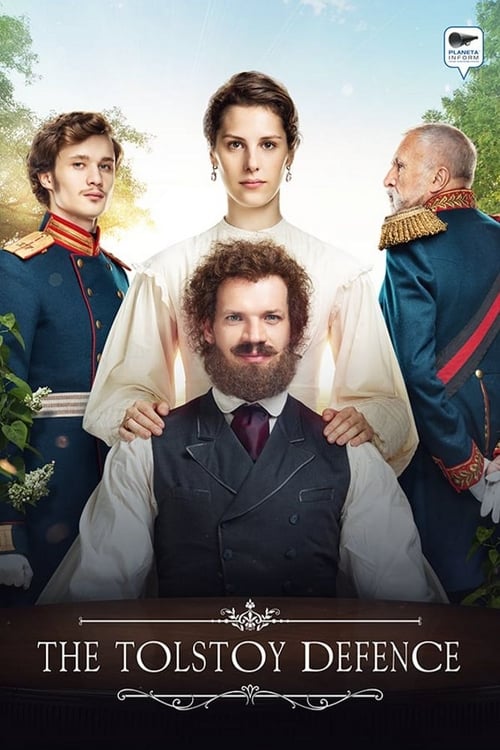
The shrill and tragic story about an event that involved Count Lev Nikolaevich Tolstoy. In an infantry regiment of the military based in the Tula region an offence occurs. In this regiment, the capital’s lieutenant Grigory Kolokoltsev — inspired by progressive ideas — does his service. A military tribunal and execution await the soldier charged with the offence. Kolokoltsev asks Count Tolstoy for help — and he decides to protect the innocent man. The pointed history about the complexity of choice and fidelity to one’s ideals is based on real events.
The Tolstoy Defence
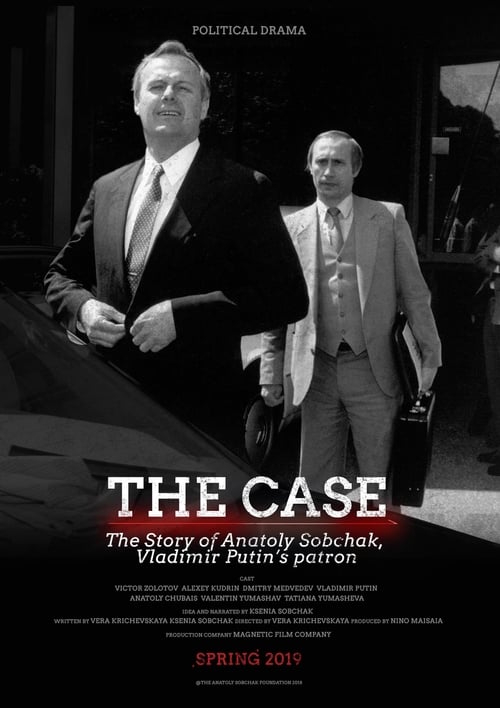
After the father’s death, the daughter of one of the forefathers of modern Russian democracy, Ksenia Sobchak, tries to understand the 18 years of his political fate. Together with the director Vera Krichevskaya she gives the word to Anatoli Sobchak’s colleagues and opponents, gets acquainted with the criminal case which annulled his career, and tries to find an answer to the question what Anatoly Sobchak’s fate would be in today’s Russia.
The Case
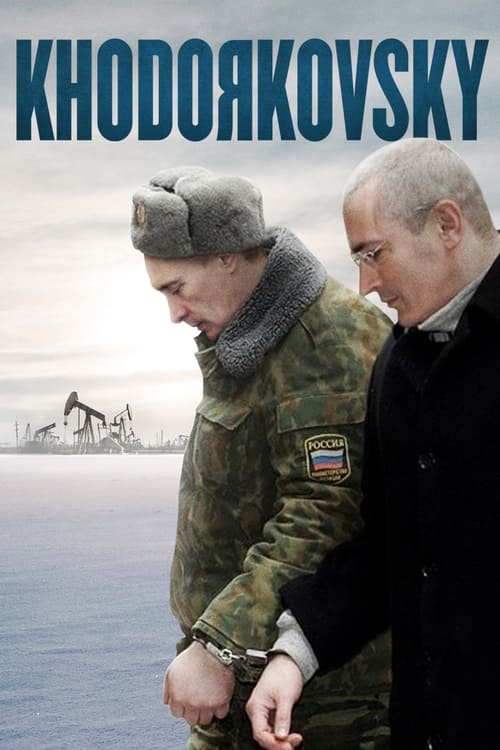
Khodorkovsky, the richest Russian, challenges President Putin. A fight of the titans begins. Putin warns him. But Khodorkovsky comes back to Russia knowing that he will be imprisoned, once he returns. When I heard about it, I asked myself: why didn't he stay in exile with a couple of billions? Why did he do that? A personal journey to Khodorkovsky.
Khodorkovsky
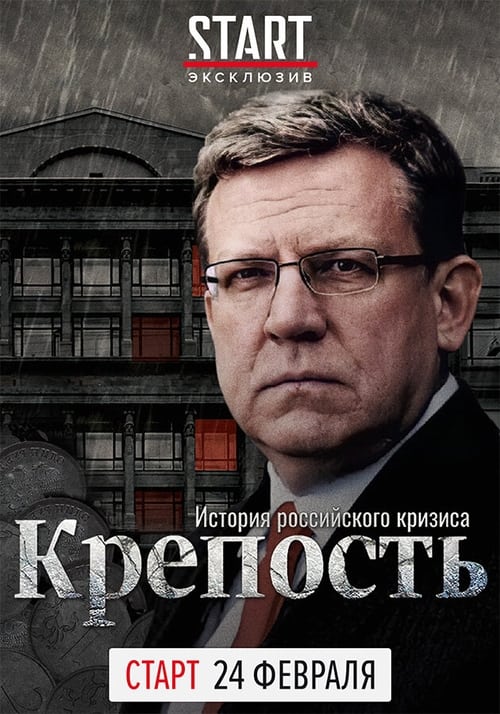
The film tells about the most difficult period in the modern history of Russia - from the late 1980s and the "era of change" to the crisis end of the noughties - through the prism of people who made the most important economic decisions. But this is not a dry enumeration of facts, but an accurate and even unexpected portrait of economists who managed to keep an entire country from financial collapse, and in the center of this group portrait is Alexey Kudrin.
Fortress. The History of the Russian Crisis
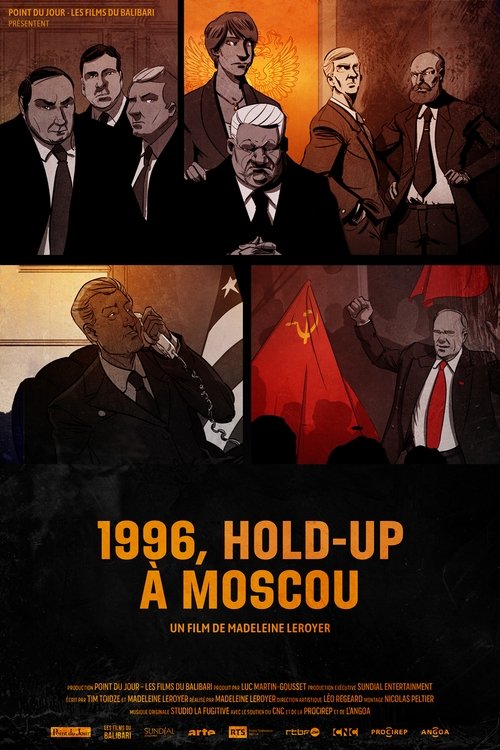
Moscow, January 1996. Boris Yeltsin gets ready to run for a second mandate of the presidency of the young Russian Federation. Polls are in the single digits. A painful economic transition, war in Chechnya, and the rise of criminal groups have left the majority of Russians dissatisfied with Yeltsin… and willing to vote for the communist leader Gennady Zyuganov. Yet six months later, Yeltsin won the election with nearly 54% of the vote. How did that happen?
Moscow 1996, Vote or Lose!
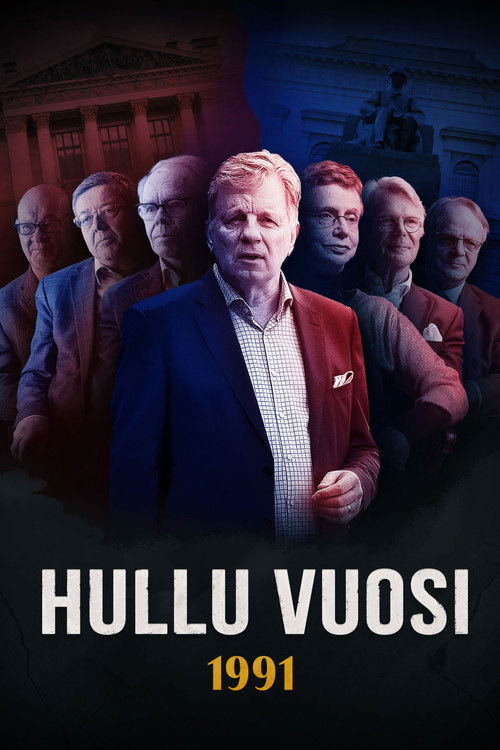
In 1991, the great power the Soviet Union split and ceased to exist. In the same year, Finland's economy plummeted into a historic recession. In the documentaries, Esko Aho, who became prime minister in 1991 and his contemporaries, talk about the storm that our small country experienced during that year. Editor Tapio Nurminen leads discussions about the dramatic year's consequences for today's Finland and international relations.