Pam Sporn
Directing
Known For

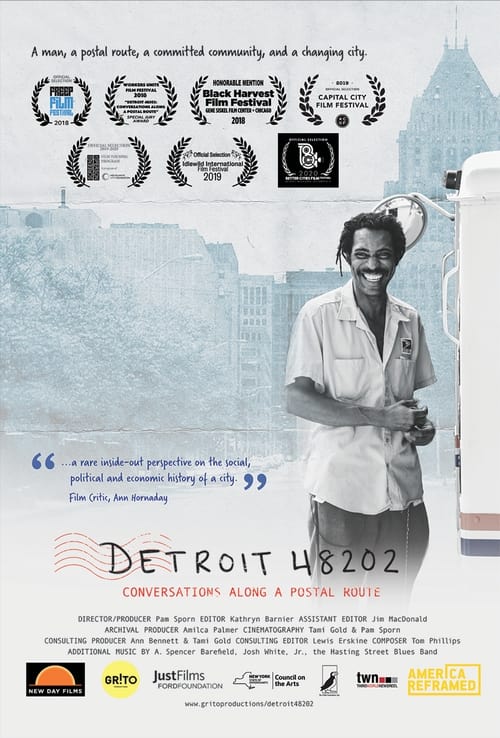
"Detroit 48202" examines the rise, demise and contested resurgence of Detroit through the lens of mail carrier Wendell Watkins and the residents he has faithfully served for 30 years. The resilient Detroiters on Wendell’s route share stories of pushing against racial segregation in housing, challenging industrial and political disinvestment and living on reduced pensions as a result of Detroit’s bankruptcy. They also share stories of hope and propose creative ways to re-imagine an inclusive, equitable and productive city. Foregrounding the voices of African-American working class Detroiters, it offers a nuanced and complex understanding of a city at the crossroads.
Detroit 48202: Conversations Along a Postal Route
MAKING THE IMPOSSIBLE POSSIBLE tells the story of the student-led struggle to win Puerto Rican Studies at Brooklyn College, CUNY, in the late 1960s. The documentary is a mosaic of voices, film footage, and photographs taken by student activists. This important intergenerational story highlights how students and faculty seized the moment to build upon an alliance of Puerto Rican, African American, and other progressive students forged in their communities and the civil rights movement. Together they changed the face of higher education, transforming the curriculum and expanding who gets educated. The film sheds light on the 50-year history of struggle that started with the founding of one of the first Puerto Rican Studies departments in the nation, and documents the continued movement to maintain their gains.
Making the Impossible Possible

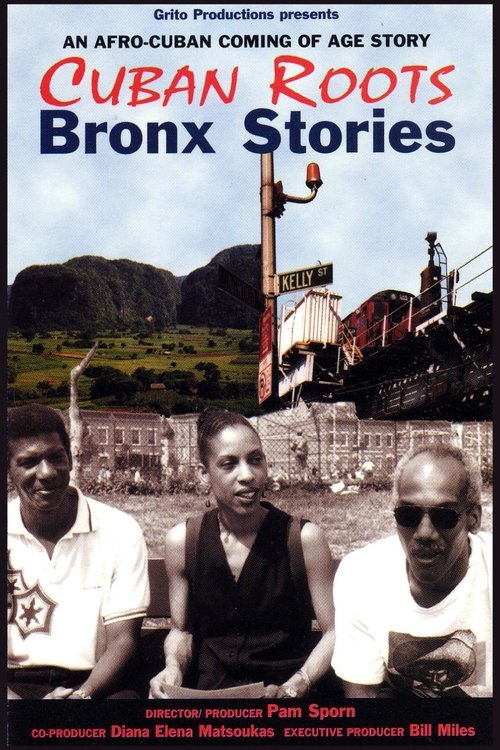
This documentary traces the tangled paths and multifaceted identity of a black Cuban family in the Bronx. The subjects of this film experienced firsthand some of the great historical events of the 20th century – they saw Castro’s arrival in Havana and had their neighborhood bombed in the Bay of Pigs invasion; one son fought in Vietnam and a daughter marched against it. Both working-class and professional, black and Latino, foreign and native, Spanish-speaking and English-speaking, the family is shown in the constant process of negotiating its identity. On their arrival in Miami, the family immediately encountered racial segregation, and as children in a mixed Puerto Rican/African-American neighborhood in the Bronx, they were forced by their playmates to choose their identity: “Are you black or Spanish?” Even the family’s roots in Cuba are complex - the grandfather was the son of Jamaican immigrants to Cuba – and their relation to the Cuban Revolution is ambiguous.