Acting
Malhação is a Brazilian television series for the teenage audience. The soap started in 1995, and was set in a fictional Gym Club called Malhação on Barra da Tijuca, Rio de Janeiro. Through the years the location varied slightly. Although the name of the soap remains the same, it is now set in the Múltipla Escolha High School.
No description available.
Opposite Lives tells the story of Miguel (Leo Rosa), a young rich man of a traditional family, and Joana (Maytê Piragibe), a student and tourist guide who lives in a slum. Although dating an elegant and rich fashion designer, Erínia (Lavínia Vlasak), Miguel and Joana fall in love for each other and they decide to get married.
Helena hides the fact that she is the daughter of a con man when she marries prosecutor Bráulio. While Stella searches for the children she abandoned, Lenin returns home and tries to rebuild his life.
Maria Eduarda "Duda" Pinheiro is a successful top model. After being hired to model Covery brand clothes, she meets the Kundera brothers, Alex and Gaspar, owners of the company. Gaspar, a former beatnik, is over 40 but still practices surfing, lives in a beach-side house and raises five children: Elvis (named after Elvis Presley), Ringo (Starr), Jane (Fonda), Olívia (Newton-John) and (John) Lennon, all from different mothers who left them with him. Anastácia "Naná" Passos, Duda's friend and mentor, loves him platonically, and rivalizes with Mariza Borges over him. Alex by contrast is a yuppie. He and their mother Morgana have a love-hate relationship and rivalry with his brother over Morgana's attention and the company. Alex begins to love Duda, however she falls in love with Lucas, a graffiti artist who is on the run from the São Paulo police due to his involvement in a crime there. He is also searching for his real father, and thinks it's either Alex or Gaspar.
The soap opera's central theme is life after death, inspired by the philosophy of Allan Kardec, the codifier of Spiritism. The character who drives the plot is Alexandre, a delinquent who kills himself in prison after being convicted of robbery followed by homicide and goes on to torment the lives of all those he considers responsible for his tragic fate.
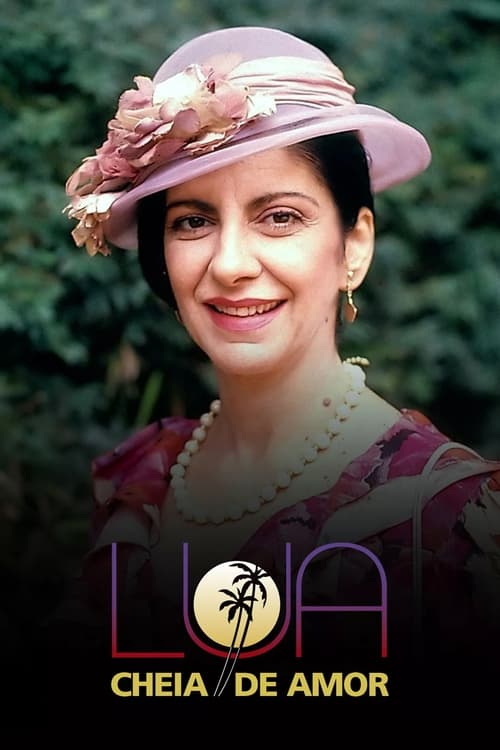
Childhood friends Cidinha and Leda follow opposite paths, but envy the life the other has chosen. Belo's love and custody of their daughter lead them into a competition.
Jocasta, an 18-year-old sociology student and daughter of communist activist Túlio Silveira, is actively involved in the country's political landscape. She is in love with Laio—her polar opposite—a disengaged, esoteric young man who lives off his wealthy father's allowance. A mystic, Laio makes no move without consulting his guru and friend Argemiro, whom he turns to upon learning of Jocasta's pregnancy. The cowrie shell reading reveals that his son is destined to kill him and enter into a romantic relationship with his mother. Terrified, Laio disappears with the child immediately after birth, aided by Argemiro—who loves Laio and loathes Jocasta. Twenty-five years later, Jocasta is a successful yet restless woman searching for her missing son. She is estranged from Laio, who has spent recent years expanding his father's fortune through involvement in underground gambling. On a highway, he encounters Oedipus, unaware that the young man is his son.
The determined Genuína dreams of the return of Diego, the father of her children Rodrigo and Mercedes, who reject their mother's origins. Diego reappears with a different identity and changes Genu's destiny.
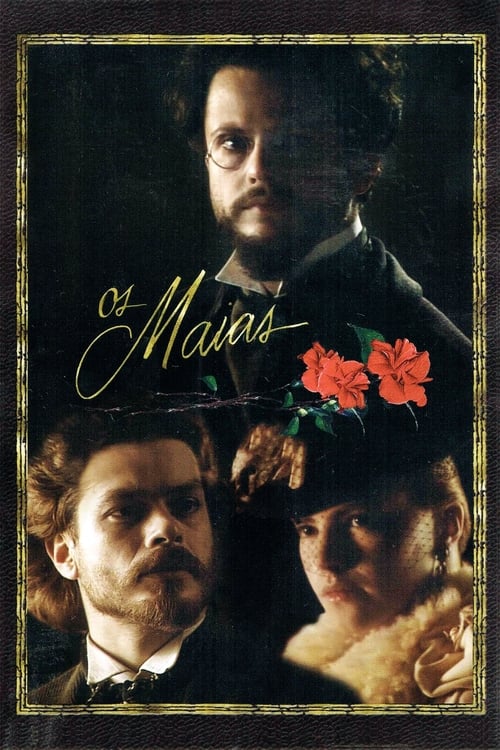
Pedro da Maia, meets a beautiful woman called Maria Monforte with whom he gets married despite his father's objection. The marriage produces a son, Carlos Eduardo, and a daughter. Some time later, Maria Monforte falls in love with Tancredo and runs away to Italy with him, taking her daughter along. When Pedro finds out, he goes with his son to his father's house where he commits suicide. Carlos stays at his grandfather's house and is educated by him. Carlos, becomes a doctor and opens his own office. Later he meets a gorgeous woman, Maria Eduarda. The two fall in love and have dozens of nights together. Eventually Carlos finds out later that Maria lied to him about her past and he starts fearing the worst. In the end, Carlos finds out that Maria is his sister. He informs her that they are siblings and that they cannot live like this anymore. Carlos, to forget his tragedies, goes for a trip around the world.
Pícara Sonhadora is a Brazilian telenovela produced by SBT and originally broadcast from August 27 to December 18, 2001. It is a Brazilian adaptation of the Mexican telenovela La Pícara Soñadora (1991), based on the original story by Abel Santa Cruz. Adapted by Henrique Zambelli, with collaboration from Adriana Moretto and text supervision by Crayton Sarzy, the telenovela stars Bianca Rinaldi and Petrônio Gontijo. The story follows Ludmila "Milla" Lopes, a hardworking young woman who moves to São Paulo to study law while working in the toy department of the prestigious Soles department store. Unable to afford housing, she secretly sleeps inside the store at night. Her life changes when Alfredo Rockfield, the wealthy heir to the business, disguises himself as an ordinary employee to win her heart. As their romance blossoms, they face family conflicts, social differences, misunderstandings, and the schemes of those determined to keep them apart.
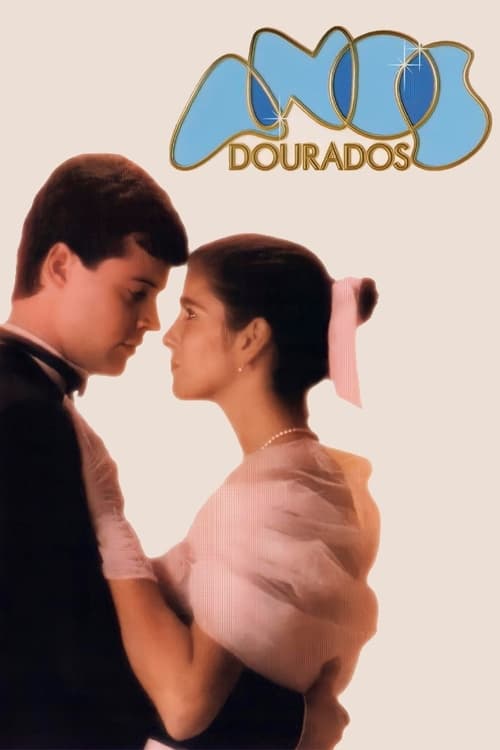
In the 1950s, Lurdinha and Marcos fall in love at the first sight. She studies at the Institute of Education, and he studies at the Military College. Two traditional educational institutions in 'Tijuca', in the North Zone of 'Rio de Janeiro'. But Lurdinha's conservative parents reject Marcos because he is son of separated parents and try, in every way, to keep him away from her.
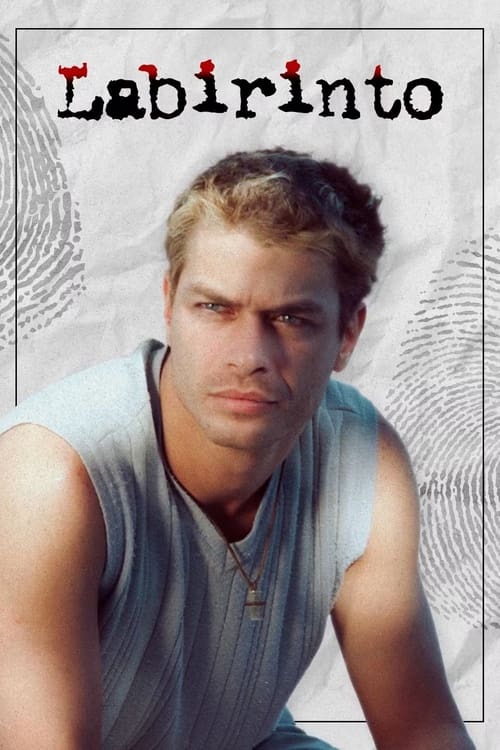
Accused of murdering a millionaire, a man manages to escape. Finding help along the way, he starts a struggle to prove his innocence.
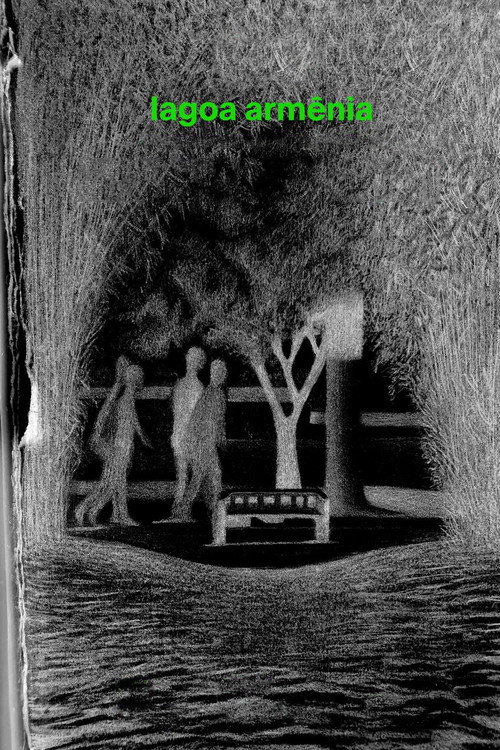
Taquari, a small city in the Rio Grande do Sul, is the birthplace of dictator Arthur da Costa e Silva. In 1976, a bronze bust in his honor was unveiled in Lagoa Armênia, the city's main tourist attraction.
After a shooting assignment, Henrique is mugged by two armed motor-bikers who steal his camera and speed off. Seconds later, he watches both get hit by a pickup truck driven by a self-appointed avenger, someone weary of feeling defenseless against the urban violence, and who decided to take action. Henrique recovers his stolen equipment and leaves, feeling avenged. But he goes back to find the memory card, with the photos, lost during the crash. From that moment, he is trapped in a situation where he is now the criminal for failing to rescue a victim, who had been his aggressor. Going from the murder scene to the police station, and then to the emergency ward of the public hospital, he attempts to clear himself.
Fernanda is content with her life until she meets Miguel, a drug addict, bisexual male prostitute. She becomes captivated by him and leaves her family behind in favor of a new life filled with sex and debauchery.
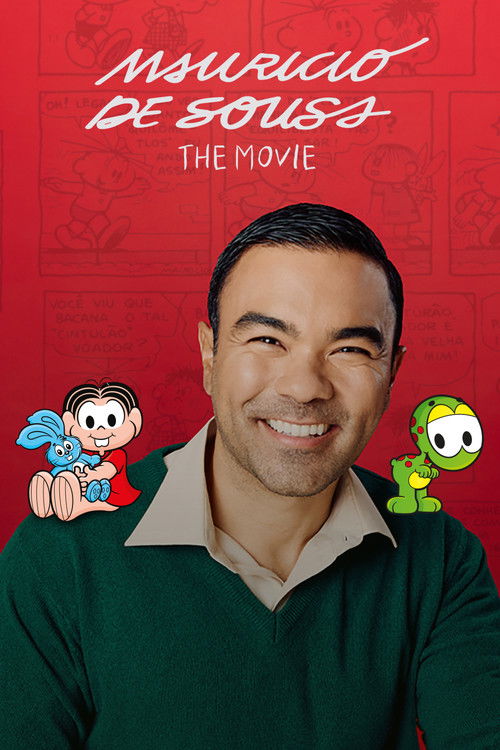
Discover the story of the father of the gang: Mauricio de Sousa, Brazil’s most important comic artist, and how he created his most famous characters. Responsible for bringing to life iconic figures that have marked generations, the film stars Mauro Sousa, the artist’s son. The production follows Mauricio’s journey from childhood, through his discovery and passion for comics, to the creation of a career once considered impossible and his adventures to make a living and achieve professional success.
The true story of João Guilherme Estrella ("Johnny"), a young middle-class bon vivant who became a big-time cocaine dealer in Rio de Janeiro in the early 1990s.
1943, World War II. The northeastern coast of Brazil is an strategic region for the Allies. Giancarlo, an Italian immigrant married to a Brazilian woman, lives nearby the Parnamirin Field, the largest military base built by the USA outside of their territory. In this new base, Brazilian recruits who speak English suddenly find themselves reaching privileged positions.