FEEL IT.STREAM
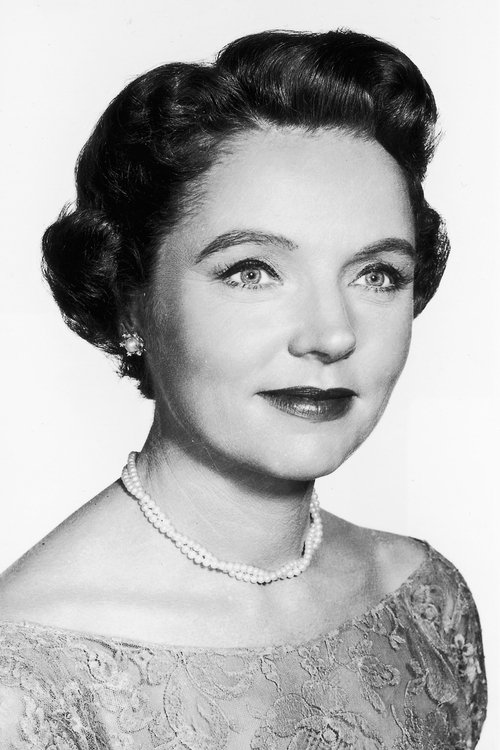
Jane Wyatt

Jane Wyatt

Acting

Biography

From Wikipedia Jane Wyatt (August 12, 1910 – October 20, 2006) was an American actress best known for her role as the housewife and mother on the NBC and CBS television comedy series, Father Knows Best, and as Amanda Grayson, the human mother of Spock on the science fiction television series Star Trek. Wyatt was a three-time Emmy Award-winner. Jane Waddington Wyatt was born on August 12, 1910 in Mahwah, New Jersey, but raised in Manhattan. Her father, Christopher Billopp Wyatt, Jr., was a Wall Street investment banker, and her mother, the former Euphemia Van Rensselaer Waddington, was a drama critic for the Catholic World. Both of her parents were Roman Catholic converts. She made her film debut in 1934 in One More River. In arguably her most famous role, she co-starred as Ronald Colman's character's love interest in Frank Capra's Columbia Pictures film Lost Horizon (1937). Other film appearances included Gentleman's Agreement with Gregory Peck, None but the Lonely Heart with Cary Grant, Boomerang with Dana Andrews, and Our Very Own. Her film career suffered because of her outspoken opposition to Senator Joseph McCarthy, the chief figure in the anti-Communist investigations of that era, and was temporarily derailed for having assisted in hosting a performance by the Bolshoi Ballet during the Second World War, even though it was at the request of President Franklin D. Roosevelt. Wyatt returned to her roots on the New York stage for a time and appeared in such plays as Lillian Hellman's The Autumn Garden, opposite Fredric March. For many people, Wyatt is best remembered as Margaret Anderson on Father Knows Best, which aired from 1954 to 1960. She played opposite Robert Young as the devoted wife and mother of the Anderson family in the Midwestern town of Springfield. This role won Wyatt three Emmy Awards for best actress in a comedy series. After Father Knows Best, Wyatt guest starred in several other series. On June 13, 1962, she was cast in the lead in "The Heather Mahoney Story" on NBC's Wagon Train. In 1963, she portrayed Kitty McMullen in "Don't Forget to Say Goodbye" on the ABC drama, Going My Way, with Gene Kelly and Leo G. Carroll, a series about the Catholic priesthood in New York City. In 1965, Wyatt was cast as Anne White in "The Monkey's Paw – A Retelling" on CBS's The Alfred Hitchcock Hour. Wyatt was married to investment broker Edgar Bethune Ward from November 9, 1935, until his death on November 8, 2000, just one day short of the couple's 65th wedding anniversary. The couple reportedly met in the late 1920s when both were weekend houseguests of Franklin D. Roosevelt at Hyde Park, New York. Ward later converted to the Catholic faith of his wife. Wyatt suffered a mild stroke in the 1990s, but recovered well. She remained in relatively good health for the rest of her life Jane Wyatt died on October 20, 2006 of natural causes at her home in Bel-Air, California, aged 96. She was interred at San Fernando Mission Cemetery, next to her husband.
Known For

Star Trek
8.0

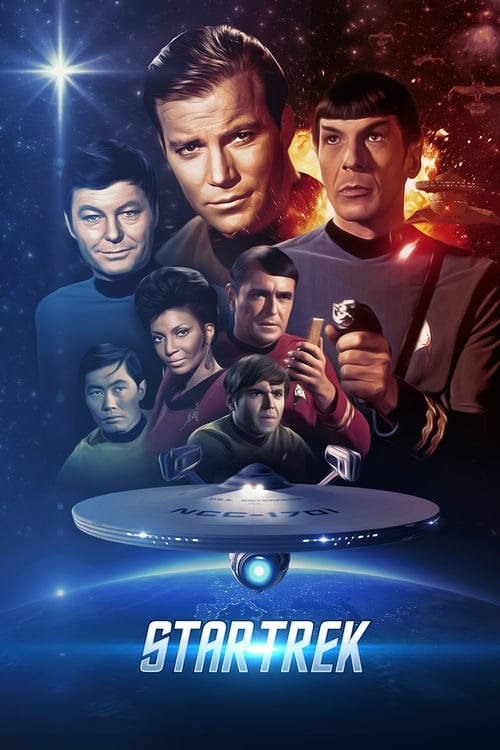
Space. The Final Frontier. The U.S.S. Enterprise embarks on a five year mission to explore the galaxy. The Enterprise is under the command of Captain James T. Kirk with First Officer Mr. Spock, from the planet Vulcan. With a determined crew, the Enterprise encounters Klingons, Romulans, time paradoxes, tribbles and genetic supermen led by Khan Noonian Singh. Their mission is to explore strange new worlds, to seek new life and new civilizations, and to boldly go where no man has gone before.

Star Trek

1966
The Love Boat
6.3

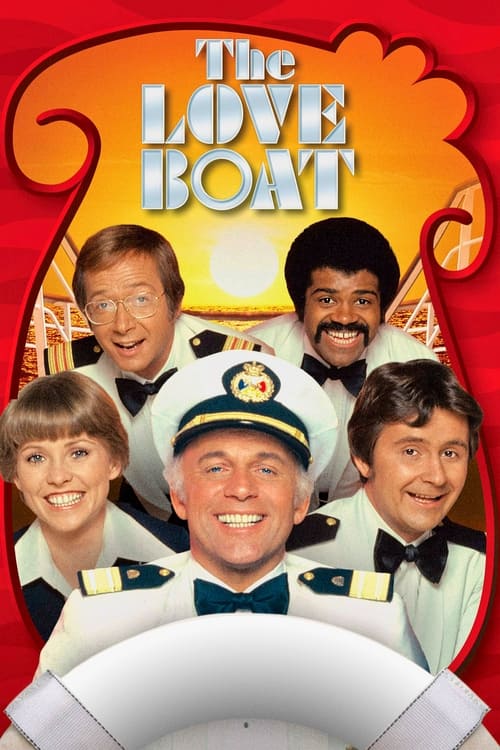
Passengers who search for romantic nights aboard a beautiful ship travelling to tropical or mysterious countries, decide to pass their vacation aboard the "Love Boat", where Gopher, Dr. Bricker, Isaac, Julie, and Captain Stubing try their best to please them, and sometimes help them fall in love. Things are not always so easy, but in the end, love wins.

The Love Boat

1977
Love, American Style
6.1

An anthology comedy series featuring a line up of different celebrity guest stars appearing in anywhere from one, two, three, and four short stories or vignettes within an hour about versions of love and romance.

Love, American Style

1969
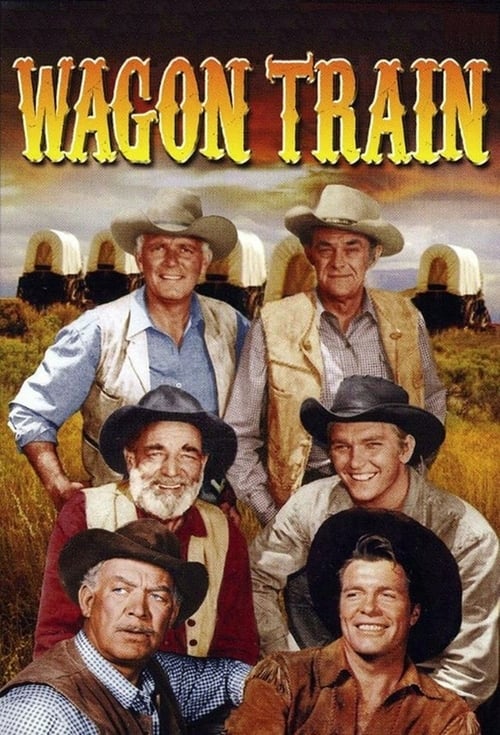
Wagon Train
6.6

The series initially starred veteran movie supporting actor Ward Bond as the wagon master, later replaced upon his death by John McIntire, and Robert Horton as the scout, subsequently replaced by lookalike Robert Fuller a year after Horton had decided to leave the series. The series was inspired by the 1950 film Wagon Master directed by John Ford and starring Ben Johnson, Harry Carey Jr. and Ward Bond, and harkens back to the early widescreen wagon train epic The Big Trail starring John Wayne and featuring Bond in his first major screen appearance playing a supporting role. Horton's buckskin outfit as the scout in the first season of the television series resembles Wayne's, who also played the wagon train's scout in the earlier film.

Wagon Train

1957
What's My Line?
7.0

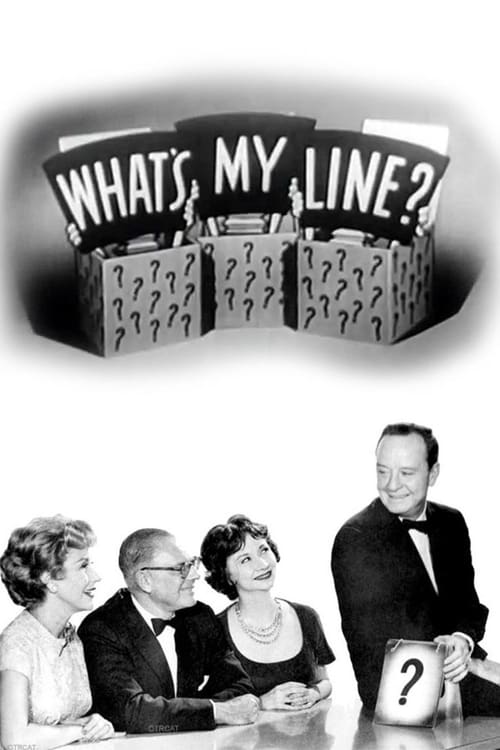
Four panelists must determine guests' occupations - and, in the case of famous guests, while blindfolded, their identity - by asking only "yes" or "no" questions.

What's My Line?

1950
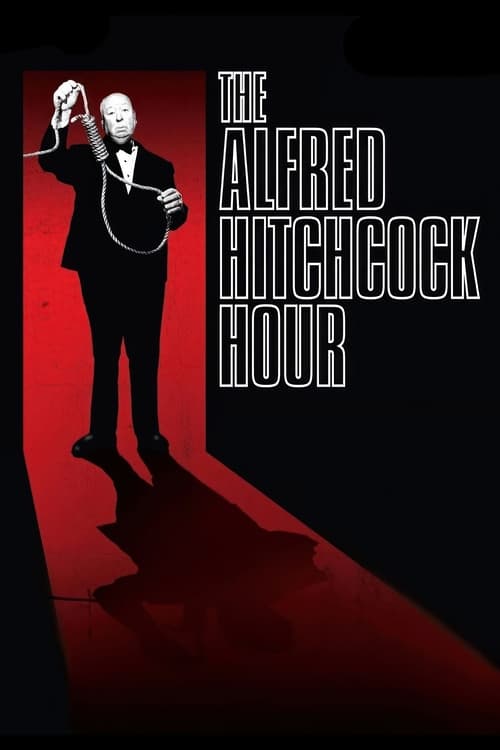
The Alfred Hitchcock Hour
7.8

A continuation of the anthology series “Alfred Hitchcock Presents”, hosted by the master of suspense and featuring thrillers and mysteries.

The Alfred Hitchcock Hour

1962
Robert Montgomery Presents
6.0

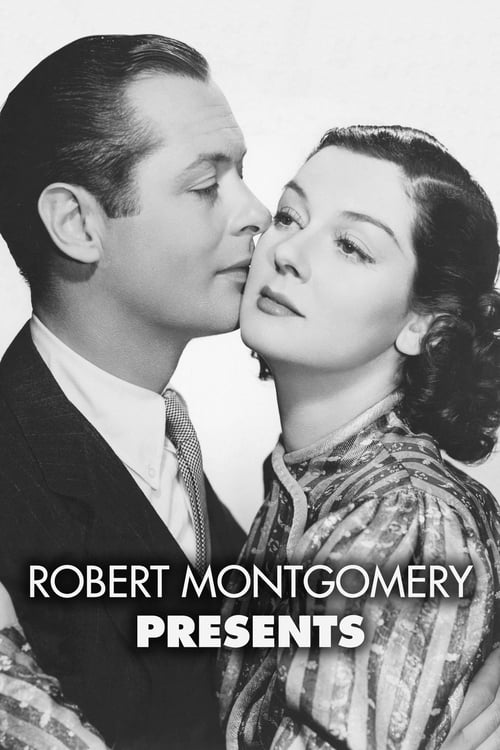
Robert Montgomery Presents is an American dramatic television series which was produced by NBC from January 30, 1950 until June 24, 1957. The live show had several sponsors during its seven-year run, and the title was altered to feature the sponsor, usually Lucky Strike cigarettes, for example, Robert Montgomery Presents Your Lucky Strike Theater, ....The Johnson's Wax Program, and so on.

Robert Montgomery Presents

1950
St. Elsewhere
5.7

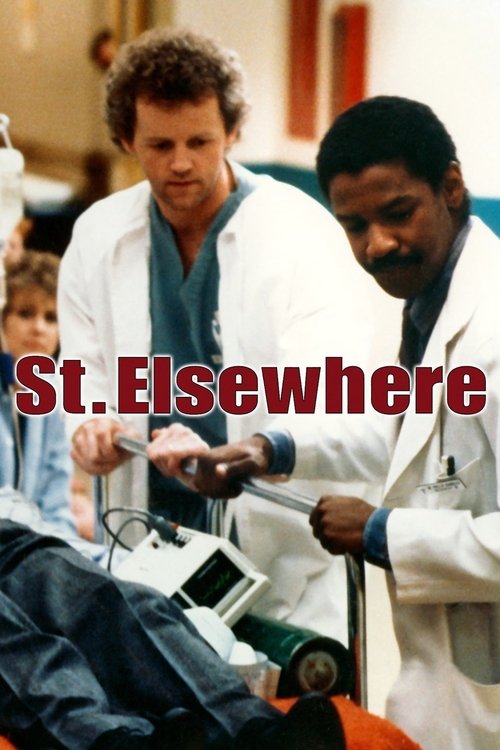
St. Elsewhere is an American medical drama television series that originally ran on NBC from October 26, 1982 to May 25, 1988. The series starred Ed Flanders, Norman Lloyd and William Daniels as teaching doctors at a lightly-regarded Boston hospital who gave interns a promising future in making critical medical and life decisions.

St. Elsewhere

1982
Studio One
5.4

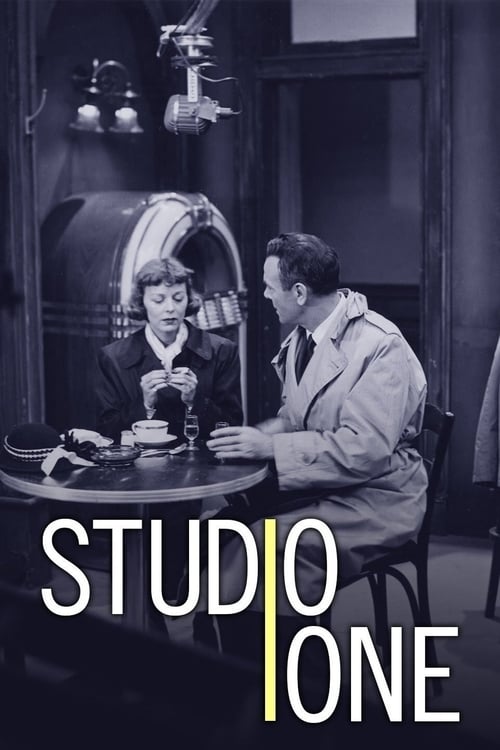
An American radio–television anthology series, created in 1947 by Canadian director Fletcher Markle, who came to CBS from the CBC. Studio One, presented by Westinghouse, was one of the first of the anthology TV programs. The episodes were often abridged remakes of movies from years gone by and many future well-known television and movie actors appeared in the productions.

Studio One

1948
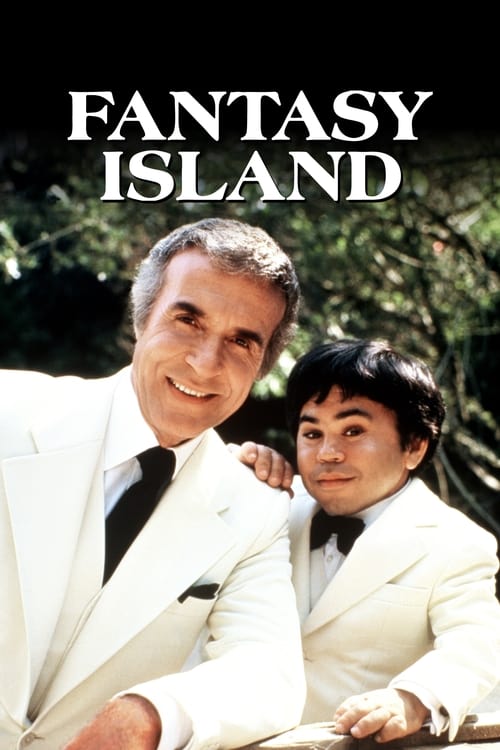
Fantasy Island
6.5

A magical island hosted by Mr Roarke and Tattoo where weekly guests learn valuable life lessons in their pursuit of fulfilling their dreams. Not all dreams are fulfilled as expected.

Fantasy Island

1978
The Ed Sullivan Show
6.8

The Ed Sullivan Show is an American TV variety show that originally ran on CBS from Sunday June 20, 1948 to Sunday June 6, 1971, and was hosted by New York entertainment columnist Ed Sullivan. It was replaced in September 1971 by the CBS Sunday Night Movie, which ran only one season and was eventually replaced by other shows. In 2002, The Ed Sullivan Show was ranked #15 on TV Guide's 50 Greatest TV Shows of All Time.

The Ed Sullivan Show

1948
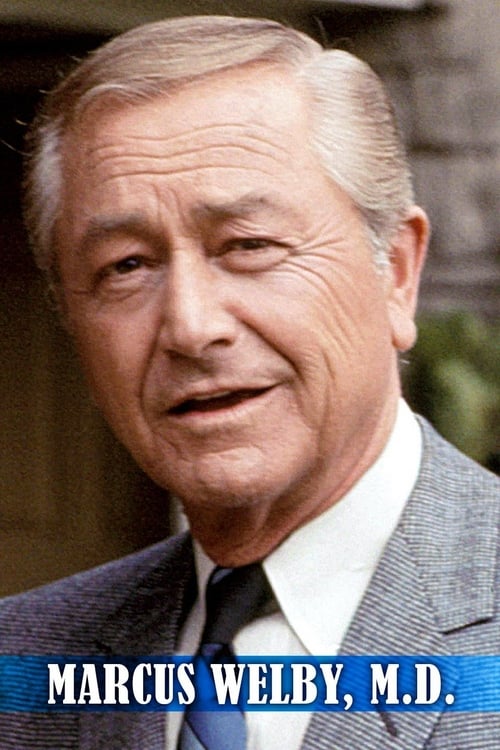
Marcus Welby, M.D.
6.6

Marcus Welby, M.D. is an American medical drama television program that aired on ABC from September 23, 1969, to July 29, 1976. It starred Robert Young as a family practitioner with a kind bedside manner and James Brolin as the younger doctor he often worked with, and was produced by David Victor and David J. O'Connell. The pilot, A Matter of Humanities, had aired as an ABC Movie of the Week on March 26, 1969.

Marcus Welby, M.D.

1969
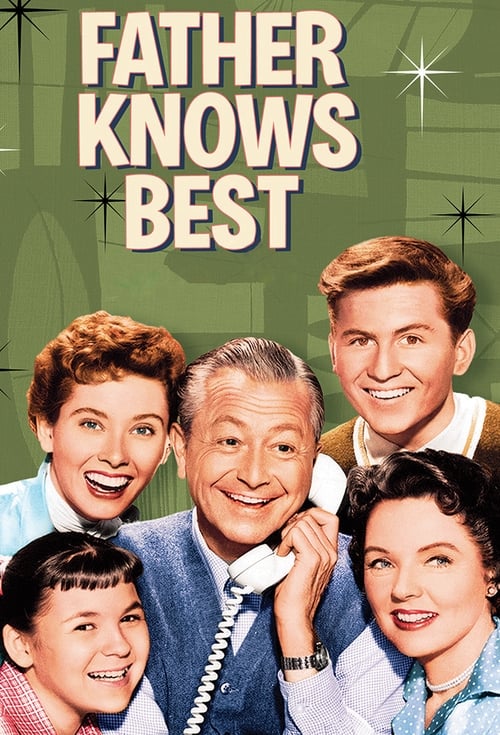
Father Knows Best
6.7

Family man Jim Anderson copes with the everyday problems among his wife Margaret and their three children as they experience day-to-day changes.

Father Knows Best

1954
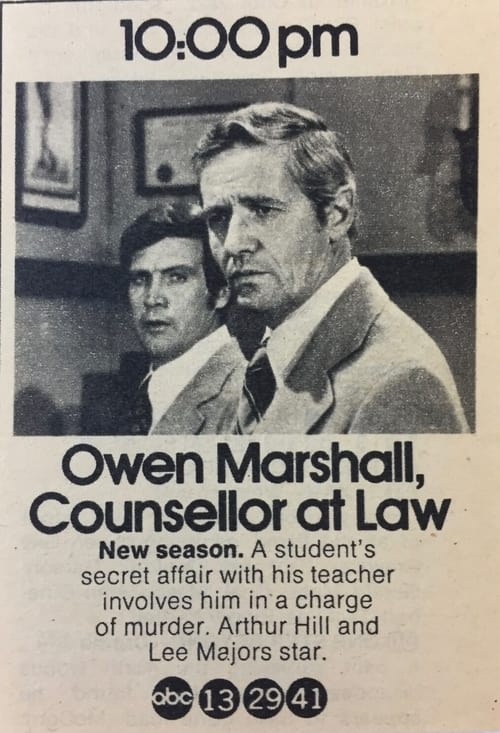
Owen Marshall: Counselor at Law
6.5

No description available.

Owen Marshall: Counselor at Law

1971
The United States Steel Hour
6.3

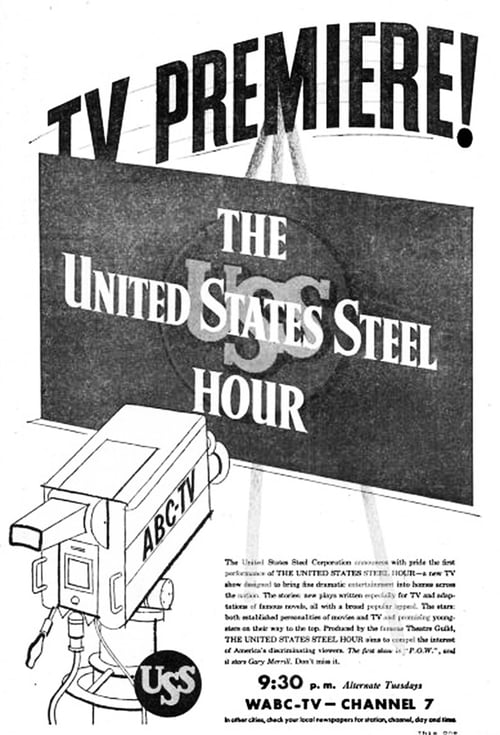
The United States Steel Hour is an anthology series which brought hour-long dramas to television from 1953 to 1963. The television series and the radio program that preceded it were both sponsored by the United States Steel Corporation.

The United States Steel Hour

1953
Your Show of Shows
7.3

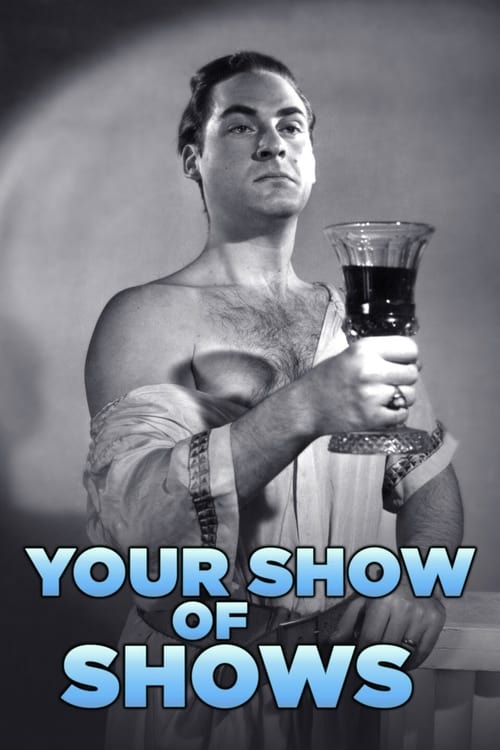
Your Show of Shows was a live 90-minute variety show that was broadcast weekly in the United States on NBC, from February 25, 1950, until June 5, 1954, featuring Sid Caesar and Imogene Coca. Other featured performers were Carl Reiner, Howard Morris, Bill Hayes, Judy Johnson, The Hamilton Trio and the soprano Marguerite Piazza. José Ferrer made several guest appearances on the series. The series was telecast from the now-demolished International Theatre at 5 Columbus Circle and the Century Theater, now demolished, in New York. During 2002, Your Show of Shows was ranked #30 on TV Guide's 50 Greatest TV Shows of All Time.

Your Show of Shows

1950
The Bell Telephone Hour
8.0

“The Bell Telephone Hour” was a musical variety show that aired on “NBC” TV from 12 January 1959 to 14 June 1968 that showcased the best in Broadway, Classical, Concert, Jazz and Popular music each week. The series had its’ own house band appropriately named the “Bell Telephone Orchestra”. The show also had its’ own theme song being the “Bell Waltz” composed by “Donald Voorhees” who was also the show's Orchestra conductor. Some of the greatest violinists of the 1960’s performed on this show that aired in the old “Black & White” format. Some of these great violinists included “Erica Mornin”, “Isaac Stern", "Michael Rabin", "Ruggiero Ricci", "Yehudi Menuhin" and "Zino Francesacatti". From time to time some of the great singers and bandleaders of the 1960’s would perform on the show as well. Some of these were “Bing Crosby”, “Gordon MacRae”, “John Gary”, “Leslie Uggams”, “Mary Martin”, “Nelson Eddy”, “Patti Page” and “Roy Rogers”. The TV show followed on the heels of its’ predecessor with the same name on “NBC” radio that aired from 29 April 1940 to 1958 on Monday nights at 8 PM. The name of the show was derived from its’ Major sponsor “Bell Telephone Laboratories”. The TV version began airing on Friday nights at 8:30 PM once a month. It later was given it’s same time slot now airing every other week alternating with another show on the other weeks such as News shows and specials. The show time slot changed quite often over the years. In September 1960 it aired at 9 PM and in September 1961 it moved to 9:30 PM. In October 1963 it moved to Tuesday nights at 10 PM, September 1965 it moved to Sunday night at 6:30 PM and in September 1967 it made its' final move back to Friday night at 10 PM.

The Bell Telephone Hour

1959
No image
7.0

CBS Playhouse is an American anthology drama series that aired on CBS from 1967 to 1970. Airing twelve plays over the course of its run, the series was nominated for a number of awards and featured many noteworthy actors and playwrights.

CBS Playhouse

1966
Alcoa Premiere
6.0

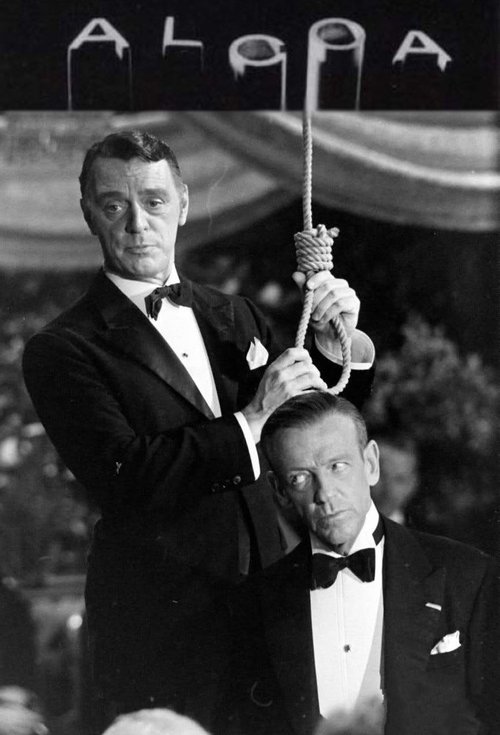
Alcoa Premiere is an American anthology drama series that aired from October 1961 to July 1963 on ABC. The series was hosted by Fred Astaire, directed by Norman Lloyd and executive produced by Alfred Hitchcock.

Alcoa Premiere

1961
Star Trek IV: The Voyage Home
7.2

When a huge alien probe enters the galaxy and begins to vaporize Earth's oceans, Kirk and his crew must travel back in time in order to bring back whales and save the planet.

Star Trek IV: The Voyage Home

1986