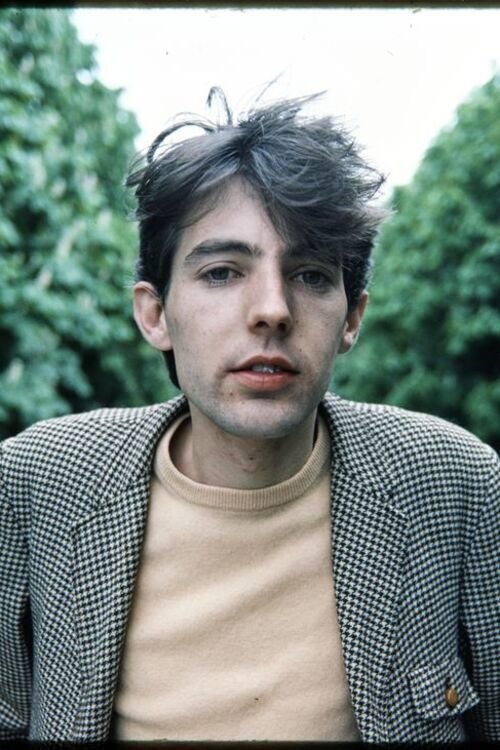
Miles McKane
Directing
Biography
Born in 1957 in New Zealand, he studied from 1976 to 1978 at the Fine Arts School of Elam (Auckland). In 1979 he authors graphic works and performances. His performance activities are continued in London in 1980. His first personal exhibition takes place in 1989. He has authored film and cinema installations since 1984. He is the co-founder with yann beauvais of Light Cone of which he is the current honorary president. Further, he has organized experimental cinema events, amongst which "Warhol, Cinema" in the Georges Pompidou Center. He usually finds his inspiration in nature, a base that provides him with a field for study on time.
Known For
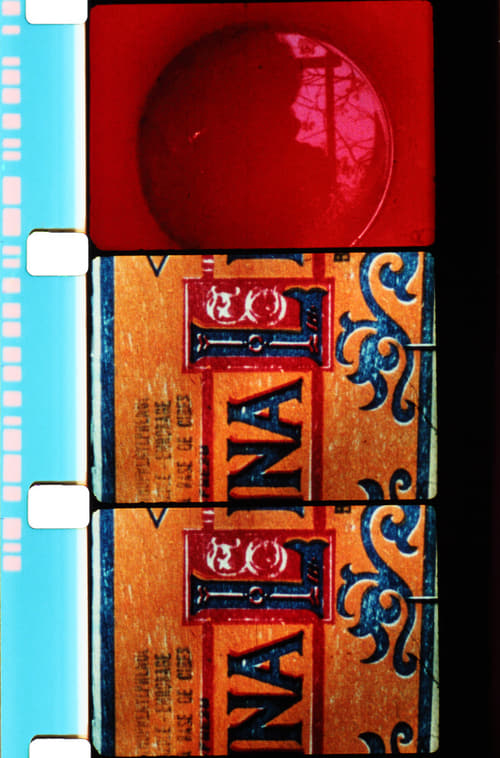
Teo Hernandez films waste and scrap found on the pavements of the streets of Paris. “Sidewalks are great subjects: garbage, objects and materials, stains, signs, are a movie subject.”
Mesures de miel et de lait sauvage
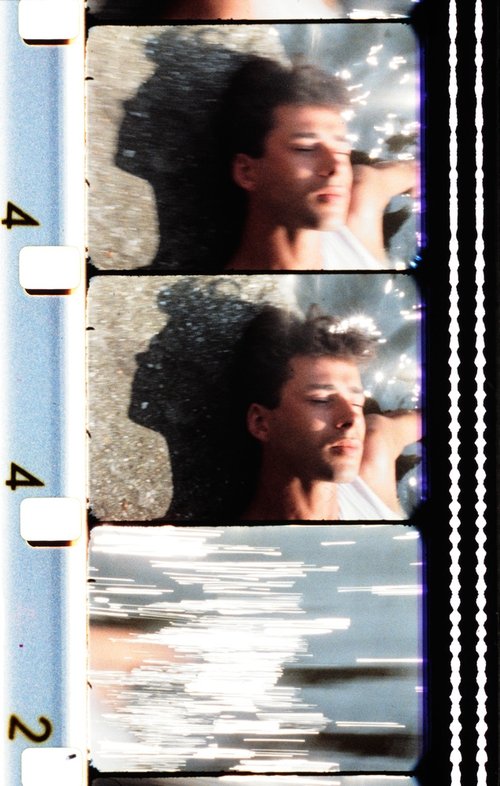
Teo Hernández films some friends in a park under the Parisian summer heat.
Feuilles d'été
"It is above all a portrait of Miles McKane. Making a portrait, shooting a portrait are all modes of perpetuating/appropriating a person's image. Could a cinematographic portrait escape this rule?" -YB
Miles
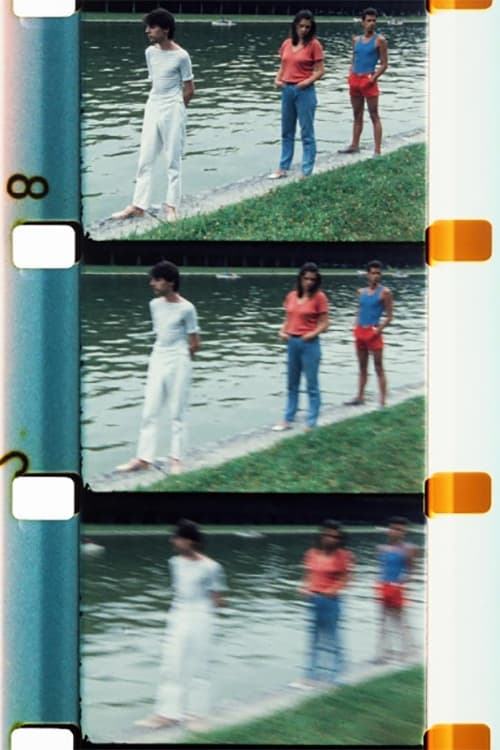
No description available.
Chutes de Feuilles d’été
No description available.
Narcisse Pretext
No description available.
Pourquoi "Light Cone" ?
No description available.
Round Trip
No description available.
Track Moss By-Pass
This is a portrait film of Miles McKane, one of the original co-founders of Light Cone and Scratch Projection, with his husband, Yves Gloaguen, in their home in Indre. I have known Miles since 1985, when I first screened with Scratch Projection and began distributing my films with Light Cone. This film portrays Miles and Yves in their eclectic home and garden. The home physically reveals layers of its history, while the garden is reminiscent of gardens across the channel, in Wales.
Miles and Yves, Indre
Initial situation: models were invited to participate in their portrait by the contribution of personal objects and a great freedom of expression before the camera. This initial situation was conceived by Catherine Rebois. Graffon: I propose to film in a fragmented way these sessions of pose. Participants agree to be filmed at the same time they are photographed. Deliberately sharpened shift between an initial situation in its own duration and its filmic recording. The sequence of photographic shooting sessions is shattered.
Portraiture
No description available.
Navy Blues
No description available.
A Commercial Shooting
Home movie of the last days of the summer of 2006 and the last days of Kodachrome 40. In the tradition of home movies and diary films.
Miss Daisy's Jardin Walk
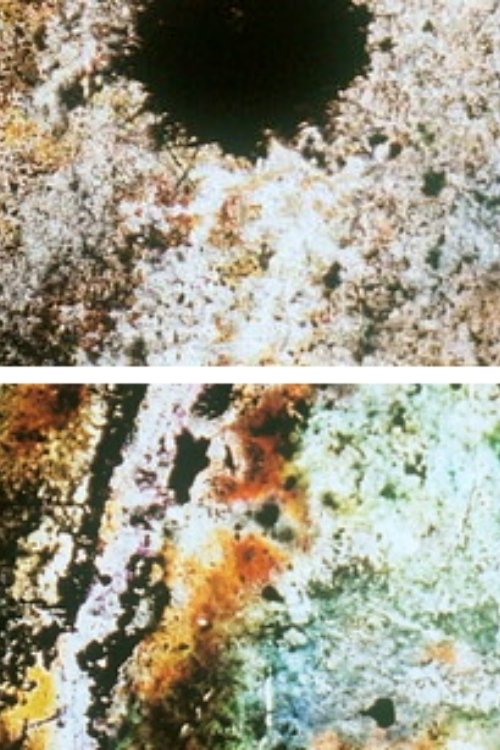
The projected image is constructed from deteriorated colour film (old loops from the the installation Little Girl), the agitated rhythm of the movements of colour and form underscore the movement of the spectator and the rapid eye movement. To renforce the movement the film was edited in a series of mirco-loops, similar material was assembled to create a sense of progresssion and familiarity with the image, brief passages of figurative material were kept as a sort of visual conterpoint to the flow of the abstract colour sections. This duality of material seems to change the speed of the images we percieve a double dynamic dynamics produced within the same material.
Baby Dream II
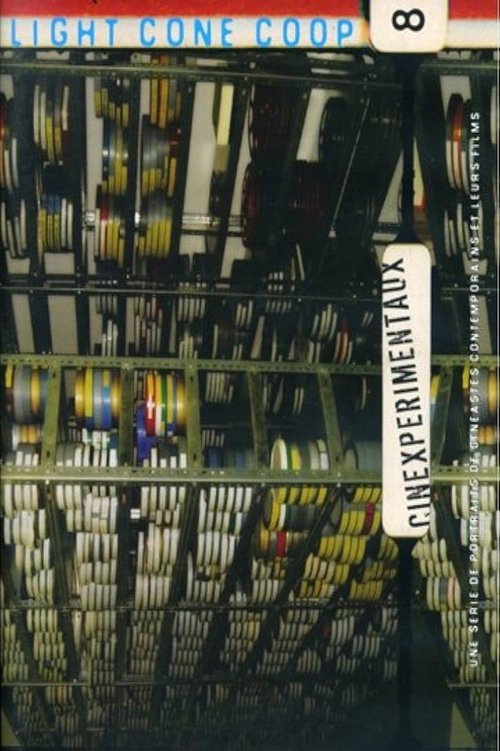
Cinexpérimentaux is a series of documentaries on experimental filmmakers, produced and directed by Michel Amarger and Frédérique Devaux. N°8 is dedicated to the most important European cooperative Light Cone created in 1982 in Paris.
Cinexpérimentaux #8: Cooperative Light Cone
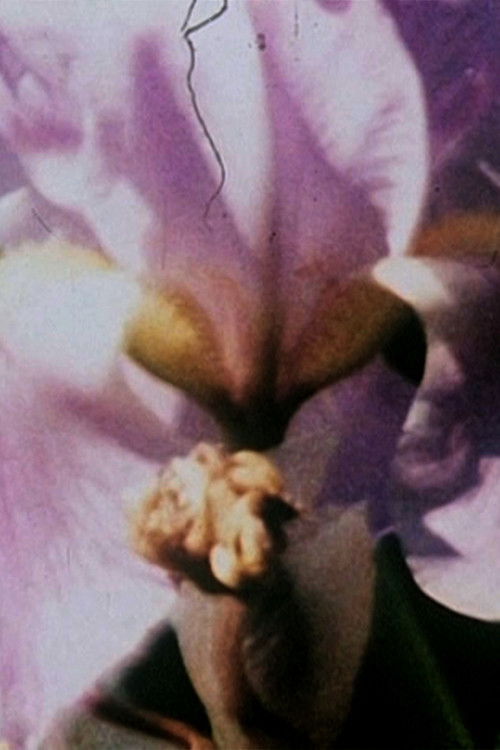
The film was shoot as a single S.8 roll in iris garden of the Casa Maure, and in a field of Normandy. The light filtering through the petals,[ which act as a sort of screen,] both illuminate matter and reveal the structure of the plant. In the first part of the work was shoot mostly in macro, so prepulsing ones vision, into the luminous mouleclus that make up living things. A sort of bees eye view of the world. Gradualy the spacialisation changes to one of an open landscape, and a field of buttercups. Beyond the vision of flowers and vegatation the work is a meditation on our place in the structure of the cosmos and order of things. Do we have a macro vision of our self and context, are we mircroscope, with an incomplete view and as ephemeral as a petal.
Fleurs sans titre
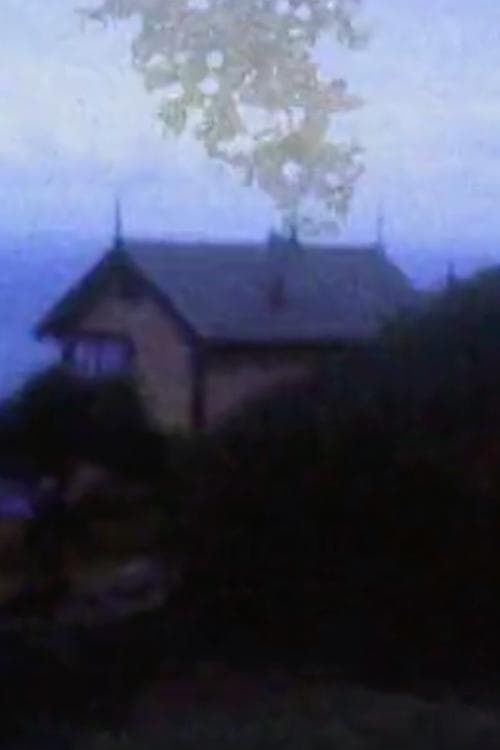
Paysage Natal is a confrontation between a film-maker and the country where he was born. It is also a way of recording with the camera as much information (psychological / emotional) on places once familiar, without contracting a "diary".
Paysage Natal
A cinematic metaphor, conceived as part of a compilation of films on AIDS, this is an emotional translation of the disease. The juxtaposition of music and images creates conflicts involving elements that, taken separately, would appear insignificant. Produced within the framework of SI FILM DA. (LightCone)