Acting
No description available.
When the Portuguese police began to investigate, in 1967, an illegal prostitution network, they ended up stumbling upon a huge secret that could shake the foundations of the republican regime: a select group of prostitutes who organized parties with teenage girls to secretly satisfy the sexual desires of bankers, politicians, ministers, aristocrats and powerful businessmen: the Ballet Rose Case.
Once the boss started deducting a third of the workers' wages on the pretext that it was necessary to purchase new machines in order to compete, a group of workers went on strike, occupied the company, but were expelled from their workplace by the police. Out on the street, the workers think about the best way to make their comrades and the general population aware of the seriousness of their situation. They then decide, by mutual agreement, following the humorous tradition of cegadas and popular theater, to improvise a satirical performance in which they denounce some typical examples of capitalist exploitation. From the bandstand, which serves as their rehearsal stage, to the final procession, which unexpectedly takes on a different tone, the workers learn and teach us how scathing and uncompromising criticism of capitalist institutions can be transformed into a celebration of struggle, joy, and unity.
Artur is in Lisbon for his holidays, wonders aimlessly, and is picked up by Rui, a young man who is into marketing and advertising. Joana is in Lisbon for holidays, but also trying to escape from a mysterious, dark passion. Artur and Joana come together, find common roots in their rural background.
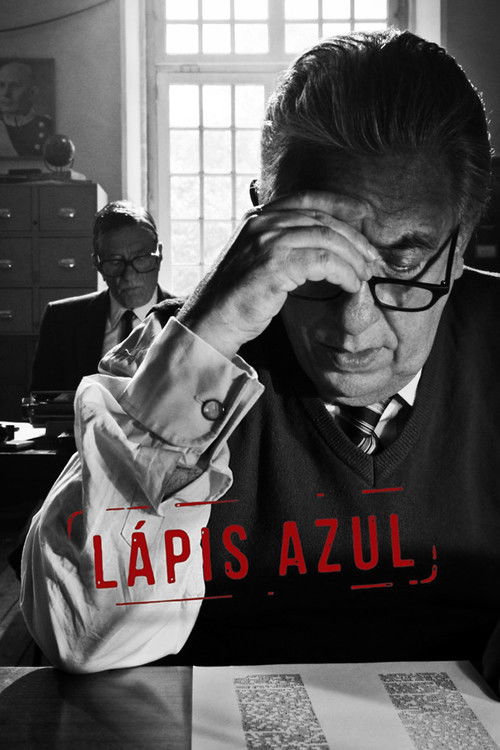
A colonel working for Censorship, widower, learns that his wife read banned books in his absence, "New Portuguese Letters" and "My Lady of Me". The colonel will discover the woman he did not know in life through the poems that she read. As the revolution arrives in April 25, 1974, the Colonel will remain true to their convictions although the poems have already influenced his own life.
In the time of King Leonardo, a war and the plague that accompanied it depopulated Traslândia. Ignoring these tragic events, Queen Isménia, Princess Camila and lady-in-waiting Narcisa, coming from a distant kingdom, arrive in Traslândia, when the war approaches the end.